 Quiet Marylebone Irish Coffee Bar Night Picker in London
Bars & Nights Out
Soho Cocktail Bar Finder: Weeknight Seats Without the Queue
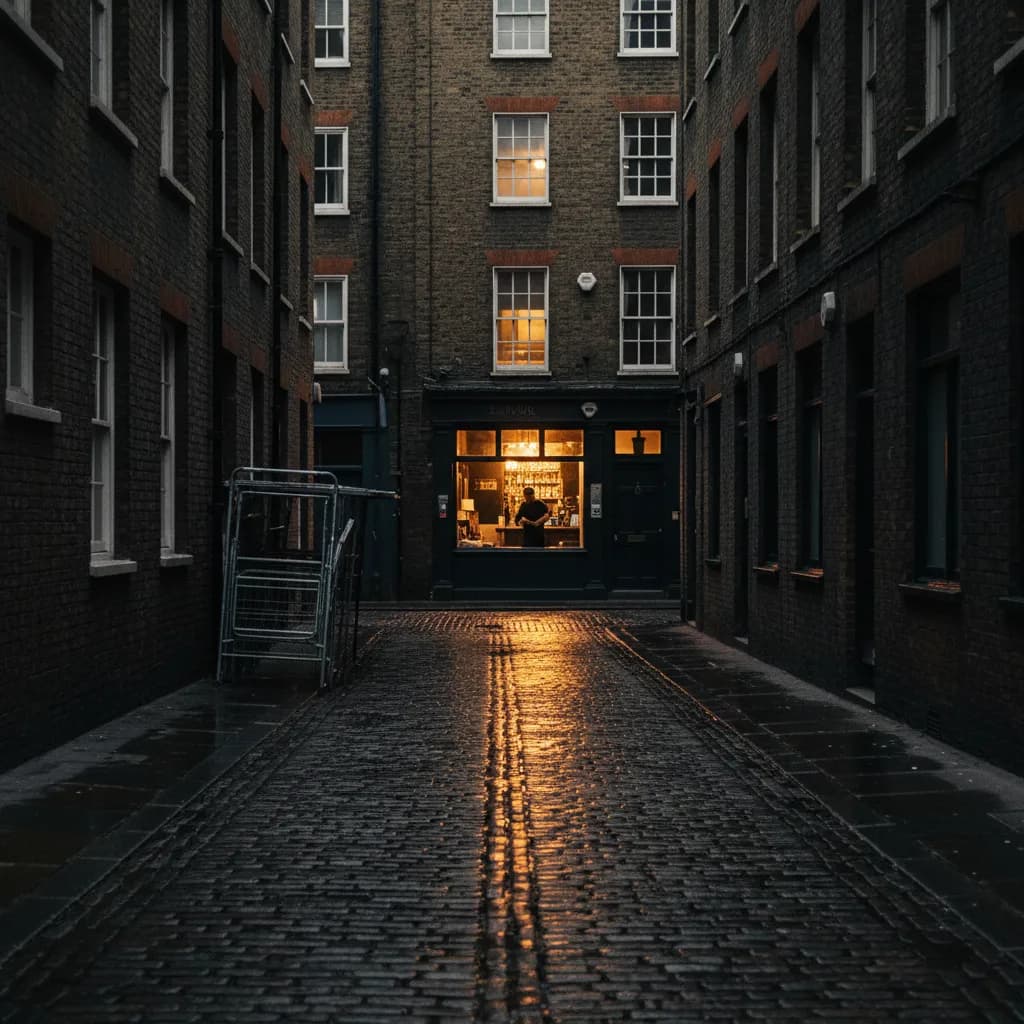
Soho rewards cocktail drinkers who arrive midweek and walk past Old Compton Street toward Berwick and Dean Street, where smaller rooms still keep a stool free.
Soho is the part of London where everyone seems to want a cocktail at the same moment. On a Friday the pavements of Old Compton Street fill shoulder to shoulder, theatre crowds spill down from Shaftesbury Avenue, and the obvious bars near the main corners turn into queues with a doorman counting heads. Yet the same square mile holds dozens of small, patient rooms where a bartender will still talk you through the menu. The trick is less about knowing a single famous address and more about knowing how Soho behaves across a week, which streets stay calm, and how to give yourself a backup that is two minutes away rather than twenty.
How Soho Splits Into Different Drinking Moods
Think of Soho as several neighbourhoods folded into one. The stretch around Old Compton Street is loud, social and proudly queer, with bars built for mingling and standing rather than sitting. Greek Street and Frith Street lean toward late dinners and wine, so cocktail rooms there tend to be tucked into basements below restaurants. Dean Street carries the old creative Soho of members' clubs and townhouses, where upstairs rooms feel like someone's drawing room. Berwick Street, still anchored by its daytime market stalls, has a scruffier record-shop energy that suits a casual negroni more than a dress code.
When you plan, decide which of those moods you actually want. A first date usually goes better in a dim townhouse room with a proper seat. A group of six celebrating a birthday will be happier near Old Compton Street, where nobody minds a bit of noise. Someone who wants to learn about spirits should head for a counter where the bartender has time to explain, and that almost always means a smaller room away from the main crossings.
Timing a Soho Night So You Actually Get a Seat
The easiest win in Soho is simply arriving before the theatre interval crowd and the after-work rush overlap. Midweek evenings, especially Monday to Wednesday, give you a real choice of stools, and the bartenders are more relaxed about suggesting something off menu. If Thursday or Friday is your only option, aim to be seated before the post-work wave builds, then stay put for a second round rather than roaming at peak time.
Weekend afternoons are an underrated slot. Many visitors forget that Soho cocktail rooms can be just as good with daylight coming through the sash windows, and a Saturday afternoon martini after browsing Berwick Street or the bookshops on Charing Cross Road feels unhurried in a way a Saturday night never will. If a place takes bookings, use them for the busiest nights and keep walk-ins for quieter evenings, when wandering is part of the fun.
Telling Karpo What Kind of Soho Night You Want
A finder works best when you describe the evening honestly rather than typing a generic search. Inside the Karpo APP, write the request the way you would brief a friend who knows the area: two people, meeting after a show near Cambridge Circus, want to sit down, prefer stirred gin drinks, would rather avoid a thumping soundtrack, happy to walk ten minutes. Karpo can then suggest rooms that match the mood, the walking distance and the style of drink, instead of pushing you toward the busiest names.
Add the constraints that genuinely shape the night. Mention if someone in the group is not drinking alcohol, because a number of Soho bartenders put real thought into zero-proof serves built on shrubs, teas and bitter syrups. Mention if you need step-free access, since plenty of the best Soho rooms sit down a narrow staircase. If budget matters, say so plainly. Karpo uses those details to shape its suggestions. It does not hold tables for you, so once you have a shortlist, contact the bar directly if you want a booking.
What to Order in a Small Soho Cocktail Room
Soho bartenders tend to be at their best when you give them a direction rather than a single drink name. Tell them the spirit you like, how sweet or bitter you want it, and whether you are in the mood for something long and fizzy or short and stirred. A request such as a dry gin drink with something herbal, or a smoky rum serve that is not too sweet, often produces the most memorable glass of the night.
If a menu is built around seasonal ingredients, start there, because those drinks show what the team is proud of that month. Then use your second round to test a classic, such as a martini, an old fashioned or a daiquiri, because how a bar handles a familiar recipe says a lot about its care. Ask for water between rounds and, where it is offered, take the small bar snack seriously. A plate of olives or a toastie can turn a quick drink into a proper evening.
A Two-Stop Route Through Dean and Berwick Street
The most satisfying Soho evenings mix two very different rooms. Start in a lively spot near Old Compton Street for one bright, fizzy drink while the street buzzes outside. Then cut north up Dean Street, past the townhouse doors and the old film company offices, toward a quieter upstairs or basement bar for something stirred and slow. The walk takes a few minutes and shifts the whole tone of the night.
An alternative route starts on Berwick Street. Browse the record shops while they are still trading, pick up a slice or a bowl of noodles from one of the cheap kitchens on the side streets, then move into a nearby cocktail room as the market stalls pack away. Finish by walking toward Soho Square, which feels surprisingly peaceful once the office crowds have gone home, and decide there whether one more drink is wise.
Etiquette That Helps in Busy Soho Rooms
Smaller Soho bars run on goodwill. If the door staff say the room is full, ask whether it is worth waiting nearby rather than hovering in the doorway, and they will often take a name or point you to a sister venue. Keep groups compact, since a party of eight squeezing into a room designed for twenty changes the atmosphere for everyone. Tip in the way the bar suggests, which in London usually means a service charge already on the bill at table-service venues.
Respect the neighbours, too. Soho is still a residential area, and the people living above those bars care about late noise on the street. Lower your voice on the pavement, move away from doorways to smoke, and use the main roads when you head home. The bars that keep their licences tend to be the ones whose guests leave quietly, which is a good reason to treat the street as part of the room.
Practical Notes for Planning Your Soho Night
Soho is compact enough that every bar is within easy walking distance of Tottenham Court Road, Leicester Square, Oxford Circus and Piccadilly Circus stations, so pick the station that matches where your night ends rather than where it starts. Night Tube service on some lines at weekends makes getting home simpler, while night buses along Oxford Street and Charing Cross Road cover the rest. Wear shoes you can manage on stairs, because many of the best rooms are underground or up a narrow flight.
Before you set out, save two or three options in the Karpo APP so you have a nearby backup if the first room is full. Mix one lively choice and one quiet choice, and note which ones accept bookings. Keep the evening flexible, follow the street that feels right, and let the bartender guide the second round. Soho rewards people who move slowly, ask good questions and know that the best seat is usually one street away from the crowd.
Ask Karpo for more information.
Keep reading
- Quiet Marylebone Irish Coffee Bar Night Picker in London
 Richmond Pub Quiz Night Picker for Scenic London Evenings
 Fulham Pub Quiz Night Picker for Relaxed London Evenings