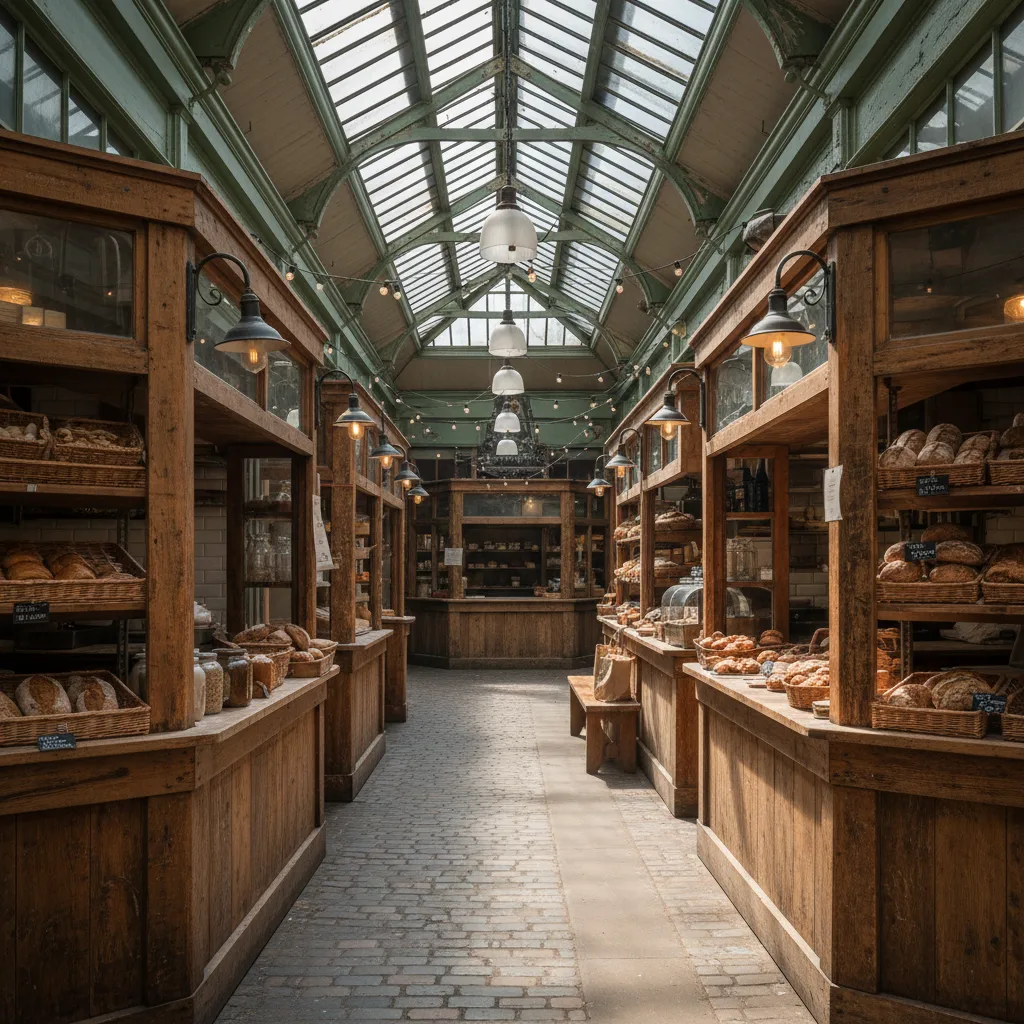
 Brixton Sourdough Bakery Crawl: Covered Market Ovens
Coffee & Dessert
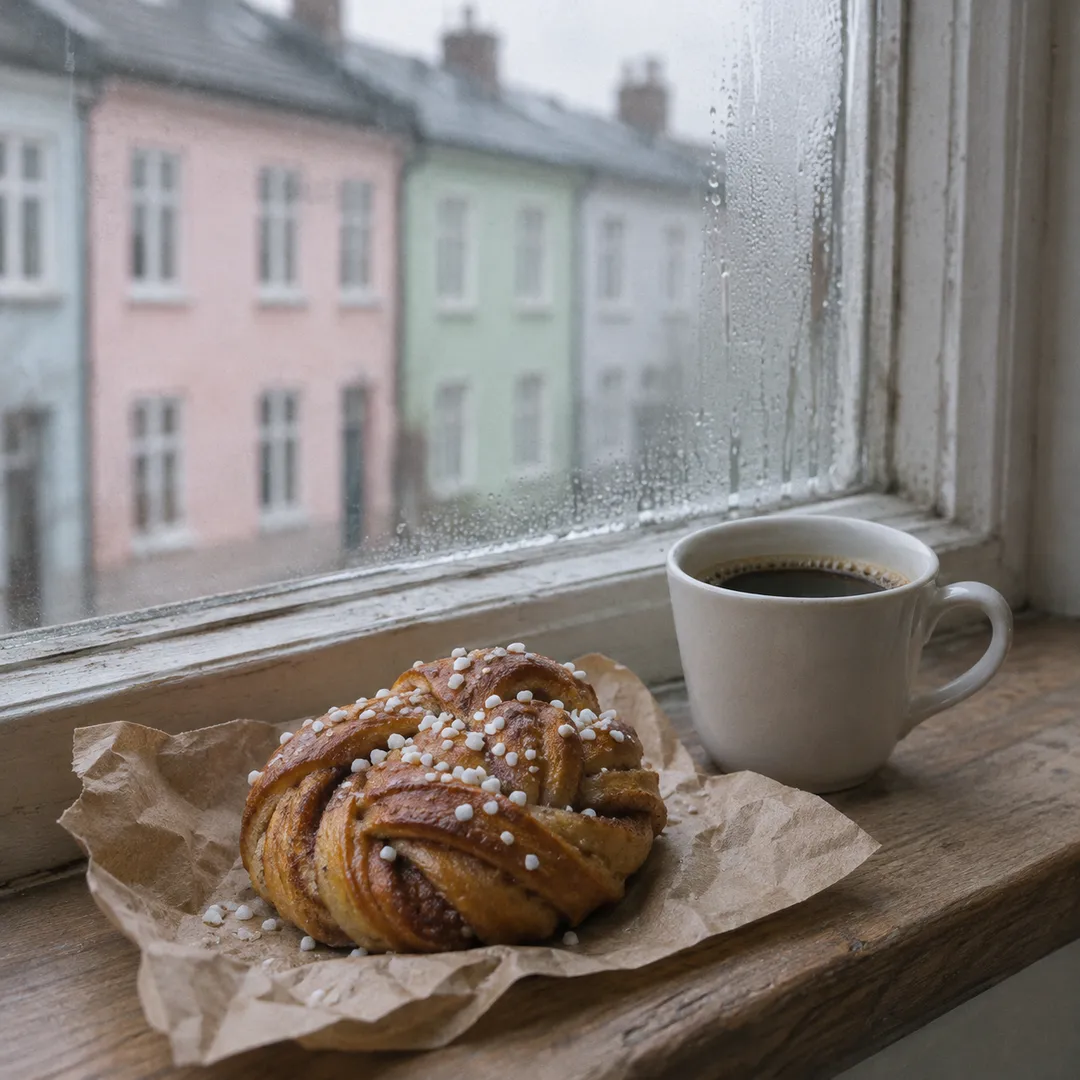
Notting Hill Cinnamon Bun Bakery Crawl for Homesick Swedes
Missing a real Swedish kanelbulle in London? Walk Notting Hill on a Saturday, test buns for cardamom and pearl sugar, and pause for fika near Portobello Road.
Ask a Swede in London what they miss and a good number will answer before you finish the question: a kanelbulle that tastes like home. The dough should be soft and a little springy, the cardamom should be there if you look for it, and the pearl sugar should crunch rather than melt. This cinnamon bun bakery crawl through Notting Hill is written for that homesick craving, and for anyone curious about why the Nordic bun is such a fuss.
Why Notting Hill Works for a Nordic Bun Hunt
Notting Hill is not a Scandinavian quarter, and that is part of the fun. Its bakeries come from all over: French, Portuguese, sourdough obsessives, and a handful of places that bake knotted buns because Londoners kept asking for them. On a single walk you can compare a Swedish-style knot, a British swirl in a tin and a laminated roll with a glossy glaze. Few neighbourhoods let you taste that range within the space of a morning.
The area also suits the pace a fika demands. Side streets off Westbourne Grove and Ledbury Road are quieter than the market itself, with benches, garden squares behind railings and cafes where nobody hurries you. A crawl here is less about ticking off stops and more about setting a rhythm: one bun, a short walk, a coffee, another short walk. That is close to how a Sunday afternoon in Stockholm or Gothenburg feels.
How to Judge a Kanelbulle Like You Grew Up With One
Bring a simple scorecard in your head. First, the knot or the swirl: a Swedish bun is usually twisted into a knot or baked as a spiral in a paper case, not drowned in icing. Second, cardamom: break the bun open and smell the crumb before you taste. Third, the topping: pearl sugar should sit in little white beads, not dissolve into a sticky film. Fourth, the dough: it should tear in soft strands rather than flake.
Do not write off a bun for being different. Some Notting Hill bakers add brown butter, orange zest or a sourdough tang, and a few of those versions are lovely in their own right. The useful question is not whether it matches your grandmother's tray, but whether the baker has thought about texture and spice. A sweet, heavily iced roll may be pleasant, yet it is a different pastry, and you can skip a second one of those on the same morning.
Plan the Route Around Portobello Road on a Saturday
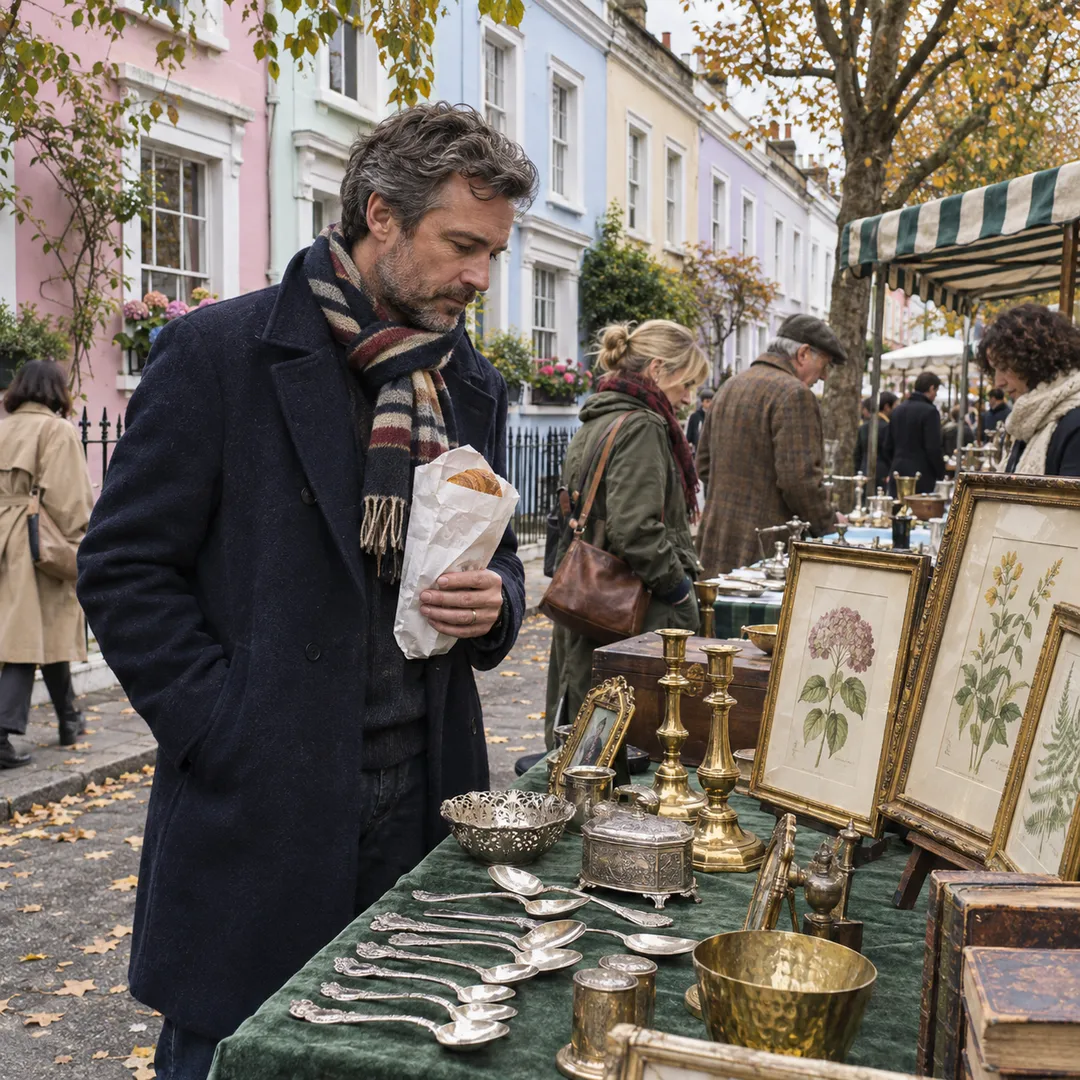
Saturday is the day the antiques dealers spread out along the upper stretch of Portobello Road, and it is also the day the crowds arrive. Use that to your advantage. Get your first bun early on a quieter parallel street, before the market fills, then drift onto Portobello with a paper bag in hand and browse silver spoons, enamel tins and old prints while you eat. The second stop can wait until the crowds thin out after lunch.
If the queue at a popular bakery stretches past the door, do not stand in it for the sake of a list. Note the place, walk on, and come back mid-afternoon when the morning rush has gone. Homesick cravings are not helped by a twenty minute wait in the cold. Karpo APP can help you look up other bakeries nearby that are worth a detour, so a long line becomes a change of plan rather than a ruined morning.
Making Space for a Real Fika
In Sweden, fika is not a coffee to go. It is a pause, usually with someone, and the bun is an excuse to sit down. Build at least one proper sit-down into the crawl. Choose a bakery or cafe with a window ledge or a small table, order a black filter coffee, and resist the urge to photograph everything. The aim is to taste slowly enough to notice the cardamom arriving after the cinnamon.
If you are crawling with a British friend, the fika stop is the place to explain the ritual. Tell them about Kanelbullens dag, the cinnamon bun day Swedes mark on the fourth of October, and about the tins of buns that seem to appear in every office kitchen in Scandinavia. Stories travel well with pastry, and your friend may finally understand why you walked past three perfectly good croissants to find one knot.
Between Bakeries: Antiques, Colour and Quiet Squares
The walking is half of the pleasure. Head north along Portobello and the stalls give way to food, vintage clothes and record dealers near the Westway. Turn off toward the pastel terraces of Lancaster Road or Elgin Crescent, where painted fronts in pink, mint and lemon make even a grey November morning look cheerful. Keep your voice down on the residential streets, since people live behind those photogenic doors.
Golborne Road, at the northern end, has a different feel again, with Portuguese and Moroccan cafes and a market of its own. It is a good place to end the crawl with something savoury, or with a custard tart to compare against the morning's buns. From there you can glimpse the tower block that the neighbourhood knows well, and walk back south through quieter streets as the light fades.
Bringing Buns Home Without Losing the Magic
If you want to share the haul, ask for a box rather than a bag, since knotted buns crush easily and pearl sugar falls off when they knock together. Eat any glazed or iced rolls first, as they suffer most overnight. Plain Swedish-style knots keep better, and a few minutes in a warm oven the next morning brings back much of their softness. Freeze any extras on the day, wrapped tightly, rather than letting them dry on the counter.
Homesickness is often soothed by sharing rather than by perfection. Bring a couple of buns to a Swedish friend who has also been missing home, or to a British neighbour who has never tried one. Compare notes on which Notting Hill bakery came closest. Next weekend you can repeat the exercise in another part of London, using Karpo APP to sketch a new cluster of bakeries, and slowly build your own map of buns that taste like home.
Practical Notes for the Crawl
Three bakeries is plenty for one morning. More than that and the buns blur together, and your stomach will not thank you. Wear shoes for uneven pavements, carry a small reusable tote for paper bags, and bring a bottle of water, since sweet dough and coffee make you thirsty. Saturdays are busiest, so if you only want the buns and not the market, a weekday morning is calmer.
Rain is common in London in late autumn, but it rarely spoils a bun walk. Covered shopfronts and cafe windows give shelter, and wet pavements make the pastel houses glow. If the weather turns properly grim, shorten the route to two bakeries close together and linger longer over the fika. The point of the morning is a taste of home, not a march, and Notting Hill rewards anyone willing to slow down.
Ask Karpo for more information.
Keep reading
- Brixton Sourdough Bakery Crawl: Covered Market Ovens
 Hackney Sourdough Bakery Crawl: Broadway Market Loaves
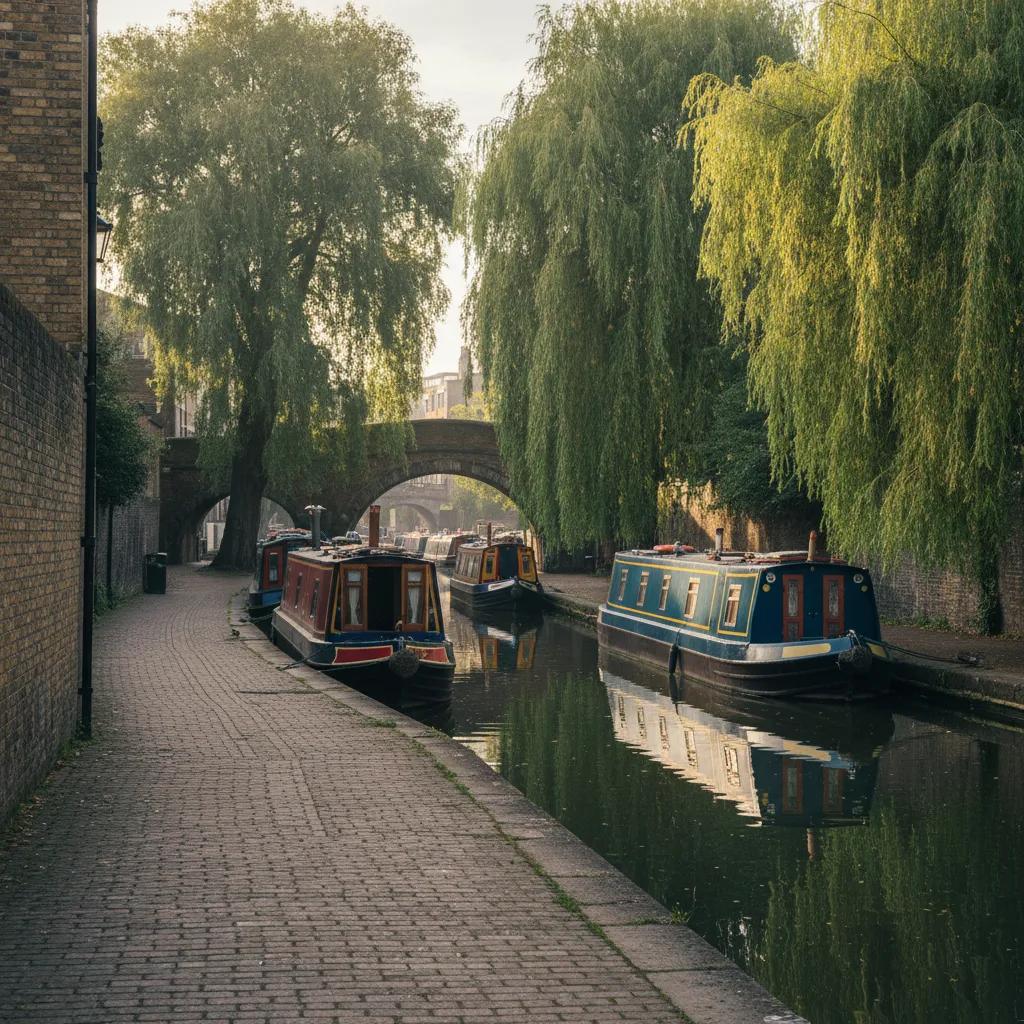 Islington Sourdough Bakery Crawl: Canal Towpath Mornings