 South Bank Quiet Coworking Cafe Finder: Thameside Desks
Coffee & Dessert
Marylebone Cinnamon Bun Bakery Crawl Before Baking Your Own
Learning to bake cinnamon buns? Spend a Sunday tasting Marylebone bakeries for dough and spice, shop the farmers market, then go home with a plan for your oven.
The quickest way to bake better cinnamon buns at home is to eat a few good ones with your full attention first. Marylebone, with its compact grid of streets, its Sunday farmers market and a cluster of serious bakeries, is an ideal place for that kind of research. This cinnamon bun bakery crawl is for the home baker who wants to taste, take notes and go home ready to try a batch.
Treat the Morning as Research, Not Dessert
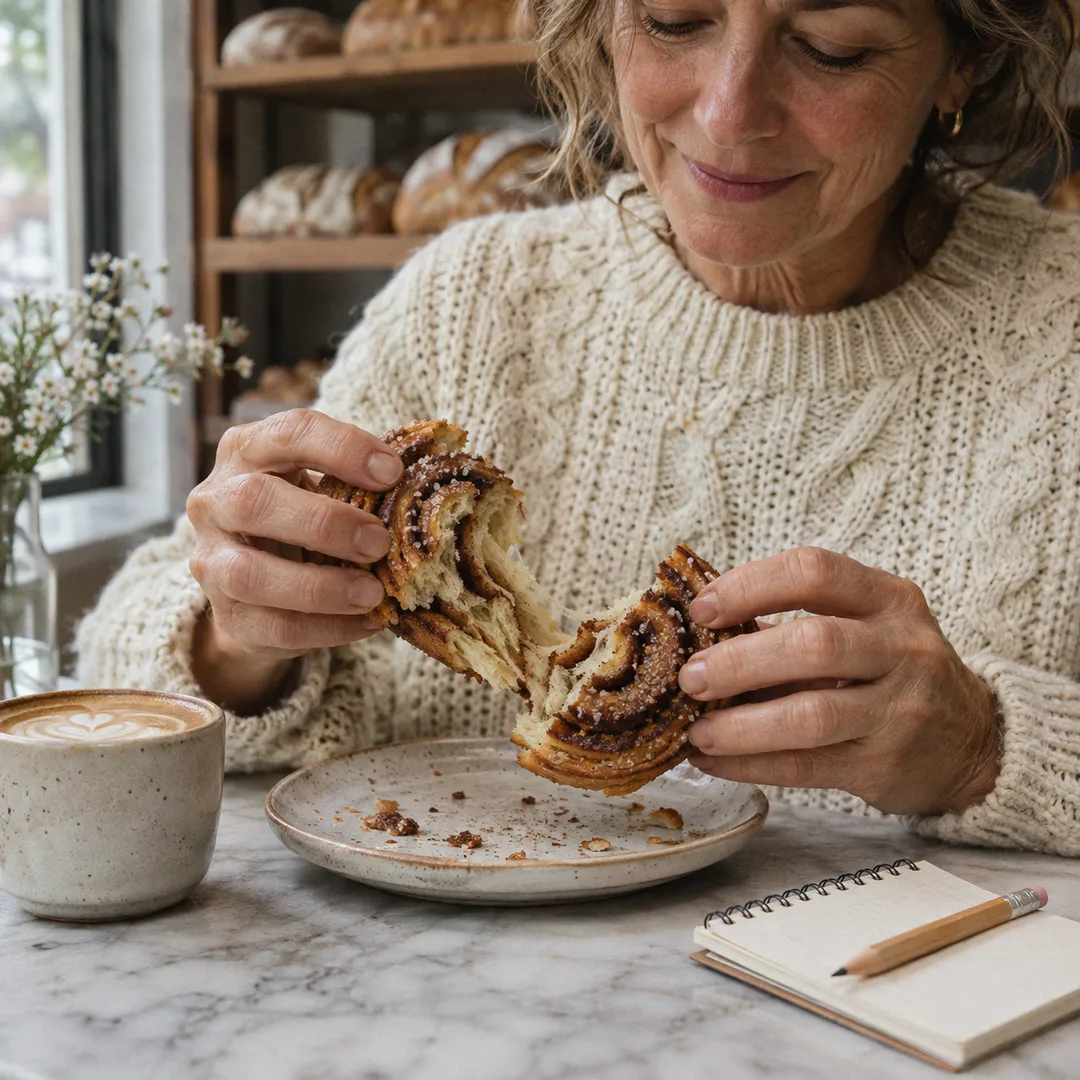
Go in with questions. What does the crumb look like when you tear it? Is the dough enriched with plenty of butter and egg, or lean and chewy? Where is the spice, in the filling or the dough itself? Is the bun baked free-standing, in a tin, or in a paper case? A home baker who notices these choices can copy the good ones and avoid the rest, which is far more useful than reading another recipe.
Bring a small paper notepad and a pencil. Write the time, the bakery, the style and three quick words for texture, spice and sweetness. Snap one photo of the crumb if it helps, then put the phone away. Notes like this turn a pleasant walk into a lesson. After three bakeries you will be surprised how clearly you can describe the bun you want to make yourself.
Reading Dough, Shape and Bake
Start with the outside. A deep golden top with darker edges suggests a hot oven and a sugar wash. A pale, soft top means a gentler bake or a covered tin. Knotted Scandinavian buns show how the baker cut and twisted the dough, and the twist tells you a lot about how thin the filling was spread. Tin-baked swirls hug each other and pull apart in soft sides.
Then tear it. A feathery, stretchy crumb means a well-developed enriched dough that rose properly. A tight, cakey crumb suggests too much flour or too short a rise, a common home-baking problem. Look at where the butter sits. Some bakers spread a thick paste of butter, sugar and spice, others a thin film, and the difference shows in how gooey the centre is. Write down which you prefer.
Tasting Spice Like a Baker
Cinnamon is not one flavour. Some bakers use a warm, sweet cassia, others a lighter, more floral Ceylon type, and many blend in cardamom, nutmeg or orange zest. Smell the crumb before you bite, then taste slowly, letting the spice build. If you cannot tell what is in the filling, ask the person at the counter. Bakers are often happy to talk about spice, and a short conversation can teach you more than a page of instructions.
Pay attention to salt as well. A pinch of salt in the dough and filling sharpens the sweetness and keeps the bun from tasting flat. If a bun feels cloying, it may be underseasoned rather than oversweetened. Skip any bun that hides everything under a thick layer of icing, since it teaches you little about the dough. You can always add icing at home if your family insists on it.
Shopping the Sunday Farmers Market
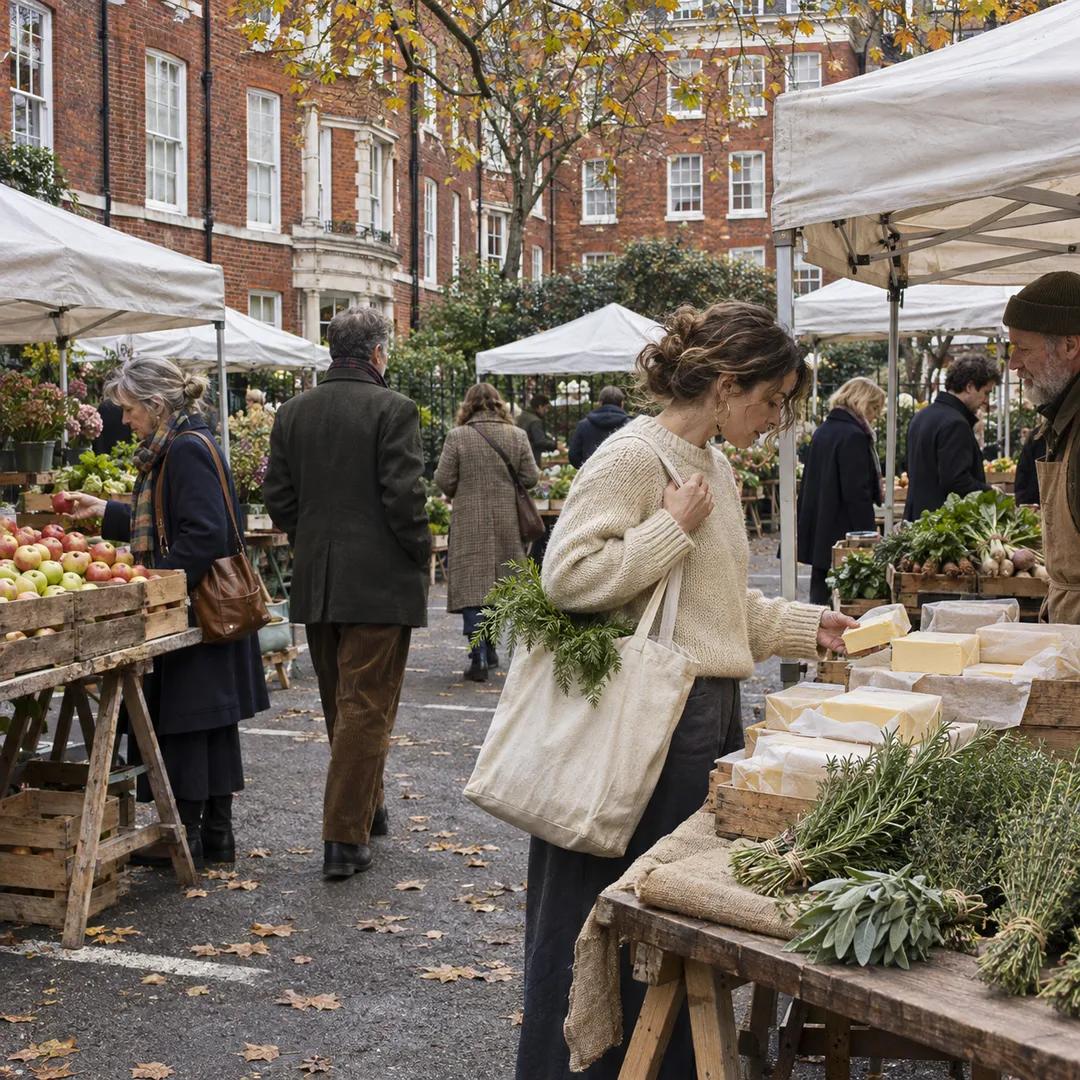
Marylebone's Sunday farmers market is a natural stop between bakeries. Producers from outside London bring fruit, vegetables, dairy and baked goods, and it is a good place to think about ingredients rather than recipes. Look for good butter, fresh eggs and seasonal apples or pears that could go into an autumn version of your bun. Small producers are often glad to tell you how they use their own butter in baking.
Carry a cool bag if you plan to buy dairy, and keep the market stop short so the buns from your first bakery do not go cold in your bag. A tip from many home bakers is to buy one ingredient you would never use otherwise, a different flour or a fragrant spice, and build your first test batch around it. The market is where those small experiments start.
A Walk Through Marylebone Between Stops
The neighbourhood is easy to walk. Marylebone High Street has a village feel, with independent shops, cafes and a much-loved shop of travel writing with long oak galleries. Turn into Paddington Street Gardens for a quiet bench and a breather between bakeries, or wander the mews streets, where old stable buildings have become homes with brightly painted doors. Moxon Street, Marylebone Lane and the quieter streets to the west all repay a slow pace.
If you have more time, Regent's Park sits at the top of the neighbourhood, and its rose garden and long avenues make a fine finish to the crawl. In late autumn the park is quieter, and a bench under the turning trees is a good place to look back over your notes and decide on the bun you will bake. The walk also helps make room for the final tasting.
Turning Your Notes Into a First Batch
Back home, choose one bakery bun as your target and write down the three things that made it special. Maybe the dough was rich and soft, the filling had cardamom, and the top was glossy with syrup. Build your recipe around those three features and leave the rest simple. Trying to copy everything at once is how home bakers end up with dense, overloaded buns that disappoint.
Bake a small test batch of six rather than a full tray, and taste them beside your notes. Change one thing at a time next round. Many home bakers find the second or third batch is when the bun finally clicks. When you want a fresh benchmark, use Karpo APP to find another cluster of bakeries in a different part of London and repeat the research walk.
Practical Notes for Research Day
Three bakeries and one market stop make a comfortable morning. Share buns with a friend so you can taste more without overdoing the sugar, and bring water. Sunday mornings in Marylebone are calm early on and busier by lunchtime, so start in good time if you want to talk to bakers rather than shout over a queue.
Be polite with questions. A baker serving a long line cannot give you a lesson, but a quiet moment at the counter often brings a generous answer. Thank them, buy something, and come back another time. The best research walks become small relationships with the people who bake, and those conversations are the real secret ingredient for anyone learning to make cinnamon buns at home.
Finally, keep the notepad. Over a season it becomes a record of every bun you tasted, every baker you chatted with and every batch that went right or wrong at home. Flip back through it before your next crawl and you will notice how your palate has sharpened, and how much more you now see in a simple swirl of dough.
Ask Karpo for more information.
Keep reading
- South Bank Quiet Coworking Cafe Finder: Thameside Desks
 Hackney Quiet Coworking Cafe Finder: Sunlit Studio Desks
 Clerkenwell Quiet Coworking Cafe Finder: Design Loft Desks