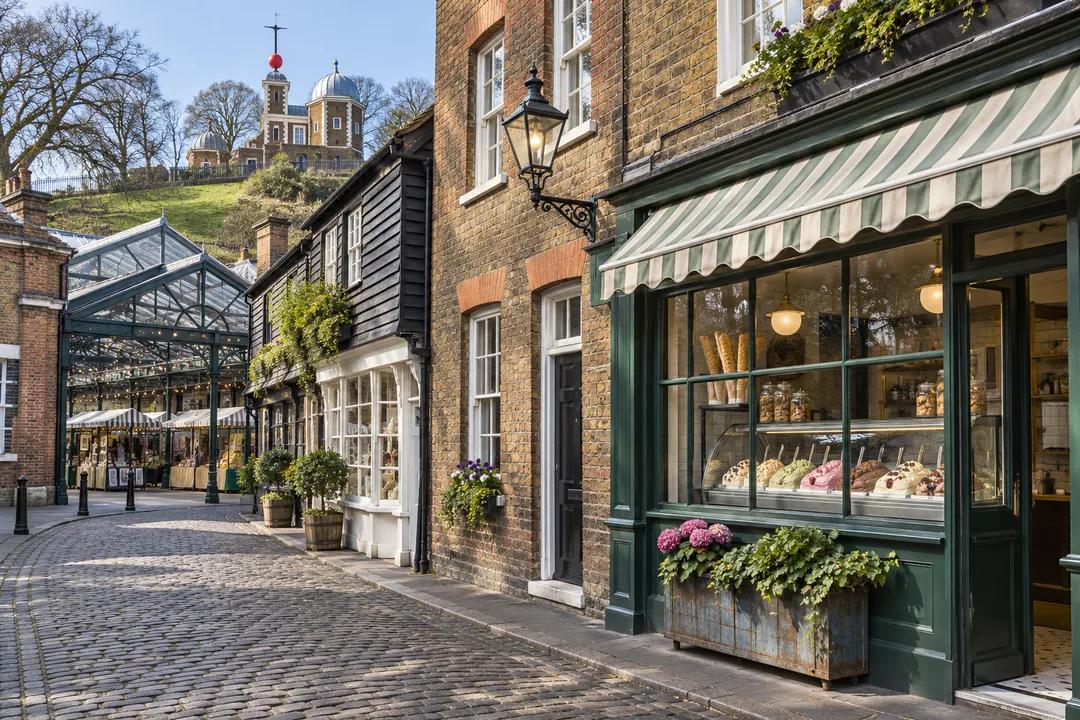
 Greenwich Gelato Shop Crawl: Market Cobbles to Park Hilltop
Coffee & Dessert
Islington Christmas Pudding Bakery Crawl: Passage to Green
Plan an Islington Christmas pudding bakery crawl from Camden Passage through Cross Street to Canonbury. Taste sherry-soaked basins and spiced custard warm.
Walking an Islington Christmas pudding bakery crawl unfolds smoothly when you enter the traffic-free flagstones of Camden Passage before antique browsers fill the alley, then zigzag north across Cross Street toward Newington Green and the quiet residential crescents of Canonbury. Every sourdough bakehouse, pastry counter, and deli window along this northern London trail serves walk-in customers with no table reservations required. Two stage managers from a theater off Upper Street recently ran this route between technical rehearsals with their visiting cousin from Derbyshire, bringing an insulated tote to compare how modern fermentation-focused bakers rework traditional steamed winter puddings. Instead of sticking to the noisy bus corridor on Upper Street, they followed back-street passages and Georgian garden squares to taste sherry-aged basins, rye-crumb variations, and toasted counter slices.
Starting in Camden Passage for Sherry-Fed Small Basins
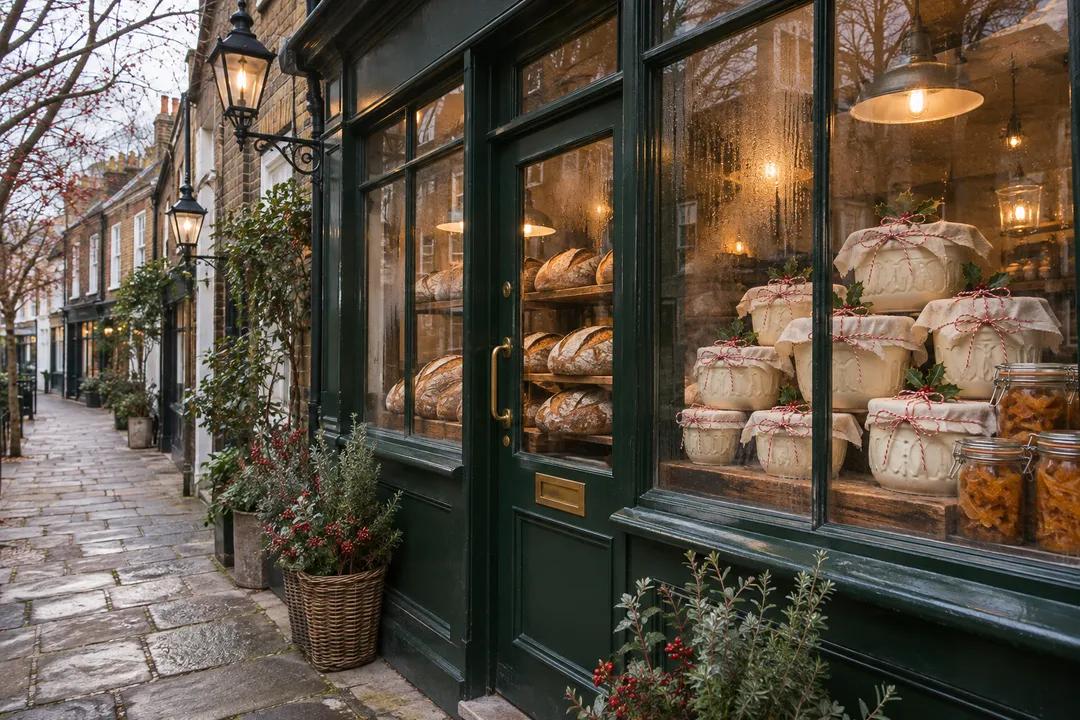
Camden Passage gives the crawl an intimate, village-scale opening because its narrow pedestrian cobbles concentrate specialist patisseries, coffee roasters, and Nordic-influenced bakehouses within a few doors of each other. Behind curved Victorian shop glass, bakers stack miniature stoneware pudding basins wrapped in unbleached linen and stamped with wax seals on the string knots. The stage managers always check the aroma drifting from the doorway: a rich perfume of Pedro Ximénez sherry, toasted coriander seed, and dark muscovado signals that the kitchen steams its own fruit macerations rather than buying pre-mixed bucket mincemeat.
Start by ordering a single warm tasting portion served in an espresso-sized ceramic cup with a spoonful of whipped mascarpone or cold crême fraîche. Because many Camden Passage bakers come from sourdough bread backgrounds, they replace white factory breadcrumbs with toasted dark-rye and heritage Khorasan levain crumbs. That fermented crumb structure absorbs the sweet sherry and black treacle without turning pasty, leaving a nutty, slightly tangy finish that pairs cleanly with a short macchiato eaten standing beside the outdoor print stalls.
Cutting Across Cross Street and Halton Crossway for Pan-Seared Slices
Where Camden Passage meets the northern end of Pierrepoint Row, cross carefully into the handsome brick terraces of Cross Street and the quiet residential pockets toward Halton Road. Neighborhood bakeries and pantry cafes along this middle stretch cater to local printmakers, architects, and off-duty stage crews who want a hot afternoon restorative rather than a boxed gift bowl. Cooks unmold cured family-sized puddings behind the counter, cut thick wedges to order, and sear both sides in foaming salted butter with a strip of fresh rosemary and orange rind.
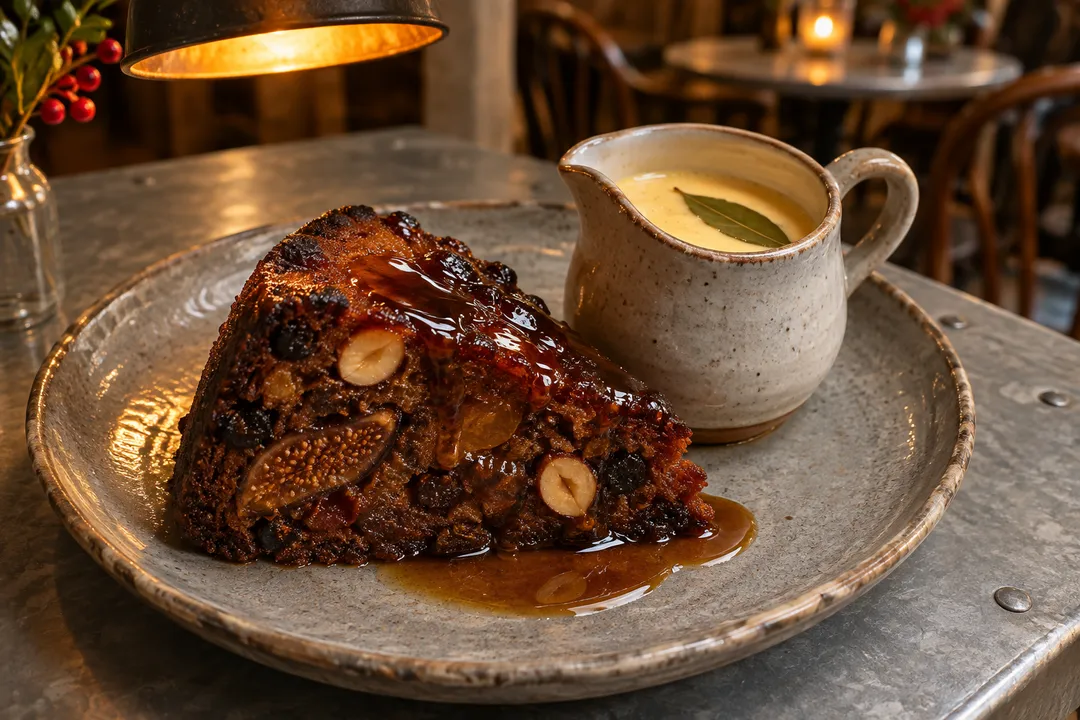
The Derbyshire cousin picked up a reliable local habit here: ask for your butter-seared slice with warm bay-leaf custard poured around the rim of the bowl rather than over the crust, and request a pinch of flaky sea salt on top. The herbal bitterness of bay leaf and rosemary cuts right through the dense dried figs, Agen prunes, and candied angelica inside the pudding. Skip the towering meringue-topped festive cupcakes and frosted brownies in the front glass case—they dry out quickly in the winter heating, whereas the steamed pudding slices stay moist to the last crumb.
Continuing Toward Canonbury and Newington Green for Heritage Grain and Nut Loaves
A brisk walk northeast past the leafy railings of Canonbury Square and up toward Newington Green brings you to independent bakehouses that treat winter puddings like aged cellar provisions. Bakers in these quieter northern quarters experiment with roasted Piedmont hazelnuts, black walnuts, dried sour cherries, and smoky lapsang souchong tea steeped alongside Cognac and dark Somerset cider. You can inspect different basin sizes lined up on pine apothecary shelves, from solo ramekins to generous bowls meant for a rehearsal-room supper.
When selecting a wrapped pudding to carry home, ask the baker whether the batter was bound with shredded beef suet, butter, or cold-pressed rapeseed oil, since each fat changes how long you need to re-steam the basin at home. Oil-and-butter versions warm through in half the time over a gentle simmering pot and release an immediate burst of citrus and clove aroma. Before wrapping up the shopping leg, the trio likes to grab a paper bag of spiced rye shortbread or bitter almond biscotti from the counter to nibble during the walk back toward the canal.
Towpath Loops and Queue-Skipping Alternatives Around Angel
Islington's interconnected squares and waterways make it easy to build a scenic digestif walk between rich tastings. From Camden Passage, drop down Duncan Terrace to the Regent's Canal towpath around City Road Lock, or loop north through the quiet gravel paths of Canonbury Square and Highbury Fields where winter plane trees frame brick Georgian villas. Walking ten minutes between stops keeps the heavy dried fruit and suet from feeling overwhelming.
If Saturday brunch crowds pack the narrow pavement along Camden Passage or a popular Cross Street window runs out of warm slices by mid-afternoon, pivot west into Barnsbury's corner bakery-cafes around Thornhill Road or head east along Essex Road toward De Beauvoir Town, where quiet deli counters steam spiced plum puddings and serve hot mulled apple juice without a queue. Opening the Karpo APP while walking across Islington Green lets you filter nearby bakeries and winter dessert spots by neighborhood, helping you map an easy backup stop before heading home.
Steaming Fermented-Crumb Puddings and Slicing for a Group Supper
Because Islington's modern bakehouses rely on coarse rye and heritage-wheat sourdough crumbs rather than fine white flour, their puddings behave differently when you reheat them in a home kitchen or backstage break room. A sourdough-crumb basin needs slightly less steaming time than a dense Victorian suet cannonball—usually ninety minutes in a gentle water bath is enough to soften the butter and wake up the Pedro Ximénez sherry, toasted hazelnuts, and dried sour cherries without overcooking the fermented grain. Always fashion a pleated foil handle beneath the ceramic base before lowering it into the pot so you can lift the steaming bowl out safely without pinching the hot linen rim.
When slicing a warm nut-studded loaf for a group, swap your smooth cake server for a long serrated bread knife wiped with a hot damp cloth between cuts. Sawing gently through the whole roasted hazelnuts and plump figs keeps the slices intact rather than tearing the delicate crumb apart. The stage managers like to set out three contrasting accompaniments on the table—cold tangy crême fraîche, warm bay-leaf anglaise, and a small dish of flaky sea salt—so everyone can dial in their preferred balance of herbal savoriness and rich winter fruit before the evening curtain call.
Ask Karpo for more information.
Keep reading
- Greenwich Gelato Shop Crawl: Market Cobbles to Park Hilltop
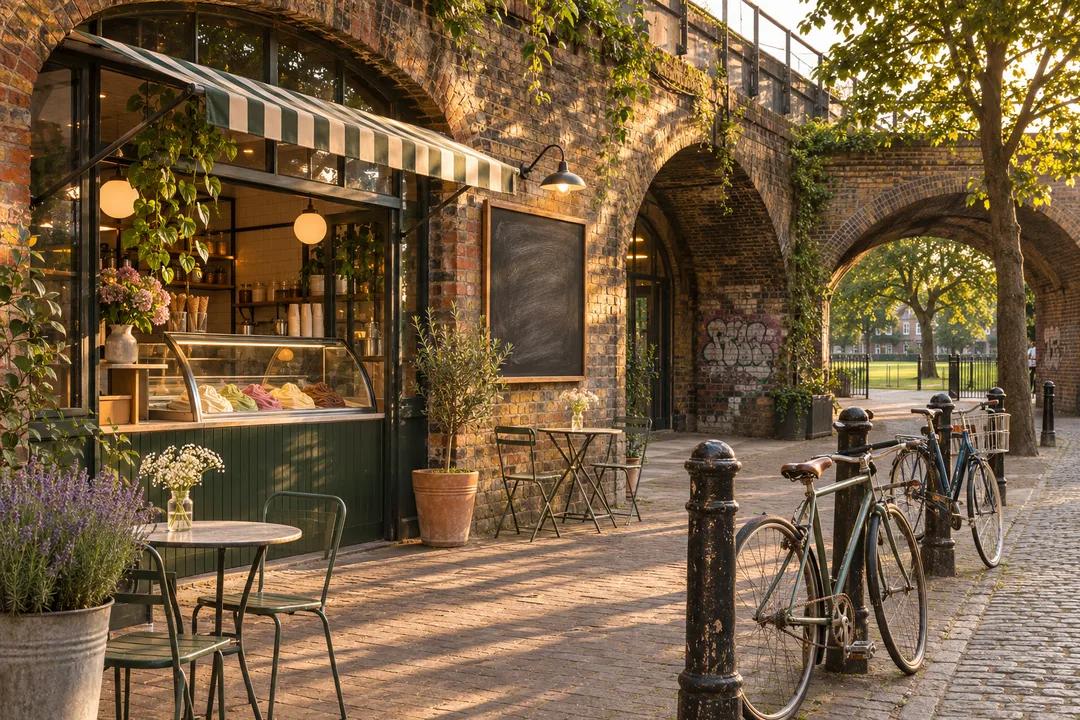 Hackney Gelato Shop Crawl: Small-Batch Arch and Park Route
 Islington Gelato Shop Crawl: Sunday Canal and Passage Walk