 Richmond Park Sunset Viewing Planner: Deer Meadow Horizons
Weekend Plans
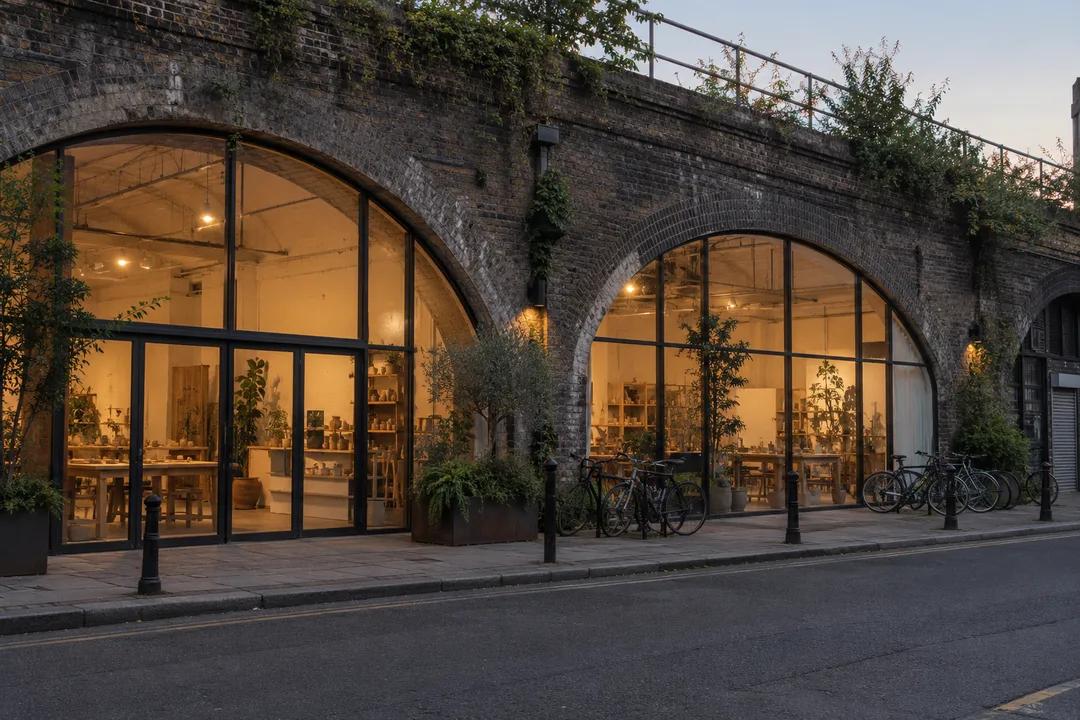
Turning Earth Ceramic Craft Studio: Hoxton 15-Hour Access
Turning Earth Hoxton at 361–362 Whiston Road offers evening access, classes and a 15-hour weekly limit in railway arches between Hoxton and Haggerston.
Turning Earth Hoxton is at 361–362 Whiston Road, London E2 8BW, in two glass-fronted railway arches between Hoxton and Haggerston. The official page calls it London’s original open-access ceramics studio and identifies it as the pilot studio. That setting changes how you plan a ceramic craft studio visit: you are not walking into a retail workshop with a fixed two-hour experience, but into a place where classes, membership, technicians and works in progress share the same creative home.

The Membership Rule That Shapes the Visit
Membership allows up to 15 hours of studio use each week, with access during the published hours: Tuesday to Thursday 10am–10pm, Friday 10am–8pm and Saturday and Sunday 10am–8pm; the studio is closed Monday. Turning Earth recommends an introductory class before membership if you are a complete beginner. The limit keeps the equipment shared and part-time, so it is worth planning two or three focused sessions rather than assuming you can occupy a wheel all day.
Start With the Learning Hub
Classes run in the Learning Hub across the road from the main studio gates on Laburnum Street. The course menu covers hand-building, wheel throwing, glazing, beginner ceramics, intermediate work, intensive courses and one-off workshops. That split is useful: the Learning Hub provides the structured demonstration, while the main arches provide the open-access setting. Read the booking confirmation closely so you cross to the right side of the road when your class begins.
What Beginners Learn Before They Join
Turning Earth describes beginner courses as covering hand-building, wheel throwing and glazing on professional-grade equipment. A one-off workshop can focus on a single project such as mugs, a planter or slip decoration, while an intensive course compresses five days of practice into one week. After that foundation, membership becomes more sensible because you already understand studio etiquette, drying times and how to clean a wheel without leaving clay in the splash pan.
Technicians, Glazes and the Useful Questions
A technician is on site to advise members about equipment and project technique. The studio says its glazes are ready-mixed and displayed with test tiles, which gives you a concrete way to choose a surface instead of guessing from a colour name. Ask which clay body the test tile uses, how much firing volume remains in your monthly allowance, and where a piece should dry. Those questions save more time than buying another tool kit on your first afternoon.
Private Tuition Has Published Prices
For a focused correction, Turning Earth lists private tuition at £30 an hour for one person or £45 an hour for two. That is a useful option when a beginner course has ended but centring, trimming or glazing still feels inconsistent. Bring one specific problem to the lesson, such as a warped rim or uneven wall, and ask the teacher to watch the complete sequence. A narrow goal makes a paid hour productive and leaves you with a repeatable practice plan.
When the Studio Gets Busy
The studio explains that equipment is usually sufficient because members arrive at different times, but asks people to limit a process to three hours if all wheels are in use. That is the quiet rule experienced members understand. Come earlier on a weekend if you need a wheel, or switch to hand-building while a wheel frees up. Christmas can be busier, according to member feedback on the site, so a weekday evening is the calmer choice for a first independent session.
Storage and Firing Make It a Real Practice
Membership includes a personal shelf of about 90cm by 45cm by 45cm, technician support with firing and up to 30 litres of set-temperature firings each month. Clay is sold on site, while extra storage can be added for a fee. Those details make Turning Earth different from a one-off paint-and-take class: unfinished work can stay in the building and develop over several visits. Label every piece clearly so a shelf remains a shared studio system rather than a mystery pile.
Hoxton and Haggerston After Clay
Hoxton Station is about a six-minute walk, and Haggerston is about ten minutes, according to the studio’s access notes. Walk along Kingsland Road after class, then turn toward the canals or the small businesses around Haggerston rather than booking an immediate second activity. The route works especially well after an evening session because the studio stays open until 10pm Tuesday through Thursday. Bring a compact tote for tools and a notebook for glaze tests; wet clay is not an ideal shopping companion.
Who Benefits From the 15-Hour Limit
Turning Earth suits a hobbyist who wants recurring access, storage and a community of makers without paying for a full-time professional production space. It is less suitable for a professional potter needing uninterrupted equipment, because the studio explicitly reserves its model for part-time use. That boundary is helpful rather than hidden: choose In Production for a career studio need, and choose Hoxton when you want a steady personal practice around work or study.
Practical Notes Before You Book
The studio lists +44 20 7729 4819 and the Hoxton address 361–362 Whiston Road, London E2 8BW. There is no studio parking, but bicycle racks are available and the arches are ground-level with wheelchair access. Book a class before arriving if you need instruction; membership is not a substitute for a first lesson. Wear layers, bring patience for drying and firing, and leave the last ten minutes for cleaning, because a welcoming ceramic craft studio depends on the next maker finding a usable wheel.
The Hoxton Choice in One Sentence
Turning Earth is the stronger search result when “ceramic craft studio near me” really means a place to keep practising. Its evening hours, published 15-hour weekly limit, shelf storage and technician support create a sustainable routine. Start with a beginner class, use the Learning Hub to learn the process, then let the Hoxton arches become a recurring appointment rather than a single novelty workshop. Its Learning Hub sits across Laburnum Street from the arches, making the first class easy to separate from later open-studio practice and technician support. Bring a small notebook for glaze names and a cloth bag for personal tools. The shared studio works best when every maker leaves a wheel, splash pan and work surface ready for the next person. That simple routine protects the welcoming atmosphere Turning Earth describes and makes a late weekday session feel as deliberate as a weekend workshop.
Ask Karpo for more information.
Keep reading
- Richmond Park Sunset Viewing Planner: Deer Meadow Horizons
 South Bank Sunset Viewing Planner: Thames Riverside Walks
 Parliament Hill Sunset Viewing Planner: London Heath Vistas