 Brixton Cozy Board Game Cafe Finder for Warm London Days
Weekend Plans
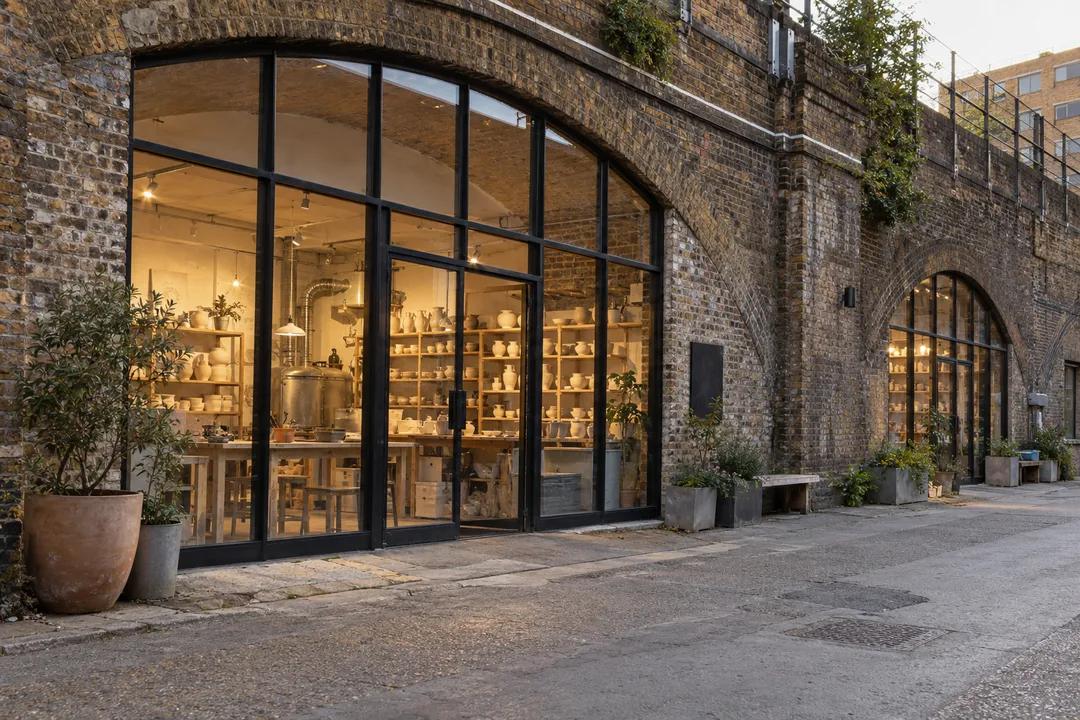
Kiln Rooms Ceramic Craft Studio: £120 Peckham Taster Tips
The Kiln Rooms at 133 Copeland Road offers a £120 Peckham taster in London with 4.5 hours of clay, firing and three to four pieces to collect later.
The Kiln Rooms at Copeland Park, 133 Copeland Road, London SE15 3SN, is a ceramic craft studio for a proper first attempt rather than a quick paint-and-leave activity. Its one-off taster costs £120 per person and lasts 4.5 hours, the official class description says materials and firings are included, and three to four pieces are fired for collection three to four weeks later. That answers the main booking question: you are paying for a guided introduction with a kiln outcome, not just an hour at a wheel. The Peckham setting also gives the session a useful rhythm: make slowly, clean deliberately, and leave room in your day for the work to become the reason you came.
Why Copeland Park changes the first impression
Copeland Park matters because it makes the studio feel like part of Peckham’s working creative landscape. The Kiln Rooms describes its Peckham base as a group of studios with classes and membership, while the taster is built for people who have never touched clay or only know the basics. That combination is reassuring: you are not being dropped into a silent professional room, but you are also not being sold a purely decorative craft experience. Expect clay, tools, demonstrations and the visible consequences of decisions. The best first-time attitude is curiosity with a little humility, a cylinder that leans is still useful evidence, and the teacher can explain why.
The £120 format, without fuzzy extras
The £120 price is unusually clear because the studio states what it covers: all materials and firings, with no additional costs for the advertised taster. The class page also separates the one-off session from the longer five-week taster course, which costs £240 per person and gives more time to repeat techniques. That distinction helps you choose honestly. Book the one-off if you want to test whether clay belongs in your weekend, choose the five-week route if you already know that one wobbly bowl will make you want another chance. The studio also lists a 20% concession for NHS staff, students and people over 65 on five-week tasters and selected longer courses, with the discount arranged by email.
What happens across four and a half hours
The four-and-a-half-hour format is long enough to include more than a photograph of a spinning wheel. The official outline says you learn wheel throwing alongside handbuilding, through demonstrations and hands-on exercises, the studio then decorates, glazes and fires three or four pieces. That sequence rewards a practical plan. Spend the opening explanation watching the teacher’s hand position, use the wheel time to make one form repeatedly instead of chasing five ideas, then treat handbuilding as a chance to add texture and shape. The class is also where you learn the unglamorous studio skills—how clay is recycled before firing, how tools are returned, and why a clean work surface gives the next maker a better start.
The small rule that saves your best pot
The most important rule is not a dramatic prohibition, it is the studio’s sustainable approach to firing. The Kiln Rooms asks students to push only their best work through the kiln because clay can be reused until it is fired, after which that material cycle changes. In practice, that means do not keep every collapsed wall out of optimism. Mark the piece you genuinely want glazed, listen when a teacher suggests cutting through a form to understand it, and accept that a smaller number of good attempts is better than a crowded shelf of weak ones. If the booking calendar is busy, arrive ready to work rather than expecting a rescheduled session, the studio’s terms say missed or late arrivals cannot simply be replaced with another studio slot.

A useful first project, not a souvenir stunt
For a first project, I would choose a small cylinder or a handbuilt cup rather than an ambitious vase. The taster’s value is in learning to centre, pull and read the wall thickness, then applying a different kind of control with slabs, coils or texture. A cup also gives you a useful test of proportion: does the rim feel comfortable, is the handle placed where a thumb naturally lands, and can the piece survive being moved? The studio’s class structure gives you enough time to compare techniques, so use the wheel for repetition and handbuilding for personality. The most satisfying souvenir is not the most complicated object, it is the one that shows exactly what you learned.
Firing is part of the experience
The wait after the lesson is not an administrative footnote. The official page says three to four pieces are fired and glazed, then collected three to four weeks later, which means the session has a second chapter. Photograph your work before leaving if the studio allows, note the date and keep the collection window in your London calendar. When you return, look for what the glaze did to the shape rather than expecting a perfect catalogue finish. Clay shrinks, surfaces change and small irregularities become part of the story. If you are travelling, ask about collection before booking, the published process assumes a later pickup, so this is easier for a London resident or anyone with a return date.
A Peckham walk after the clay dries
After the clay, stay around Copeland Park instead of rushing straight to the Overground. Peckham is at its best when you let the industrial edges and smaller creative spaces lead the walk. Make the studio your anchor, then wander through the park’s lanes and continue toward Bellenden Road for a change from workshop dust to street-level cafés and shopfronts. The point is not to turn the afternoon into a checklist. Give your hands time to stop feeling busy, and use the walk to notice surfaces—brick, painted metal, worn wood—that can feed the next ceramic idea. If rain arrives, shorten the route and treat the return trip as part of the studio day rather than a failure of planning.
Practical details before you book
Before booking, save the official address exactly as Copeland Park, 133 Copeland Road, London SE15 3SN. The taster page separates Peckham from Farringdon and Islington booking links, so select the Peckham option rather than assuming a general London class will meet here. Wear clothes that can take clay, keep nails practical, and bring a bag with space for the eventual collection. Most importantly, reserve the whole block: 4.5 hours is the product, not an inconvenient delay between sightseeing stops.
Who will enjoy this taster most
This is a strong choice for a beginner who wants a real introduction to ceramics, a couple of friends who can laugh at imperfect cylinders, or a returning maker deciding whether to commit to a course. It is less suitable if you need a finished object the same evening, cannot return for collection, or want an unstructured drop-in with no teaching. The studio’s price is easier to judge because materials and firing are included, and the later pickup gives the work a useful sense of consequence. If you want the social energy of a creative Peckham base but still need a clear path through the class, The Kiln Rooms does that better than a generic paint-your-own activity.
The honest Kiln Rooms verdict
My honest verdict is to book this when you want the process to matter as much as the pot. The £120 taster is a substantial half-day commitment, but the inclusion of materials, firing and three to four collected pieces makes the offer legible. Go in prepared to discard weak forms, keep your best one, and learn from what the kiln changes. If you are comparing London ceramic craft studios, use the Karpo APP to plan the rest of a Peckham day around the class rather than squeezing the class between fixed appointments. The Kiln Rooms earns its place because it makes a first attempt feel like the beginning of a practice, not a one-off photo opportunity.
Ask Karpo for more information.
Keep reading
- Brixton Cozy Board Game Cafe Finder for Warm London Days
 Islington Cozy Board Game Cafe Finder for Calm London Days
 Hackney Cozy Board Game Cafe Finder for Rainy London Days