 Richmond Park Sunset Viewing Planner: Deer Meadow Horizons
Weekend Plans
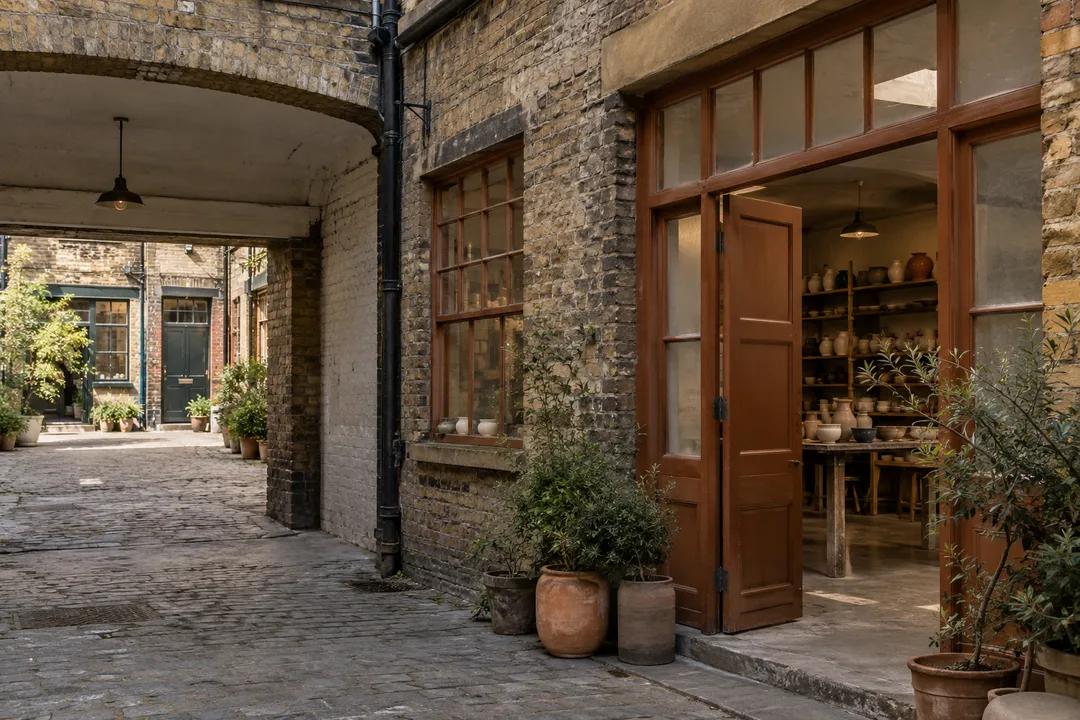
Crown Works Pottery Ceramic Craft Studio: Ten-Person Classes
Crown Works Pottery at 11 Crown Works, Temple Street, London E2 6QQ is a working Bethnal Green studio led by potter Giulietta Hextall. Classes are capped at ten people, with separate wheel-throwing and hand-building rooms taught by professional artists.
Crown Works Pottery is at 11 Crown Works, Temple Street, London E2 6QQ, tucked into an old Victorian mews near Bethnal Green. The studio’s own description is unusually specific about the setting: soft tones, artists’ work at different stages and a working pottery rather than a blank classroom. Put the full Crown Works address into your route plan and allow time to identify the mews entrance. A ceramic craft studio hidden in a passage rewards a calm arrival more than a rushed one.
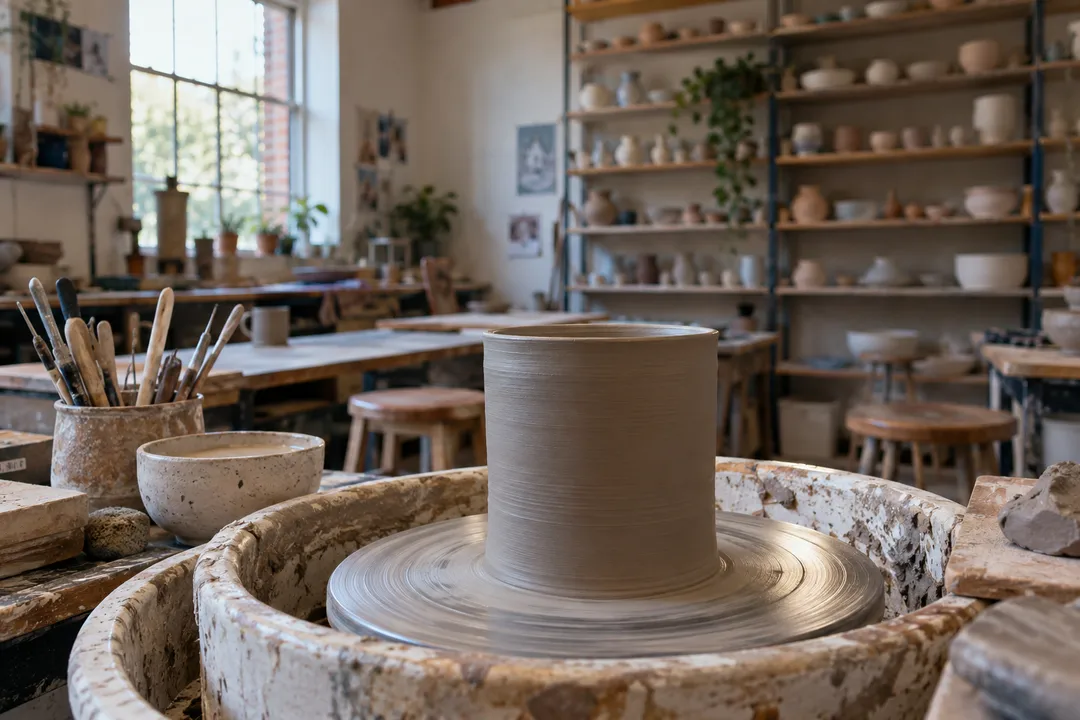
A Ten-Person Cap Changes the Class
Crown Works keeps classes to a maximum of ten people. That limit is practical for wheel throwing, where every student needs a clear sightline to the teacher and enough room to wedge clay without bumping a neighbour. It also means you can ask a follow-up question after a demonstration instead of waiting through a crowded queue. Bring one goal, such as making a stable cylinder or learning a clean pinch pot, and the small group gives the teacher a useful target.
Two Rooms, Two Ways Into Clay
The studio has two main teaching rooms, one dedicated to throwing on the wheel and one to hand-building. Crown Works says each room has teachers who specialise in that discipline, so a hand-building session is not treated as a lesser version of wheel class. If you are choosing between options, decide whether you want the pressure of a rotating form or the slower construction of slabs, coils and pinched surfaces. Both are real ceramic craft skills, but they ask for different patience.
The Teachers Are Working Potters
Crown Works lists 21 potters and artists who regularly teach, and says its classes are taught by professional full-time potters or artists. The benefit is visible in the kind of questions you can ask: how a rim survives drying, why a wall cracks, or how a glaze changes on a particular form. Listen for the teacher’s sequence rather than copying only the hand movement. A working maker can explain the decision behind a technique, which is more valuable than a perfect demonstration you cannot repeat.
Which Format Fits Your Weekend
The class menu includes two-hour tasters, weekly courses, one-day, two-day, three-day and five-day workshops, foundation courses and specialised classes. That range makes Crown Works a useful choice for different levels of commitment. A taster is a low-risk introduction, while a foundation course gives you enough continuity to understand drying and glazing. A specialist workshop is better when you already know the basic vocabulary and want to spend the whole day on one process instead of dividing attention.
The Mews Works Like a Small Community
The studio describes students calling it their “happy place” and “home from home,” but the more concrete reason is that full-time makers work alongside classes. You can see bespoke ceramics and developing practices while your own piece is still rough. Respect that shared room: keep tools on your side, clear clay from the table and ask before touching a work in progress. The quiet etiquette lets a visitor observe the working pottery without turning someone else’s bench into a display.
Throwing Advice for a First Session
Begin by wedging enough clay for one manageable form, then centre it before worrying about height. Keep your elbows supported and use less water than instinct suggests; a flooded surface makes a weak wall. If a cylinder starts leaning, compress the rim and stop rather than forcing it taller. Crown Works’ separate throwing room gives you a clear environment to practise these steps. A teacher can help more when you describe which stage failed instead of apologising for the finished shape.
Hand-Building Is Not the Backup Plan
The hand-building room deserves equal attention. Coiling, pinching and slab assembly let you build forms that do not depend on a perfectly centred lump, and they make surface marks part of the design. Ask how thick a base should be and where joins need scoring and slip. If the wheel feels frustrating, switch methods with intention; a hand-built cup or sculptural tile can reveal what your hands understand about clay. Crown Works’ teaching structure supports that choice instead of treating it as a consolation.
Plan the Walk Around Temple Street
Bethnal Green gives you an easy before-or-after route without requiring another ticket. Walk toward the local market streets and the green space around Museum Gardens, then return to the mews for collection or a second class. Keep the outing light if you are carrying wet work or tools. The best companion stop is somewhere you can sit and talk through the session’s failures, because remembering why a form collapsed is how a one-day class becomes useful practice.
A Straight Answer on Suitability
Crown Works is a strong fit if you want instruction from professional artists, a ten-person ceiling and a studio that still makes work in front of students. It is not the right choice for someone expecting an open drop-in table with no booking or a guaranteed finished pot the same afternoon. Choose a taster for a first contact, then use a weekly or foundation course if you want technique to settle. The booking calendar is the practical next step.
Practical Notes and Contact
The official contact details list Crown Works Pottery at 11 Crown Works, Temple Street, London E2 6QQ. Book the exact date and class type because the studio runs separate throwing and hand-building rooms. Wear clothes that can take clay, arrive early enough to locate the mews and leave the table clean. The studio’s atmosphere depends on many makers sharing a small place, so considerate cleanup is part of the experience.
Why This Studio Stands Out
Search results for ceramic craft studio near me often flatten every pottery class into the same promise. Crown Works is more specific: a Victorian mews, a ten-person limit, two specialist teaching rooms and a community of working potters. That combination makes the studio useful for a visitor who wants both a memorable setting and real technique. Go for the format that matches your attention span, listen to the teacher’s reasoning, and let the first imperfect pot be evidence that you actually worked with clay. The Victorian mews setting and working resident makers give each booked session a clear sense of place, while the small class keeps technical questions moving.
Ask Karpo for more information.
Keep reading
- Richmond Park Sunset Viewing Planner: Deer Meadow Horizons
 South Bank Sunset Viewing Planner: Thames Riverside Walks
 Parliament Hill Sunset Viewing Planner: London Heath Vistas