 Brixton Christmas Light Up Walk Planner: Rainy Arcades
Free Things to Do
Camden Canal Towpath Walk Planner for Would-Be Boat Dwellers
Use this Camden canal towpath walk planner if you dream of living on a narrowboat: watch the twin locks, read boats and walk past the zoo with boater manners.
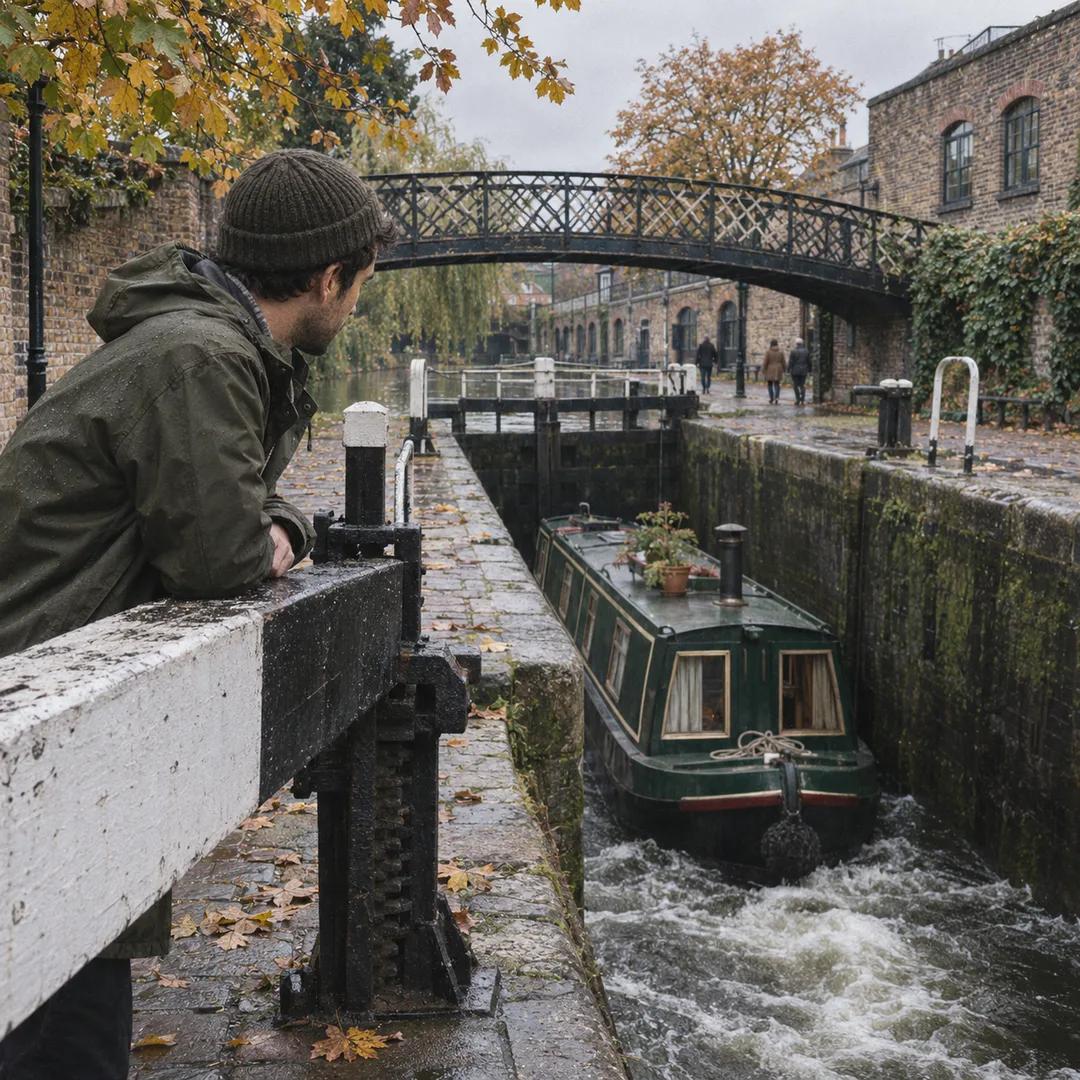
Every week someone stands at the lock in Camden, watches a narrowboat rise through the churning water and quietly wonders whether they could live like that. If that sounds like you, the towpath here is the right place to start finding out. This canal towpath walk planner turns a Camden morning into a gentle field trip: watching the locks, reading the boats, talking to the people who live on them and walking the water with honest questions in mind.
Why Camden Is the Place to Start
Camden sits on one of the busiest stretches of the Regent's Canal, which means plenty of boats moving, mooring and working the locks. The famous lock by the market is a pair of locks side by side, a rare arrangement on this canal, so on a good morning you can watch two boats rise and fall at once. Crowds gather on weekends, but early on a weekday it feels almost like a village.
For a would-be boater, Camden also shows the whole range of canal life in a short walk. There are shiny hire boats, tired old working boats, floating businesses and long-term homes with wood stacked on the roof. Seeing them all together quickly corrects any postcard image you might have, and it gives you real questions to ask before you ever look at a boat for sale.
Watching a Boat Work the Lock
Stand to one side of the lock, away from the gates, and watch a full cycle before you do anything else. A crew member usually walks ahead with a windlass, the metal handle that winds the paddles. Gates open, the boat slides in, gates close, paddles lift and the water starts to boil. It is slow, physical work, and it tells you a great deal about the life you are imagining.
Notice who does what. Often one person steers while another runs between the gates, and solo boaters must do everything themselves, climbing on and off with a rope in hand. Do not lean on the balance beams or touch the ropes unless someone asks for help. If a crew looks relaxed and the boat is safely in the chamber, a short question about the work is usually welcome.
Learning to Read a Liveaboard
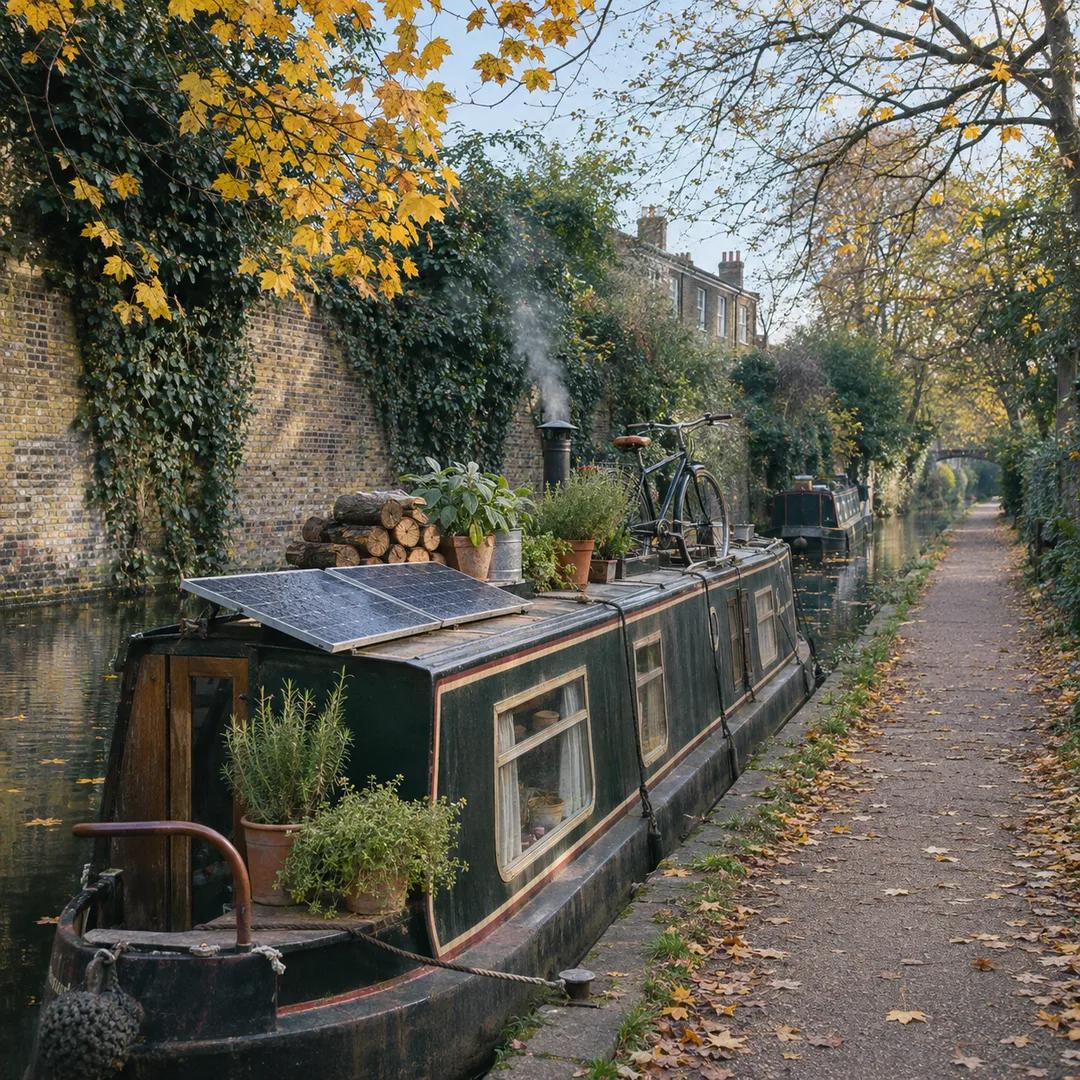
As you walk east from the market, look closely at the moored boats. Solar panels on the roof, a stack of logs, a bicycle chained to the rail and a small herb garden all suggest someone lives aboard all year. A chimney with a thin line of steam in cold weather means a stove inside. Water containers and coiled hoses hint at the constant small jobs that come with the life.
Count how many boats look truly cared for and how many look battered by winter. Both tell you something useful. A boat is a small home that needs regular painting, engine care and pumping out, and the canal is not always gentle. Many boaters move along the network often rather than staying in one spot, so the boat you admire this week may be somewhere else entirely by the next.
Talking to Boaters Without Intruding
Most people who live on the canal are happy to talk about it, within reason. Wait until someone is visibly outside and not in the middle of a job, then start with a small, genuine compliment about the boat. Ask one open question, such as what surprised them most in their first winter, and listen. Avoid asking what a boat costs or peering through the windows into a private home.
Take the answers seriously. You will often hear about cold mornings, finding water points, damp clothes and the joy of waking up somewhere new. Some will tell you it changed their life; others will say it is harder than it looks. A good conversation leaves you with a clearer picture and sometimes the name of a friendly forum or meetup where new boaters swap advice.
East Through the Quieter Locks
Beyond the market, the canal grows calmer as it heads east through a series of smaller locks toward King's Cross. Old warehouses, newer flats and patches of wild green line the path. This is a good stretch to imagine an ordinary day afloat: moored by a quiet wall, shopping on foot and walking back with heavy bags along a narrow path, which is far less romantic but very real.
Walk slowly and stop at each lock you pass, even if no boat is moving. Look at the worn stone edges, the iron rope marks on the bridges and the numbered gates. These details show how long the canal has been a working route. If you see a fuel boat selling coal and diesel from the water, that is one of the quiet services that keeps the floating community going.
West Toward the Zoo and the Park
Turn back past the market and follow the towpath west under a run of bridges, where the canal curves toward Regent's Park. The noise of Camden fades quickly. Tall trees hang over the water, grand villas appear above the banks and, on the zoo stretch, you can glimpse the great mesh aviary rising over the canal. It shows another side of boat life, slow and leafy.
Moorings are scarcer here, and the water feels more like a park than a street. Picture spending a long summer evening tied up under the trees, and then picture the same spot on a wet February night. Both are true, and a good walk lets you hold them together. When you reach the edge of the park, you can climb up to the paths above or retrace your steps.
Practical Notes for Your Walk
Choose a weekday morning if you can. Weekends in Camden bring heavy crowds near the market bridges, and the towpath becomes slow and noisy. Wear shoes with grip, because the stone edges by the locks can be slick, and keep children and dogs well back from open lock chambers. Cyclists use the path too, so walk on the inside and step aside at narrow bridge holes.
Bring a small pocket pad and pen to note boat types, questions and anything boaters tell you. A flask of tea and a warm layer help in autumn, when the wind runs cold along the water. If you plan to stay until dusk, remember that the path is unlit in places, so head back to the market streets while there is still enough light.
Turning Curiosity Into a Plan
One walk will not decide whether boat life suits you, but it will sharpen your questions. Come back in different weather and at different times of day. Many people hire a boat for a short holiday before buying, which is a sensible next step, and some volunteer with canal groups to learn the locks properly. Each visit adds a little realism to the dream.
The Karpo APP can help you plan the next round of research. Ask it for other canal stretches and lockside walks around London, save the ones you want to compare and keep a list of cafes near the water where you can sit and write up notes. Treat it as a slow project, and let the canal show you who you might be on board.
Ask Karpo for more information.
Keep reading
- Brixton Christmas Light Up Walk Planner: Rainy Arcades
 Hackney Christmas Light Up Walk Planner: Canal Boats
 Islington Christmas Light Up Walk Planner: Square Dates