 Richmond Park Sunset Viewing Planner: Deer Meadow Horizons
Weekend Plans
London Canal Boat Trip: Museum Tunnels And History
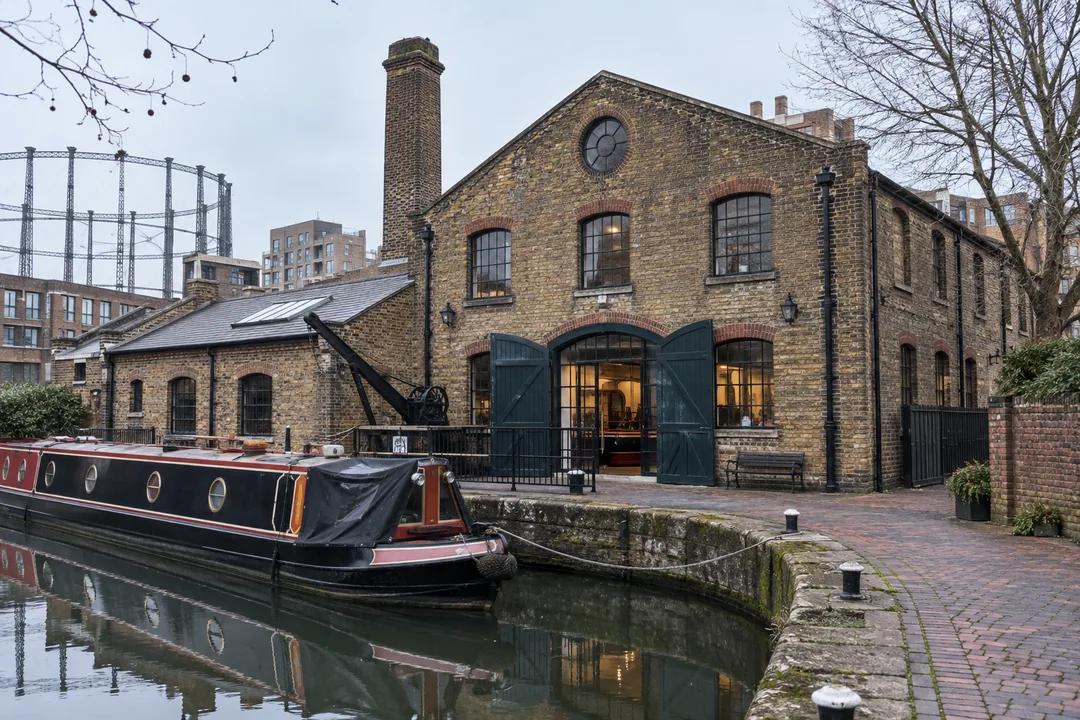
London Canal Museum at 12-13 New Wharf Road, London N1 9RT combines canal history with seasonal boat trips through King’s Cross waterway stories.
London Canal Museum is at 12-13 New Wharf Road, London N1 9RT, and its official boat-trip page frames the experience around a museum visit and seasonal sailings. The attraction is unusual among canal boat trip near me results because the history begins before you board: the building, exhibits, and waterway explain why narrowboats mattered to London’s trade. Boat trips run in a defined season from March to the end of October, with winter trips in December, so the timing is part of the story. Give yourself enough room for the museum and the boat rather than treating either as a quick add-on.
Start At New Wharf Road
Use 12-13 New Wharf Road, London N1 9RT as the arrival point and begin inside the museum before heading to the boat. King’s Cross has changed dramatically, which makes the canal history easier to appreciate when you see the old working context first. The museum setting gives the trip a clear anchor: you are not simply boarding a leisure craft, but following a route shaped by freight, warehouses, and water management. Arrive with time to read the introductory displays and find the boat-trip meeting instructions. The address uses a numbered range, so keep both numbers in your map notes and avoid relying on a nearby station name alone.
Why The Museum Makes The Ride Better
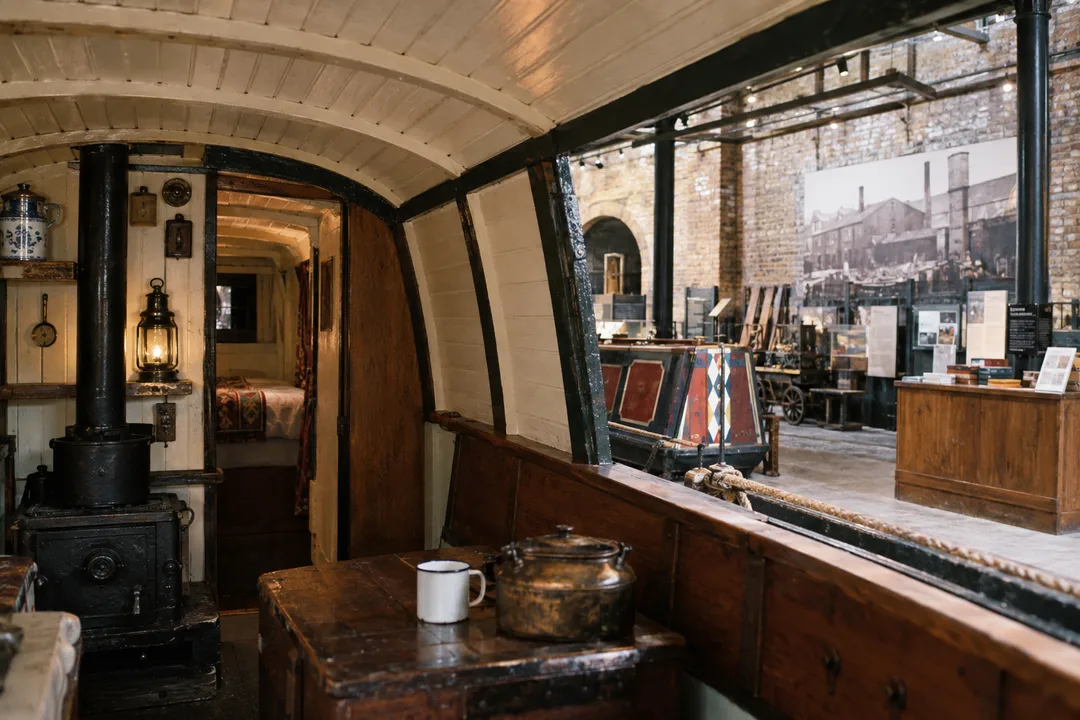
Exhibits about cargo, working boats, and canal labour give the water outside a human scale. Once aboard, details that might otherwise look decorative—low ceilings, timber fittings, rope work, and the narrow passage between bank and hull—read as practical solutions. The museum’s boat-trip page identifies a seasonal programme, which means the ride is tied to a particular part of the year rather than promised as an undifferentiated daily attraction. Listen for how the crew connects the route to canal history, then look at the same structures with your own eyes. The strongest visit alternates between information and observation: one display, one view, one question carried onto the boat.
Seasonal Planning And Boat Behaviour
The published season runs from March to the end of October, with winter trips in December. That calendar shapes the experience. A spring or autumn trip suits visitors who want softer light and fewer heat issues inside a narrowboat, while a December outing carries a more concentrated winter atmosphere. Whichever period you choose, wear a layer that works both in the museum and beside the water. Keep the boat’s passage clear, listen to safety directions, and avoid standing whenever the crew asks passengers to remain seated. Historic surroundings do not make the vessel a free-for-all; the same narrow dimensions that create atmosphere require patience and awareness.
King’s Cross Waterway Walk
The museum’s location makes a short canal-side walk a natural continuation. Before or after the trip, follow the water far enough to see how the old industrial route meets the redeveloped King’s Cross landscape, then return while the museum details are still in mind. Keep the walk close to the canal rather than adding a distant landmark that competes with the story. The best route is a sequence of small observations: brick edges, mooring points, bridges, and the changing height of the towpath. That visual comparison helps children and adults understand that London’s waterways are infrastructure first and scenery second.
Practical Notes For London Canal Museum
The official boat-trip page is the source for the address, the March-to-end-October season, and the December winter trips. Use the full 12-13 New Wharf Road, London N1 9RT address in directions. I would skip treating this as a last-minute filler between unrelated King’s Cross plans; the museum and boat are designed to reinforce one another, and rushing the exhibits weakens the payoff. Bring a warm layer, allow time for the seasonal departure pattern, and let the historical context change what you notice on the water. This is the canal trip for visitors who want a story attached to every bridge and rope.
The museum’s boat trips are strongest when you treat the exhibits as preparation rather than a separate attraction. Read enough to understand why canals were built, what cargo moved along them, and how crews lived with limited space. Then notice those facts in physical form: the low roof, the narrow beam, the ropes, and the careful manoeuvre around a bend. This approach also helps children stay engaged because the boat becomes an answer to questions raised indoors. Adults often appreciate the same sequence for a different reason: it turns an abstract history lesson into a sensory experience of scale and movement. The seasonal calendar makes the visit feel intentional. A March-to-end-October trip belongs to the long outdoor day, while a December sailing belongs to a shorter, more concentrated winter plan. Either way, allow time to return to one museum display after disembarking. The most memorable detail may be something you noticed only after seeing the waterway itself. Keep New Wharf Road as the anchor, leave room for the canal-side walk, and let the museum’s evidence guide what you look at next. The museum gives the boat trip a vocabulary: cargo, labour, locks, and the practical limits of a narrowboat. Carry one fact from the displays onto the water, then return to the building with a sharper eye. That loop is the reason this King’s Cross outing feels more substantial than a quick cruise. The museum’s setting also changes how the seasonal calendar feels. A spring or early autumn visit can combine the boat with a longer daylight walk, while a December trip suits visitors who prefer a shorter route with the museum as the warm centre. Put the address in every shared message because New Wharf Road is easy to confuse with the larger King’s Cross redevelopment. Once inside, read the labels that explain the canal’s working life, then step aboard with one question in mind: what would it have meant to live or work in this narrow space? The boat’s dimensions make the answer physical. You notice where shoulders turn, where luggage would sit, and how quickly a bridge fills the view. That is why the museum is more than a backdrop. It supplies the evidence that turns a pleasant ride into a specific London story. Keep the walk afterward close to the water, and give everyone time to name one detail they would have missed without the museum first.
Ask Karpo for more information.
Keep reading
- Richmond Park Sunset Viewing Planner: Deer Meadow Horizons
 South Bank Sunset Viewing Planner: Thames Riverside Walks
 Parliament Hill Sunset Viewing Planner: London Heath Vistas