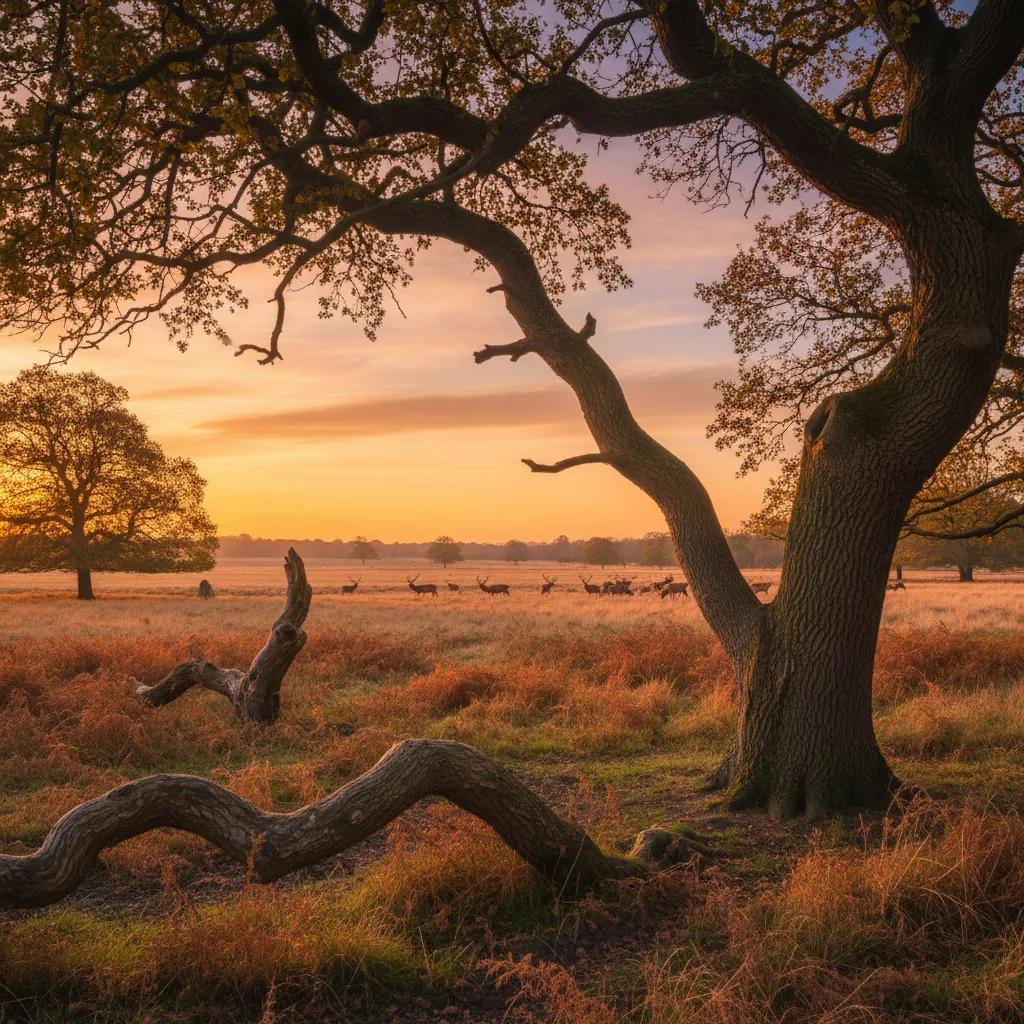
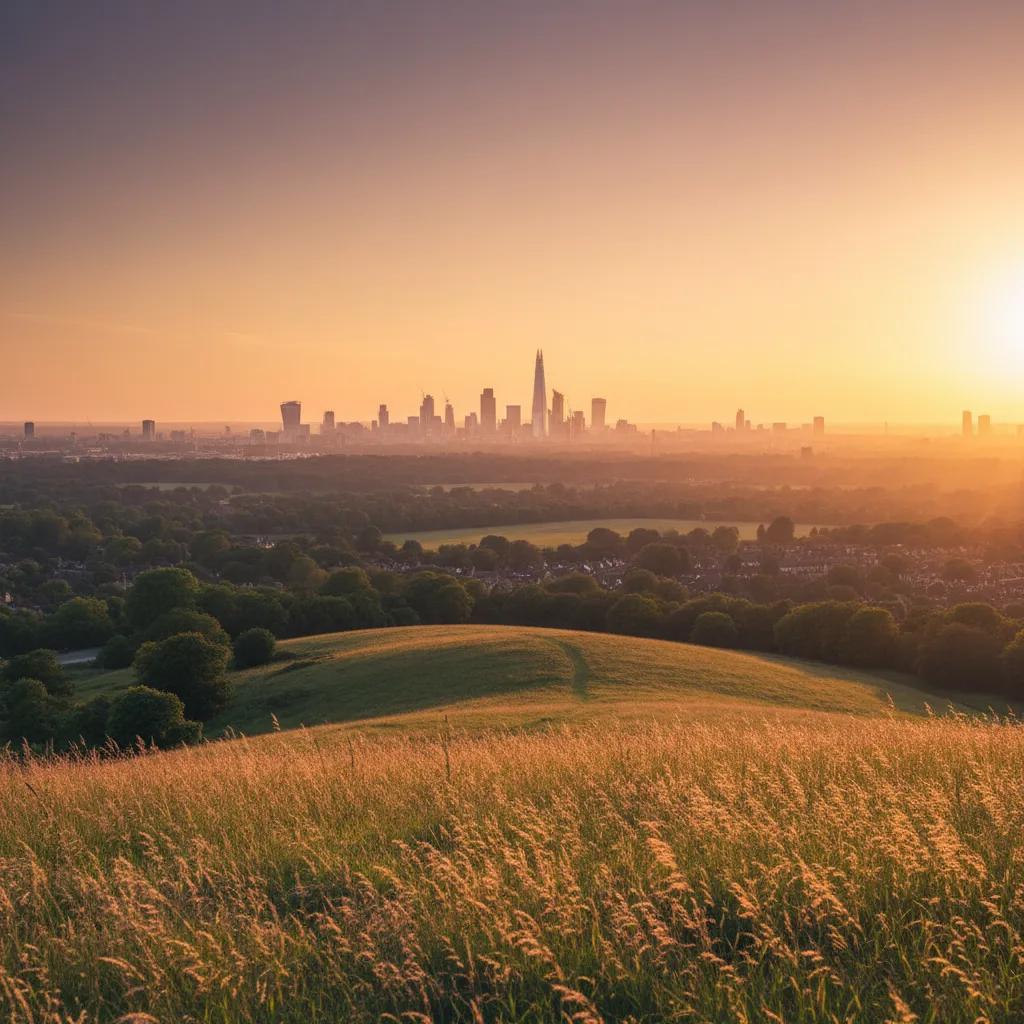
 Richmond Park Sunset Viewing Planner: Deer Meadow Horizons
Weekend Plans
Jason’s Trip Canal Boat Trip: Morning Rides Without Crowds
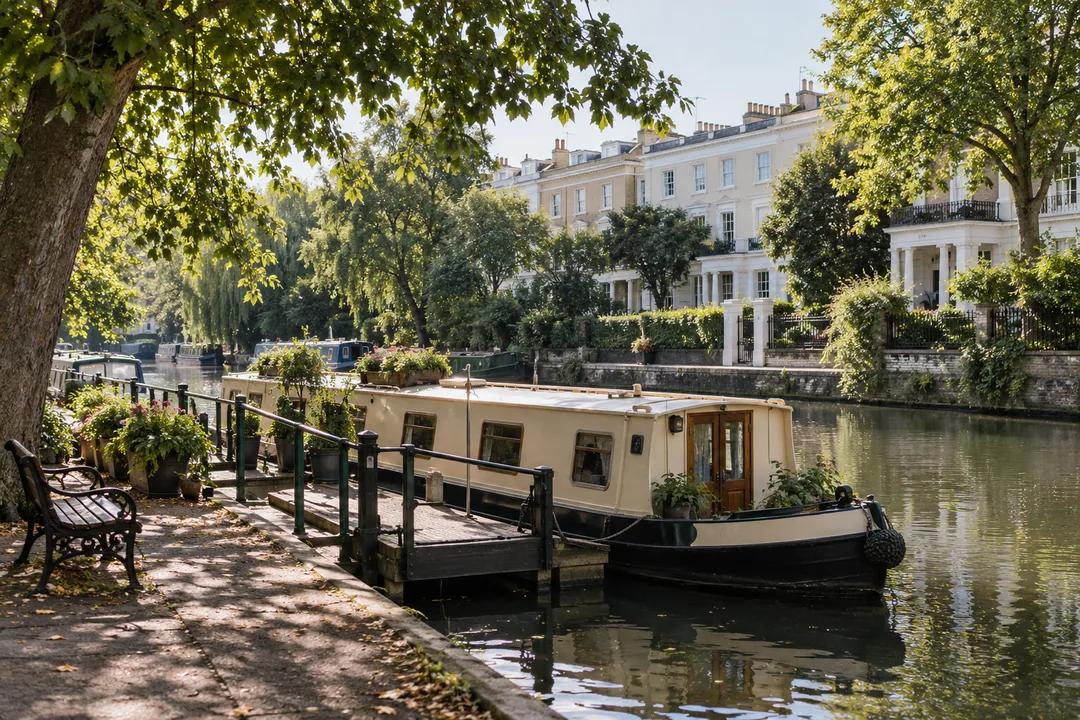
Jason’s Trip boards opposite 42 Blomfield Road in Little Venice, London W9 2PF. Arrive early for a relaxed Regent’s Canal ride and a clear window seat.
Jason’s Trip boards opposite 42 Blomfield Road, Little Venice, London W9 2PF, beside the Westbourne Terrace Road Bridge. That precise meeting point matters: the boat leaves from the canal edge rather than a generic marina entrance. A canal boat trip here is measured in bridges, houseboats, and changing water views, not in a checklist of landmarks. Arrive before the boarding rush, keep your ticket details ready, and take the side of the boat with the clearest view of the towpath. The company’s site presents the ride as a Little Venice experience, so the best plan begins at the basin and lets the canal set the pace.
Finding The Boarding Point
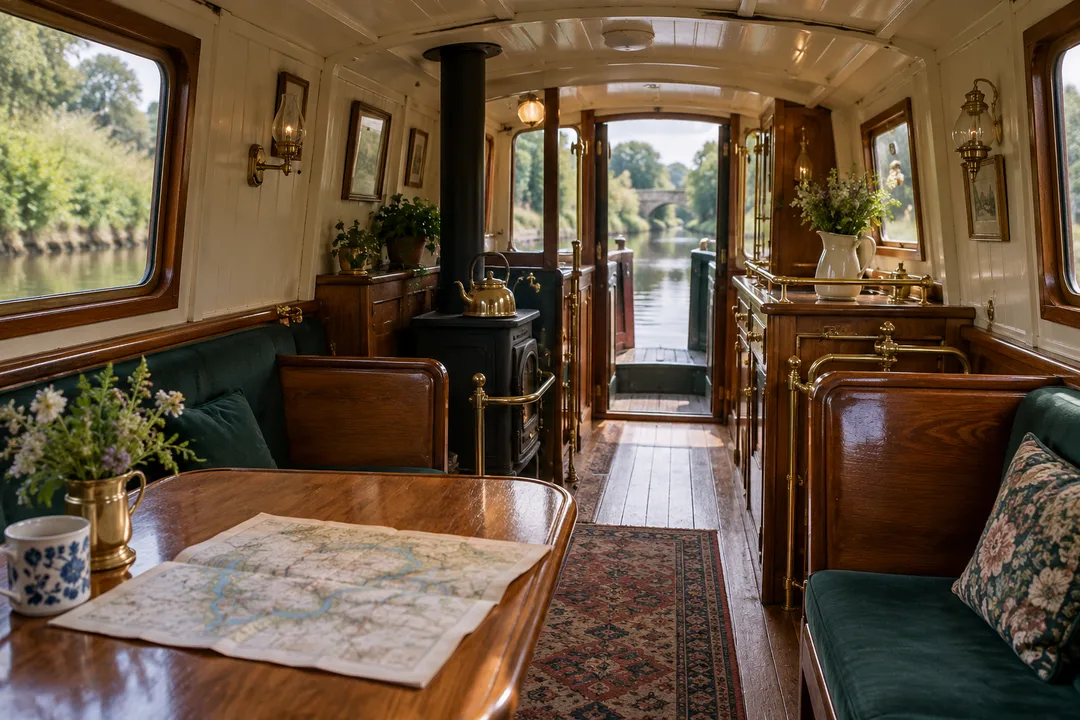
Little Venice is a compact patch of water, towpath, and painted narrowboats, yet first-time visitors can still walk past the right place while looking for a large terminal. Use 42 Blomfield Road as the map anchor, then follow the water toward Westbourne Terrace Road Bridge. The boarding point is opposite that address. The visual cues are practical: canal railings, mooring lines, and a low bridge are more useful than a shop sign. Build in ten minutes to orient yourself, especially if you are coming from Paddington with luggage or a child. A narrowboat trip rewards arriving settled; Rushing down the towpath leaves you distracted before the first bend. Keep the edge clear for people getting off, and let staff indicate where the queue forms.
What The Little Venice Route Feels Like
Jason’s Trip is strongest as a slow landscape experience. From the basin, the boat threads a waterway lined by houseboats, plane trees, brick walls, and occasional glimpses of gardens behind the towpath. The low bridges compress the view for a moment, then open it again. That rhythm gives the ride its character: a short tunnel-like passage followed by a broad stretch where you can watch walkers and cyclists move at a different speed. Sit where you can see forward as well as sideways. The front-facing view helps you read the bends, while a side seat catches details such as painted trim, mooring posts, and reflections under the bridge. The scenery changes subtly, so the ride suits people who prefer observation to loud commentary.
A Calm Boarding And Seating Routine
The simplest way to avoid friction is to arrive with your group already organised. One person can hold the booking information while the others leave space for passengers stepping ashore. Once aboard, stow bags under the seat rather than blocking the aisle or doorway. Window seats are useful for photographs, but keep arms inside the boat when passing walls and bridges. The canal is a shared working space as well as a leisure route, so voices carry; Quiet conversation makes it easier to hear the crew’s safety instructions. If you are travelling with children, give them a bridge-counting game instead of letting them move around the cabin. That small rule protects balance and keeps the trip pleasant for the whole boat.
A Walk Before Or After The Boat
Little Venice is an easy place to extend the outing on foot. Before boarding, take the towpath around the basin and look at the different houseboat designs; The loop is short enough to leave without risking the departure. After the ride, walk toward the green space beside the water and let the canal perspective continue. The area works particularly well for a two-part afternoon: boat first, then a slower towpath walk while the route is fresh in your mind. Keep the walk close to the canal rather than adding distant detours. The point is to notice how the same bridges and moorings look from land after you have passed them from the water.
Practical Notes For Jason’s Trip
Use the full meeting description—opposite 42 Blomfield Road, beside Westbourne Terrace Road Bridge—when sharing directions. Wear shoes that handle a damp towpath and bring a light layer; The breeze is cooler on the canal than on the surrounding streets. Keep phones and cameras ready before a bridge arrives, but do not let photographing the view turn into a blocked aisle. The official Jason’s Trip website is the source for the boarding point and the service itself. A useful judgment is to skip a rushed arrival: Little Venice is compact, and ten calm minutes by the water is more valuable than sprinting aboard while everyone else is finding the queue. If you want a gentle London reset rather than a narrated attraction, this is the boat trip to choose.
One useful way to read this ride is as a reset of scale. Little Venice is close to major roads and busy stations, yet the canal asks you to notice small intervals: a gap between moored boats, the shadow under a bridge, a cyclist waiting for space, or the moment the towpath becomes quiet. Those details give the journey a specific texture that a generic sightseeing cruise cannot reproduce. If you are planning with friends, decide in advance whether the outing is about conversation, photography, or simply being outside; The boat supports all three, but each group behaves better when the intention is clear. A photographer should pick a side and stay aware of other passengers. Friends catching up should keep voices low near the crew. Parents can turn the route into a geography lesson by asking children to spot how water, road, and pedestrian paths cross. The official boarding description remains the important practical fact, while everything else is an invitation to pay attention. Little Venice is at its best when you resist filling every minute. Leave the boat with one visual memory—a bridge, a painted hull, or a line of trees—and let that be enough. Little Venice rewards restraint: the canal is close enough to the city to feel accessible, yet its small details create a distinct sense of distance. Let the bridge sequence, the towpath, and the water’s changing light do the work. Leave with one clear image and the feeling that you travelled farther than the map suggests. The boarding point also gives the trip a useful beginning and end. Before departure, the basin lets you settle into the pace of the water; Afterward, the same towpath gives you a chance to compare the ride with the land view. That continuity matters for visitors who do not want an attraction that disappears into a generic terminal. Use the bridge as a visual checkpoint, notice the colours of the moored boats, and keep the route close enough to the canal that the outing still feels like one story. A small notebook can be more useful than constant photographs: write down the name of a bridge or the shape of a houseboat, then see whether the detail looks different on the walk back. This is an outing for a patient group, a first London visitor who wants a softer introduction, or anyone who needs an hour without traffic noise. It is less suitable for a rushed party that needs a guaranteed timetable for several unrelated stops. The official site supplies the service context; The canal supplies the atmosphere.
Ask Karpo for more information.
Keep reading
- Richmond Park Sunset Viewing Planner: Deer Meadow Horizons
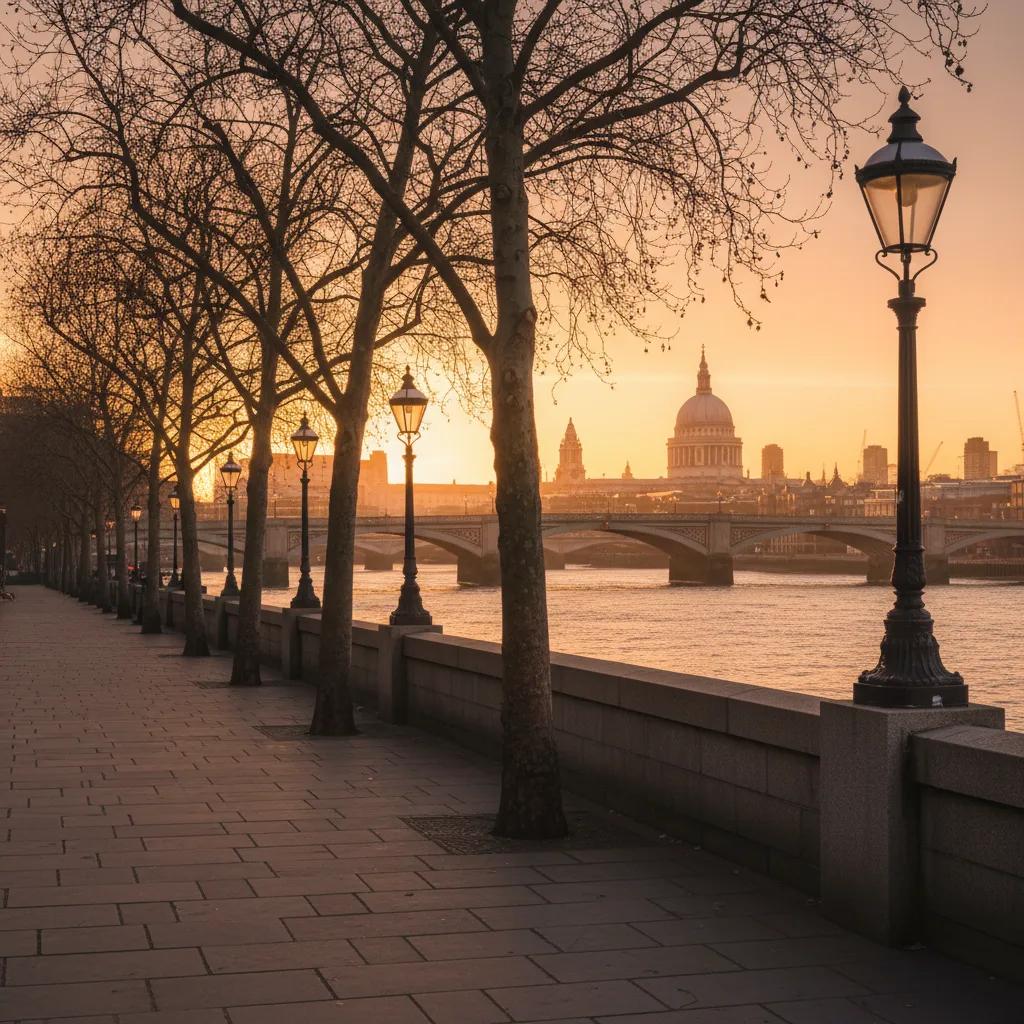 South Bank Sunset Viewing Planner: Thames Riverside Walks
 Parliament Hill Sunset Viewing Planner: London Heath Vistas