 Brixton Vintage Thrift Shop Finder: South London Retro Gems
Hidden Gems & Odd Finds
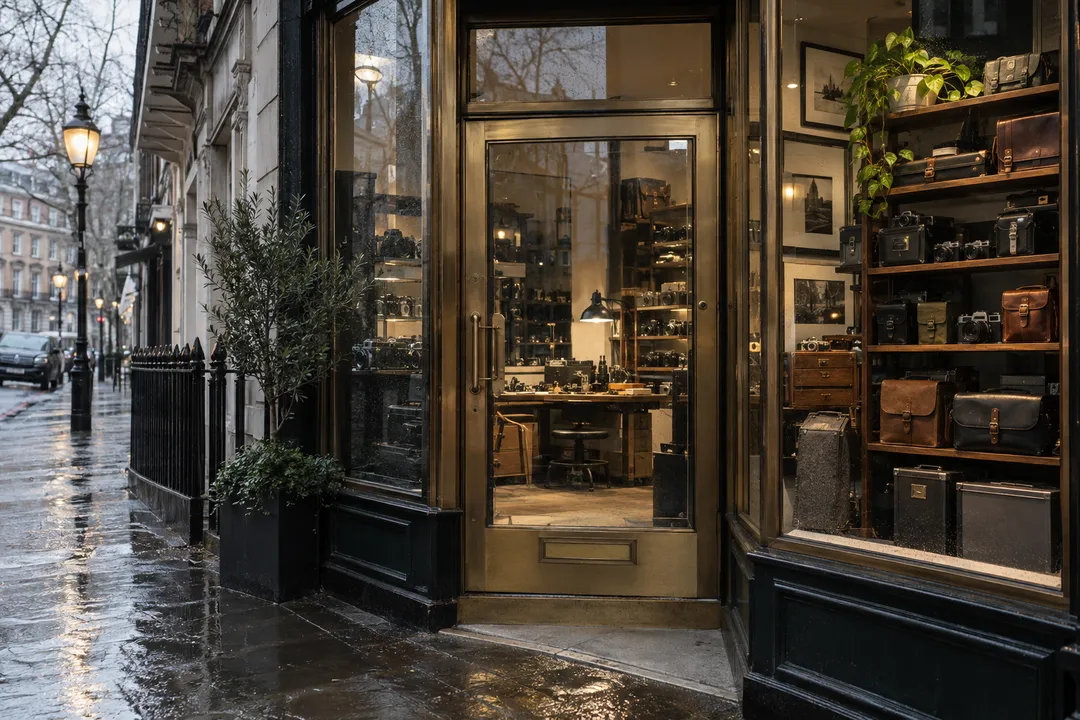
London Camera Repair Shop Planner: Compare Repair Routes
Karpo APP can narrow London camera repair shops by camera type, location and service need, then build a practical shortlist without claiming live bookings.
When a camera fails in London, the hardest part is often choosing the right repair route before you leave home. The Karpo APP can help you turn ‘camera repair shop near me’ into a shortlist built around the actual problem: a sensor clean, a mechanical film fault, a lens issue, a memory-card recovery or a formal estimate. It does not claim a live booking or an instant diagnosis; It organizes the information you need to make the next call or visit.
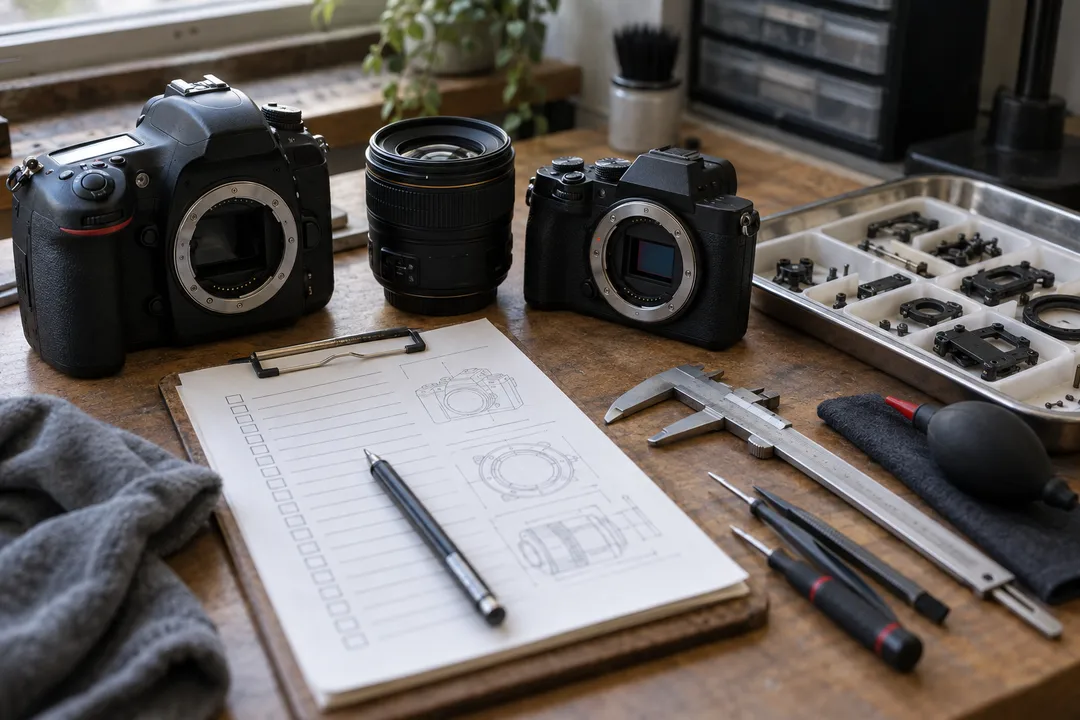
Start With the Camera Fault
Start with the camera, not the neighbourhood. Type the body and lens combination, then describe the symptom in one sentence. ‘Dust spots at f/16 on every frame’ is more useful than ‘camera broken.’ ‘Film advance locks after frame 12’ points toward a mechanical specialist. The APP can use those terms to surface repair shops whose published services match the job, while keeping the search anchored in London rather than a generic nationwide result.
Next, choose the service need as a filter. A sensor clean has a different urgency from a shutter overhaul, and an insurance estimate has a different document requirement from a casual inspection. Build separate shortlists when the tasks differ. One list can prioritize a quick cleaning window; Another can prioritize a written estimate, a warranty or a specialist in analogue equipment. Keeping those intents separate stops a cheap clean from being presented as a solution to an electronic failure.
Filter by Service, Not Hype
Location matters because London repair shops cluster around different journeys. A Kennington workshop is a practical south London stop; A Fitzrovia counter may suit a central workday; Shoreditch and Teddington are different routes again. Save the full address returned by the shop’s own page, then compare the walk from the station, the weekday opening window and the time you can spend on intake. The APP is useful here as a route planner, not as a source of invented travel times.
Put hard facts in the note you carry to the counter. Add the shop’s phone, address, opening days, inspection fee if published, warranty term and the exact service page URL. Leave unknown prices blank rather than filling them with an average. A clean shortlist shows which repairers publish a starting price and which quote after inspection. That distinction is more honest and more useful than ranking shops by an unsupported ‘best value’ label.
Compare London Routes
A good handover note has five lines: camera and lens model, symptom, when it appears, accessories included and the outcome you want. Add two sample images or the error code when relevant. For memory recovery, note the card size and stop using it. For a sensor clean, note the aperture where spots appear. For a film camera, name the shutter speed or transport position. The APP can store this text so a phone call and an in-person drop-off stay consistent.
Use the shortlist to plan a fallback, not to promise a repair slot. If a shop’s stated opening window does not fit your day, keep a second option with a compatible service. If the first estimate is higher than the camera’s role in your kit, compare the documented scope with a replacement decision. The APP can show those alternatives side by side, but the final price and completion date belong to the repairer after inspection.
Write the Handover Note
The neighbourhood layer helps with practical timing. A central shop can fit around work; A suburban counter may make sense when you need a longer conversation and a quieter handover. Plan a short walk after drop-off instead of waiting at the door, especially when the shop publishes a multi-day estimate. That is a real planning benefit: you spend your time usefully without pretending the APP knows the technician’s queue.
There is one rule worth keeping: do not send a camera before you know what information the repairer needs. Some shops want the charger, some quote per item, some separate insurance estimates from normal repairs, and some specialize in classic mechanical bodies. The APP can pull those published instructions into a checklist. You then call with a precise question, rather than asking a general search result to decide for you.
Practical Notes for the APP Workflow
Skip unsupported urgency labels. ‘Same day’ is meaningful only when the repairer publishes a same-day service, such as a listed sensor clean or filter removal. For a board fault, an estimate and a queue are more realistic. When the APP has no source for a price, warranty or turnaround, it should leave that field open and move the action to ‘contact shop.’ Clear gaps are better than confident fiction.
Practical notes for a London camera repair shortlist: save the exact address, direct phone, opening days, published prices and service URL for every candidate. Keep one venue for the primary fault and one fallback for a different schedule or speciality. Attach your camera model, symptom and sample evidence. The APP helps you compare and plan; The repair shop supplies the diagnosis, final quote and completion date.
A shortlist is strongest when every row answers the same questions: does the shop publish a matching service, what address will you visit, which days is it open, what does an inspection cost, and what warranty or turnaround is stated? The APP can present those fields together and leave unknowns visibly blank. That makes a specialist with a higher published fee comparable to a generalist that quotes after inspection.
Before leaving home, export the shortlist into a simple action order: call the first shop, save the second, prepare the kit, and write the symptom note. Karpo APP can help you remember the sequence, but it cannot replace a technician’s hands-on test. A clear boundary between planning and diagnosis keeps the page useful and the expectations honest. Keep the final shortlist small: two candidates, one handover note and one fallback route. The APP organizes the evidence; The repairer supplies the hands-on diagnosis and final quote.
Ask Karpo for more information.
Keep reading
- Brixton Vintage Thrift Shop Finder: South London Retro Gems
 Notting Hill Vintage Thrift Shop Finder: Preloved Rails
 Soho Vintage Thrift Shop Finder: West End Designer Archives