 Clapham Bouldering Gym Finder: New in Town, Climb to Mingle
Sports Social
Bowling Alley Group Night Planner: Soho for a Show's Crew
Plan a Soho bowling night for a West End cast and crew on their night off: lanes that mix departments, a Chinatown supper and a quiet walk around Soho Square.
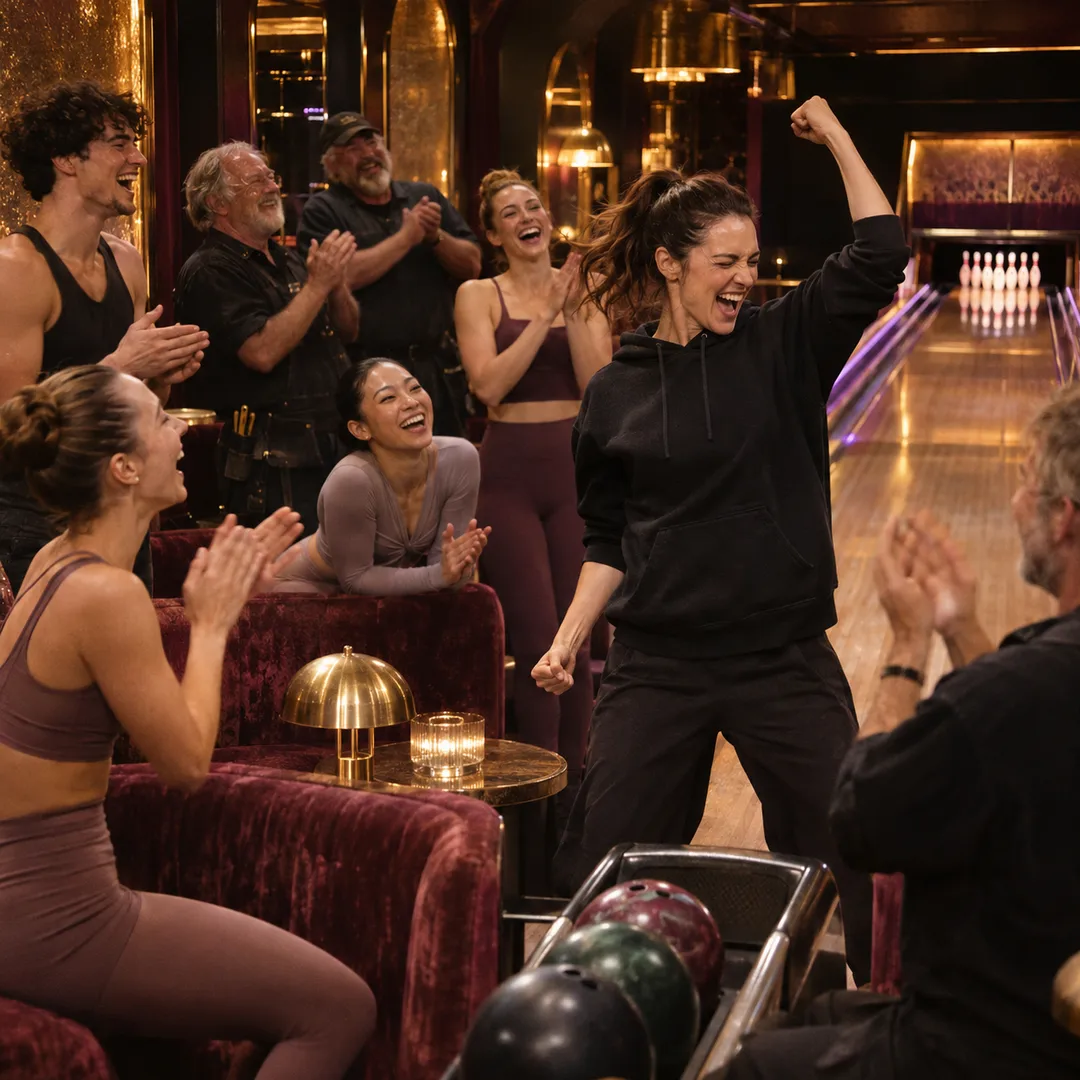
Soho bowling has become a favourite night off for West End companies, and it is easy to see why. The theatres are a few streets away, the lanes stay lively after other places quieten down, and a cast that spends six days a week performing does not want to sit still at a dinner table on its day off. Jo, a stage manager on a long-running musical, plans one for her company of thirty. This bowling alley group night planner follows her approach.
Choose the Dark Night
Most West End shows have one evening a week with no performance, usually early in the week. That is the only realistic night for a full company social, so plan around it and announce the date well in advance. Dancers, actors, the band, wardrobe, wigs, sound, lighting and front of house all have different schedules, and some work days even on dark nights. Put the date on the rehearsal schedule so the swings and covers, who often get forgotten, can plan to be there too.
Early in the week also works in your favour on the lanes. Soho's bowling spots are packed with office parties and birthdays on Fridays and Saturdays, but a Monday or Tuesday evening is far calmer. Staff have time to sort out a big group, and the noise level leaves room for the long, overlapping conversations that theatre people seem to have about everything. It also means the group can spread across neighbouring lanes without strangers wedged in between, so the night feels like one company rather than several small parties.
Mix the Departments, Not Just the Friends
In a theatre company, people who work together every night can still hardly know each other. The swings rarely meet the follow-spot operators, and the band lives in its own world in the pit. Jo draws teams from a hat with one rule: every lane must include at least one person from on stage, one from backstage and one from front of house or the band.
Give each team a name taken from the show's own vocabulary, like a famous cue that once went wrong or a costume change everyone dreads. The jokes write themselves, and the names often stick for the rest of the run. Ask the company manager to bowl on the lane with the newest members of the ensemble, and keep the producers, if they come, away from the lane full of ushers who want to relax.
Care for Bodies That Work for a Living
Dancers and actors rely on their bodies for the next show, so bowling needs a little caution. Encourage everyone to choose a lighter ball, warm up wrists and shoulders, and avoid the dramatic diving slides some people attempt after one drink. A twisted ankle on a dark night can mean an understudy goes on, and nobody wants that news the next afternoon.
Keep the competition playful rather than fierce. Award points for style, not just score: the most theatrical walk to the line, the funniest reaction to a split, the dancer who bowls with full choreography. It keeps the body-conscious players safe while giving the performers a chance to show off, which, let us be honest, is what they want anyway.

Supper in Chinatown
Theatre people are used to eating late, so plan two games, then walk across Shaftesbury Avenue into Chinatown for supper. Its lanes of red lanterns and roast-meat windows grew up after the war, when Chinese restaurateurs moved into the streets around Gerrard Street. Many places are still serving when the theatres empty, and large round tables with lazy Susans are perfect for a big company.
Split into tables of ten and order family-style: dumplings, noodles, greens with garlic, roast duck and a whole fish to share. Ask about allergies and vegetarian dishes when ordering, and make sure the dancers watching their diet have options. Skip the all-you-can-eat buffets; the food is fresher and the conversation easier at a proper sit-down table.
Soho's Back Streets After Midnight
After supper, walk the group through the older corners of Soho rather than along the busy main streets. Meard Street is a short lane of dark brick Georgian houses with painted doors, one of the most complete early terraces in the district. Nearby, Berwick Street once rang with the shouts of market traders and the record shops that made it famous in the nineties.
Finish at Soho Square, the leafy garden with a mock-Tudor hut at its centre, built to hide a garden tool store and later an electricity substation. The square is closed at night, but the railings and the street around it are calm and well lit. The little French Protestant church on the north side and the old St Patrick's Church on the east give the square a village feel that most visitors never notice. It is a good place for goodbyes before people scatter to night buses and taxis.
Keep Tomorrow's Show in Mind
The company still has a show the next night, so build the evening to end at a sensible hour. Two games, supper and a short walk will take long enough. Remind everyone in the invitation that the night is about being together, not about who stays out last. Singers in particular will thank you for not dragging the party into a loud bar.
Encourage people to drink water between rounds and to take it easy on their voices in the noisy lanes. Jo sets aside a small kitty to cover soft drinks for anyone who is not drinking. It is a thoughtful touch for a company where some members are recovering from illness, saving their voices or simply prefer to stay sober on a work week.
Backup Ideas for a Busy Company
If the lanes are full or the company is too large for one venue, split the group across two nearby bowling spots and meet up for supper. Another option is a games bar with ping-pong or shuffleboard, which suits people who do not enjoy bowling. If it rains hard, skip the walk and send everyone home from Chinatown, where night buses and taxis are close by.
Use the Karpo APP to find bowling lanes, games bars and late Chinatown supper spots around Soho before you send the company-wide message. Post the plan on the callboard backstage as well as in the group chat, because theatre people still read the board. Include the meeting point, the team draw time and a gentle reminder about tomorrow's half-hour call.
Ask Karpo for more information.
Keep reading
- Clapham Bouldering Gym Finder: New in Town, Climb to Mingle
 Marylebone Bouldering Gym Finder: Lunch Break Climbs
 Notting Hill Bouldering Gym Finder: Family Climbing Weekends