 Clapham Board Game Night Finder: New to London Meetups
Weekend Plans

Chelsea Physic Garden: London's Walled Botanical Garden
Chelsea Physic Garden is London's oldest botanic garden, a walled apothecaries' plot in Chelsea. Check the weekly closed day first, as it catches visitors out.
Chelsea Physic Garden is closed every Saturday, which catches out more weekend visitors than any other rule here. The rest of the week, Sunday to Friday, the gate at 66 Royal Hospital Road, Chelsea, London SW3 4HS opens at 11am and shuts at 5pm, and the garden's own site lists tickets from £5 to £15. Behind high brick walls sit four acres and around 4,500 medicinal, edible and useful plants, which makes it the most interesting botanical garden near me answer for anyone staying between Sloane Square and the river.
Why the Apothecaries Picked This Riverbank
The Worshipful Society of Apothecaries of London founded the garden in 1673 and chose a Chelsea village plot for practical reasons. The Thames let them moor their barge for plant-collecting trips, the south-facing site caught warm river air, and the light soil had already been worked as a market garden. Apprentices learned here to tell a plant that cures from one that kills. That teaching purpose still shapes the layout: you walk between order beds grouped by family and use, not between decorative borders.
The Five-Pound Rent Still Paid Every Year
The garden's survival depended on one former apprentice. Sir Hans Sloane, the physician and collector whose objects later founded the British Museum, trained here in the early 1680s. In 1712 he bought the Manor of Chelsea and leased the garden to the Apothecaries for £5 a year in perpetuity, a sum still paid to his descendants. In the garden's own telling, Sloane's fortune partly came from a drink he saw women in Jamaica make by mixing cocoa with milk; the recipe he brought home was later bought by Cadbury. His statue stands at the centre of the garden. In 1722 Sloane appointed Philip Miller as head gardener, and Miller stayed for almost fifty years, building its reputation.
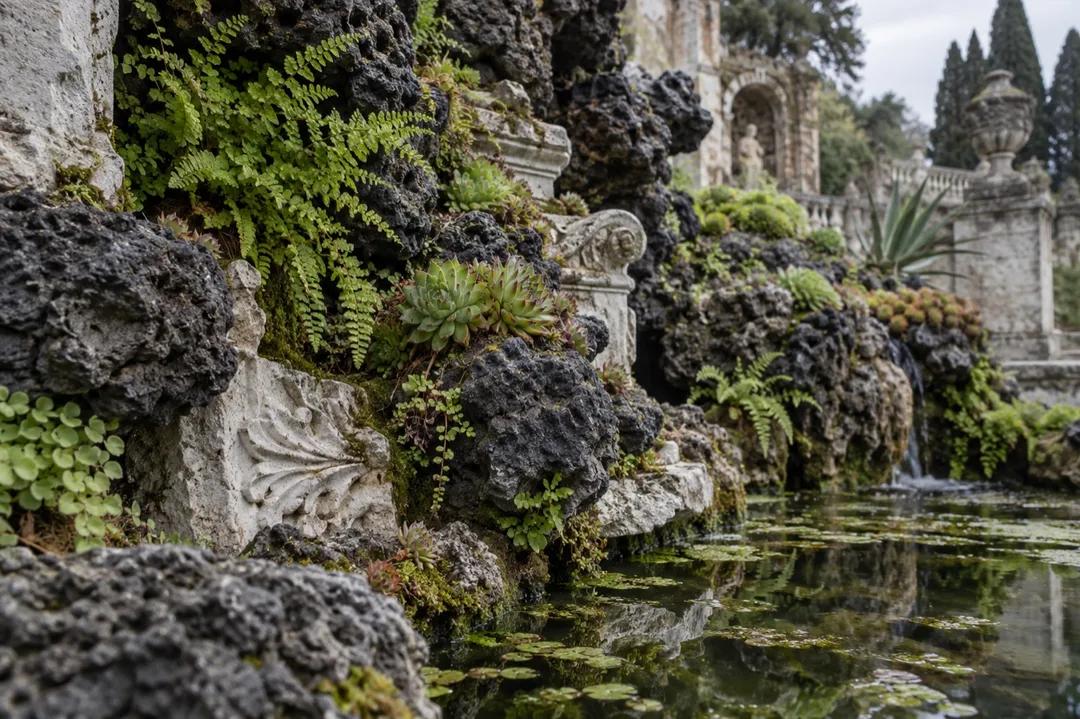
The names that followed are visible on the ground. William Forsyth arrived in 1771 and built the Pond Rockery, now Grade II listed, which you can still walk around today. In 1846 the plant hunter Robert Fortune, famous for smuggling tea plants out of China, ran the garden and added what is still called Fortune's Pond. Ask a volunteer near the rockery about its mix of lava rock and old building stone; they tell the story better than any label does.
What to Look for on a First Visit
Start with the medicinal beds, where plants are grouped by the illness they were used to treat, then find the olive tree, the largest fruiting olive outdoors in Britain. In 1976 the head gardener picked a record seven pounds of ripe olives from it, proof of how warm this walled microclimate runs. The garden also started an international seed-swap list, the Index Seminum, in the 1700s and still circulates it, so the beds keep changing as seed arrives from partner gardens abroad.
The 2026 programme theme is Folklore ReRooted, which threads plant myths and remedies through signs in the beds, so read the panels as you go. The historic glasshouses are worth a look, but be honest with your expectations this season: the garden has posted that maintenance work is taking place on them, and a fundraising drive to raise £1 million for their repair is running. If glasshouses are your main reason for coming, Kew is the better trip this autumn; come here for the beds and the history.
Timing Your Visit and the Saturday Problem
Weekday mornings just after 11am give you the beds almost to yourself, while Sunday is the only weekend day the garden opens, so it draws the weekend crowd. Friends of the garden, whose membership starts at £40, are admitted an hour early at 10am, so the early figures you see with notebooks are often members. If Saturday is your only free day, skip the trip rather than walking up to a locked gate, and go instead across Albert Bridge to Battersea Park, which is open daily and free.
Coffee, Soup and a Glass of Bubbles
The Physic Garden Café sits inside the walls and serves a seasonal menu: salads, a soup of the day, cakes, and wine or sparkling by the glass, eaten at tables looking onto the beds. On a sunny weekday lunchtime the outdoor tables fill first, so eat early at about 12pm or late after 2pm, and treat a bowl of soup on a cold October day as part of the visit rather than an extra.
Getting There Without Getting Lost
The nearest tube is Sloane Square on the District and Circle lines. Leave the station, cross the road, turn left into Lower Sloane Street, then right at the lights into Royal Hospital Road, passing the National Army Museum; continue past Tite Street with a long brick wall on your left until you reach number 66. Bus 170, which runs to Victoria station, stops directly outside. Bicycles are not allowed inside, but racks line Royal Hospital Road, and there is metered pay-by-phone parking on surrounding streets.
A Short Riverside Loop Afterwards
Leave the garden and turn toward the river for Chelsea Embankment, then walk west along Cheyne Walk, the terrace of Georgian houses where artists and writers have lived for centuries. Albert Bridge, painted pastel pink and blue, takes you across to Battersea Park in about ten minutes, and the park has pay and display parking if you drove. Heading east instead brings you to the Royal Hospital Chelsea, home of the scarlet-coated Chelsea Pensioners, whose grounds sit opposite the garden wall.
Practical Notes
Children under five go free. You can book online or buy at the door, and visitors with the London Pass get in free by showing it at the front desk. Late November brings the garden's Christmas Fair, billed as more than 100 stalls of gifts, festive food and drinks; in 2025 the garden closed to normal visits for the four fair days, so plan an ordinary visit for earlier in the month. Allow about ninety minutes for the beds, the rockery and a coffee, and wear shoes that cope with gravel paths after rain.
Ask Karpo for more information.
Keep reading
- Clapham Board Game Night Finder: New to London Meetups
 Marylebone Board Game Night Finder: Baker Street Mysteries
 Notting Hill Board Game Night Finder: Two-Player Rainy Dates