 Brixton Christmas Light Up Walk Planner: Rainy Arcades
Free Things to Do
Horniman Botanical Conservatory: A Free 1894 Glasshouse Walk
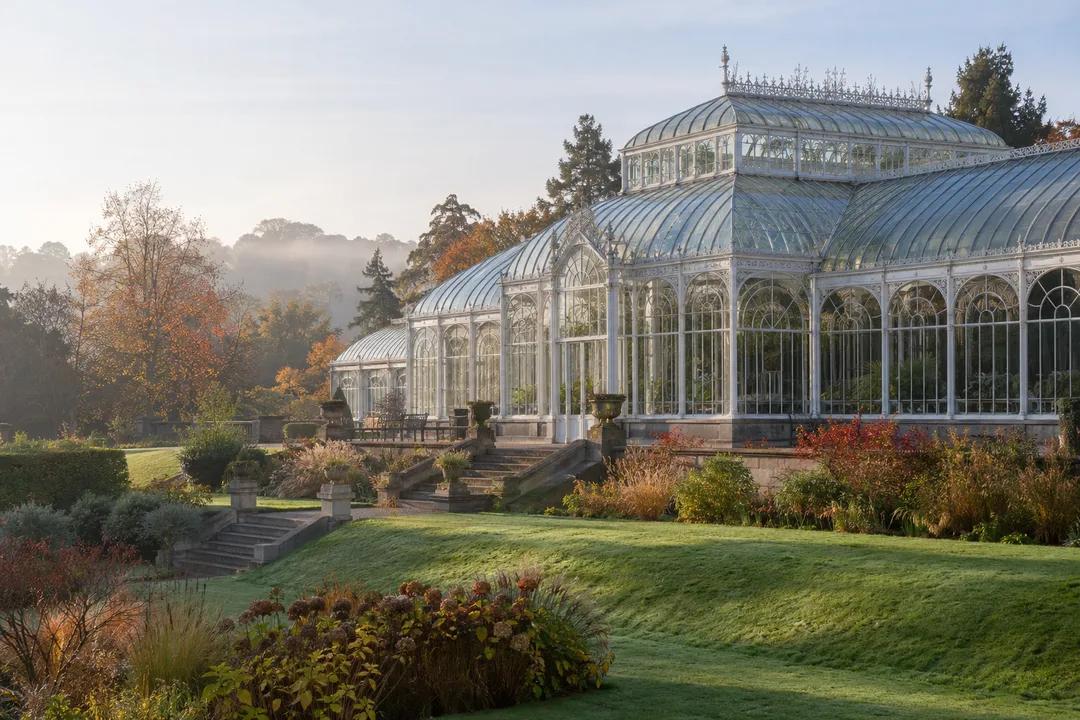
The Horniman Conservatory at 100 London Road, Forest Hill SE23 3PQ sits in 16 acres of free gardens open daily. Its 1894 ironwork was rebuilt here in 1989.
The Horniman Conservatory stands in the free Horniman Gardens at 100 London Road, Forest Hill, London SE23 3PQ. The gardens are open every day of the year except 25 December, and they shut early on winter afternoons, when the Horniman Drive gates close before dusk. For a botanical conservatory in south London with a strange and true backstory, this cast-iron glasshouse is hard to beat, and the planting around it is free to explore.
A Glasshouse That Moved Across South London
The building is older than its setting. It was first put up in 1894 at Coombe Cliff House in Croydon, the home of Frederick Horniman's parents, and his mother lived there until her death in 1900. The ironwork came from MacFarlane's of Glasgow, then a world leader in architectural cast iron and a prize winner at the 1862 International Exhibition. It only arrived in Forest Hill much later.
After the house was sold in 1903, it became a convalescent home for children, a college of art and an education centre, and the conservatory slowly decayed. A fire in 1977 caused serious damage. Dismantling began in 1981, the pieces spent years in storage in Crystal Palace Park, and they reached the Horniman in 1986. Reconstruction started in June 1987, and the conservatory officially opened in the gardens in October 1989.
What to Look at in the Ironwork
Stand back before you go close. The Horniman describes cast-iron work panels, friezes and roof spandrels inside, and fish-scale details, terminals and crestings outside, all drawn from MacFarlane's pattern catalogue. The decoration is ornate, but it lightens the structure and gives it an airy look that hides how heavy the iron really is. The building is 56 feet long and 22 feet wide.
Morning mist and low winter sun are the best conditions for seeing the pattern, when light catches the crestings along the roof. Today the conservatory hosts music, film, dance and poetry at special events, frames the Horniman's arts and crafts markets, and is hired for weddings and civil ceremonies. That means the interior is not a permanent plant display, so the real botanical interest lies in the gardens around it.
The Gardens Are the Real Botanical Collection
The Horniman's 16 acres of gardens are free and full of themed planting. At the front of the museum, the Prehistoric Garden holds living fossils: a ginkgo, tree ferns, cycads, a monkey puzzle tree and a Wollemi pine, which was thought extinct until it was rediscovered in Australia in 1994. Keep an eye out for the velociraptor model hiding in the planting, a reliable hit with children.
In a south-facing bed, the Drought Tolerant Planting grows xerophytes, plants adapted to very dry conditions that need little water or maintenance. The Pollinator Garden uses sand, crushed concrete and soil to support bees and other insects. Along London Road, a forest border planted in 2021 shields wildlife from the South Circular. Together they make the gardens feel more like a working botanical site than a park.
Look too for the working side of the garden. Just to the right of the Gardens Greenhouses, the Gardens Nursery Terrace has planters made by community members and looks over the South Downs Meadow. Nearby, the Community Garden was created with local groups as a place for respite and reflection, used for programmes such as social prescribing and accessible gardening. It is a reminder that this is a garden people tend, not just admire.
Views, Meadows and a Sound Garden
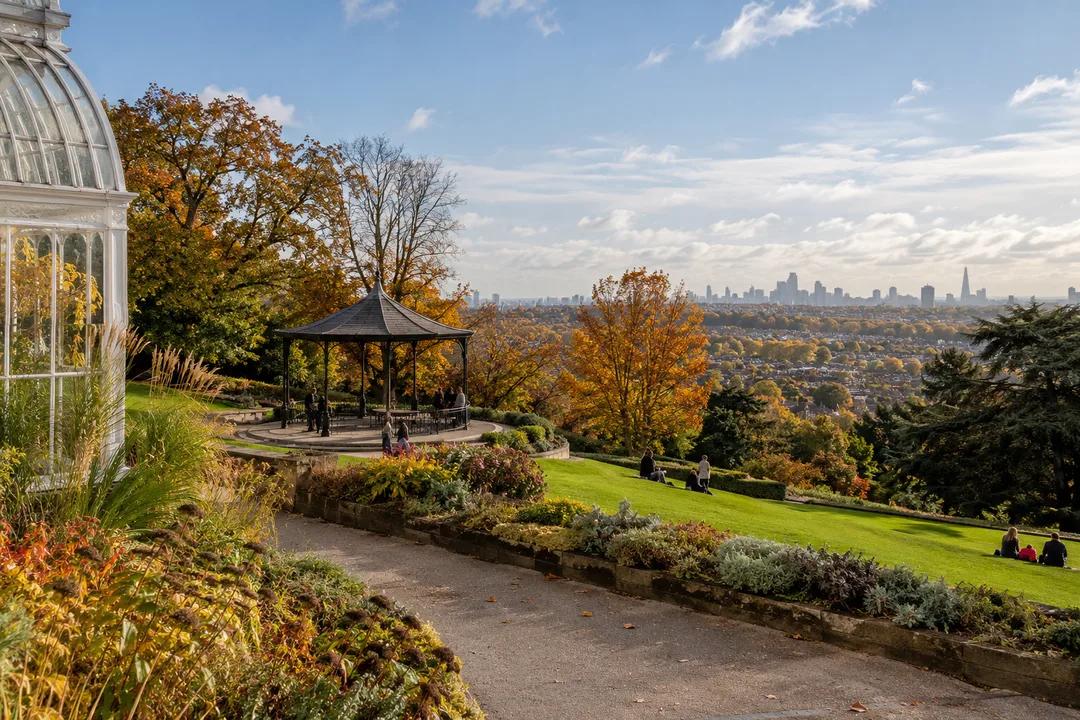
Walk uphill past the conservatory to the Bandstand for the view across London that the gardens are known for. Below it, the Meadow Field is where dogs may run off the lead, on the site of a 1920s boating pond that was drained in the 1960s. At the eastern edge, the South Downs Meadow is a quiet spot with views over Kent toward the South Downs, good for reading or a picnic.
Families tend to gather in the Sound Garden, a hands-on space inspired by the museum's musical instruments collection, with world instruments you can play on a giant scale. You may also spot foxes. The Horniman asks visitors not to feed or touch them, so they keep their natural wariness of people. The gardens are also part of the Green Chain Walk if you want a longer route.
An Honest Verdict and a Plan B
Do not come expecting to wander through a steamy jungle inside the conservatory. It is a beautiful building to look at, and occasionally to see in use at an event, but the plants you came for are outside. If you want to walk among living collections under glass, Kew's Temperate House is the stronger choice. Pair the Horniman with a slow loop of the gardens instead, and it rewards a full morning.
Timing matters this week. The gardens are closed all day on Saturday 31 October for the Day of the Dead family festival, open only to ticket holders, and they close again on 25 December. Other gates in the gardens may close earlier than the Horniman Drive gates, so plan to leave by the main drive on short winter afternoons. A weekday morning is the calmest and brightest time to visit.
Around Forest Hill
Forest Hill station, on the Overground, is a short walk downhill from the gardens. The museum next door has its own aquarium and natural history galleries, and the Horniman notes that entry to the museum is from London Road. Back toward the station, Forest Hill's small high street has cafés for a warm drink after a cold morning among the meadows, before the train back into central London.
Practical Notes
Address: Horniman Museum and Gardens, 100 London Road, Forest Hill, London SE23 3PQ. Gardens: free, open daily except 25 December. The Horniman's conservatory page gives garden hours as Monday to Saturday 7.15am to sunset and Sunday 8am to sunset. Closed all day on 31 October for the Day of the Dead festival. The conservatory is viewed from the gardens and opens for events, markets and hires. Save the Horniman's closures page in the Karpo APP before you set off.
Ask Karpo for more information.
Keep reading
- Brixton Christmas Light Up Walk Planner: Rainy Arcades
 Hackney Christmas Light Up Walk Planner: Canal Boats
 Islington Christmas Light Up Walk Planner: Square Dates