 Shoreditch Comic Shop Crawl Planner: Murals to Manga
Hidden Gems & Odd Finds
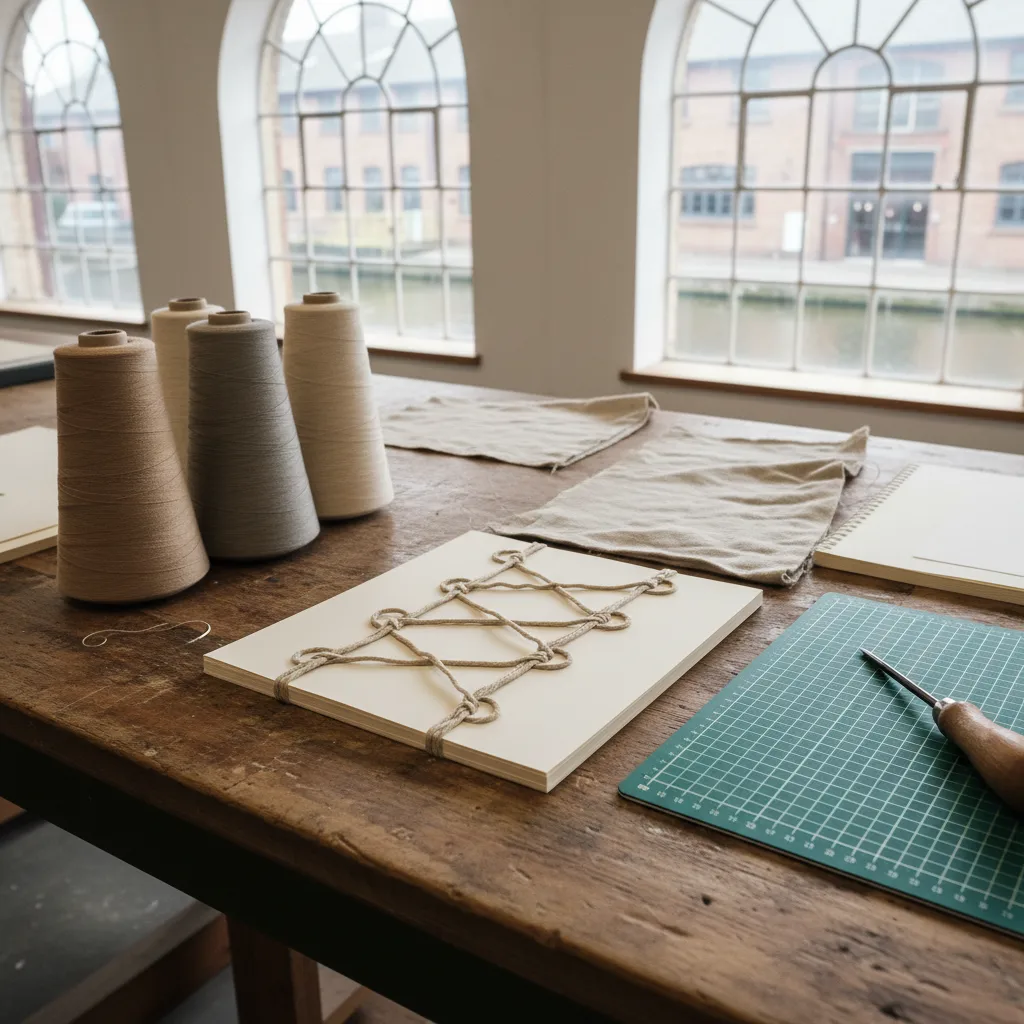
Hackney Bookbinding Linen Thread Picker for Coptic Spines
Choose thick unbleached linen that keeps coptic and long-stitch spines neat, with canal-side Hackney studios and markets as an easygoing backdrop for browsing.
Exposed spine bindings turn linen thread from a hidden structure into the main visual feature, so the strand you pick for a coptic or long-stitch book has to look good as well as hold. Hackney, with its canal-side studios, market streets and makers sharing workshop benches, is a natural place to think about stitching that shows. Sketchbooks made here are often carried around parks and markets, which means their spines need to survive real use.
Why Exposed Spines Need Different Thread
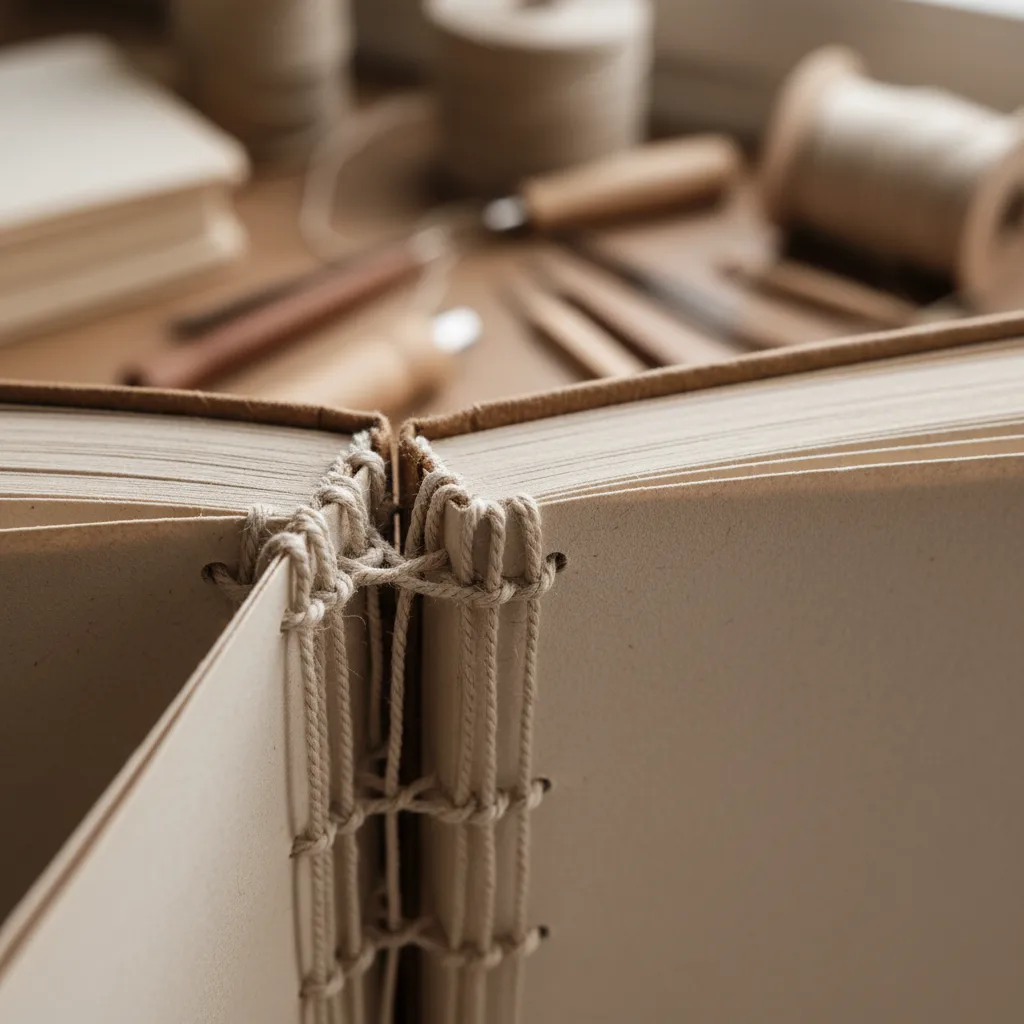
On a coptic binding, every signature is linked to its neighbour by chain stitches that sit on the outside of the spine. Those chains bear the load each time the book opens flat. A thin thread can cut into soft paper under that strain, and it can look sparse against chunky covers. A thicker, rounder linen spreads the pressure, fills the stations visually and creates the braided look people associate with handmade sketchbooks.
Long-stitch bindings behave differently. The thread runs along the outside of a soft cover in long vertical bars, sometimes woven into patterns. Here you want a thread with enough body to sit proud of the cover, but not so heavy that the cover puckers when you pull tight. Medium to thick linen with several plies usually looks right. Very fine thread disappears visually, which defeats the point of a decorative spine.
Matching Thread Weight to Station Spacing
Look at the gap between sewing stations before choosing thickness. Widely spaced stations on a large sketchbook can carry a heavy thread, and the chains look bold rather than crowded. Closely spaced stations on a pocket notebook need a finer strand, otherwise neighbouring chains press into each other and the spine bulges. Mark your stations on a folded jig, then lay candidate threads across them to judge the spacing before you pierce any paper.
Thread thickness also affects the hole size. A thick linen needs a larger awl puncture, and big holes in thin paper can tear when the book is used outdoors. If you love a chunky look on light paper, add a narrow paper or card strip inside each fold as reinforcement. Hackney's printmakers often use heavier drawing stock, which takes thick thread and wide holes without complaint.
A useful trick is to sew a two-signature sample using each candidate thread and then flex it open and closed fifty times. Thread that is too heavy for the paper starts tearing at the holes within that small test, while thread that is too thin leaves the chains loose and wobbly. The sample costs a few minutes and a few sheets, yet it spares you from discovering the mismatch halfway through a sketchbook you care about.
It also helps to think about how many times the thread passes through each hole. Coptic sewing often doubles back through the same station to form the chain, so two thicknesses of thread share one puncture. A strand that looks modest on the spool can feel crowded once it doubles, which is another reason a physical test beats any reading of labels.
Colour and Texture of Unbleached Linen
Natural unbleached linen ranges from pale oatmeal to a deeper flax grey, and the tone shifts with the amount of wax it carries. On raw board covers or undyed leather, a natural strand gives a calm, material-led look. Against brightly printed covers it can act as a neutral frame. Lay the thread on the actual cover in daylight rather than artificial light, since unbleached colours can look greenish or yellowish under warm bulbs.
Texture counts too. A heavily waxed thread forms smooth, glossy chains that photograph cleanly. A lightly waxed thread shows more flax texture, giving the spine a handwoven character. Try sewing three stations in each finish on scrap signatures and set them side by side. Many binders find the textured version more interesting up close and the glossy version easier to read from a distance.
Studio Culture Along the Canal
Hackney's creative life runs on shared spaces. Converted warehouses, studio blocks near the canal and community workshops host illustrators, zine makers and small-press publishers working side by side. Watching how others sew is one of the best ways to learn, and many such spaces run occasional open days or beginner sessions. Respect the working atmosphere, since benches are often busy with people finishing real projects.
The neighbourhood's markets and green spaces round out the experience. A morning by the canal, coffee near a busy market street and an afternoon sketching in one of the parks give you a full day of using notebooks outdoors. That kind of use is a useful test. Carry a coptic sketchbook through a day of drawing, and any weakness in the thread choice will show up by evening.
Looking for Supplies With Karpo APP
Karpo APP can bring up nearby art, paper and craft supply spots around Hackney when you want to see what is close. It does not decide anything for you. You pick which suggestions sound right, when to go and how to travel, whether that is cycling along the canal, catching the Overground or simply walking from the studio.
A Straight Recommendation
For a first coptic sketchbook with drawing paper, a thick, well-waxed linen is the safest choice, because it forms tidy chains and forgives uneven tension. For a long-stitch journal with a soft leather cover, a medium waxed linen gives clear lines without puckering. Skip very thin thread on exposed spines entirely. It looks fragile, cuts into paper and wastes the effort you spend on a decorative stitch pattern.
Practical Prep Before Sewing
Cut thread generously, since chain stitches use more length than hidden sewing, and add extra for kettle knots at head and tail. Use a curved needle for coptic chains, which makes catching the previous signature easier. Keep a small pot of spare wax nearby in case the thread starts to fray midway. Sew one sample, open it flat a dozen times and inspect the chains. If they hold firm and sit evenly, the thread is right for your Hackney sketchbook.
Ask Karpo for more information.
Keep reading
- Shoreditch Comic Shop Crawl Planner: Murals to Manga
 Bermondsey Comic Shop Crawl Planner: Zines Under the Arches
 Clapham Comic Shop Crawl Planner: Charity Shelves and Common