 Shoreditch Comic Shop Crawl Planner: Murals to Manga
Hidden Gems & Odd Finds
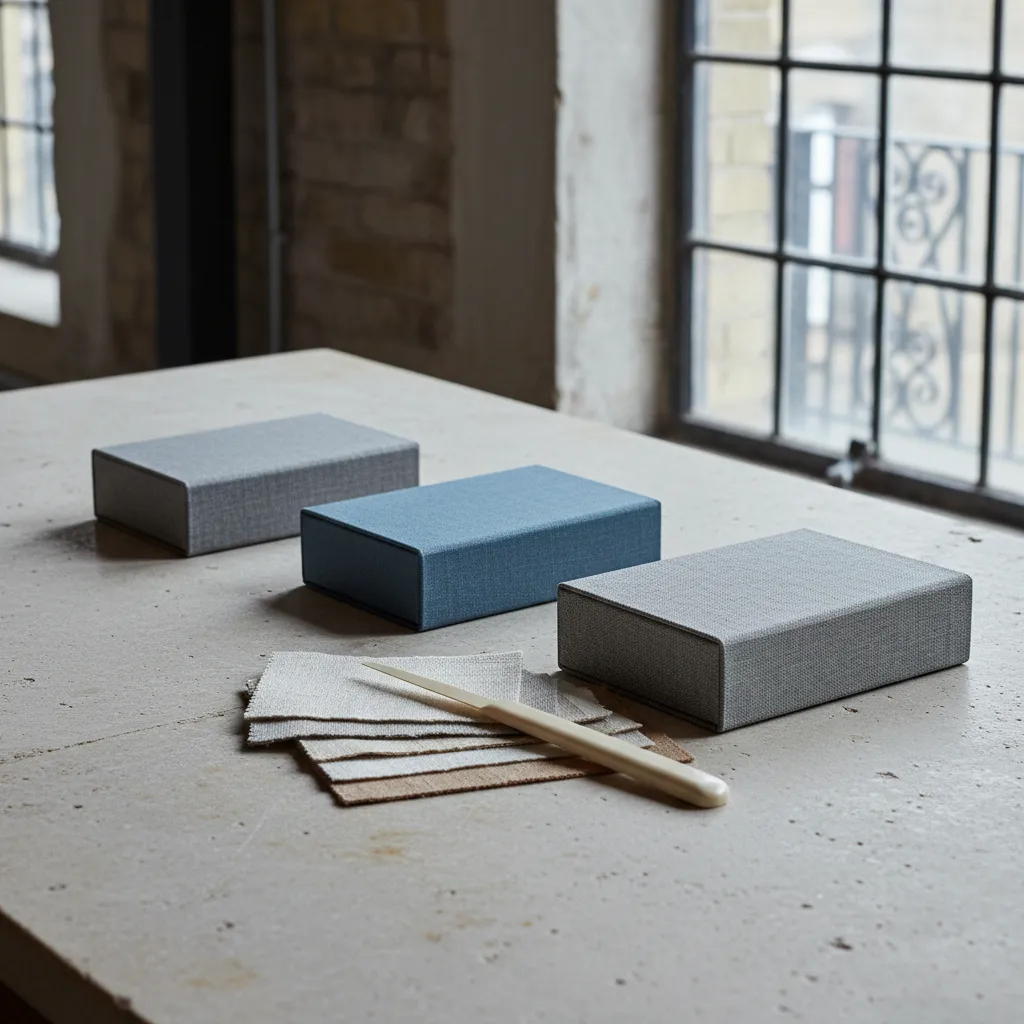
Clerkenwell Book Cloth Binding Material Picker: 3 Tests
Choose book cloth in Clerkenwell by testing weave, corners and backing against your small case design, then explore nearby places at your own pace.
Fine weave earns its place on a small book box when it folds neatly around the corners without swallowing the shape. For a Clerkenwell book cloth binding material picker, begin with that folded edge rather than a wall of colours. A pocket sketchbook case, a presentation box and a slim reference volume can share a quiet grey palette while demanding very different handling. Let the project's proportions decide what deserves a closer look during a London materials outing.
Three tests before choosing a colour
Start with a paper model of the thing you intend to cover. Fold scrap paper around a spare piece of board and leave the hinge visible. This modest object explains more than the phrase “something for bookbinding”: it shows the edge thickness, the space around the joint and the size of the turn-ins. Carry it flat in an envelope so you can compare the model with any sample you are permitted to handle.
The first test is visual scale. Hold a swatch against the smallest face of the model and judge whether individual threads overwhelm it. A weave that looks wonderfully expressive as a broad sheet can make a tiny lid feel crowded. Fine texture is useful when the design depends on a crisp silhouette, while a more visible weave may suit a larger case with fewer competing details. Neither choice follows automatically from the fibre name.
Next comes the fold. On a sample you own, wrap the cloth around an offcut resembling your actual board and observe the edge in profile. Look for a pleasing transition from flat surface to corner, rather than pressing harder until everything seems acceptable. Do not bend merchandise or wet a display sample. A permission-based comparison in a shop and a proper adhesive trial at home are separate stages of the decision.
Let Clerkenwell sharpen the brief
Clerkenwell offers a useful visual mood for this outing: brick, pale stone, metal details and the rhythm of narrow streets meeting larger spaces. Treat those contrasts as prompts for your own cover, without expecting any particular doorway to hold binding supplies. A slate cloth beside ivory paper might borrow that restraint; a mustard spine could interrupt it. The neighbourhood provides a way of looking, while the material still has to answer the needs of the object.
Choose a wandering pause independently around Clerkenwell Green or the streets near St John's Gate if that setting appeals. Pay attention to edges, thresholds and changes of surface rather than collecting an entire colour scheme from a single building. A useful observation might be that a dark border makes a pale panel seem sharper. Translate the relationship into your own design later, leaving the architecture as inspiration rather than pretending a cloth is locally sourced.
Paper backing changes the conversation
When a candidate is described as book cloth, ask what the backing and finish are intended to do. A paper-backed material can behave differently from a loose furnishing textile, particularly when you apply adhesive and turn an edge. The relevant question is compatibility with your method, not whether the swatch feels luxurious between your fingers. Write down the actual material description in your own notebook so a later comparison does not depend on remembering its colour alone.
For an ordinary new craft project, a small trial can reveal problems before you commit a whole cover. Use the same board, adhesive and drying arrangement you intend for the finished object, following the material instructions. Look for marks coming through the face and for an edge that keeps lifting. If the project involves a valuable old binding, separate it from this experimental outing and seek appropriate conservation advice rather than using a decorative test as a repair prescription.
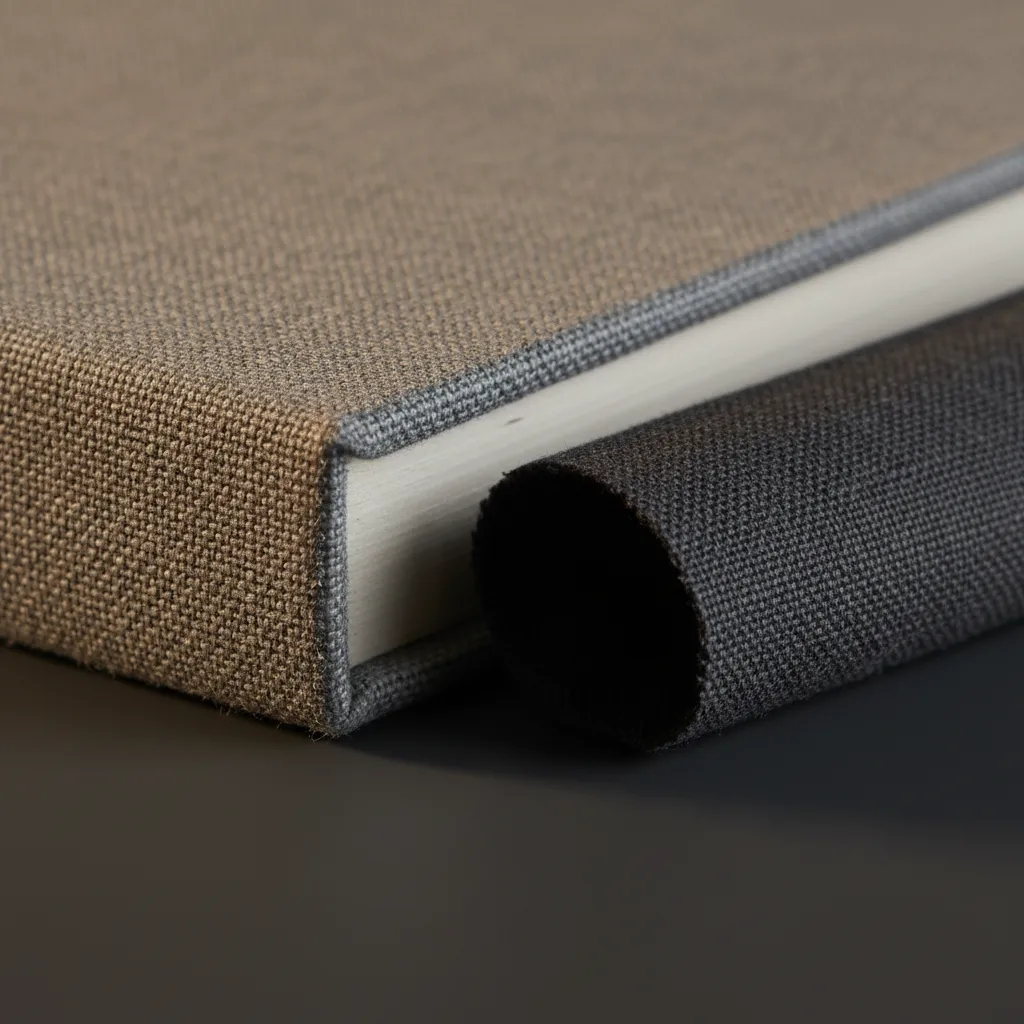
Quiet covers need an honest corner
A restrained design gives every joint more attention. If you want a plain grey case with no printed decoration, spend the comparison effort on the corner and hinge instead of searching endlessly for the perfect grey. Put the proposed endpaper beside it, because warm cream can change the way a cool cloth reads. Examine the pairing in consistent light; switching both the background and the illumination makes it harder to tell what you actually prefer.
Skip a coarse cloth on a miniature case when the first dry mock-up already looks bulky. That is a useful rejection, even if the surface is the most beautiful sample of the afternoon. You could reserve the texture for a larger portfolio, but do not redesign the current object solely to justify a tempting purchase. The purpose of the picker is to narrow a decision that can survive contact with board and adhesive.
Make the nearby search specific
Use the Karpo APP for nearby place recommendations around Clerkenwell. A useful request would be: “Recommend nearby places for someone interested in bookbinding materials, paper and handmade books.” Add that you are comparing fine cloth for a small presentation case. The recommendations give you places to consider; you decide which ones to visit, in what order, and how to travel between them. A recommendation is a starting point for browsing, not evidence of a particular cloth on a shelf.
You can keep the outing small by choosing a single promising place and a separate street walk. Carry your measurements and your own model, then ask about the materials actually presented to you. If nothing suits the project, end with the comparison notes you made yourself. Discovering that the cover needs a less pronounced texture is a useful result, even when the envelope comes home without a new swatch inside it.
Practical notes for a precise first case
Before leaving, record the board dimensions, hinge allowance and intended covering method on one sheet. Bring the proposed paper colour and a clean protective sleeve for any permitted samples. Avoid final cutting calculations until the structure is settled: a change in board thickness or joint design can alter the cloth needed. At home, label each trial with its material description and observe it after drying rather than judging only the fresh, temporarily flattened surface.
Finish by choosing one cloth that supports the case's main idea. For a small object, that might mean an understated weave, an endpaper with a warmer tone and a corner that feels considered in the hand. Keep any second option only when it answers a distinct unresolved question. Clerkenwell can supply the atmosphere for a thoughtful afternoon; your own test piece supplies the evidence for what belongs on the finished book box.
Ask Karpo for more information.
Keep reading
- Shoreditch Comic Shop Crawl Planner: Murals to Manga
 Bermondsey Comic Shop Crawl Planner: Zines Under the Arches
 Clapham Comic Shop Crawl Planner: Charity Shelves and Common