 Brixton Vintage Thrift Shop Finder: South London Retro Gems
Hidden Gems & Odd Finds
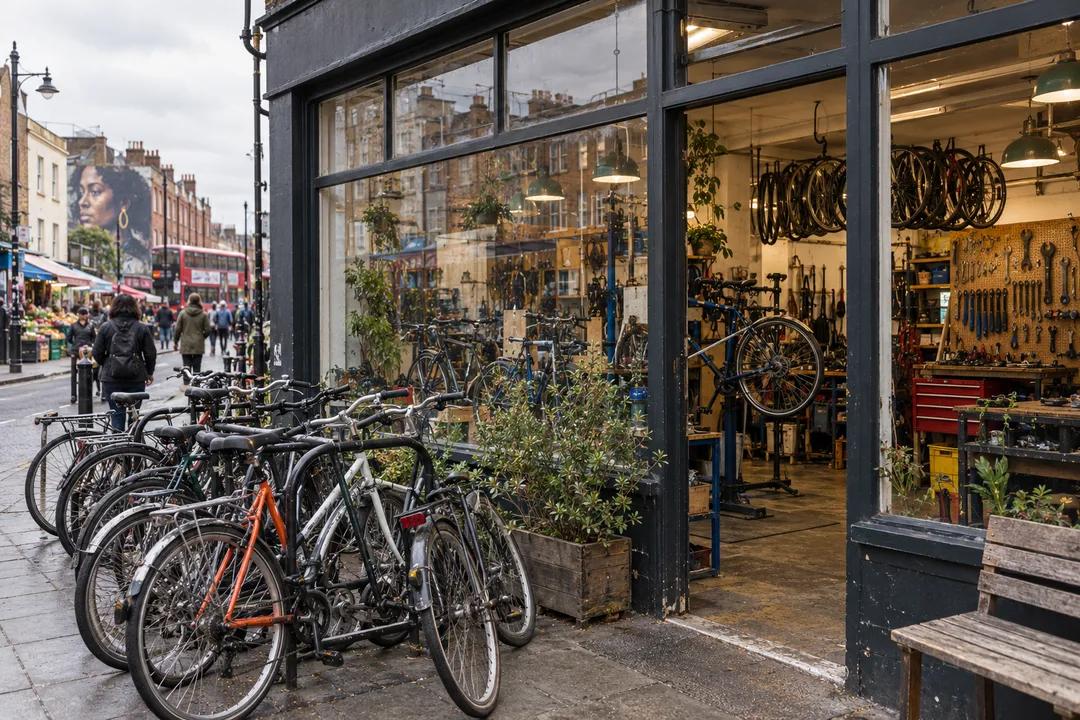
Brixton Cycles Bicycle Repair Shop: £45 Service, No Upsell
Brixton Cycles at 200 Coldharbour Lane is a worker-owned bicycle repair shop with walk-in surgery and service from £45, built for practical riders.
Brixton Cycles is the kind of bicycle repair shop that makes more sense once you have pushed a bike with a dead gear cable through south London. The worker-owned cooperative has been running since 1983, and its current home is 200 Coldharbour Lane, London SE5 9QH. The shop describes itself plainly: an independent bike shop owned by the people who fix bikes, fit riders out and ride beside them. Its workshop offers a walk-in surgery and full servicing from £45. That combination is unusually useful for a commuter who does not need a sales pitch or a race-bike lecture. You arrive with a grinding drivetrain, soft brake lever or rear wheel that will not sit straight, and the conversation can start with the symptom rather than a catalogue of upgrades.
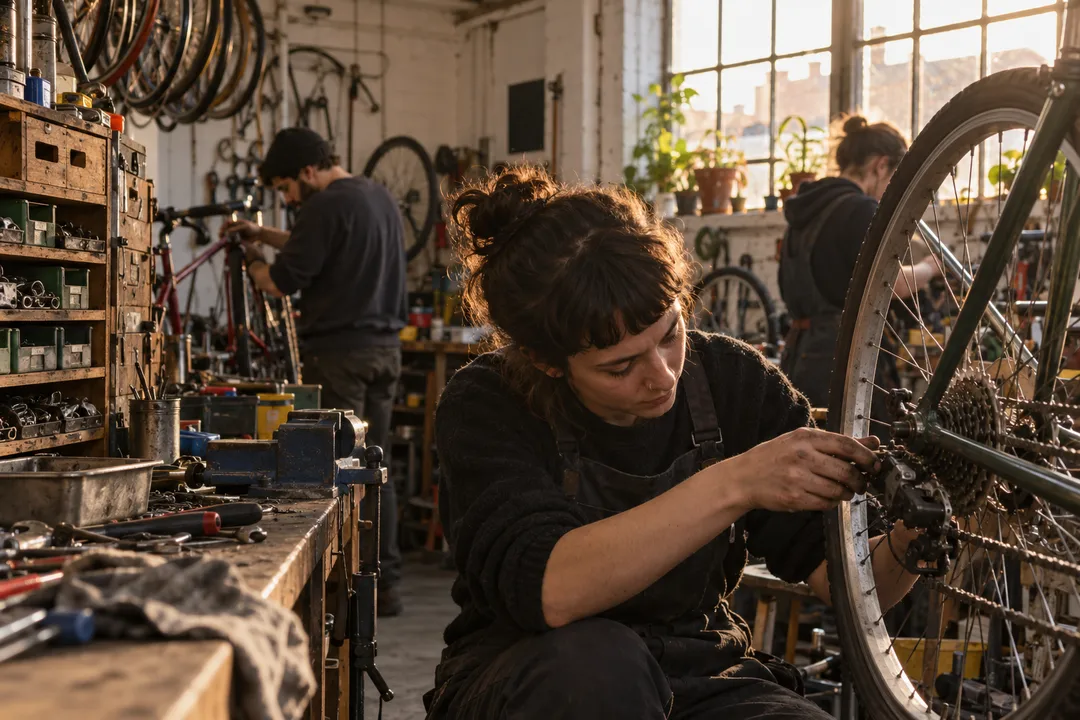
A Cooperative With 43 Years Behind It
The cooperative history matters because it shapes the room. Brixton Cycles is not presented as a glossy showroom with a repair counter hidden at the back. The business foregrounds the people who work there, the local riders who keep returning and the idea of doing three things properly without upselling. That gives the shop a different rhythm from a chain. A delivery rider can come in with a bike that earns its keep every day. A student can ask whether a repair is worth doing on an older frame. A weekend cyclist can talk through a service without pretending to know the difference between indexing and a worn cassette. The 5-star Google rating displayed on the official site is not a substitute for the workshop conversation, but it does fit the shop’s long-running neighborhood reputation.
What the £45 Starting Point Actually Means
The headline number is the service entry point: from £45. Treat that as the beginning of a workshop conversation, not a promise that every neglected bike will leave for exactly that amount. A basic service is most useful when the bike rolls, shifts and brakes but has started to feel noisy or vague. If the problem is more specific, describe what happens under load, when you first noticed it and whether the bike has recently been wet, stored outside or hit a pothole. That information is more valuable than naming a part you think is broken. The shop’s own wording emphasizes walk-in surgery and full service, so the practical move is to bring the complete bike rather than a loose part whenever possible.
Bring the Problem, Not a Perfect Diagnosis
There is a quiet etiquette to a useful repair visit. Do not arrive with a ten-minute story that hides the one important clue. Say whether the noise appears only in the smallest sprocket, whether the lever pulls to the bar, or whether the wheel rubs once every rotation. Point to the exact sound. A mechanic can then decide whether the next step is adjustment, replacement or a deeper inspection. The no-nonsense tone on Brixton Cycles’ site is a good guide to the customer side too. You do not need to buy a new bike to be taken seriously, and you do not need to accept an upgrade you did not ask for. I would skip turning up at the busiest moment with a bike you need back in twenty minutes. A real service needs room for diagnosis, and a cooperative workshop is more useful when you give it an honest problem and realistic timing.
The Human Side of a Working Bike Shop
The surrounding route makes this a natural stop rather than a destination you have to over-plan. From the workshop, you can roll toward Brixton’s market streets, continue down Coldharbour Lane or angle toward the music and food around central Brixton. The neighborhood changes quickly across a few blocks: busy junctions, low-rise side streets, market traffic and stretches where a bicycle is plainly the easiest way through. That mix explains why a practical workshop belongs here. You can combine a repair drop-off with errands, coffee or a short wander instead of sitting in a sterile retail park. If you are collecting a bike, ride the first few minutes gently and listen for the original symptom. A short shakedown loop around the local streets is smarter than discovering a loose contact point at the first major junction.
A Short Ride Through Brixton
The official site identifies the business as Brixton Cycles, a worker-owned shop founded in 1983, and lists walk-in surgery, full service and bike sales rather than a narrow single-brand repair offer. The £45 figure is the published starting price that makes the shop easy to compare with a chain, but the more important distinction is the cooperative approach. Bring the bike clean enough to inspect, remove bulky bags if they hide the drivetrain and bring any key or battery that belongs to the bike. If the repair is urgent, say why. For everything else, give the mechanic enough time to solve the actual fault. Karpo APP is useful for planning the rest of the South London ride after the repair is sorted.
The Repair Decision That Lasts
One more useful distinction is the difference between a repair that gets you home and a service that resets the bike for another season. A puncture fix solves the immediate loss of air. A service can reveal a cable that is about to fail, a chain that has stretched beyond its useful range or a brake surface that is wearing unevenly. Ask which category your bike is in. If you ride every day, tell the mechanic how many miles a week the bicycle actually covers and whether it sleeps outside. If the bike is a family or shared machine, explain who uses it and whether the controls need to stay simple. Those details are not small talk. They determine what a sensible repair looks like. The worker-owned model is most valuable when the customer gives the workshop enough truth to make a durable recommendation.
Ask Karpo for more information.
Keep reading
- Brixton Vintage Thrift Shop Finder: South London Retro Gems
 Notting Hill Vintage Thrift Shop Finder: Preloved Rails
 Soho Vintage Thrift Shop Finder: West End Designer Archives