 Brixton Vintage Thrift Shop Finder: South London Retro Gems
Hidden Gems & Odd Finds
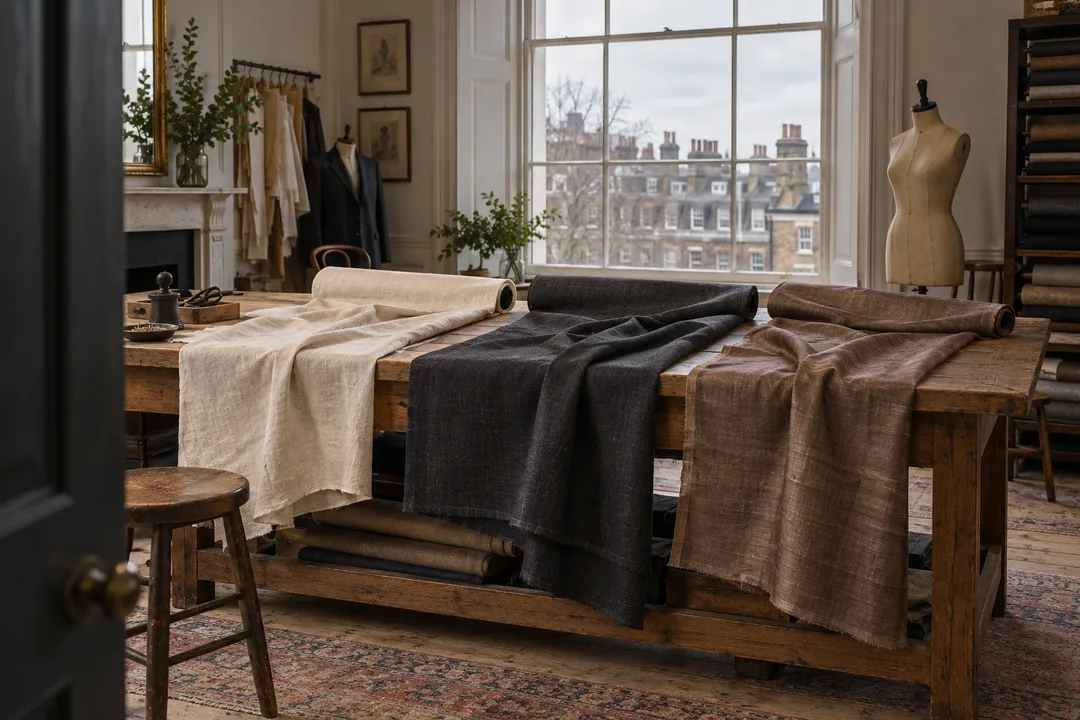
London Bespoke Tailor Atelier: 3 Cloth Choices To Compare
Compare three cloth directions for a London bespoke tailor atelier visit, using your occasion, existing wardrobe, and movement needs to prepare a brief.
London bespoke tailor atelier cloth decisions begin with the job your garment must do. A jacket for a gallery opening, a suit for regular meetings, and trousers for long train journeys need different briefs. Use the Karpo APP conversation to put those requirements into words before a consultation. Compare three cloth directions and leave with a short list of questions about the samples you will handle in person.
Start with the evening, then the fabric
Write the occasion as a short sequence: travel across London, stand through an opening, sit for dinner, and carry the jacket home. Add the month and the clothes you already own. These details give a tailor something more useful than an isolated photograph of a beautiful suit. A dramatic fabric can look convincing in a studio picture while feeling wrong beside your everyday shirt, shoes, and coat.
The first request can be straightforward: “Help me prepare a cloth comparison for a London bespoke tailor atelier. I want a relaxed jacket for gallery evenings, I dislike a stiff shoulder, and I will also wear it with existing trousers.” Ask for questions to take to the appointment. Treat the answer as a draft brief. It cannot replace handling cloth or hearing how a maker proposes to construct the garment.
Compare three directions on equal terms
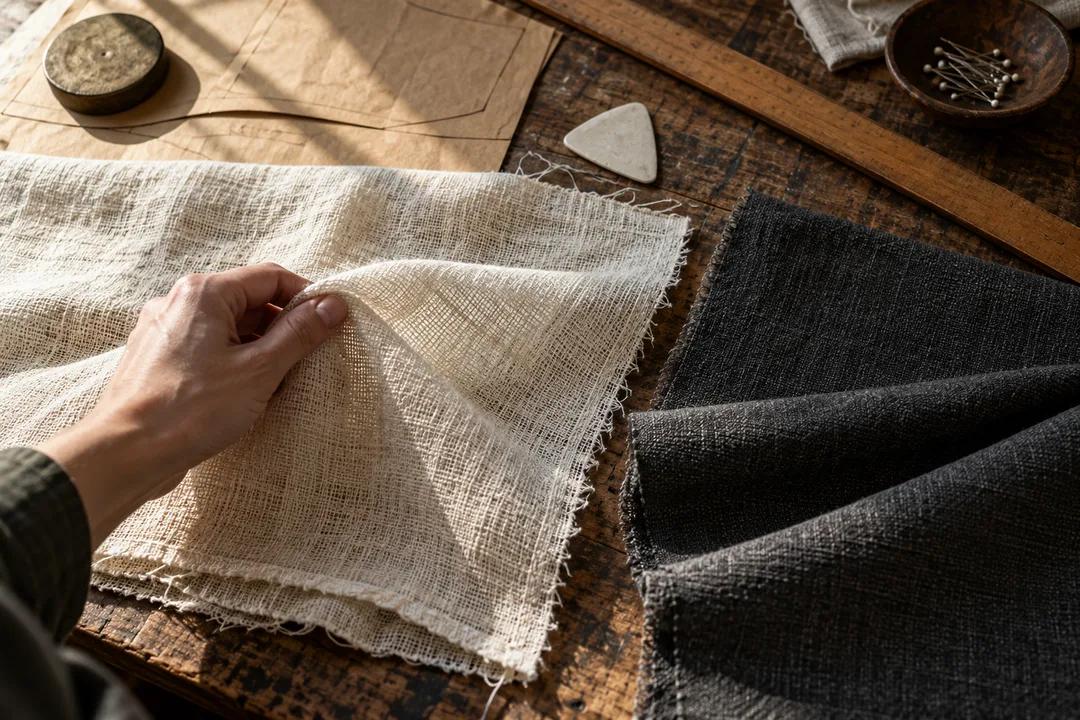
Begin with linen if visible texture and a relaxed appearance appeal to you. Handle a generous sample rather than judging a tiny square. Look at its surface in daylight, fold it loosely, and notice how the resulting crease looks to you. The useful question is personal: would you enjoy this character through an evening, or spend the entire event worrying about the folds? Neither answer needs a fashionable justification.
Put a wool option beside it as a separate candidate. Ask the maker to explain why that specific cloth suits the intended jacket, including its weight, weave, and proposed structure. The fibre name alone does not describe the finished result. Record what the tailor actually says about the sample in front of you. Avoid turning a general description of wool into a guarantee that every wool jacket behaves the same way.
A silk-linen blend provides a third conversation, especially if a softer lustre interests you. Read the composition with the maker and examine the surface from more than one angle. A blend name gives no universal promise about crease recovery, coolness, or durability. Compare the actual piece with the other two candidates under the same light. Otherwise, the display and your excitement about a new material can dominate the decision.
Judge the garment, not just the swatch
Ask to see a larger length draped over a shoulder or a sample garment made from comparable material. A small sample hides the visual effect of a repeating pattern and makes a bold texture seem quieter than it will across a whole jacket. Look from conversational distance as well as close up. The photograph you take for reference should help you remember a decision, rather than become a substitute for the fitting.
Bring the shirt you expect to wear. Place it beside the cloth, then add the intended trousers if you have them. Explain whether the jacket must work with one outfit or several. A cream sample that looks appealing against a dark table can read differently against your shirt. This is a useful moment to abandon an attractive option that creates a second shopping project you do not actually want.
Ask construction questions in plain language
Describe the feeling you want before naming a construction technique. “I want to reach forward without the back feeling tight” communicates a real concern. “I want the lightest possible jacket” can be less useful if it ignores the cloth and shape you prefer. Invite the tailor to explain the tradeoff between support and softness for this particular design. Note the explanation in ordinary language so it still makes sense after the appointment.
Separate a styling preference from a fit problem. A narrow sleeve is a preference until it restricts the movement you need. A low button position is a visual choice until it changes how the jacket feels when you sit. Try the movements that belong to your evening: reaching for a bag, sitting at a table, or folding your arms. Ask before handling a pinned or unfinished garment so the demonstration remains comfortable and safe.
Turn the conversation into a comparison
After the consultation, ask Karpo APP to organise your own notes into three columns: what attracted you, what concerned you, and what still needs an answer. Provide the actual sample descriptions rather than asking it to guess which fabric the atelier showed you. Keep a maker's statement separate from your impression. “The tailor proposed this cloth for a softer jacket” and “I liked its colour” are different kinds of evidence.
Choose one deciding factor before comparing the options again. For this gallery jacket, it might be whether the cloth works with two pairs of trousers already in your wardrobe. For another commission, it might be how the material feels while seated. A clear priority prevents a long list of interesting details from becoming an accidental purchase rule. You can admire a fabric and still decide it does not serve this garment.
Leave space around the appointment
Build the London outing around the atelier you actually select. Put the appointment first and leave any gallery visit or dinner as an optional second stop in the same area. There is little benefit in planning an elaborate cross-city route before you know the consultation's location and duration. In the planning conversation, supply the real starting point, mobility needs, and next commitment so the suggested sequence has practical boundaries.
Use the walk afterwards to think about the cloth away from the display. Notice the colours you repeatedly wear and the coat you reached for that morning. If you are comparing swatch photographs, view them as reminders of the samples rather than accurate colour measurements. Your decision can wait until you have separated the appeal of the room from the appeal of the garment. An unhurried pause is useful even when no purchase follows.
Practical Notes for a cloth consultation
Prepare a short brief containing the occasion, garments needed, preferred silhouette, existing outfit, and any deadline. Carry a notebook or use your own notes on the device you normally bring. Ask permission before taking photographs of fabrics, patterns, staff, or another customer's work. Those are practical courtesies for a shared workspace, not claims about a particular atelier's house rules. Let the business explain its own process and appointment arrangements directly.
End with a decision you can describe: one preferred cloth direction, one rejected option and the reason, and a question for the maker. Keep any quotation, delivery estimate, or fitting arrangement exactly as the atelier supplied it. Karpo APP can be part of preparing and reviewing your questions, while the actual commission remains a conversation with the business. The useful outcome is a brief you understand well enough to discuss without reading a script.
Ask Karpo for more information.
Keep reading
- Brixton Vintage Thrift Shop Finder: South London Retro Gems
 Notting Hill Vintage Thrift Shop Finder: Preloved Rails
 Soho Vintage Thrift Shop Finder: West End Designer Archives