 Brixton Vintage Thrift Shop Finder: South London Retro Gems
Hidden Gems & Odd Finds
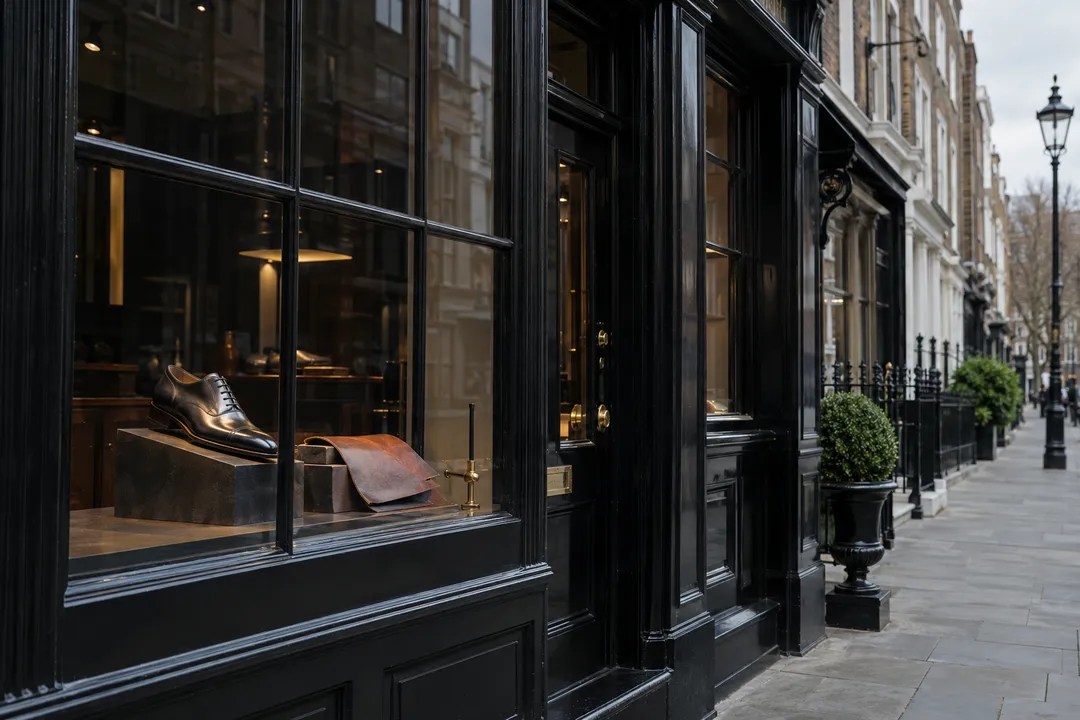
Wildsmith Bespoke Shoemaker: Savile Row Fit Guide Today
Wildsmith at 13 Savile Row connects its 1847 London heritage with a quieter shoe conversation; learn what to inspect before choosing a classic pair.
Wildsmith is a London footwear name founded in 1847, and its current official site presents the brand as a contemporary label shaped by that heritage. The London retail listing places Wildsmith Shoes at 13 Savile Row, London W1S 3NE, with handmade English footwear and listed Monday-to-Saturday hours from 10am to 6pm. That combination deserves a careful reading. The official Wildsmith site is an active online shop with current ready-to-wear models and customer-service contact, while the Savile Row address is the useful in-person reference for the London visit. Go for the shoes, the history, and the fit conversation rather than expecting a huge showroom. A good visit starts with one question: which Wildsmith shape will solve a real wardrobe need without losing the house’s quiet British character?
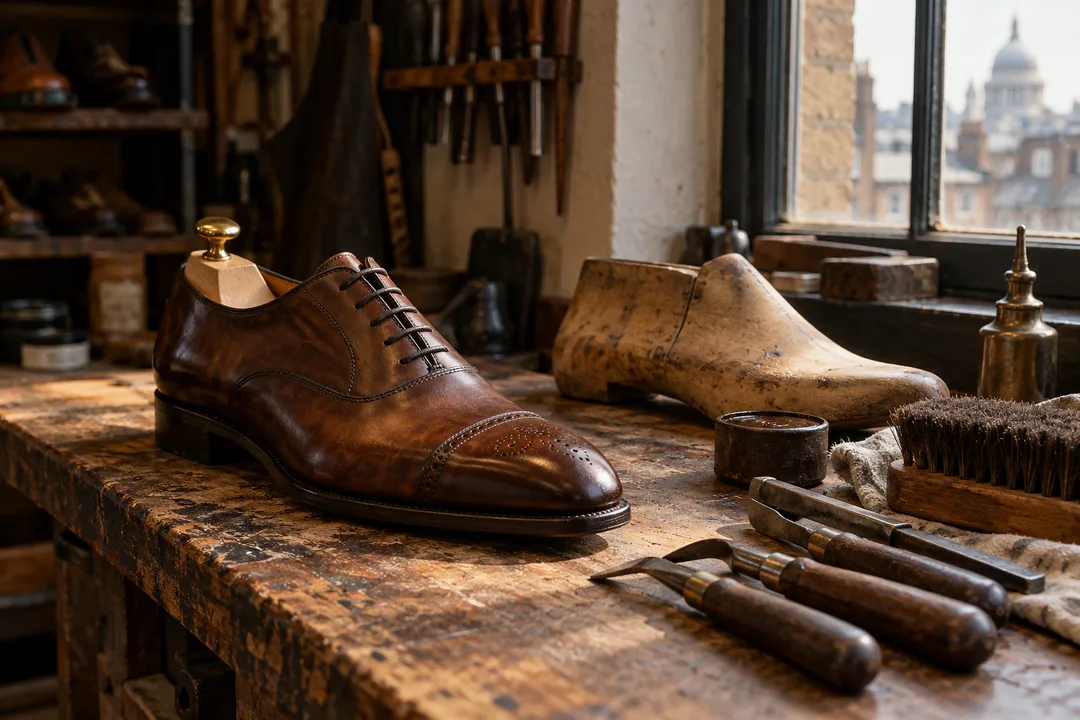
The address and the brand are not the same thing
The brand’s history gives the fitting more texture than a generic luxury purchase. Wildsmith’s own history page says the company opened London stores on Duke Street and later in Jermyn Street’s Princess Arcade, and it links the house to a signature diamond brogue detail. It also tells the story of Raymond Lewis Wildsmith creating a comfortable casual shoe for the Duke of Windsor, later King George VI, in 1926. Those details are useful because they point toward the brand’s idea of comfort within formality. Ask to see where the house signature appears, but do not treat history as a substitute for trying the shoe. Look at the toe, the throat, the heel, and the way the upper meets the sole. Heritage should make the decision sharper, not make every model feel automatically right.
What Wildsmith history adds to a fitting
Begin with the last, even if you do not use the word last in everyday shopping. The last governs the outline: how pointed the toe appears, how high the instep feels, and how the waist narrows beneath the foot. Stand in the shoe long enough to notice pressure rather than relying on a mirror. Walk on a clean surface, flex the forepart, and check whether the heel lifts in a way that feels temporary or structural. Bring the trousers you normally wear, because a narrow trouser break can make a classic toe look longer than it does in the hand. A fitter can help distinguish a size issue from a shape issue. If the left and right feet feel different, say so immediately. The best outcome is not a tight first impression; it is a balanced shoe that remains convincing after a full day.
Start with the last and the line
Wildsmith’s current range includes loafers, brogues, lace-ups, monks, and boots, with online examples around £230 to £280 for many ready-to-wear models. That published range is useful as a shopping anchor, but it is not a bespoke quotation. Choose the category by use. A loafer gives a softer, faster daily option but needs a secure heel and a clear line across the instep. A brogue adds visual texture and can bridge denim with tailoring. A plain lace-up is the easiest place to judge proportion because there is less decoration to distract the eye. Boots make sense when you want more coverage and a stronger relationship with outerwear. Ask which model can be maintained, resoled, or ordered in another leather. A pair that works with three outfits is better value than a dramatic pair that waits for one annual event.
Choosing between loafers, brogues, and lace-ups
The listed shop hours make a weekday morning or early afternoon the calmest time to look, especially if you want to compare shapes without a crowd around the display. Do not arrive after a long day in swollen feet and treat that fit as permanent. Instead, wear normal socks, bring a familiar pair for comparison, and give yourself a few minutes to settle. A serious appointment is not a speed test. Tell the fitter where the shoe will be worn, whether you stand or sit at work, and whether rain is a frequent part of the route. If you are buying for a wedding, bring the actual trouser colour or a swatch. Ask about care before asking about patina. The more concrete the use case, the more useful the advice becomes.
How to use the appointment window
Leather quality shows up in small things: the way the grain sits across the vamp, the consistency of the edge, and whether the heel stack looks clean from the side. Ask how the particular upper should be conditioned and whether the sole wants a break-in period. A polished black calf, brown calf, suede, and grain leather each produce a different relationship with weather and clothing. Wildsmith’s online catalogue makes the material and colour visible, while the physical visit lets you see scale and surface in ordinary light. Avoid judging only under bright display lamps. Turn the shoe, look at the waist, inspect the stitching, and check that the pair feels like one object rather than a collection of finishes. If the shop offers a model with a house diamond detail, use it as a conversation starter, not a reason to ignore fit.
A quiet way to judge leather and finishing
A visit is also a chance to compare the brand’s current online offer with the physical proportions that photographs flatten. The catalogue gives you a starting point for model names, colours, and published ready-to-wear prices, but a fitting room reveals scale: how much of the shoe is visual toe, how the quarters sit, and whether the heel feels secure when you turn. Take one model in each hand if the shop allows it, and look at the pair from the side before deciding from above. If the online order is the most practical route, use the London visit to settle the shape first. That sequence prevents a familiar mistake in luxury footwear: buying the most recognisable silhouette before learning which silhouette actually suits your ankle and stride.
A St James’s and Mayfair loop
A short walk after the visit helps you remember the decision. From Savile Row, move toward Burlington Gardens and Jermyn Street for a compact loop through London’s traditional menswear district. Continue toward St James’s Square if you want quieter architecture, or turn toward Piccadilly for a livelier route. Keep the walk before trying shoes short if you are carrying a new pair; use the visit as the anchor and make the neighbourhood the reward. Savile Row is easy to combine with tailoring appointments, but avoid stacking three fittings back to back. One shoe conversation deserves enough mental space to compare the last, colour, and use case. On the way home, write down the model, leather, size, and the point that made the shoe comfortable. Memory becomes unreliable once the shop windows blur together.
Practical Notes for Wildsmith
Practical details: the London listing for Wildsmith Shoes is 13 Savile Row, London W1S 3NE, and gives Monday-to-Saturday hours of 10am–6pm with Sunday closed. Wildsmith’s official site lists customer service at +44 (0)1548 801401, Monday to Friday, 8:30am–5pm UK time, and sells current ready-to-wear footwear online. The brand’s own history records a 1847 foundation and the diamond brogue signature. Treat 13 Savile Row as the in-person retail reference, make the trip during the listed window, and use the official site for current product and contact details. The practical winning order is last first, wardrobe second, finish third: it keeps a heritage shopping trip grounded in how your feet actually live.
Ask Karpo for more information.
Keep reading
- Brixton Vintage Thrift Shop Finder: South London Retro Gems
 Notting Hill Vintage Thrift Shop Finder: Preloved Rails
 Soho Vintage Thrift Shop Finder: West End Designer Archives