 Clapham Weekend Brunch Planner: Parkside Morning Cafes
Restaurants
Borough Bao Bun Lunch Picker for Curious Home Cooks
Home cooks who dream of steaming their own bao can learn plenty from one lunch. This Borough guide shows what to notice in the bun, the fold and the fillings.
Some people eat a bao and move on. Others eat one and immediately wonder how the dough became so soft, why the bun folds without cracking and what makes the pork glaze shine. If you are the second kind of person, Borough is a good place to turn lunch into a lesson. This bao bun lunch picker is for curious home cooks who want to understand the bun on the plate before they try to steam a batch in their own kitchen.
A Lunch That Doubles as a Lesson
Recipe blogs and online videos make bao look simple. Mix a yeasted dough, roll it, fold it, steam it. Anyone who has tried it at home knows the reality is different. The buns come out dense, wrinkled or yellow, and the fillings slide out the side. Eating a well made bao slowly, with attention, is one of the best ways to understand what you are aiming for before you start.
Borough suits this kind of lunch because food is already the main conversation here. The streets around the market have drawn cooks, traders and curious eaters for centuries, and people tend to talk about ingredients rather than just order and leave. Arriving with questions in mind turns an ordinary lunch break into an hour of tasting research, and the walk around the area afterwards adds to it.
Looking Closely at the Dough
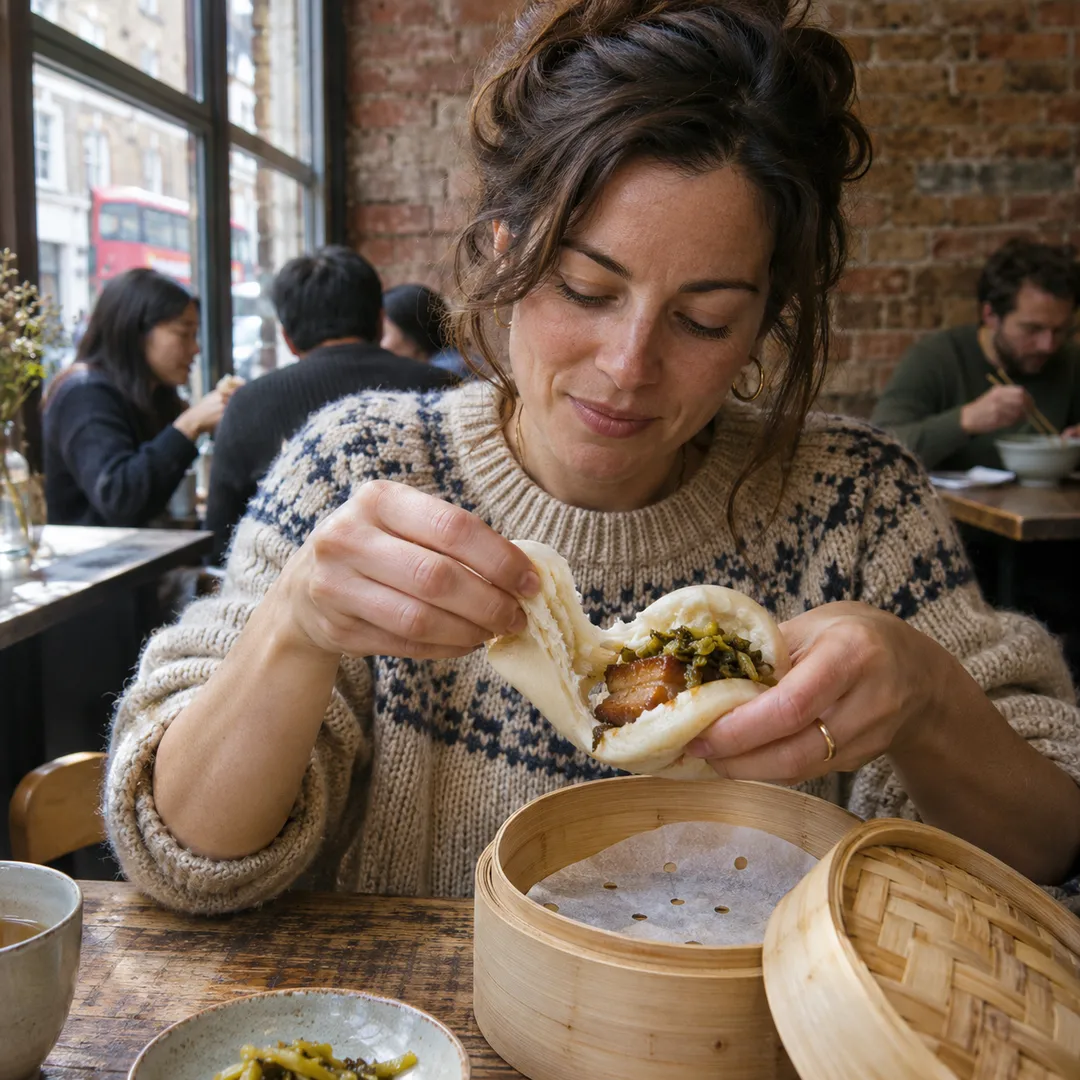
Start with the bun itself. Pull a piece off the edge before you bite into the filling. A good steamed bao should be white or very pale, smooth on the outside and fine textured inside, with a slight springy pull. It should feel light in the hand, almost like a soft cloud. If it is chewy or tight, the dough was probably under proved or rolled too thin.
Notice the fold too. Classic gua bao is rolled into an oval, brushed lightly with oil and folded over before steaming, which is why it opens neatly like a soft taco. Round filled buns, such as char siu bao, are pleated at the top and sealed. Comparing one of each at the same lunch shows you two different techniques, and gives you a clear idea of which one you want to try first at home.
Tasting the Fillings in Order
Most bao menus have a slow braised pork option, a fried chicken bun and at least one vegetable or tofu filling. Try them in that order, from rich to light, and pay attention to the balance. The pork is often sweet and salty, softened with pickled mustard greens. The chicken relies on crunch and a sharp sauce. The vegetable bun shows how much the kitchen relies on texture rather than meat.
Take mental notes as you go. Is there crushed peanut on top? Fresh coriander? A sweet soy glaze, a chilli mayonnaise or a vinegary pickle? Every garnish has a job, either cutting through fat or adding crunch. Home cooks often skip these details and wonder why their version tastes flat. Noticing them on a real lunch plate is the fastest way to learn the full recipe.
Shopping for Ingredients Nearby
Borough is surrounded by places to pick up ingredients, so you can leave lunch with a shopping list and a few fresh purchases. Look for spring onions, coriander, ginger and fresh greens, and consider a good piece of pork belly from a butcher if you plan to braise your own filling. Taking photos of the bao you ate before you shop helps you remember what to buy.
For pantry items such as Shaoxing wine, five spice, dark soy, peanuts and low protein flour, it is often easier to plan a second trip to an Asian supermarket elsewhere in London. Karpo APP can help you find bao spots and Asian grocery shops close to your route, so the lunch and the shopping fit into the same afternoon without crossing the whole city.
Asking Questions Without Getting in the Way
Small kitchens are busy at lunchtime, and staff rarely have time for a long conversation about dough hydration. If you want to ask something, keep it short and wait until the queue has cleared. A friendly question about which filling they are proudest of, or how long they braise the pork, usually gets a warm answer. Detailed recipes are part of their living, so do not expect them to share everything.
A better approach is to come back on a quieter afternoon, order again and simply watch. In open kitchens you can often see the steamers stacked up, the speed of the folding and how the buns are assembled at the pass. A few minutes of quiet observation can teach as much as any recipe card, and it is far more pleasant for everyone than an interview during the rush.
Walking Home Along the River
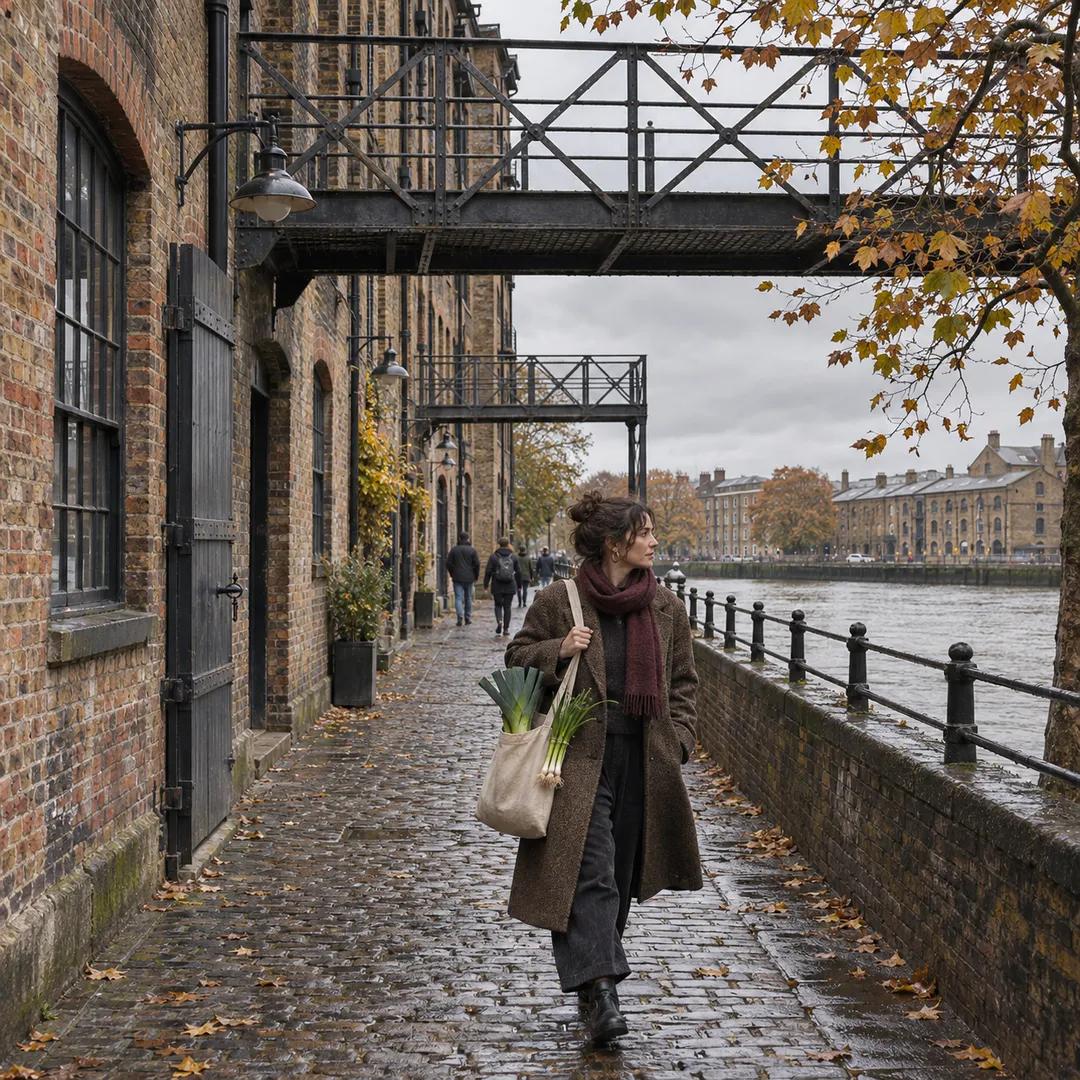
After lunch, take the long way back through the lanes beside the river. Southwark Cathedral sits right beside the market, one of the oldest Gothic churches in London, and its small churchyard garden is a quiet place to sit for a few minutes and write down what you tasted. From there, the narrow riverside streets lead west past old warehouses towards Bankside.
The Thames Path makes the walk easy and flat, with views across the water to the City. Walking helps the details of a meal settle, and many home cooks find their best ideas arrive on the way home rather than at the table. By the time you reach Bankside, you may already have decided whether your first attempt will be gua bao or round steamed buns.
Turning Notes Into a First Batch
Back home, choose one style to start with rather than trying everything at once. Gua bao is the friendliest first attempt, since the folded shape is forgiving and the filling is cooked separately. Make a small batch, steam over gently simmering water and keep the lid closed. Compare the result with the buns you ate in Borough, and adjust from there.
Expect the first batch to be imperfect. Many home cooks need three or four tries before the dough becomes light and smooth. Each lunch you eat out becomes a reference point, and returning to Borough every few weeks to taste again is a pleasant way to measure your progress while enjoying someone else's cooking.
Planning a Borough Bao Lunch
Borough is at its busiest at lunchtime and on weekends, when the market draws big crowds. For a slower lunch with time to watch the kitchen, a weekday afternoon is usually calmer. Arrive with a short list of two or three bao spots so you can switch quickly if one is packed, and keep your group small if you want space to talk about the food.
Vegetarian and vegan fillings vary from kitchen to kitchen, so mention dietary needs when choosing where to go. Use Karpo APP to shortlist a few bao spots in Borough and nearby Southwark before you head out, pick one that matches your mood and the weather, and save the others for the next lesson lunch.
Ask Karpo for more information.
Keep reading
- Clapham Weekend Brunch Planner: Parkside Morning Cafes
 Hackney Weekend Brunch Planner: Canalside Roastery Tables
 Soho Weekend Brunch Planner: Historic Townhouse Tables