 Richmond Park Sunset Viewing Planner: Deer Meadow Horizons
Weekend Plans
Leiths Baking Class in West London: Masterclass Skills
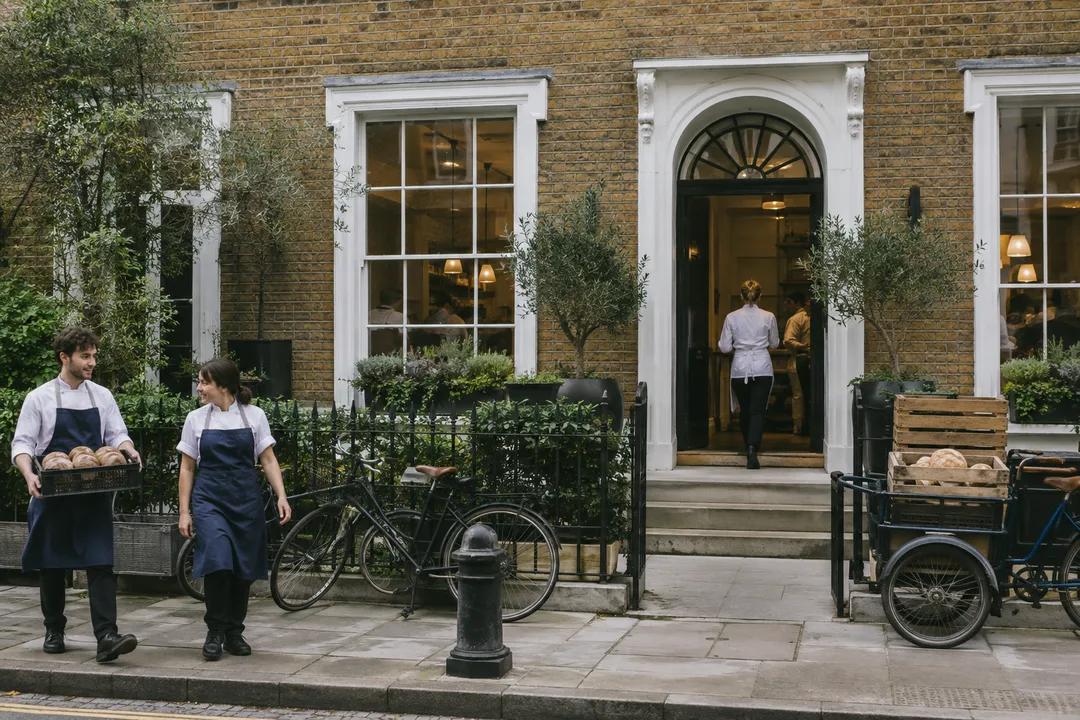
Leiths at 16–20 Wendell Road runs London culinary masterclasses from its West London school; its day-course format suits focused skill building.
A baking class near me search can lead to casual workshops, but Leiths is built around culinary education. The school’s official site describes its Culinary Masterclasses as day courses held at the London school, making the format a good fit for a learner who wants concentrated teaching rather than a quick social activity. At 16–20 Wendell Road, London, W12 9RT, the setting gives the class enough room to treat technique as the main event.
The West London Setting
Leiths sits in a part of London where a class can feel separate from the noise of the centre without becoming difficult to reach. Give yourself time to arrive, find the school, and reset before the first demonstration. A culinary lesson asks for attention from the first weighing step. If you arrive flustered, you are more likely to rush a fold or miss the reason an instructor changes the order of operations.
What a Masterclass Should Teach
The best day course does more than produce a good-looking bake. It gives you a way to judge dough, pastry, cream, or heat without relying on a timer alone. Notice the language the teacher uses: a dough may be described by elasticity, a pastry by temperature and handling, and a sponge by structure and spring. These cues are the bridge between professional instruction and the food you make in a home kitchen.
Choose Skill Over Spectacle
Leiths lists a range of Culinary Masterclasses, so choose a subject that matches a real gap in your baking. Pasta, bread, pastry, desserts, and kitchen foundations demand different kinds of attention. A beautiful final plate is welcome, but the better choice is the session that answers the question you keep meeting at home. If your pastry cracks, choose a class that explains handling; if your bread lacks lift, choose one that makes fermentation visible.
How to Work in a Professional Kitchen
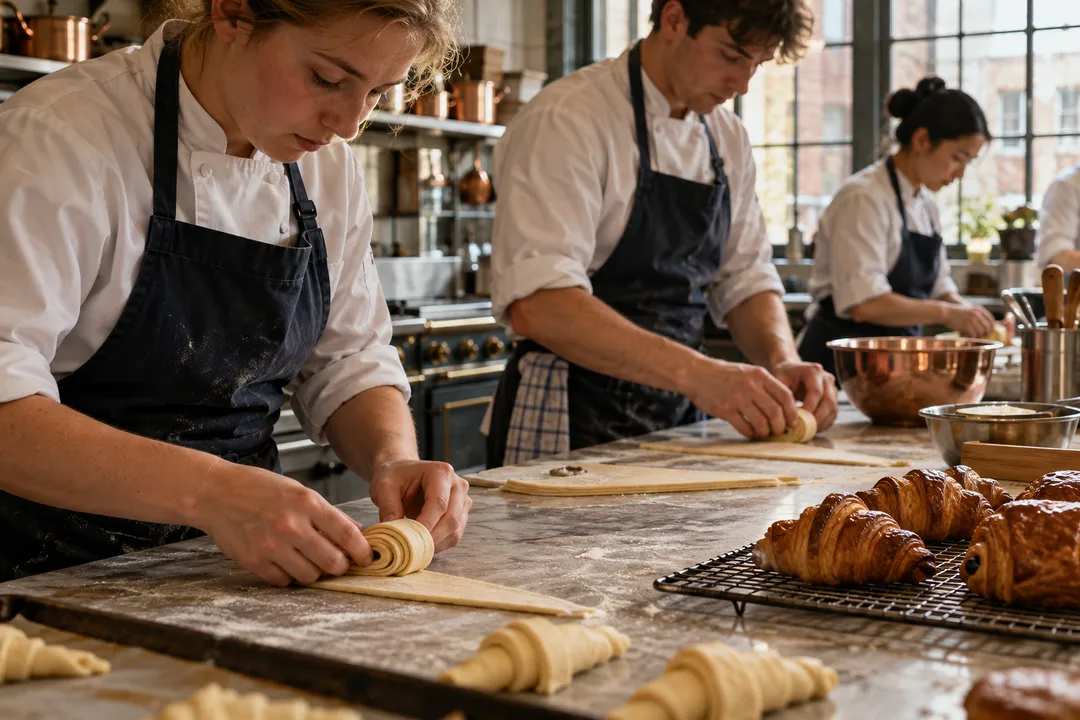
A professional teaching kitchen rewards preparation and restraint. Keep ingredients grouped, return tools promptly, and do not move a tray without knowing where it belongs. If a technique feels unfamiliar, watch once before copying it. Ask a precise question instead of asking whether something is simply “wrong.” The more clearly you describe the texture or temperature you see, the more useful the teacher’s correction becomes.
The Timing Behind a Good Bake
A day course is also a lesson in waiting. Dough may need to rest, pastry may need to chill, and a finished bake may need to cool before it can be cut or decorated. Use those pauses to clean your station and listen to the next explanation. The temptation is to treat a pause as dead time, yet it often contains the lesson that separates a neat result from one that collapses at the final stage.
Taste With a Notebook Open
When the class reaches tasting, write down more than whether you like the result. Note the balance of sweetness and acidity, the texture of the crumb, and the point at which aroma arrives. Ask what would change if you used a different flour, rested longer, or served the bake warm. A short note about one sensory clue can be more useful than copying the entire recipe word for word. Add a quick comparison while the work is still in front of you: a pale crust and a deep crust do not signal the same finish, and a soft centre is not automatically underbaked. Seeing those distinctions in a school kitchen gives the written recipe a useful visual scale. It also helps you describe a problem accurately when you practise again, which makes the next correction much faster.
Who Benefits Most From Leiths
Leiths suits the learner who wants structure and is willing to practise. It can work for a confident home baker looking for sharper technique, a career-minded student testing a direction, or a beginner who wants to learn good habits early. It is less useful for someone who only wants a quick photograph and a finished box. The value is in understanding the steps that make the result repeatable after the class ends.
The School Office Details
Leiths publishes 16–20 Wendell Road, London, W12 9RT, as its school address and lists the general telephone number as 020 8749 6400. Its contact page gives school office hours as Monday to Friday, 8:45am–4:45pm. Those details are useful when planning arrival, asking about a course, or deciding whether a weekday call fits your schedule. The official site also carries the masterclass listings and booking route.
A Calm Route Through the Neighbourhood
Keep your after-class walk modest if you are carrying a delicate bake or equipment. A short route around the local streets gives you time to replay the teacher’s explanations without turning the afternoon into a race across London. If you plan a meal afterward, leave a buffer for cooling and packing. A class day works best when the practical work, the journey home, and the food you made all receive enough space.
What to Record Before You Leave
Before packing up, record three things: the visual sign that a dough is ready, the common mistake the teacher corrected, and one adjustment you want to try at home. This turns a good class into a small training plan. You do not need to reproduce every element immediately. Repeating one technique several times is more valuable than collecting ambitious recipes that never fit the way you actually cook.
Turn One Day Into Better Baking
Leiths is a strong London baking class choice for people who want a school-day format, chef-led explanation, and a serious West London setting. Use the official masterclass pages to choose the subject, arrive with a clear learning goal, and pay attention to the moments recipes usually skip: texture, rest, heat, and recovery. Leave with one skill that can improve the next ordinary bake, not just the one made in class.
Keep the Lesson in Your Routine
A Leiths class becomes worthwhile when its professional detail survives an ordinary week. Choose one preparation, one sensory cue, and one timing decision to repeat at home. The school provides the concentrated environment; your routine provides the long-term test. That balance is why the West London setting works for serious home bakers: one day of instruction can become a series of small improvements rather than a single ambitious project.
Ask Karpo for more information.
Keep reading
- Richmond Park Sunset Viewing Planner: Deer Meadow Horizons
 South Bank Sunset Viewing Planner: Thames Riverside Walks
 Parliament Hill Sunset Viewing Planner: London Heath Vistas