 Richmond Park Sunset Viewing Planner: Deer Meadow Horizons
Weekend Plans
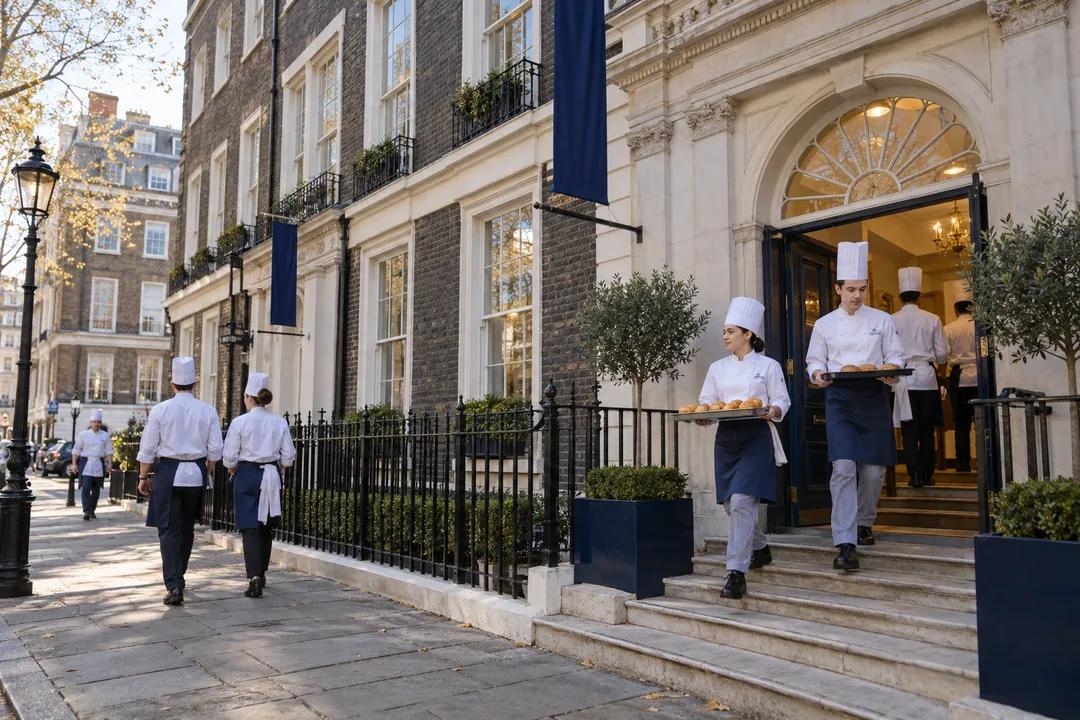
Le Cordon Bleu Baking Class: Bloomsbury French Pastry Skills
Le Cordon Bleu London is at 15 Bloomsbury Square and offers a formal route into French baking. Expect structured kitchen practice and classic pastry technique.
Le Cordon Bleu London gives a baking class near me search a very specific answer: a formal French culinary school at 15 Bloomsbury Square, in the heart of Bloomsbury. The address matters because this is not a casual café demonstration or a market stall. It is a teaching environment built around professional technique, measured preparation, and the kind of pastry vocabulary that makes a home kitchen feel more organised after one lesson. The school's London site is the right starting point for the current short-course and programme information.
Start With the School Setting
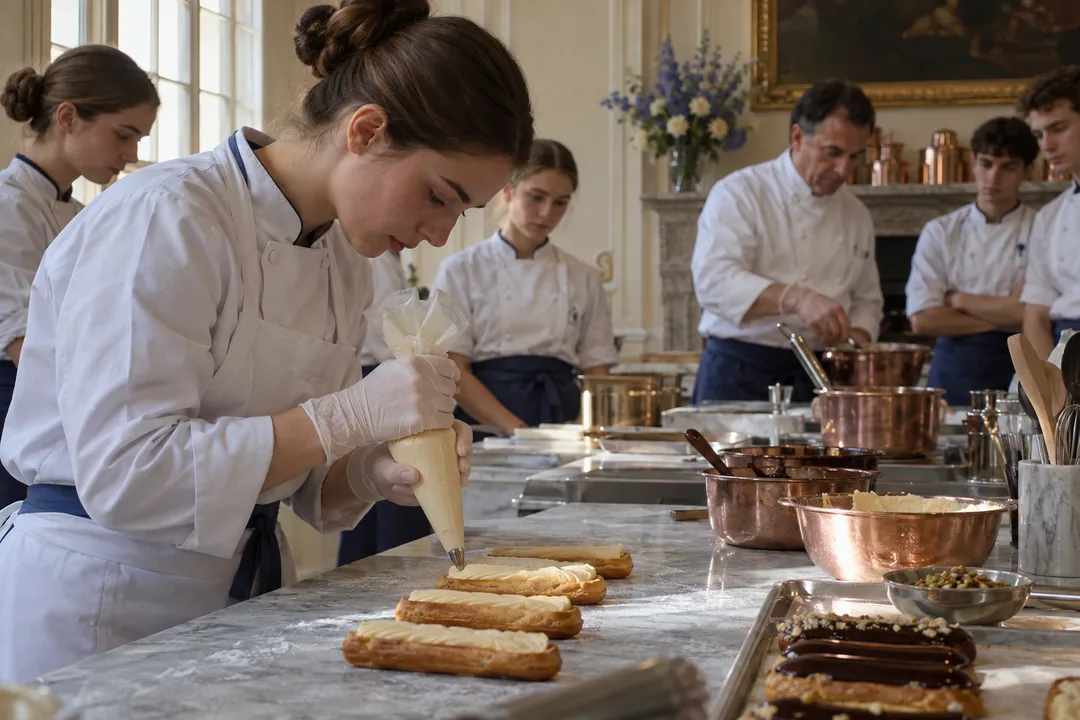
The first useful distinction is pace. A school kitchen asks you to arrive ready to work rather than drift in for entertainment. Weigh ingredients before mixing, listen for the explanation behind each fold, and keep your bench clear enough to see what the dough is doing. That routine can feel strict for a first-timer, but it is precisely why the experience is valuable. French pastry rewards repeatable movements: temperature control, clean edges, even thickness, and a deliberate pause when butter or dough needs to settle.
What the Kitchen Teaches
The school setting also changes the kind of questions worth asking. Instead of asking only whether a pastry looks finished, ask how the instructor judges gluten development, lamination, oven spring, or the point at which a cream has become stable. Those terms are practical, not decorative. They help you diagnose a collapsed tart shell or a heavy loaf when you recreate the recipe at home. A notebook is more useful than a camera here, because the order of operations is often the lesson you forget first.
The Small Details That Matter
For a first visit, classic French pastry is the sensible focus. Choose the session that gives you the clearest chance to handle dough, cream, or enriched dough from start to finish. The memorable result is not simply a glossy finish; it is understanding why a chilled component holds its shape, why a baked base stays crisp, and how a pastry chef keeps a work surface calm while several components move at once. If you already bake, use the class to refine one weak stage rather than collect another recipe.
What to Make First
The quiet rule is to respect the bench. Keep personal bags out of the working area, wear practical clothing, and follow the instructor's sequence even when your home method feels faster. A beginner who asks one precise question will usually learn more than a confident baker who rushes ahead. The people who get the most from this kind of class are curious home cooks, pastry career hopefuls, and serious hobbyists who enjoy learning in a room where technique is visible from every angle.
Who Will Enjoy It
Bloomsbury makes the outing easy to extend without turning it into a marathon. Walk south toward Russell Square, continue through the leafy garden, then angle toward the British Museum area before choosing a coffee stop. The neighbourhood's Georgian streets and university buildings provide a slower contrast to the concentration of the kitchen. Keep the route short if you have a fragile pastry box. A careful walk and a level bag are more useful than packing in every nearby attraction before the bake has cooled.
A Bloomsbury Walk After Class
Practical Notes: The venue is Le Cordon Bleu London at 15 Bloomsbury Square, London, WC1A 2LS. Use the official London site for the published course calendar, booking instructions, accessibility information, and any session-specific inclusions. Wear shoes that are comfortable for standing, arrive with enough time to put away outerwear, and bring a notebook. Do not assume a class allows a large amount of luggage or a last-minute substitution; the published booking terms are the operative rules for the session you select.
Practical Notes
This is not the right pick if you want a drop-in activity, a cheap social evening, or a class where the instructor does all the difficult work. The structured format is the point. If your ideal day is a relaxed bread workshop with a more informal rhythm, a neighbourhood bakery school may suit you better. If your goal is professional French technique, however, choosing a formal school is more honest than expecting a casual class to cover the same ground in half the time.
When to Choose Another Class
The strongest takeaway is discipline without drama. Le Cordon Bleu London turns baking into a sequence of decisions that can be repeated: weigh accurately, manage temperature, make space, and notice the texture before you correct it. That is why the Bloomsbury address works for a baking class near me search. You leave with more than a finished item; you leave with a clearer way to read dough, pastry, and your own habits at the bench.
The Takeaway
The French tradition is useful because it makes small choices legible. A tart shell is not simply baked or unbaked; it can be under-set, overworked, too warm, or supported by the wrong filling. An instructor can show those differences while the evidence is still in front of you. That comparison is difficult when a home baker only sees a final photograph online. Write down the visual clue that mattered most, then use it as a checkpoint in your own kitchen.
The Value of French Precision
When the class ends, separate the things you learned from the things you carried home. A pastry may be perfect on the day and less perfect after a long journey, while a note about resting dough remains useful for years. Photograph your handwritten sequence if you want a record, but keep the bench clear during the lesson. The practical souvenir is a short list of temperatures, textures, and warning signs that will make your next attempt calmer.
Pack the Learning, Not Just the Pastry
One class can introduce the language; a later class can sharpen one technique. Return only when you have a clear goal, such as cleaner choux, more even lamination, or better finishing. Otherwise the school becomes a collection of attractive projects rather than a progression. Bloomsbury is a sensible base because the location is central, the setting is serious, and each visit can be tied to a specific pastry question rather than a vague wish to bake better.
Ask Karpo for more information.
Keep reading
- Richmond Park Sunset Viewing Planner: Deer Meadow Horizons
 South Bank Sunset Viewing Planner: Thames Riverside Walks
 Parliament Hill Sunset Viewing Planner: London Heath Vistas