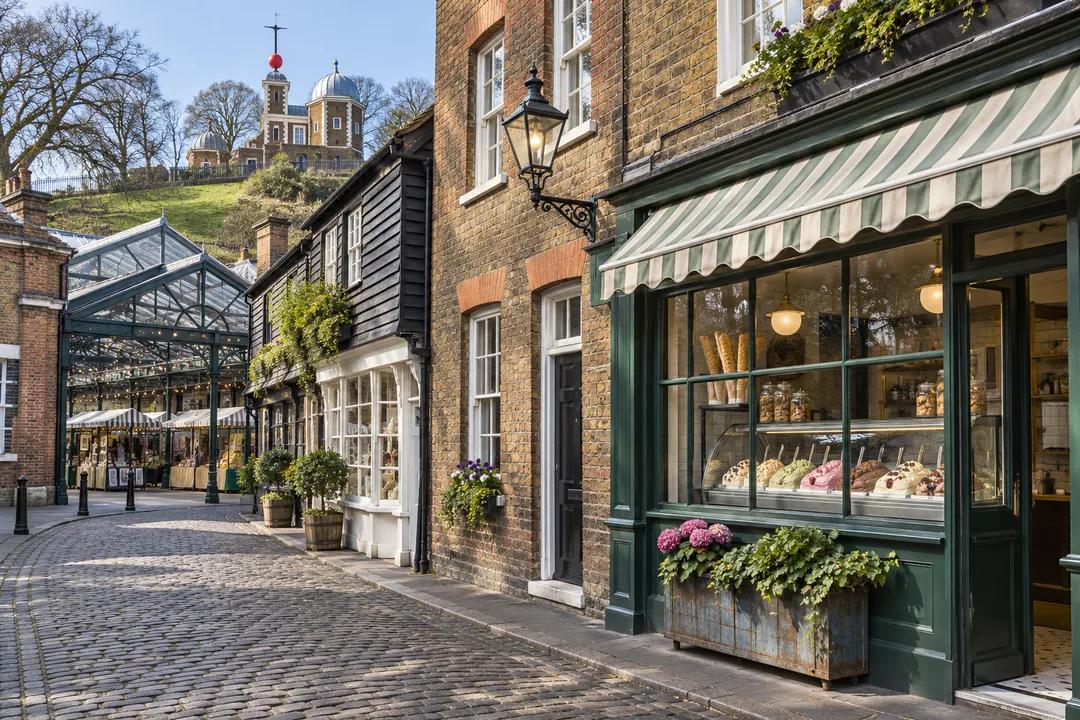
 Greenwich Gelato Shop Crawl: Market Cobbles to Park Hilltop
Coffee & Dessert
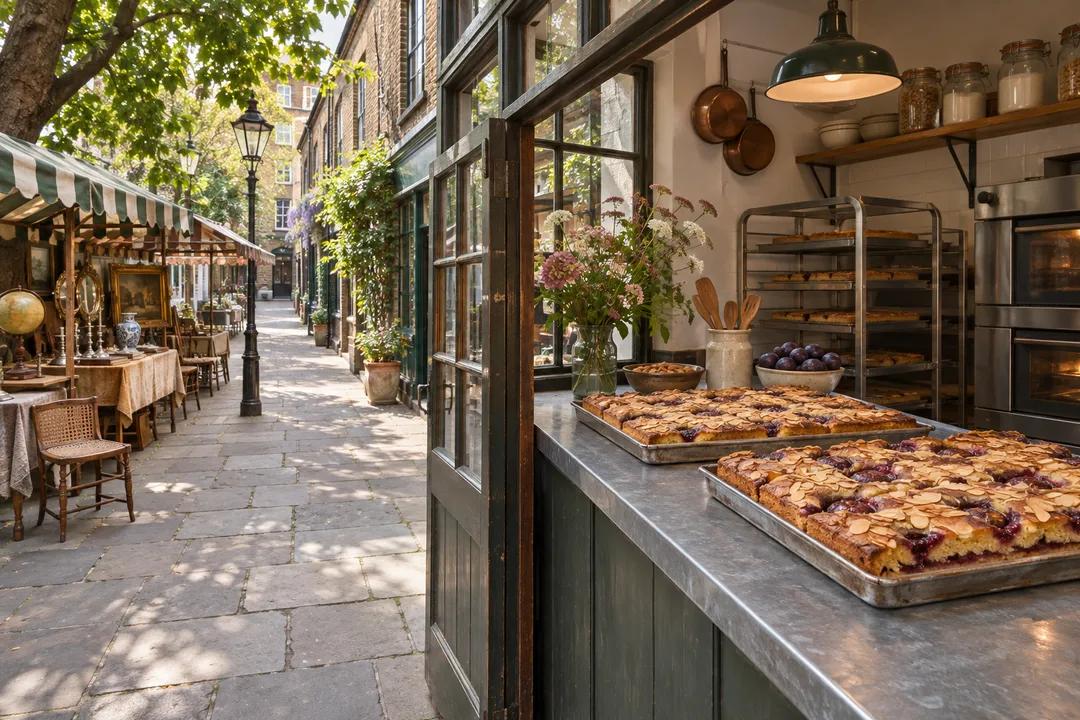
Islington Bakewell Tart Bakery Crawl: Canal Walk Tray Cuts
Follow an Islington bakewell tart bakery crawl from Camden Passage to Regent's Canal, walk-in only. Compare spelt-crust damson cuts with cherry slabs.
On Saturday afternoons when antique dealers set out brass candlesticks and lithograph portfolios along the flagstones of Camden Passage, the smell of toasted spelt flour and warm almond paste drifts out from the micro-bakeries tucked behind Upper Street. Taking a bakewell tart bakery crawl through Islington offers a completely different experience from West End patisserie browsing: here, small-batch grain bakers treat the Bakewell as a hearty, rectangular traybake cut into generous squares for canal walkers. Two printmaker friends and I run this North London route whenever we finish pulling proofs at a studio near Angel, pairing a whole-grain damson-and-almond square from the passage lanes with a warm Morello-cherry frangipane slab near Colebrooke Row before walking down to the water at City Road Lock. Every counter along the route operates on a walk-in basis without table reservations, and arriving after the morning sourdough loaf queue clears gives you direct access to the afternoon sweet trays.
Whole-Grain Spelt Shortcrusts and Rectangular Traybake Traditions
Islington's independent baking scene leans heavily toward stoneground British flours and seasonal orchard preserves, which transforms the character of a classic Bakewell tart. Around Camden Passage and Charlton Place, bakers blend heritage spelt or light rye into their pastry dough before pressing it into wide, heavy-gauge rectangular roasting tins. That whole-grain base bakes up with a deeply nutty, biscuit-like crunch and a warm golden-brown color that holds its edge even beneath a generous layer of fruit jam. Rather than pale blanched almond flour, these kitchens grind whole unblanched almonds with their skins intact, creating a speckled, rustic frangipane rich in roasted oils.
Walk five minutes south across the cobbles toward Duncan Terrace and the corners near Colebrooke Row, and you encounter a second neighborhood style built around home-style British counter baking. Here, café kitchens turn out high-sided cherry-and-amaretto Bakewell slabs topped with a light crumble of demerara sugar, sliced almonds, and a drizzle of glacé water icing rather than a solid fondant sheet. Comparing a savory-edged spelt-and-damson square against a plush, almond-extract-kissed cherry traybake shows how well the Bakewell template adapts to autumn and winter stone fruits.
The crowd queueing along these counters knows exactly how to time the oven schedule. Print collectors carrying cardboard portfolio tubes, couples walking greyhounds toward the canal towpath, and local architects from Islington Green wait until the midday sandwich rush subsides. Once the counter staff slide fresh rectangular trays onto the wooden cooling blocks, regulars ask for a corner cut if they love dark, caramelized pastry walls, or a center square if they want maximum frangipane height and jam moisture.
Choosing Between Corner Cuts and Center Squares at the Counter
Because many Islington bakehouses bake their Bakewells in large sheet pans rather than round fluted rings, where your slice comes from on the tray changes the texture of every bite. When you look into the counter glass, inspect the perimeter of the slab first. A corner piece gives you two tall walls of crisp, browned shortcrust where the jam has bubbled up and slightly candied against the hot tin—ideal if you plan to eat the pastry out of hand from a wax-paper wrap while walking down toward the lock.
If you prefer a softer, pudding-like spoonful to eat with a wooden fork on a park bench, ask for an interior square cut from the middle of the pan. Look for a cross-section where dark purple damson or black-cherry compote forms a thick, glistening seam between the grain crust and the domed almond sponge. Skip any tray where the top flaked almonds look pale and raw or where the icing has melted into sticky gray puddles, which happens when a sheet pan is glazed before the frangipane has properly set on the rack.
Pair your pastry selection with a drink that matches the heavier grain profile. Whole-meal spelt and rye crusts stand up wonderfully to a nutty flat white or a cup of dark-roasted filter coffee, whereas a sweeter cherry-and-icing slab benefits from the astringent snap of unsweetened cold-brew or hot Assam tea. If you are carrying rolled prints or vintage finds from Camden Passage, ask the staff to pack your squares side by side in a flat-bottomed cardboard box rather than stacking them in a paper bag.
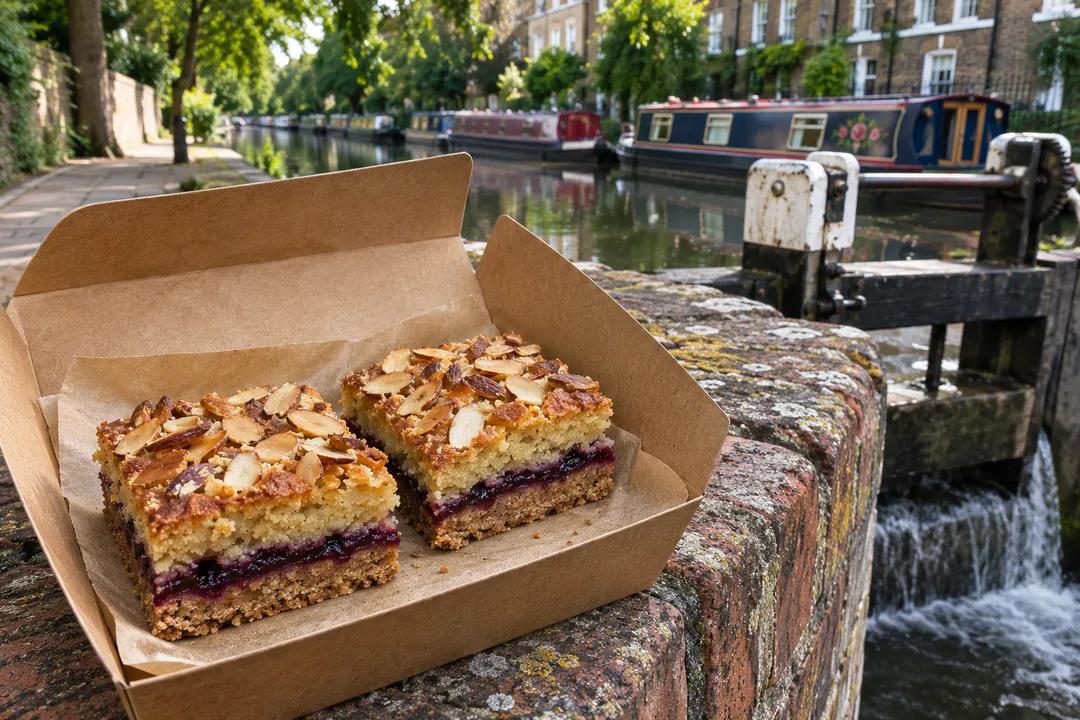
Walking from Camden Passage Through Duncan Terrace to City Road Lock
Start your route at the northern end of Camden Passage near Islington Green, where the pedestrianized lane shields you from the bus noise of Upper Street. Pick up your first Bakewell square—ideally a warm whole-grain damson or raspberry cut—and pause briefly by the antique arcade tables before turning south onto Charlton Place. Skip sitting at the cramped pavement tables directly facing the traffic lanes of Upper Street; less than two minutes away, quiet Georgian terraces offer far calmer surroundings.
Follow the long, tree-lined sweep of Duncan Terrace southward, passing tall brick townhouses, wrought-iron balconies, and the tranquil green strip of Colebrooke Row Gardens. Along this quiet residential corridor, stop at your second neighborhood bakery counter for a cherry-glazed Bakewell slice and a hot drink to carry toward the water. The gentle downhill grade leads you straight to the stone steps above the Regent's Canal just as it emerges from the long underground brickwork of the Islington Tunnel.
Settle onto the timber benches or low brick walls around City Road Lock to open your pastry box and compare the two cuts side by side. Watching narrowboats maneuver into the lock chamber while you work through flaky spelt crust and dark orchard jam is one of the finest cold-weather afternoon rituals in North London. If you still have energy after finishing the last almond crumbs, walk east along the towpath toward Victoria Miro's waterside precinct or loop north into the leafy paths of Canonbury Square.
Using the Karpo APP to Track Towpath Cafés and Rainy-Day Shelters
Islington's micro-bakeries are spread across narrow passages, residential squares, and canal-side arches, making the Karpo APP a practical companion before you step out of Angel Station. You can map a clean walking line from Camden Passage down to the Regent's Canal, filter dessert and bakery counters by whether they offer indoor seating or takeaway hatches, and check neighborhood routes toward Canonbury or De Beauvoir Town.
When a brisk wind sweeps down the canal cut or a sudden shower wets the benches at City Road Lock, opening the Karpo APP lets you pivot to warm indoor seating without losing your stride. You can quickly spot spacious café rooms tucked behind Islington Green, covered arcade tables in the antique malls along Pierrepont Row, or quiet tea counters up toward Cross Street where you can sit under shelter and enjoy your boxed Bakewell squares in comfort.
Ask Karpo for more information.
Keep reading
- Greenwich Gelato Shop Crawl: Market Cobbles to Park Hilltop
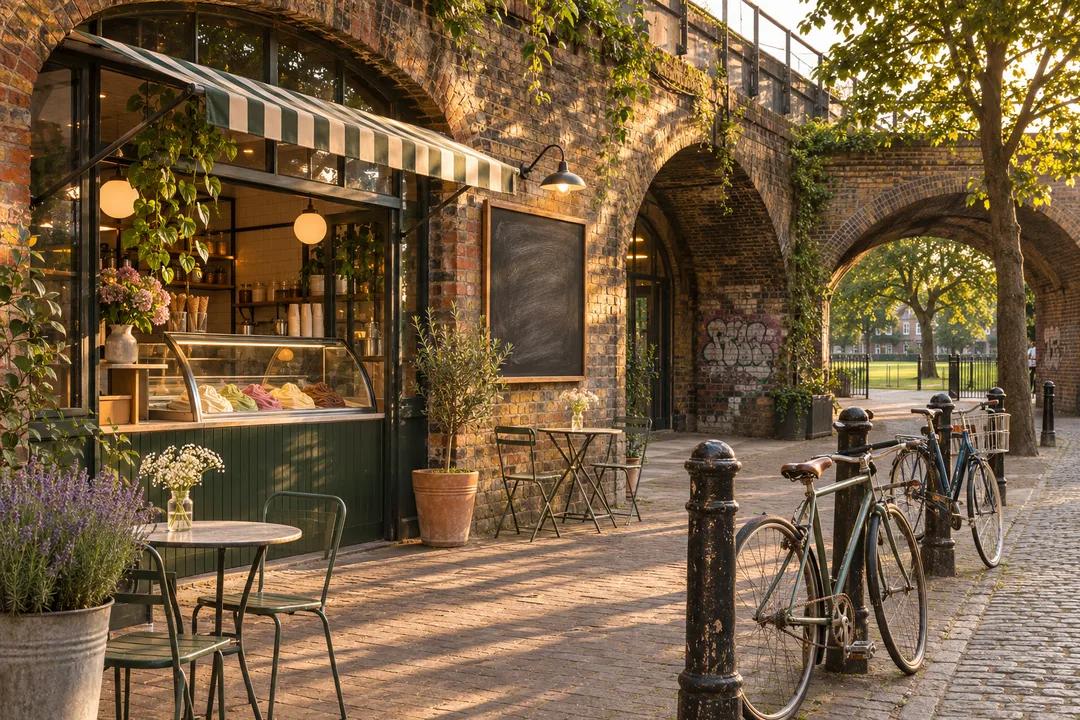 Hackney Gelato Shop Crawl: Small-Batch Arch and Park Route
 Islington Gelato Shop Crawl: Sunday Canal and Passage Walk