 Greenwich Gelato Shop Crawl: Market Cobbles to Park Hilltop
Coffee & Dessert
Borough Bakewell Tart Bakery Crawl: Arch Trays Before Noon
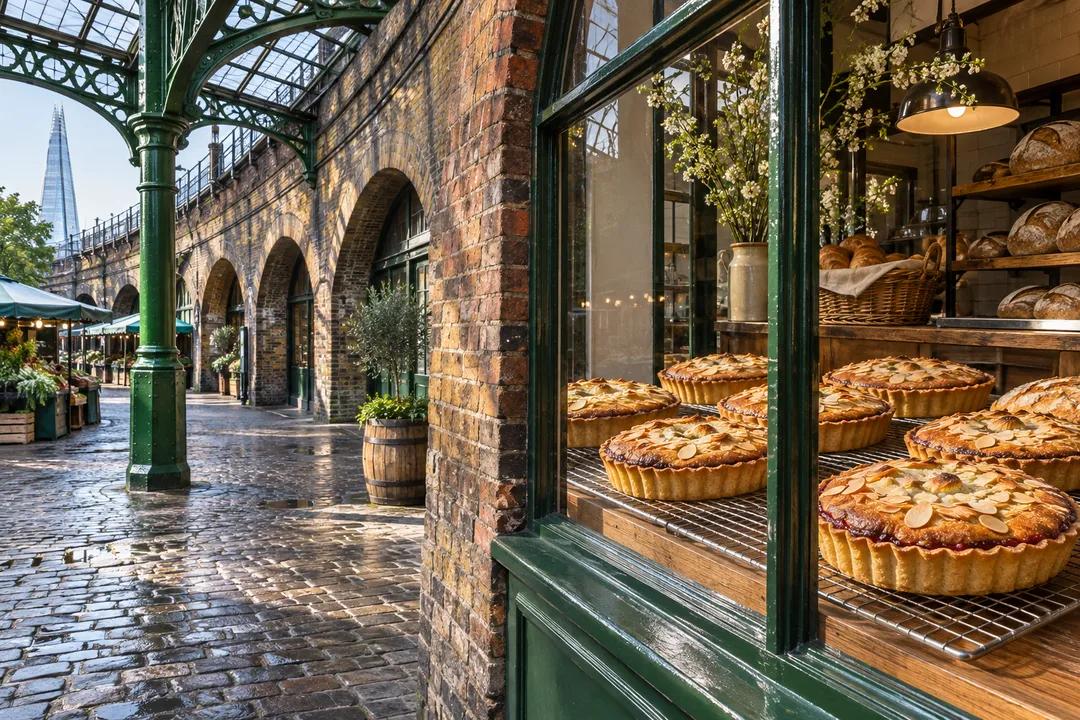
Walk a Borough bakewell tart bakery crawl under the brick railway arches before noon, no booking needed. Compare warm frangipane slices with iced tartlets.
Steam from espresso groups and the sweet, nutty scent of roasting almonds drift beneath the Victorian brick viaducts around Stoney Street long before the midday lunch crowd packs the market passages. Planning a bakewell tart bakery crawl across Borough rewards anyone who arrives during the late-morning lull, when bakers pull deep, fluted tins from deck ovens and set them to cool on wire racks beside the arch doorways. My brother works as an architect near Bermondsey Street, and because our family grew up near the Derbyshire peaks where the original pudding first took shape, we treat this south-of-the-river pocket as our favorite testing ground for almond pastry in London. Within a ten-minute walk from the cast-iron market roof down to the quiet brick warehouses of Bermondsey, you can compare rustic, toasted-almond frangipane wedges against refined, glacé-iced patisserie tartlets without waiting in a single weekend brunch queue. No table reservation is required at any stop along the route, though starting before noon ensures the crispest pastry shells and the calmest standing counters.
Why Borough and Bermondsey Suit a Two-Style Pastry Comparison
Very few neighborhoods in the capital pack two completely contrasting approaches to British almond tarts into such a compact, walkable footprint. Beneath the railway arches near Bedale Street and Cathedral Street, grain-focused bakehouses treat the Bakewell as a hefty, oven-warm morning staple. Here, bakers press stoneground flour and salted butter into deep metal rings, spread a tart ribbon of whole-berry raspberry preserve across the base, and pile on coarse frangipane whipped with brown butter and whole-skin almond meal. The top emerges from the oven blistered and buried under toasted flaked almonds rather than sugar icing, letting the roasted nuttiness and sharp fruit cut through the damp Thames air.
Walk ten minutes southeast under the rumbling train tracks toward Bermondsey Street and Tanner Street, and the baking style shifts toward continental precision. Small neighborhood patisseries housed in converted leather warehouses and Victorian shopfronts bake individual sweet-paste tartlets with razor-thin, dead-level walls. Instead of a rustic crumble of flaked almonds, these counters finish their tarts with a glossy disc of white fondant feathered in dark raspberry purée or crowned with a single kirsch-soaked cherry. Tasting both versions back to back turns a simple coffee break into a genuine study of crust thickness, jam acidity, and almond texture.
The regulars you meet along the route reflect that split in character. Under the market viaducts, wholesale food buyers in heavy canvas aprons, cathedral choristers between rehearsals, and cycle commuters balance warm slices on waxed paper atop upturned timber barrels. Over on Bermondsey Street, graphic designers from nearby studios and dog walkers heading toward Tanner Street Park linger at narrow window ledges with porcelain cortado cups, comparing notes on which counter achieved the cleanest snap on its pastry base that morning.
Decoding the Anatomy: Frangipane Depth, Jam Acid, and Crust Snap
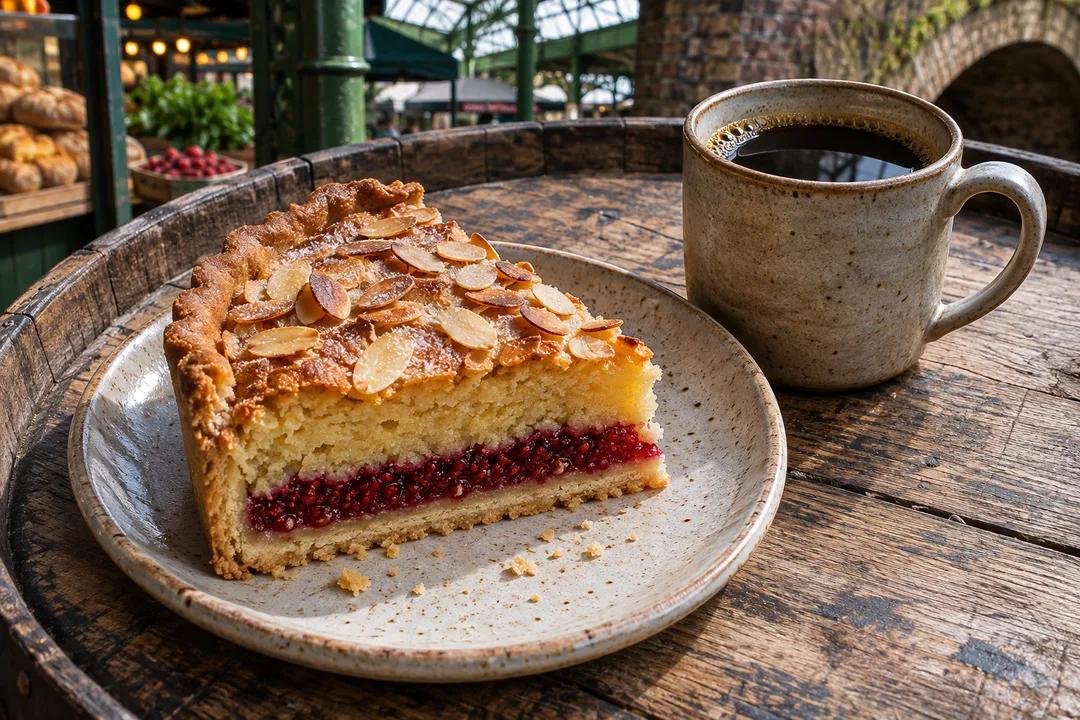
When you step up to a glass display case on a Borough crawl, three visual cues tell you immediately whether a slice is worth ordering. Look first at the cross-section where the fruit meets the sponge. A well-made tart shows a distinct, jewel-dark stripe of seed-in raspberry, plum, or sour-cherry jam that has stayed separate from the almond filling above it. If the jam layer is barely a smear or has bled completely into a gray, soggy bottom crust, the baker either under-baked the blind shell or used a thin, overly sweet jelly that vanishes on the palate.
Examine the frangipane crumb next. In the railway-arch bakeries around Winchester Walk, standout slices show tiny flecks of dark almond skin and a moist, slightly dense crumb that holds together on a wooden fork without feeling heavy or gummy. When a kitchen leans too hard on synthetic almond essence instead of generous ground almonds and butter, the aroma hits your nose with an artificial marzipan sharpness before you even take a bite. Ask the counter staff whether they use traditional raspberry preserve or a seasonal orchard swap; in autumn and winter, several south-bank ovens switch to Shropshire damson or bramble jam, which brings a wonderful tannic bite against rich almond cream.
Skip the pre-wrapped cellophane wedges stacked on ambient wooden crates near the outer fruit-and-vegetable stalls. Trapping a fresh Bakewell in plastic while it still holds residual oven warmth steams the shortcrust, turning a crisp, sandy base into soft cardboard within an hour. Always choose a counter that cuts straight from an uncovered tin on the rack or boxes individual tartlets to order from a ventilated pastry shelf.
Sequencing Your Morning Route from Stoney Street to Red Cross Garden
Start your walk at the northern end near Southwark Cathedral while the market flagstones are still freshly hosed and quiet. Make your first stop a railway-arch bakehouse for a warm, un-iced flaked-almond slice paired with a long black or flat white. Eating the warm tart first matters: straight from the tin, the butter in the frangipane is soft and aromatic, and the toasted almond flakes shatter lightly against the teeth. Stand at one of the outdoor timber ledges under the iron canopy to eat it on the spot rather than boxing it up, as warm frangipane can slump if carried sideways in a tote bag.
From the arches, thread past the medieval stonework of Winchester Palace on Clink Street and cross Southwark Bridge Road toward the quiet pocket parks tucked behind the high street. Before heading all the way to Bermondsey Street, pause at Red Cross Garden on Redcross Way, a Victorian pocket garden restored with a small pond, tiled pavilion, and wooden benches facing historic cottages. It is a calm mid-crawl breather where you can clear your palate with water and decide whether you want a classic fondant-iced tartlet or a modern laminated variation for your second stop.
Finish the second leg along Bermondsey Street, where independent coffee bars and patisseries set out their chilled and room-temperature afternoon pastries by late morning. Here, order an iced Bakewell tartlet or a cherry-almond slice boxed in a rigid kraft carton. If the indoor stools are full with local studio teams, carry your box two minutes further to the benches around St Mary Magdalen Churchyard, where ancient plane trees shelter paved paths from the wind and give you plenty of elbow room to unbox pastry without balancing plates on your knees.
Using the Karpo APP to Map Live Stops and Wet-Weather Backups
Because Borough's narrow arcades and Bermondsey's side lanes twist around railway piers and dead-end courtyards, opening the Karpo APP before you leave London Bridge Station keeps the walk effortless. You can filter neighborhood bakery and dessert stops by walking distance, compare which counters focus on sit-down coffee versus takeaway pastry hatches, and save a custom loop that links Southwark Cathedral, Red Cross Garden, and Bermondsey Street without backtracking across busy arterial crossings.
When a sudden Thames downpour blows across Southwark or a small arch counter sells out of its morning Bakewell tin early, the Karpo APP helps you pivot to nearby covered alternatives in seconds. If outdoor garden benches are wet, head back under the glass-and-iron roof near Jubilee Place or duck into the public seating alcoves around the riverside galleries toward Bankside. You can also use the Karpo APP to spot quiet espresso rooms along Great Maze Pond or Snowsfields where wide wooden tables welcome pastry boxes and wet umbrellas until the clouds clear.
Ask Karpo for more information.
Keep reading
- Greenwich Gelato Shop Crawl: Market Cobbles to Park Hilltop
 Hackney Gelato Shop Crawl: Small-Batch Arch and Park Route
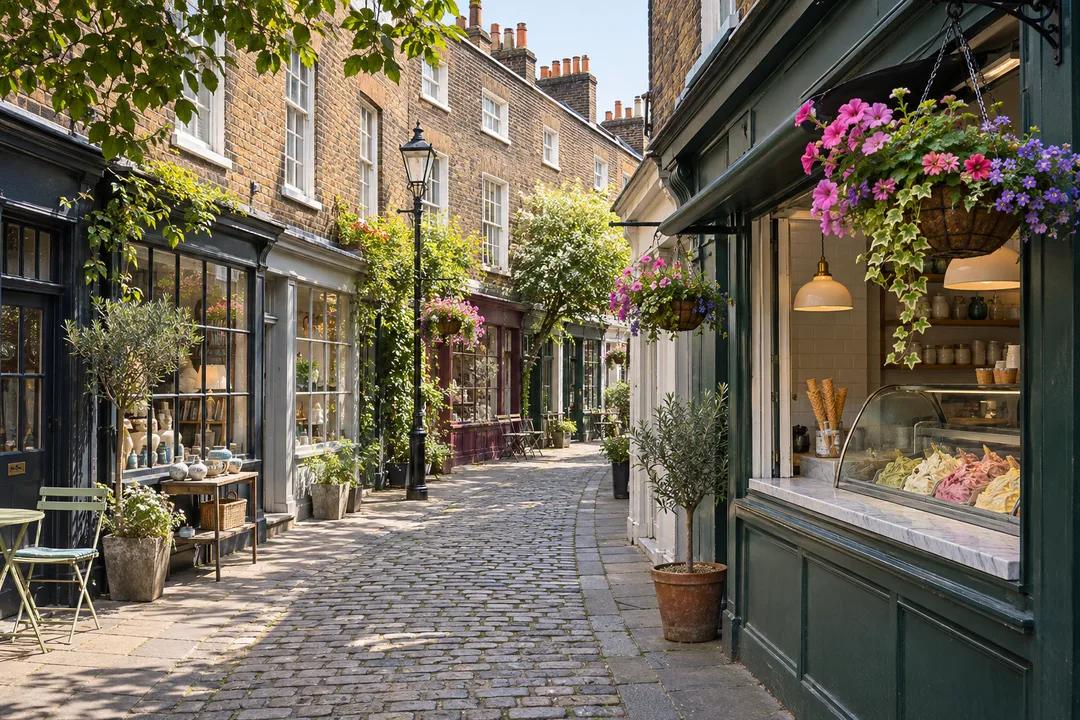 Islington Gelato Shop Crawl: Sunday Canal and Passage Walk