 Brixton Vintage Thrift Shop Finder: South London Retro Gems
Hidden Gems & Odd Finds
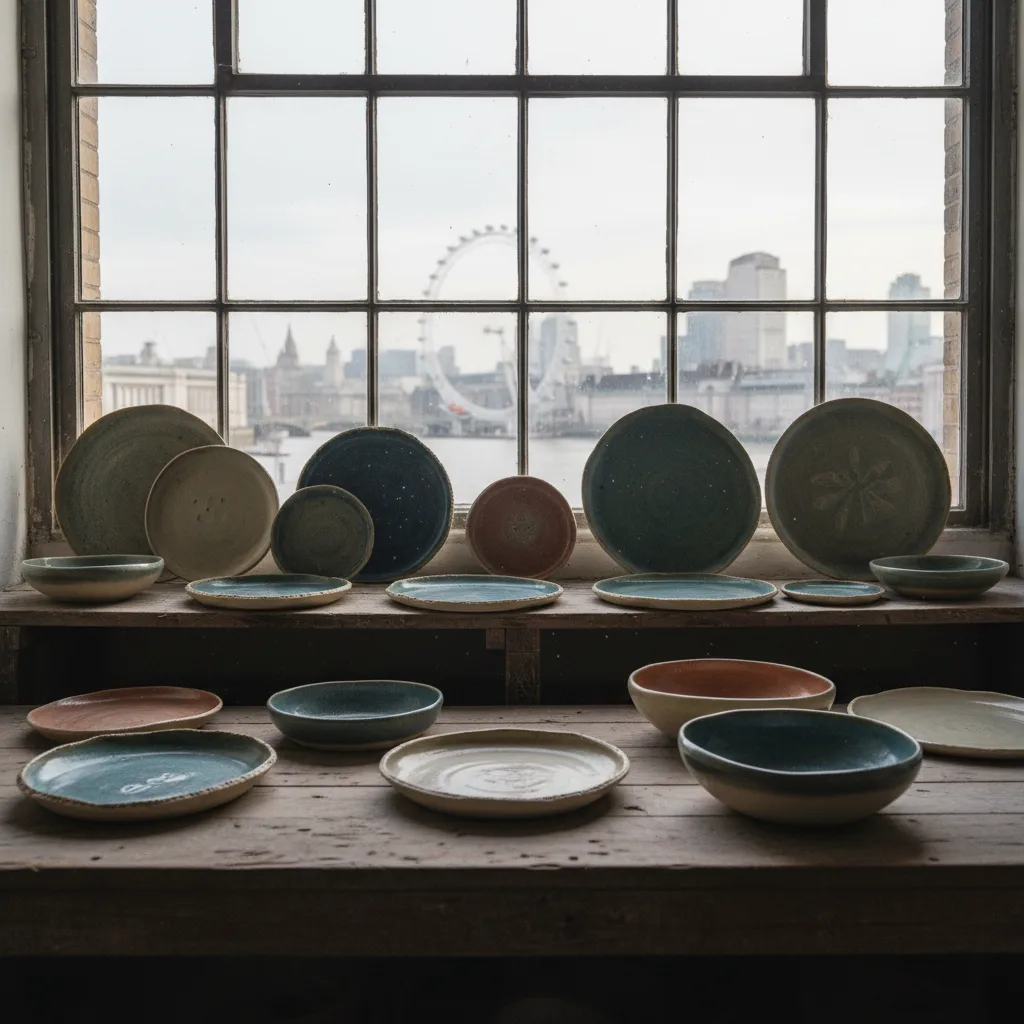
South Bank Artisan Ceramic Tableware: Riverside Guide
Review artisan serving platters and stoneware dishes along South Bank walkways with clay density criteria, food-safe glazes, and scenic river detours.
London's South Bank has long served as a prominent cultural and artistic thoroughfare, where historic riverside docks and modern creative centers thrive side by side. Tucked behind the bustling Queen's Walk, destinations like Oxo Tower Wharf and Gabriel's Wharf provide homes to independent makers, ceramicists, and craft guilds. Visitors walking this riverside stretch discover artisan ceramic tableware that emphasizes generous scale, communal dining platters, and architectural silhouettes inspired by the Thames. Using Karpo APP to plan a walking route through these riverside craft enclaves allows you to bypass crowded tourist bottlenecks and locate distinctive pottery ateliers tucked into multi-level workshop galleries.
Riverside Ateliers And Broad Tableware Forms
Large-format serving ware represents a specialty among South Bank ceramic studios. Generous oval platters, deep family-style salad bowls, and low-profile pasta servers require advanced throwing and slab-rolling mastery to prevent cracking during drying and firing. A substantial centerpiece dish should feature robust structural walls and a broad, stable foot ring that anchors securely to your dining table. When curating sharing vessels, consider how easily the handles or flared rim lip can be grasped when carrying steaming roasted vegetables or sauced grains directly from kitchen counter to table.
Clay density directly influences the durability and heat retention of substantial serving vessels. High-fired stoneware formulated with iron and fine quartz particles vitrifies into a dense, stone-like matrix that resists chipping along vulnerable outer edges. When evaluating heavy ceramic bowls, tap the rim with your fingernail to listen for a clear, resonant tone, which indicates a solid, crack-free ceramic body. Porous or under-fired earthenware produces a dull thud and should be avoided for everyday dining utility.
Glaze formulation on broad tableware must withstand acidic salad dressings, citrus marinades, and sharp metal serving utensils. Look for studio collections that specify non-toxic, lead-free glazes with balanced silica-alumina ratios that create an impervious glass shield over the clay. Decorative crackle or craquelure glazes require careful inspection; while aesthetically striking, micro-cracks on food contact surfaces must be fully sealed with high-fire vitreous slips to prevent oil and bacterial accumulation over time.
Foot ring finishing is an indispensable detail that distinguishes master-crafted tableware from rushed production. Because large platters rest heavily on wooden dining tables, any grit or burr on the unglazed bottom can gouge furniture finishes. Run your fingertips across the entire circumference of the bottom ring. High-quality South Bank studios diligently polish their foot rings using diamond sanding pads, ensuring a satin-smooth contact surface that glides harmlessly across polished oak, walnut, or marble surfaces.
Clay Density And Weight Distribution Across Large Dishes
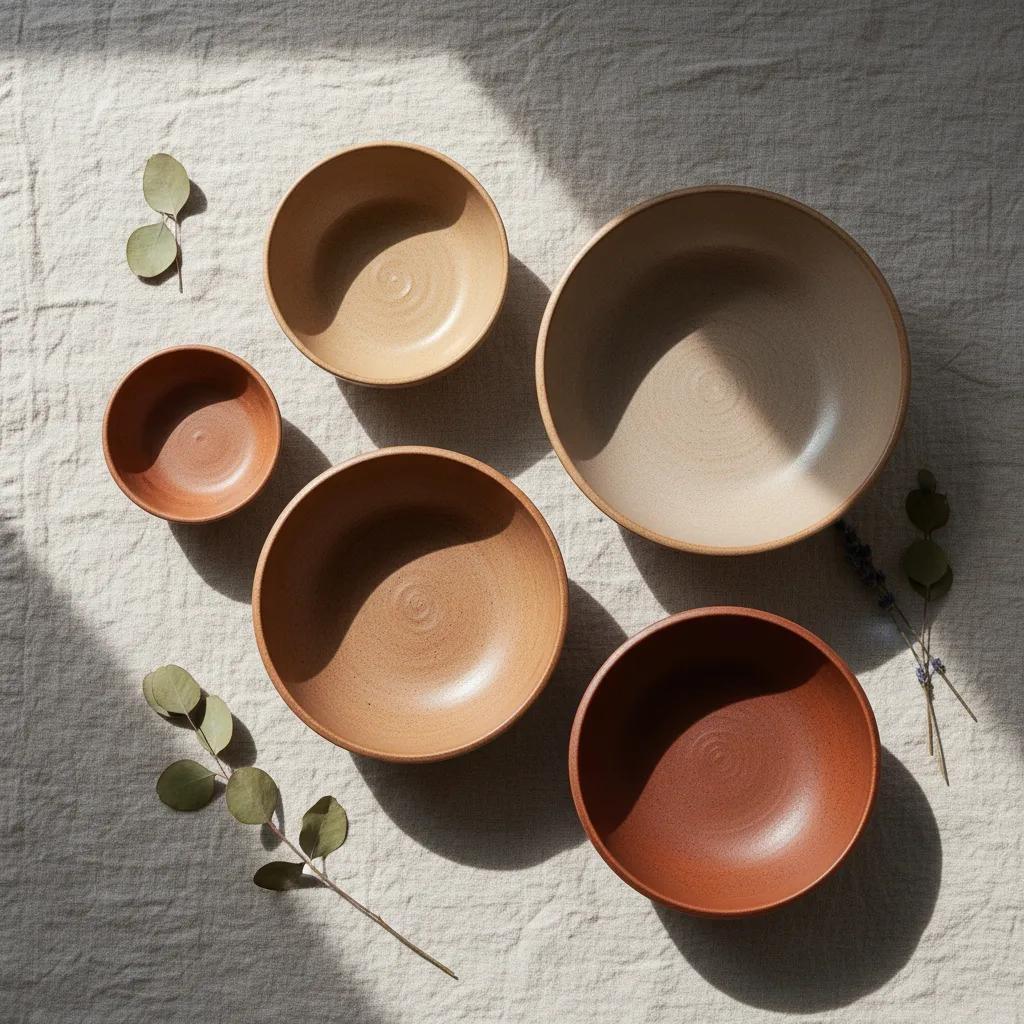
Nesting and modularity enhance the everyday utility of artisan dining sets. When selecting smaller accessory bowls, tapas plates, and condiment dishes, observe how harmoniously the pieces cluster together inside a larger platter. Coordinated sets that share complementary glaze palettes—such as misty Thames river greys, charcoal iron washes, and creamy linen tones—bring visual cohesion to family-style dining arrangements without appearing rigid or overly formal.
Maintenance of artisan serving vessels requires gentle kitchen practices. While high-fired stoneware is durable, rapid temperature shifts must be avoided; never place a hot platter onto a cold granite countertop without a cork trivet or woven mat underneath. Hand-washing with warm water, mild soap, and a soft cloth maintains glaze luster, while periodic wiping of unglazed bases with a drop of mineral oil preserves the rich, natural color of raw terracotta and stoneware clays.
Transporting broad ceramic platters along the South Bank demands extra packing mindfulness. Because wide platters catch wind and are vulnerable to side knocks, wrapping each vessel in heavy corrugated paper sleeves and packing them into rigid, flat-bottomed shopping totes is essential. Avoid carrying large platters horizontally by hand through crowded pedestrian hubs; vertical packing nestled snugly against clothing inside a padded carry bag provides maximum protection during the journey home.
Craquelure Glaze Safety And Acid Resistance
Connecting your pottery acquisitions with the riverside environment enriches the shopping excursion. After browsing studio displays at Oxo Tower Wharf, take a gentle walk along the riverside terrace toward Waterloo Bridge. Pausing to look out over the river while carrying your carefully wrapped stoneware allows you to reflect on the artisanal tradition that has shaped this waterfront for centuries, making your new dining pieces meaningful reminders of London's creative spirit.
Building a thoughtfully assembled collection of artisan ceramic tableware transforms everyday meals into deliberate celebrations of craft. By choosing well-crafted pieces from independent South Bank ateliers, you support local makers while bringing functional elegance to your home dining table. Karpo APP serves as a dependable tool for planning future studio circuits and following seasonal kiln openings across London's thriving craft communities.
Sharing generous platters of homemade food on handcrafted ceramic vessels creates an inviting atmosphere of warmth and hospitality. The tactile presence of artisan stoneware encourages diners to linger at the table, savoring second helpings and unhurried conversation. Each bowl and serving dish carries the quiet presence of thoughtful craftsmanship.
Safeguarding Ceramic Platters Along Waterfront Walks
Every addition to your ceramic tableware collection represents a conscious choice to prioritize durability and human artistry over disposable mass manufacture. South Bank potters channel generations of Thameside creative energy into functional objects designed to withstand decades of joyful domestic feasting.
The substantial feel of vitrified riverside pottery elevates ordinary weekend cooking into memorable gatherings with family and friends. When hearty grain salads, roasted fish, or braised meats are presented on generous handmade platters, the meal feels grounded in authentic craft traditions.
Exploring London's riverside craft galleries fosters an enduring appreciation for small-batch pottery production. Integrating these tactile ceramic platters into your domestic dining repertoire ensures that every shared feast carries a lasting connection to London's vibrant creative community.
Oxford Wharf Footpaths And Waterloo Transit Connections
Generous sharing platters from South Bank studios bring a welcoming communal spirit to family meals and social gatherings. The tactile heft of high-fired stoneware anchors the dining table, inviting guests to slow down, share dishes, and appreciate both the cooking and the craftsmanship.
Collecting artisan tableware along the Thames connects your household with centuries of riverside ceramic history. Each hand-turned bowl and wide serving platter carries the creative dedication of London makers, transforming everyday domestic dining into an enduring celebration of craft.
Bespoke ceramic tableware serves as a tactile reminder of London's vibrant craft heritage, turning simple home suppers into memorable sensory occasions that bring family and friends together.
Ask Karpo for more information.
Keep reading
- Brixton Vintage Thrift Shop Finder: South London Retro Gems
 Notting Hill Vintage Thrift Shop Finder: Preloved Rails
 Soho Vintage Thrift Shop Finder: West End Designer Archives