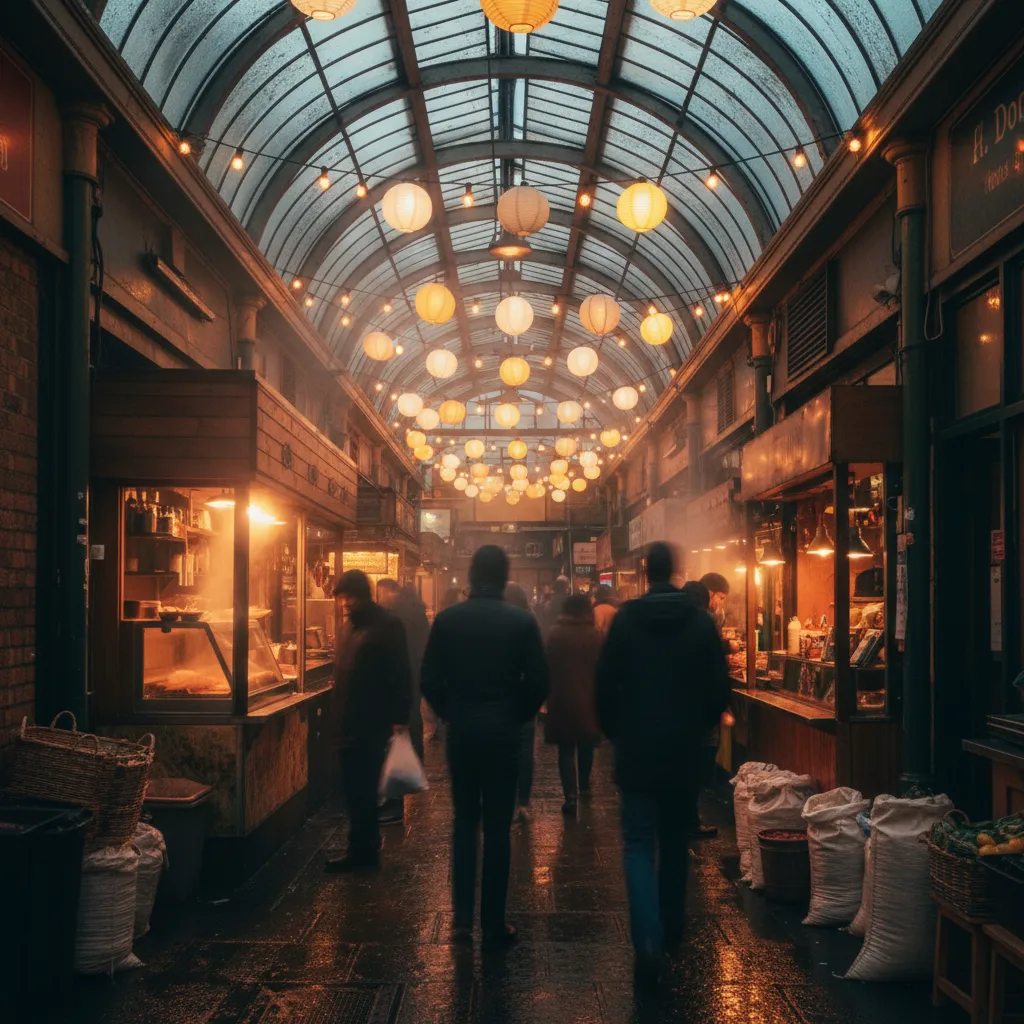
 Brixton Christmas Light Up Walk Planner: Rainy Arcades
Free Things to Do
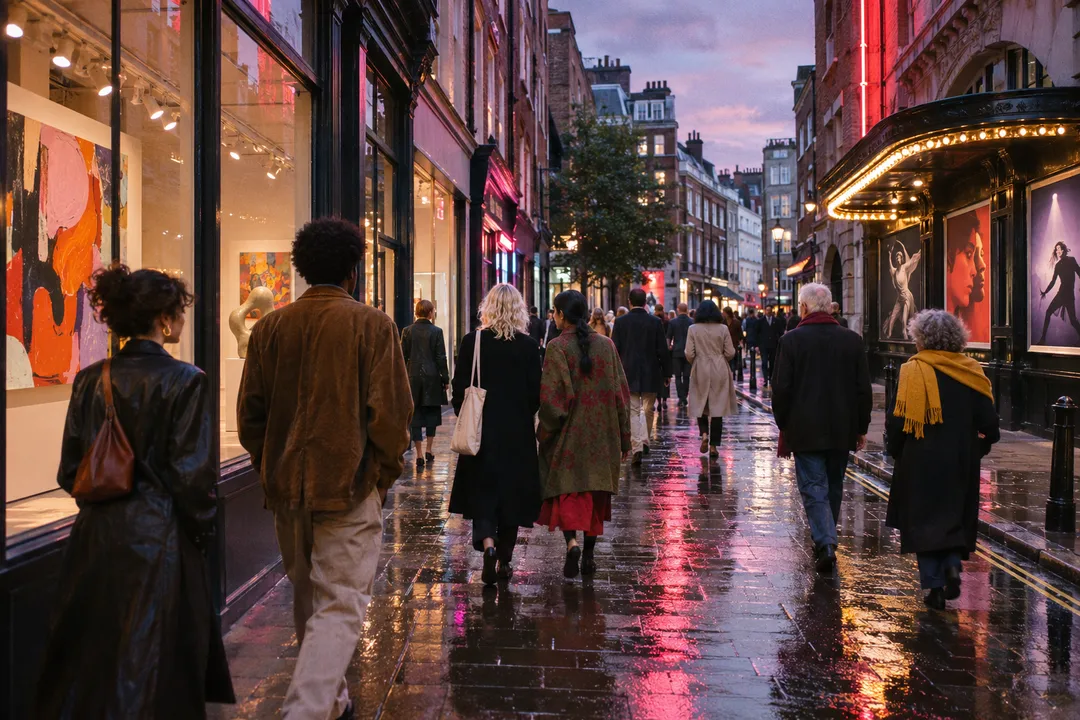
Soho Art Walk Route Planner: Galleries After Dark
Build a flexible Soho art walk around galleries, theatre edges, and backstreet details, with route choices that adapt to your pace and the evening weather.
Searching for an art walk route planner near me in Soho is really a request for a good sequence, not a directory dump. The neighbourhood rewards a slow start: begin with the visual noise of Shaftesbury Avenue, turn into a quieter side street, and let the first gallery window or theatre poster that catches your eye decide the next block. This route is designed as a set of choices you can rearrange, so a short evening and a long Saturday both feel intentional.
Start With The Mood, Not A Landmark
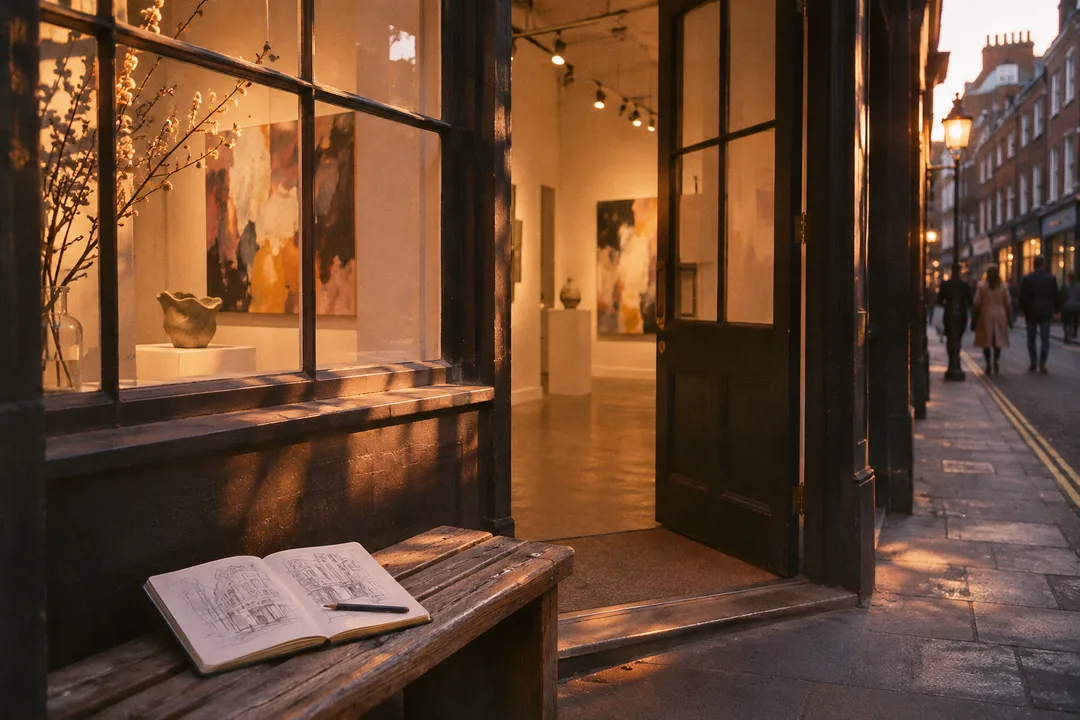
Put the first decision in Karpo around energy. If you want polished rooms and a clear visual anchor, ask for a gallery-led opening near the western edge of Soho. If you prefer texture, ask for lanes with independent shopfronts, street art, and small exhibition spaces. The planner should return a compact first cluster rather than a city-wide sweep. Keep the initial walk short enough that you still have attention for the art instead of spending the opening hour navigating.
Soho works because its culture changes every few metres. A storefront can hold a bright print show, a basement can feel like a tiny cinema lobby, and a side street can reveal a painted shutter worth photographing. Treat those moments as route points. Save one planned stop and one discovery stop, then leave a little unclaimed time between them. The unclaimed space is where an art walk becomes a night in a neighbourhood rather than a chain of appointments.
Thread Galleries Through The Street Texture
Gallery etiquette is simple and makes the whole circuit more comfortable. Enter quietly, give people room around a small work, and ask before photographing anything that is not clearly presented for pictures. If a room is crowded, do not force the stop, mark it as a revisit and let the route continue. Karpo is most useful here as a decision layer: it can help you swap a packed stop for another nearby option without losing the rhythm of the walk.
For a stronger visual arc, alternate inside and outside scenes. Follow a white-wall room with a few minutes along Dean Street, then move toward a darker, more theatrical stretch before returning to a brighter space. The contrast helps you notice colour, sound, and scale. A good route is not the one with the most institutions. It is the one that gives your eyes a reset between rooms and lets one piece stay with you before the next.
Make The Route Work In Real Time
If you are walking with a friend, assign each person a different filter. One person can choose texture, another can choose a work that uses light, and a third can look for the most surprising doorway. Those filters produce a conversation without turning the walk into a formal critique. They also give Karpo clearer prompts: ask for a route weighted toward photography, design, illustration, or live performance, then adjust after the first stop.
The practical pacing rule is to protect the middle of the route. The opening cluster can be close together, but the centre should have a deliberate pause: tea, a bench, or a few minutes watching the street. This prevents gallery fatigue and gives late arrivals a natural join point. If weather turns, shift the outdoor section later and keep indoor options together. The plan remains useful because its logic survives one missed corner.
Finish With A Walkable Second Act
Soho also makes a strong bridge to surrounding walks. From the final gallery, you can angle toward Chinatown for a sensory change, drift north toward the theatre district, or head east for a slower lane-by-lane finish. Ask Karpo to keep the final destination broad, such as dinner, a quiet drink, or a night bus connection. That lets the art route serve the rest of your evening instead of ending abruptly at the last gallery.
For a first visit, save fewer places than you think you need. Four meaningful stops with breathing room will beat ten rushed pins. Write one line beside each saved point about why it made the cut: colour, material, a particular artist, or simply the feeling of the room. Those notes make it easier to build a second route that feels genuinely different. They also give the planner useful context when you return on another night.
End with a route you can remember without reopening the map. In Soho, that might mean the bright theatre edge, a small gallery window, and the quieter lane that let everyone slow down. Ask Karpo to keep those three impressions as preferences for a return plan, then choose whether the next walk should favour painting, graphic design, photography, or live performance. The value of a route planner is not a perfect list; it is a clear next decision when the street keeps offering new ones.
Leave a little room between the final stop and whatever follows. A group may want dinner, a drink, a bus connection, or ten unplanned minutes in Chinatown. If someone arrives late, use a broad landmark as the meeting point and let the route catch them up at the next turn. If a gallery feels crowded, mark it for another visit rather than making the whole group wait. These small choices protect the attention that makes an art walk rewarding.
Before heading home, save one sentence about the evening: perhaps “bright rooms after rain” or “type, theatre, and blue light.” That sentence becomes a better prompt than a generic request for culture. On a return visit, reverse the order, shorten the outdoor section, or ask for a route with more breathing space. Soho is compact enough for comparison, yet varied enough that a different starting mood can produce a genuinely different walk.
Keep the final plan legible. Name the next choice in ordinary language, such as stay with galleries, follow the theatre glow, or take a quieter side street. A useful art walk route planner lets the map support the conversation while your eyes stay on the neighbourhood. Finish with curiosity still intact, save the detail that caused it, and let that detail shape the next evening.
Ask Karpo for more information.
Keep reading
- Brixton Christmas Light Up Walk Planner: Rainy Arcades
 Hackney Christmas Light Up Walk Planner: Canal Boats
 Islington Christmas Light Up Walk Planner: Square Dates