 Clapham Board Game Night Finder: New to London Meetups
Weekend Plans
London Art Museum Guide to Exploring Tate Modern on Bankside
Explore Tate Modern on London's Bankside, featuring monumental Turbine Hall commissions, world-class modern masterpieces, and sweeping River Thames skyline panoramas.
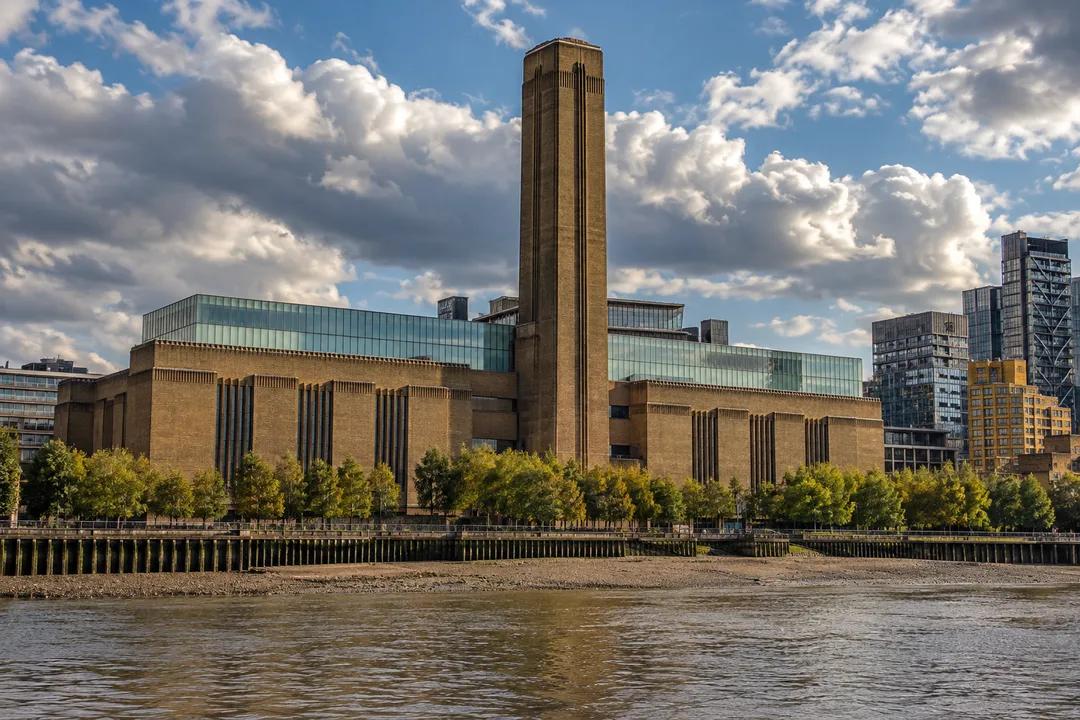
When looking for a world-renowned modern art museum near me in London, Tate Modern at Bankside, London SE1 9TG delivers an unmatched cultural encounter. Housed within the former Bankside Power Station, conceived originally by architect Sir Giles Gilbert Scott, the institution opened to the public in May 2000 following an award-winning architectural conversion led by Swiss practice Herzog and de Meuron. Rather than concealing its utilitarian past, the structure celebrates bold brickwork, exposed steel beams, and cavernous proportions that redefine how modern art is experienced in Britain.
Turbine Hall Scale and Industrial Architecture
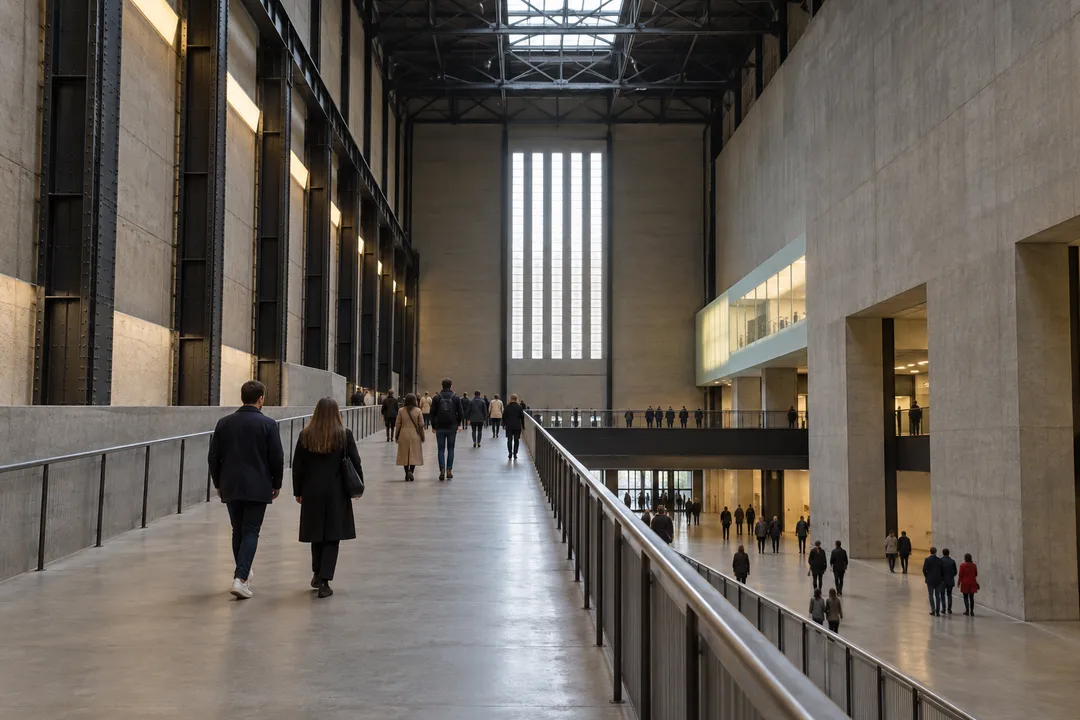
Visitors enter through the vast Turbine Hall, an awe-inspiring subterranean expanse measuring 155 meters in length and 35 meters in height. Once sheltering towering electrical generators that powered London, this monumental space now commissions world-renowned contemporary artists to create site-specific installations, ranging from immense architectural sculptures to immersive sensory landscapes. Walking down the gently sloping concrete ramp into the cool air of the hall provides an unforgettable threshold into contemporary visual culture.
The museum expanded dramatically in 2016 with the completion of the Blavatnik Building, a striking ten-story pyramid clad in a perforated brick lattice that twists upward beside the original Boiler House, now known as the Natalie Bell Building. Below ground, the Tanks represent the world's first museum galleries dedicated entirely to live performance, video projection, and sound art, built directly inside the power station's circular subterranean oil reservoirs.
This dynamic industrial setting establishes an immediate sense of discovery. Natural northern light streams through high clerestory windows, bouncing off matte concrete floors and untreated timber benches. The seamless conversation between mid-century industrial utility and cutting-edge visual art attracts creative thinkers, students, and travelers from around the globe throughout the year.
Navigating Modernist Masterpieces Across Two Buildings
Tate Modern organizes its vast international permanent collection thematically rather than chronologically, encouraging unexpected dialogues between artistic movements and historical eras. Across the third and fourth floors of the Natalie Bell Building, visitors navigate sprawling gallery wings devoted to Media Networks, In the Studio, Materials and Objects, and Performer and Participant. This curatorial philosophy places pioneering early modernist canvases directly alongside contemporary feminist, conceptual, and digital installations.
In the Artist and Society galleries, viewers encounter Pablo Picasso's pivotal 1925 canvas The Three Dancers, an angular composition marking the painter's transition into surrealist emotional intensity. Nearby stands Marcel Duchamp's iconic ready-made sculpture Fountain alongside crucial geometric abstractions by Piet Mondrian and Kazimir Malevich. The collection allows guests to trace the radical collapse of traditional artistic perspective across early twentieth-century Europe.
A highlight of any visit is the contemplative Mark Rothko room, housing the legendary Seagram Murals. Originally painted in 1958 for the Four Seasons restaurant in Manhattan, these deep crimson, plum, and maroon rectangular fields pulsate with meditative gravitas under subtle, carefully dimmed gallery spotlights. Guests frequently spend extended periods sitting quietly in the center of the room, absorbing the emotional presence of the American abstract expressionist masterwork.
Crossing high aerial footbridges into the Blavatnik Building brings guests into expansive suites showcasing post-war sculpture, African modernism, and provocative video installations. Standout masterworks include Henri Matisse's expressive gouache paper cut-outs, Salvador Dalí's subversive Lobster Telephone, and kinetic sculptures by Alexander Calder and Rebecca Horn. Informative wall texts provide historical clarity without overwhelming the visual dialogue.
Admission Guidelines, Timed Entry, and Visitor Tips
General admission to Tate Modern's permanent collection galleries across both buildings is completely free of charge, reflecting the institution's commitment to public art access. Visitors do not need to book tickets in advance for the main displays, making spontaneous walk-in visits straightforward throughout the week. Major temporary exhibitions require paid admission tickets, typically priced between £18 and £22 for adults, with concession rates available for students and seniors.
The museum welcomes guests from Sunday through Thursday between 10 am and 6 pm, and on Friday and Saturday from 10 am to 6 pm, with extended hours during seasonal late-night events. To enjoy the permanent collection at a quiet, contemplative pace, plan an arrival right at the 10 am morning opening or visit late on weekday afternoons, when tour groups begin dispersing toward dinner venues.
Accessibility has been integrated throughout the entire site. The Turbine Hall ramp offers step-free entry from Bankside and Holland Street, complemented by street-level elevators at the river entrance. Large passenger lifts connect every gallery level, accessible restrooms are situated across multiple floors, and manual wheelchairs can be borrowed free of charge from the main cloakrooms on Level 0.
Visitors carrying backpacks larger than cabin luggage must check their bags at the cloakroom lockers on Level 0 for a small deposit fee. The museum operates entirely cashless, accepting major international contactless credit cards and mobile payment systems.
Level Six Restaurant, River Terraces, and Riverside Strolls
Tate Modern is exceptionally well-connected to London's comprehensive public transit network. The closest London Underground station is Southwark on the Jubilee line, located an easy eight-minute walk south along hop-lined streets. Alternatively, take the Circle or District line to Blackfriars station, exit directly onto the south bank of the Thames, and stroll along the riverside promenade into Bankside in under five minutes. Multiple Thames Clippers riverboats also dock at Bankside Pier directly outside the museum.
After exploring the galleries, head up to the Level 6 Restaurant in the Natalie Bell Building for roasted British meats, seasonal salads, and floor-to-ceiling vistas framed across the River Thames. The Tenth Floor viewing terrace in the Blavatnik Building offers unobstructed panoramic viewpoints sweeping over London, taking in the dome of St Paul's Cathedral, the Millennium Bridge, the Shard, and the City of London financial district skyline.
Step out onto the lively Bankside promenade to explore a historic riverside district rich with creative heritage. Directly adjacent stands Shakespeare's Globe, a faithful reconstruction of the open-air Elizabethan playhouse founded in 1599. Follow the paved pedestrian embankment eastbound past the historic Anchor pub, walking underneath the stone arches of Southwark Bridge toward the bustling gourmet food stalls of Borough Market, reachable in ten minutes on foot.
Walking northward across the pedestrianized Millennium Bridge brings visitors directly toward the western portico of Sir Christopher Wren's architectural masterpiece, St Paul's Cathedral. This riverside route seamlessly links avant-garde contemporary art with London's layered architectural history. For personalized exhibition recommendations, gallery opening calendars, and curated South Bank neighborhood walks across London, download the Karpo APP.
Ask Karpo for more information.
Keep reading
- Clapham Board Game Night Finder: New to London Meetups
 Marylebone Board Game Night Finder: Baker Street Mysteries
 Notting Hill Board Game Night Finder: Two-Player Rainy Dates