 Brixton Vintage Thrift Shop Finder: South London Retro Gems
Hidden Gems & Odd Finds
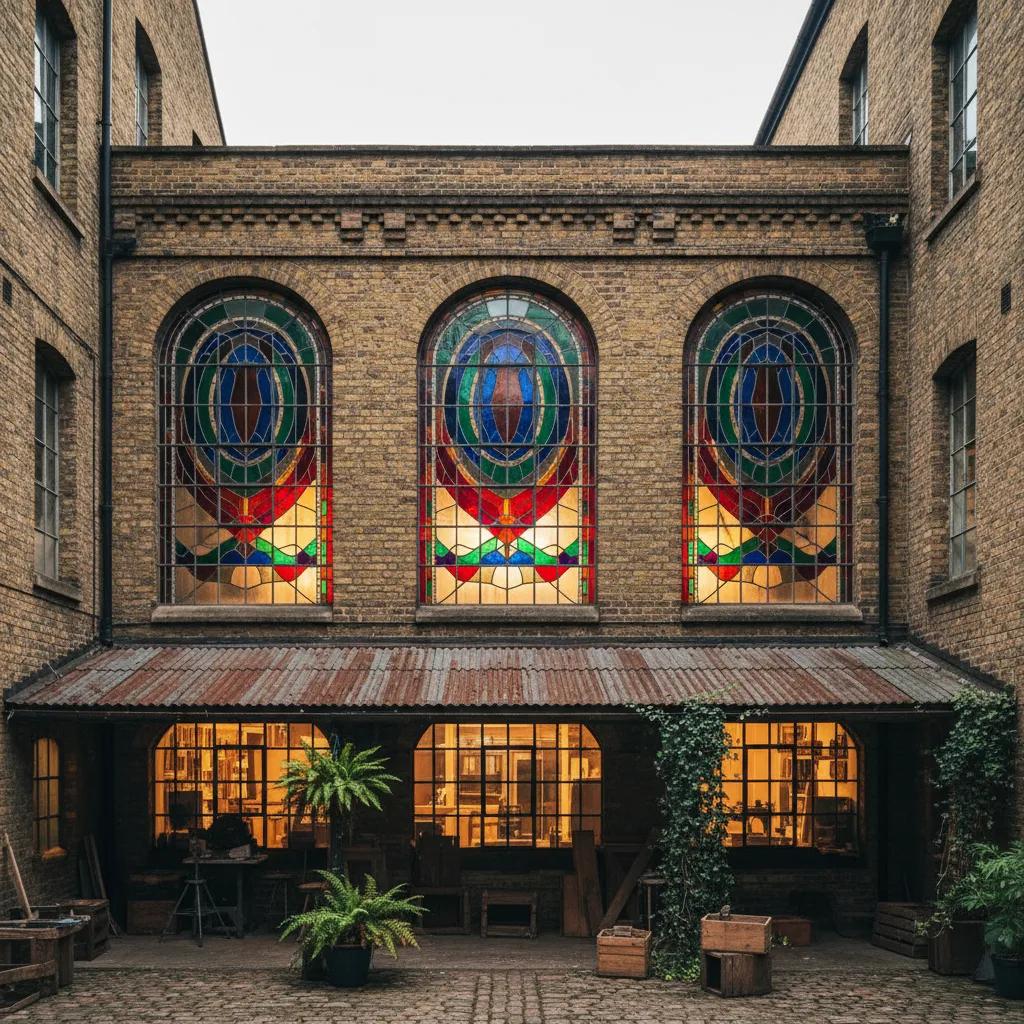
Hackney Art Glass Studio Tour: Creative Studio Route Guide
Explore Hackney art glass studio spaces around Bradbury Street with maker workshop prep and market pauses. Line up open creative visits across East London.
East London has developed into one of the most dynamic craft ecosystems across the capital, making Hackney a natural destination for planning an art glass studio visit. The borough manufacturing heritage, characterized by repurposed Victorian warehouses and community creative yards, provides fertile ground for contemporary architectural glass studios and experimental stained glass ateliers. Navigating this dense creative district requires thoughtful planning to connect backstreet workshops, canal paths, and vibrant market plazas without feeling rushed. With the Karpo APP, you can map out your preferred maker stops, filter for peaceful walking stretches, and organize an engaging craft route across Dalston and Hackney Central.
Locating Bradbury Street Studios And Gillett Square Hubs
Situated immediately west of Dalston Kingsland Overground station, Bradbury Street forms a vibrant pedestrian-friendly creative spine flanking Gillett Square. The street combines Victorian terrace shopfronts with modernized community workspace pods that house independent illustrators, printmakers, and bespoke stained glass studios. Walking through this corridor immerses visitors in Hackney diverse cultural soundtrack, where jazz rehearsals and sound-system beats from community spaces drift across shared brick courtyards. The intimate scale of Bradbury Street fosters direct personal interactions with artisans who often keep studio shutters propped open to catch natural northern daylight.
Unlike commercial high-street galleries, art glass spaces in Dalston are primarily working production workshops focused on custom architectural commissions, decorative window panels, and small-batch kiln-cast objects. Approaching these creative spaces requires respecting the boundaries of an active artisan environment where delicate materials and sharp cutters are constantly in use. The perimeter of Gillett Square offers sheltered benches and outdoor espresso kiosks where you can examine studio sketches or review your planned itinerary before stepping inside. This juxtaposition of community energy and focused craft makes the Bradbury Street enclave one of east London most authentic design quarters.
Stained Glass Design Lead Came And Cold Working Craft
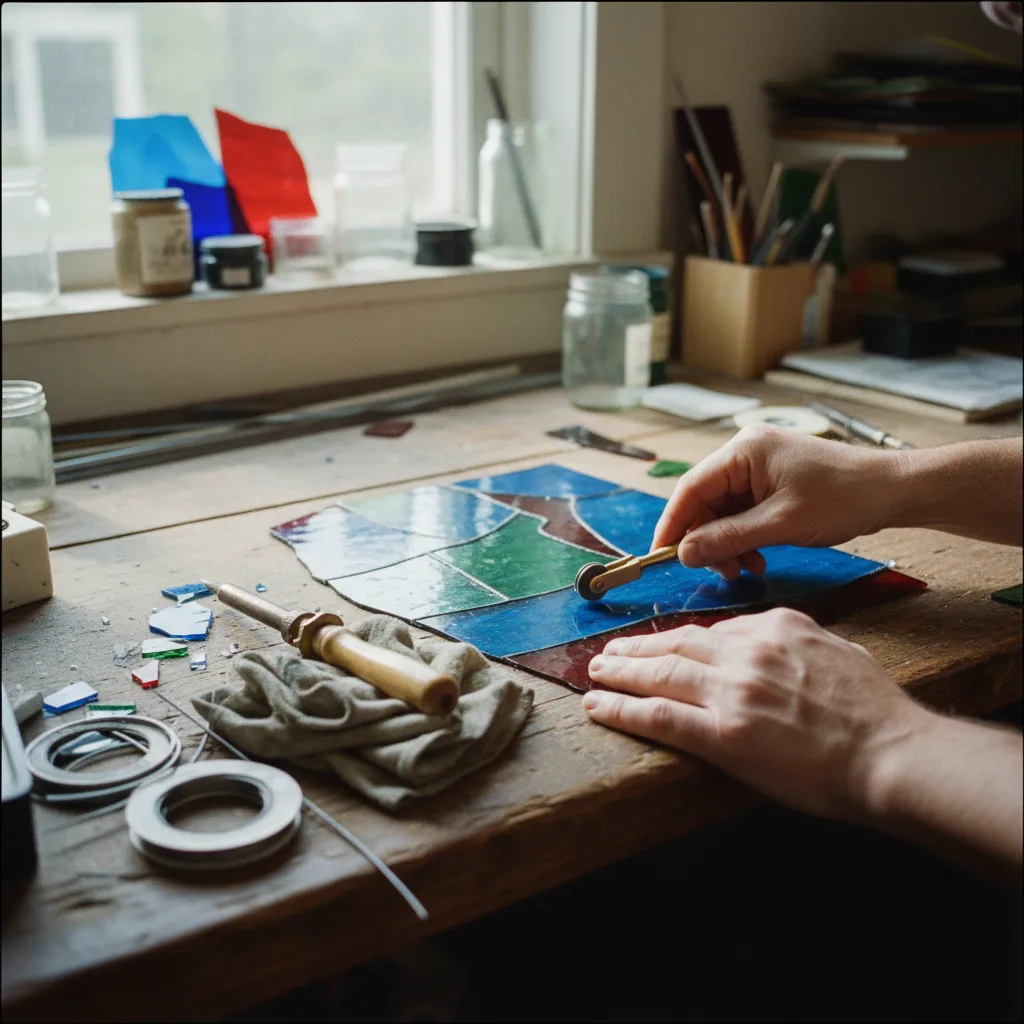
Traditional and contemporary stained glass making follows meticulous assembly phases that require equal parts artistic vision and structural discipline. The process begins with a full-scale working drawing known as a cartoon, which outlines every individual glass piece alongside cut lines for lead structural channels. Studio craftspeople select mouth-blown antique glass sheets, textured cathedral glass, or flashed colored panels, scoring each pane with tungsten carbide glass cutters before breaking along score lines with running pliers. Seeing raw glass sheets stored vertically in wooden crates reveals an astonishing spectrum of handmade bubbles, cord lines, and optical ripples.
Once individual components are ground smooth on diamond-abrasive wet grinders, assembly proceeds using extruded lead cames or thin adhesive copper foil. Lead came channels are cut to precise angles and fitted snugly around glass perimeters, joined securely at intersections with electric soldering irons and rosin-core flux. To make leaded window panels rigid and weather-resistant, artisans scrub dark linseed oil cement beneath the lead flanges, polishing the finished surface with whiting powder and stiff bristle brushes. Understanding these labor-intensive steps gives collectors and design enthusiasts a profound respect for the durability and technical mastery embedded in custom glass art.
Timing Studio Visits With Dalston Creative Life
Planning an art glass studio tour across Hackney demands careful consideration of seasonal daylight and neighborhood operational hours. Stained glass and sculptural fused glass rely entirely on transmitted natural illumination to display their authentic color saturation and internal textures. Midday hours between eleven in the morning and two in the afternoon provide the most balanced sunlight for inspecting panel clarity and glass sheet selections. Visiting on dull overcast winter afternoons diminishes the vibrancy of mouth-blown flashed glass, so scheduling around brighter morning forecasts ensures you see each work at its optimal optical expression.
Midweek visits from Tuesday through Friday generally offer far more relaxed studio conversations than weekends, as many independent craftspeople balance private client meetings with active production deadlines. If your schedule requires a Saturday visit, plan your studio stops during the morning hours before midday crowds fill Dalston popular cafes and street markets. Building a flexible pause into your midday plan allows you to step away for lunch along Kingsland High Street, where authentic Turkish flatbread bakeries and Vietnamese noodle houses offer satisfying nourishment before continuing your afternoon gallery loop.
Extending Your Walk Toward Regent Canal And Broadway Market
After concluding your studio discussions around Bradbury Street, head south along the tree-lined pedestrian avenues of London Fields. This historic common park provides an expansive green break between the urban bustle of Dalston and the artisan retail hubs further south. On fair-weather days, the park fills with local cyclists, dog walkers, and swimmers heading toward the heated outdoor lido. Continuing through the southern gates leads directly into Broadway Market, an Edwardian market street lined with independent bookshops, ceramic galleries, and traditional provisions merchants.
At the southern foot of Broadway Market sits the Regent Canal, which historically functioned as the primary industrial freight artery transporting coal, timber, and silica sand into East London factories. Walking eastward along the towpath toward Mare Street and the historic Victoriana of Hackney Central reveals how industrial waterways have transformed into pleasant walking corridors flanked by modern studio complexes. Watch for traditional painted narrowboats moored beside canal bridges, and observe how changing water reflections create shifting patterns of light against brick walls that echo the fluid qualities of hot glass.
Essential Studio Etiquette And Transport Connections
Maintaining proper protocol when visiting working glass workshops ensures both personal safety and a welcoming reception from resident makers. Never pick up loose glass offcuts from workbench trays or touch soldering irons without explicit guidance from the supervising artisan. If you intend to photograph completed panels or workshop details, always request permission beforehand, as many designers protect custom commission patterns and client privacy. Carrying a structured tote bag or protective flat portfolio is strongly advised if you plan to purchase decorative suncatchers, glass fusing supplies, or small architectural sample pieces.
Navigating to and from your Hackney glass destination is straightforward via Transport for London rail connections. Dalston Kingsland and Dalston Junction stations sit within easy walking distance, connecting passengers to Highbury and Islington, Stratford, and Canada Water via regular London Overground services. Numerous bus routes along Kingsland Road also provide swift links toward Shoreditch and the City of London. By assembling your itinerary through the Karpo APP and following thoughtful studio etiquette, your exploration of Hackney art glass community becomes an inspiring and educational urban journey.
Ask Karpo for more information.
Keep reading
- Brixton Vintage Thrift Shop Finder: South London Retro Gems
 Notting Hill Vintage Thrift Shop Finder: Preloved Rails
 Soho Vintage Thrift Shop Finder: West End Designer Archives