 Brixton Vintage Thrift Shop Finder: South London Retro Gems
Hidden Gems & Odd Finds
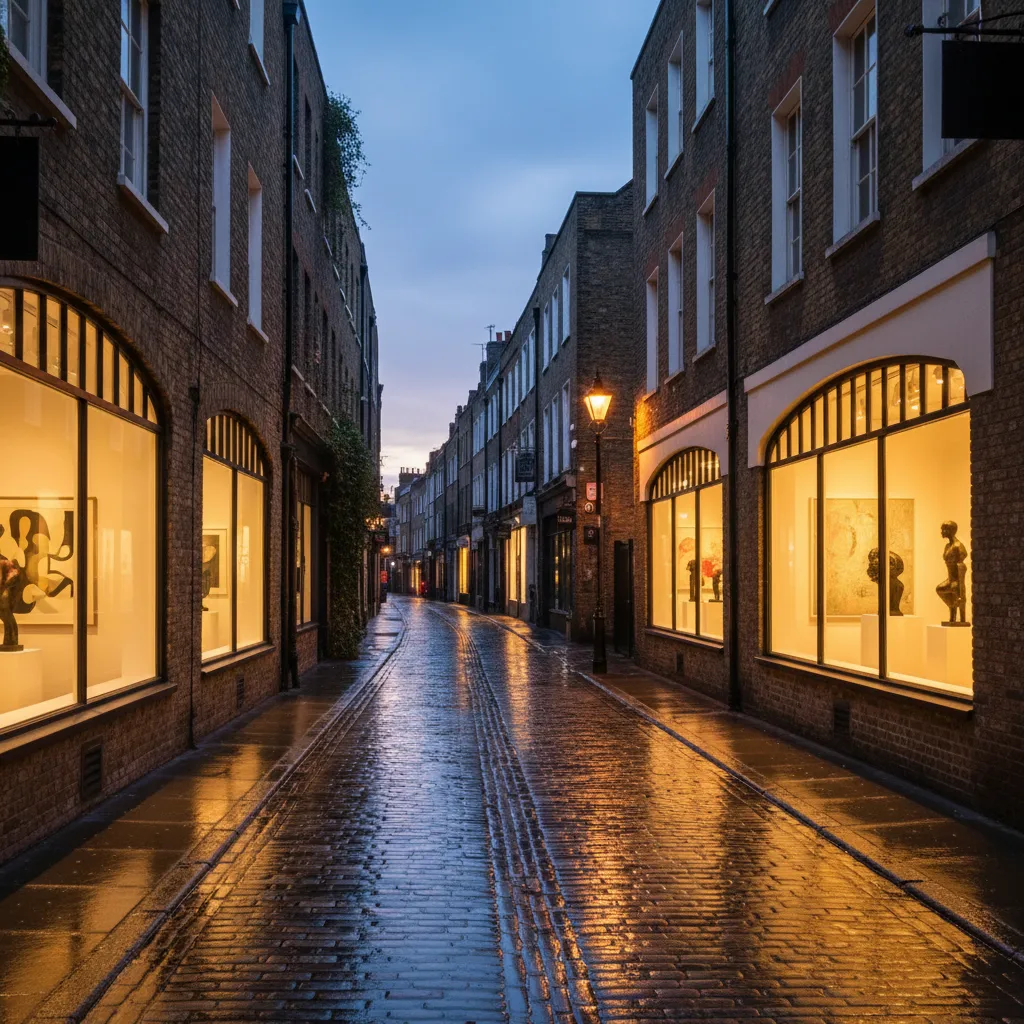
Southwark Art Glass Studio Day: Bermondsey Street Route
Map a Southwark art glass studio route along Bermondsey Street with exhibition timing and gallery pauses. Connect contemporary glass crafts without the hurry.
Southwark boasts one of London most prestigious contemporary design quarters, making Bermondsey Street a magnetic corridor for discovering sophisticated art glass studio practices. Tucked just south of the Thames and London Bridge, this historic leather and textile tanning quarter has evolved into an energetic nexus of independent sculpture studios, fine art galleries, and design consultancies. Planning a visit to this vibrant enclave requires coordinating studio appointments with nearby cultural institutions to experience the full spectrum of contemporary English glassmaking. With the Karpo APP, you can map out gallery clusters, discover tranquil courtyard passages, and assemble an inspired walking day across Southwark.
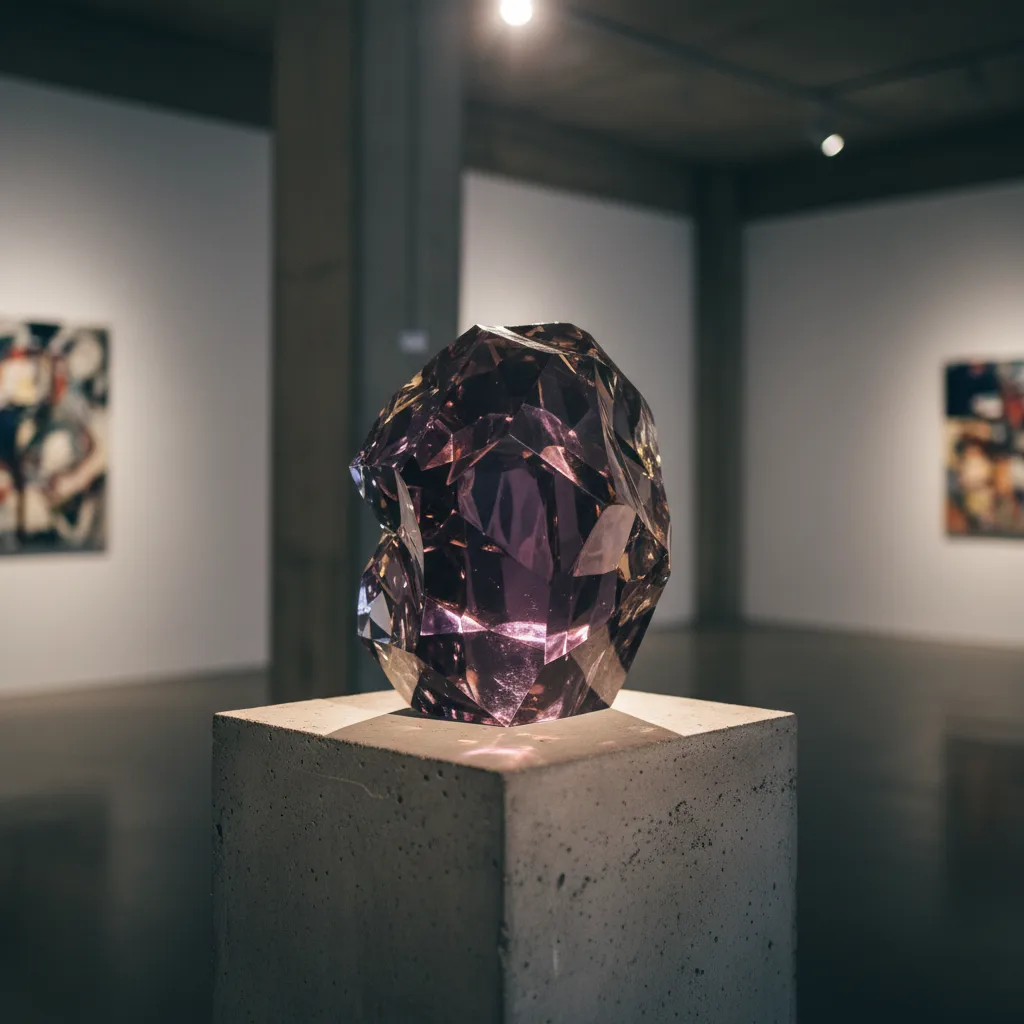
Navigating Bermondsey Street Creative Arts Enclave
Extending south from Tooley Street toward Long Lane, Bermondsey Street preserves an evocative historic scale where preserved 18th-century warehouses, industrial yards, and Victorian public houses create an intimate pedestrian setting. Creative ateliers often occupy discrete rear mews courtyards or upper-level studio lofts behind unassuming brick facades, marked by cast-iron gates or subtle directory plaques. Walking here from London Bridge station takes under ten minutes, leading pedestrians past bustling espresso bars, bespoke textile workshops, and independent fashion ateliers.
Unlike decentralized suburban creative zones, Bermondsey Street concentrates leading figures of contemporary British craft within a remarkably walkable half-mile corridor. Contemporary glass artists working here frequently specialize in sculptural cast glass, complex kiln-formed monoliths, and precision optical glass art that pushes the technical boundaries of silica materials. The architectural intimacy of the street encourages spontaneous visual discoveries, where glimpses through open courtyard archways reveal sculptors polishing monumental glass facets or preparing refractory casting investments.
Approaching these studios from the northern end near St Thomas Street allows visitors to witness how post-industrial conservation has sustained high-end artisan production within the city core. The blend of historic brickwork and modern steel-framed additions creates an inspiring visual context for exploring how age-old glass techniques coexist with bold modern design sensibilities.
Cast Glass Sculpture Cold Working And Optical Polishing
While blown glass emphasizes immediacy and fluid momentum, sculptural cast glass explores density, mass, and refractive light transmission. Artists create complex three-dimensional forms by carving dense wax or clay originals, which are encased in specialized refractory plaster molds capable of withstanding intense prolonged kiln temperatures. Optical-grade lead crystal billets or colored glass chunks are loaded into crucibles positioned above the mold cavity, melting slowly inside computerized kilns over several days before flowing downward into the finest negative impressions.
The subsequent cooling cycle represents the most critical phase of cast glass sculpture, often requiring weeks of gradual temperature descent to prevent internal thermal fractures within dense glass cross-sections. Once demolded and thoroughly cleaned of plaster residue, the raw casting undergoes intensive cold-working. Artisans use continuous water-fed diamond lapidary wheels, flat grinding discs, and silicon carbide belts to carve planar facets, bevels, and optical windows directly into the solid glass mass.
Final polishing progresses through diamond paste compounds and cerium oxide slurry on felt wheels, transforming abraded frosted surfaces into crystal-clear optical lenses that refract ambient light into radiant spectrums. Observing these finished sculptures in natural light demonstrates how controlled variations in wall thickness and internal color veils create hypnotic optical depths that shift with every viewing angle.
Timing Studio Visits Alongside Contemporary Gallery Hours
To maximize your cultural excursion across Southwark, synchronize your studio consultations with the opening schedules of surrounding contemporary galleries. Most Bermondsey Street art spaces open their doors from Tuesday through Saturday starting around eleven o'clock, with Wednesday and Thursday afternoons offering the most peaceful atmosphere for in-depth conversations with artists and gallery curators. Late morning light streaming into south-facing studio lofts offers ideal conditions for inspecting optical glass clarity and subtle internal inclusions, revealing the full depth of craftsmanship embedded in each sculpture.
Scheduling an art glass viewing prior to the midday lunch rush allows you to enjoy uninterrupted visual engagement before neighborhood foot traffic peaks. After completing your studio exploration, take a restorative pause at one of the independent cafes along the street, savoring single-origin filter coffee or artisanal Mediterranean lunches before moving on to afternoon gallery exhibitions. This structured pacing keeps your itinerary relaxed and allows you to absorb the distinct technical achievements of each atelier without feeling pressed for time.
Extending Your Walk To Tanner Street Park And Maltby Market
After immersing yourself in contemporary glass sculpture, continue your route south toward Tanner Street Park. This pleasant green open space occupies the site of historic Bermondsey leather tanneries, now featuring public tennis courts, mature shade trees, and restored industrial brick boundary walls. Pausing on a park bench provides a peaceful moment to record your impressions, review studio sketches, and organize photographs of the sculptural works you have encountered under changing natural light.
From Tanner Street Park, a brief three-minute stroll eastward through historic railway viaducts brings you to the vibrant Ropewalk along Maltby Street Market. Tucked beneath active railway arches, this weekend food market features artisanal cheesemakers, natural wine bars, and specialty pastry vendors operating directly beside architectural salvage yards. Exploring these historic brick arches highlights the enduring industrial character of Bermondsey while providing delicious culinary refreshments to conclude your art tour. The sensory combination of roasted coffee, aged timber, and heritage masonry provides a grounding finish to a day dedicated to sculptural glass.
Acquisition Advice And Safe Packing For Rail Travel
Collecting sculptural art glass requires informed attention to craftsmanship standards and structural integrity. When examining heavy cast pieces, verify that cold-worked bases are perfectly true and stable, ensuring the sculpture sits securely without rocking on polished tabletop surfaces. Carefully inspect sharp cut edges to confirm that bevels have been hand-honed to remove razor-sharp microscopic burrs, which indicates museum-standard studio finishing.
Given the substantial weight and delicate optical surfaces of solid cast glass, proper packaging is non-negotiable. Quality studios will encase sculptures in custom high-density foam cutouts and rigid outer wooden crates or reinforced double-walled boxes. When departing Southwark via London Bridge rail or tube services, avoid placing heavy glass containers on overhead luggage racks; keep the package securely at your feet or on your lap to cushion against train vibrations. By planning your journey through the Karpo APP and following these expert recommendations, your Bermondsey Street art glass exploration will be both culturally enriching and flawlessly executed.
Ask Karpo for more information.
Keep reading
- Brixton Vintage Thrift Shop Finder: South London Retro Gems
 Notting Hill Vintage Thrift Shop Finder: Preloved Rails
 Soho Vintage Thrift Shop Finder: West End Designer Archives