 Brixton Vintage Thrift Shop Finder: South London Retro Gems
Hidden Gems & Odd Finds
Greenwich Art Glass Studio Walk: Weekend Planning Made Calm
Plan a Greenwich art glass studio day near Blissett Street with kiln timing tips and Thames Path walks. Spot craft spaces before the maritime weekend crowds.
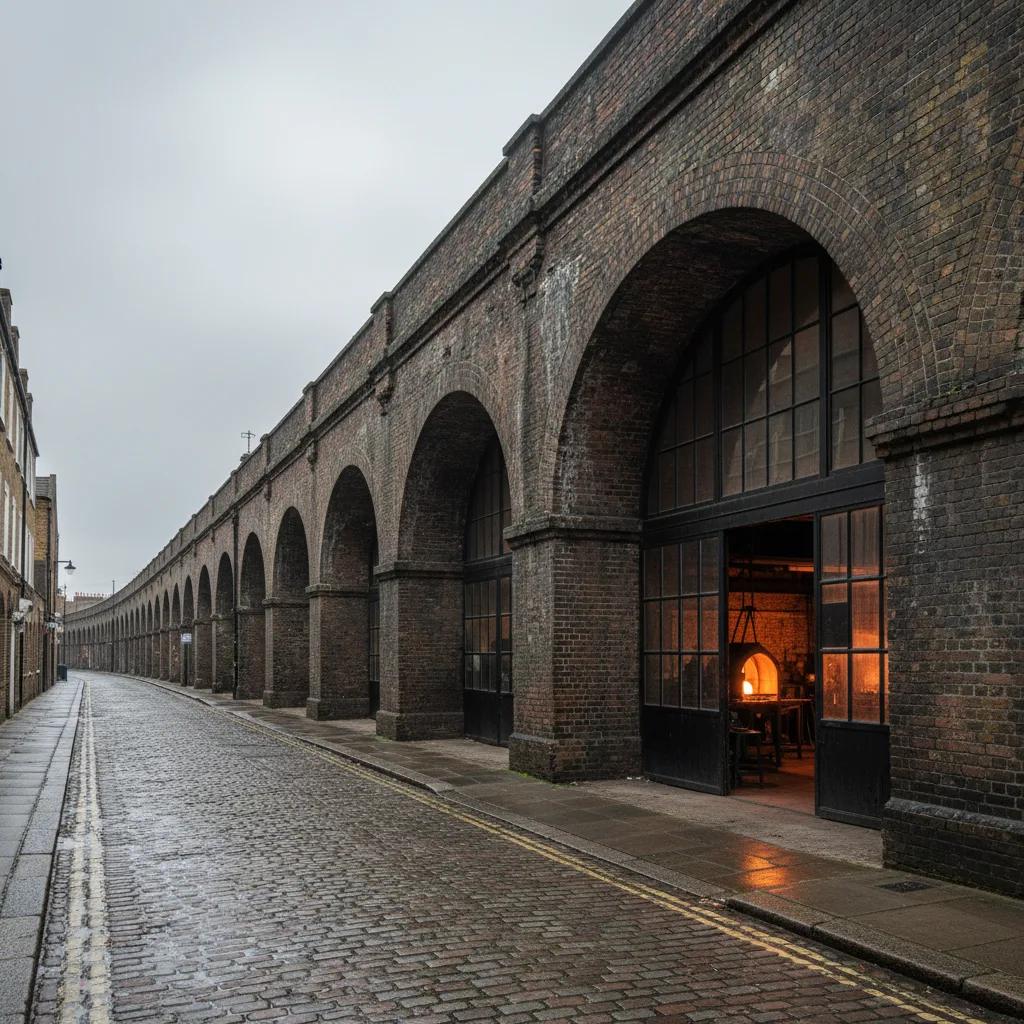
Greenwich presents a distinctive maritime atmosphere for anyone mapping an art glass studio visit across southeast London. The architectural contrast between grand neoclassical stone facades and industrial railway arches tucked behind residential streets creates an inspiring setting for studio craft. Rather than wandering without direction between the maritime riverfront and the town centre, visitors can build a deliberate route connecting quiet maker corridors, working kilns, and riverside paths. Using the Karpo APP allows you to organise your neighborhood checkpoints, pin calm walking connections, and schedule glass studio visits alongside historic landmarks.
Navigating Blissett Street Arches And Maritime Corridors
Tucked south of the Greenwich town centre and west of Greenwich Park, Blissett Street sits among a network of historic brick railway arches carrying the suburban rail lines. These vaulted spaces have long accommodated London artisans, metalworkers, and hot glass studios due to their thick masonry walls, generous ceiling height, and resilient industrial ventilation. Walking here from Greenwich station or Cutty Sark DLR station takes less than eight minutes along tranquil paved side streets lined with Victorian rowhouses. In this pocket of the borough, the sound of passing trains above blends with the hum of extraction fans and the subtle warmth radiating from studio kilns.
Approaching a studio tucked beneath a viaduct arch requires an eye for subtle workshop signs rather than commercial plate-glass storefronts. Many working glassmakers prefer unadorned timber gates or heavy industrial doors that shield hot glass annealing ovens from cold street draughts. The route along Blissett Street connects naturally to Royal Hill, where independent greengrocers, traditional bakeries, and neighbourhood pubs provide convenient pauses before or after a studio appointment. Planning your walk through these quieter backstreets ensures you experience the authentic residential and artisanal rhythm of Greenwich away from crowded maritime promenades.
Understanding Hot Shop Technique And Annealing Cycles
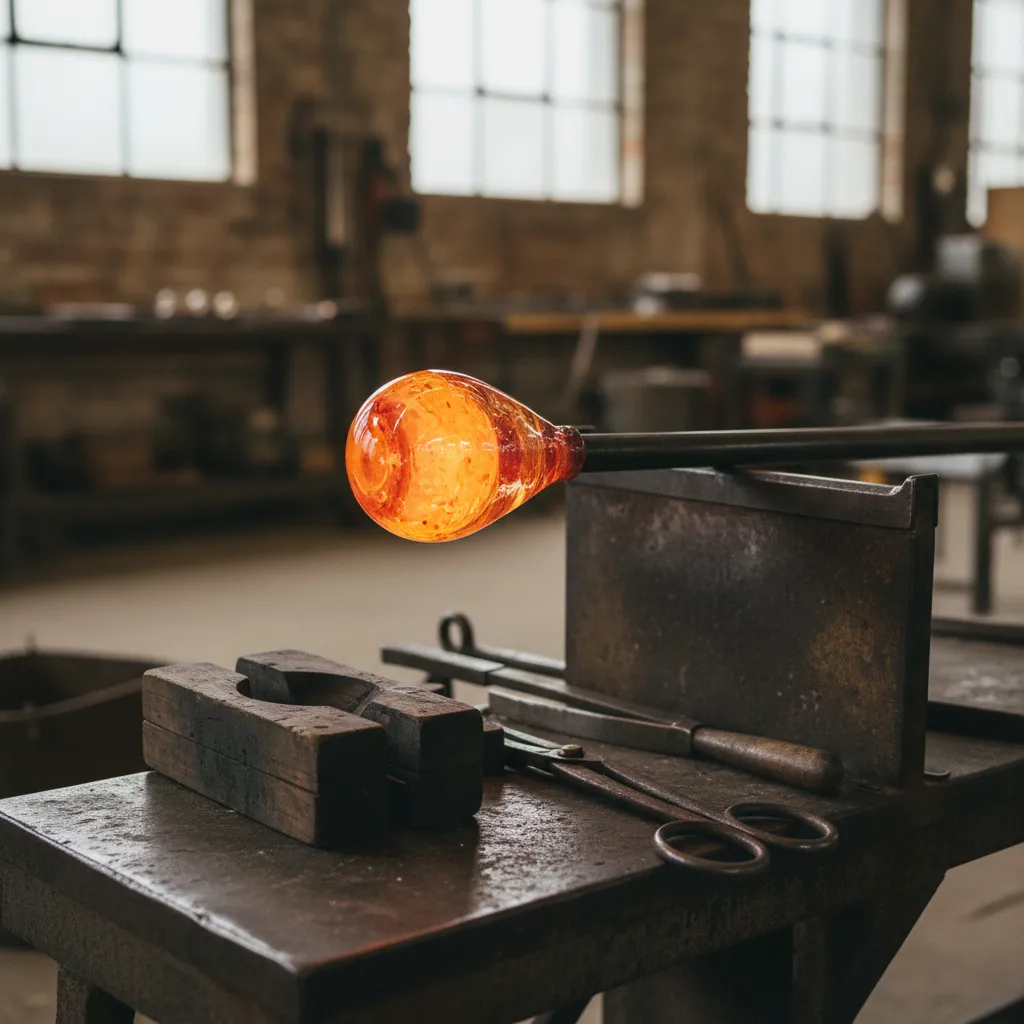
Inside an operational art glass studio, the workspace revolves around three essential temperature zones: the melting furnace operating above eleven hundred degrees Celsius, the glory hole used to reheat working pieces, and the annealing lehr where finished vessels cool slowly over twelve to twenty-four hours. Glassblowers use stainless steel blowpipes and punty rods to gather molten silica glass from the furnace crucible, rolling the glowing gather across a polished steel marver table to establish symmetrical form. Observing this choreography reveals the intense physical discipline required to shape fluid glass before temperature drops turn it brittle.
Color application introduces chemical complexity into the glassmaker craft. Powdered metal oxides, glass frits, and colored cane rods are rolled onto hot glass bubbles, melting into striking swirls and translucent layers under the torch flame. Because glass contracts unevenly if chilled too quickly, pieces must immediately transfer into computerized annealing ovens programmed with precise downward cooling ramps. Knowing this schedule helps visitors understand why freshly blown glassware cannot be taken home on the day of production, as opening an annealer prematurely causes thermal shock and catastrophic fractures.
Timing Your Visit To Avoid Maritime Tourist Crowds
Greenwich experiences intense foot traffic on sunny weekend afternoons, particularly around the Cutty Sark ship dock and the covered market halls. To enjoy a peaceful glass studio itinerary, schedule your workshop visits or studio consultations during weekday mornings or early Saturday hours before eleven o'clock. Morning light filtering through southeastern London streets offers the clearest illumination for examining blown glass transparency, bubble density, and polished rim details. Arriving early also gives you uninterrupted opportunities to speak with studio technicians about commission timelines and custom glassblowing demonstrations.
Weather along the River Thames can shift rapidly from bright sunshine to chilly maritime mist. Having a well-structured backup plan keeps your cultural excursion enjoyable regardless of coastal drizzle. When wet weather arrives, indoor craft appreciation thrives, as hot studios offer welcoming warmth while rain beats against high clerestory windows. If a morning studio demonstration concludes earlier than expected, head toward the covered Victorian colonnades of Greenwich Market or the maritime galleries of the National Maritime Museum to remain sheltered while continuing your artistic tour.
Connecting Studio Visits To Royal Naval Grounds And Markets
After completing an art glass studio visit near Blissett Street, extending your walking loop toward King William Walk brings you directly to the grounds of the Old Royal Naval College. Designed by Sir Christopher Wren and Nicholas Hawksmoor, the twin domed buildings frame sweeping views across the Thames toward the Isle of Dogs skyline. Walking through the grand neoclassical colonnades offers a profound lesson in historical geometry and natural light that complements the contemporary forms seen in glass studios. The painted ceiling inside the Painted Hall demonstrates centuries of decorative English craftsmanship that mirrors the enduring artistry of glass.
From the naval college grounds, continue westward along the Thames Path toward the confluence of the river and Deptford Creek. This tidal waterway has historically supported London boatyards, timber mills, and contemporary artist collectives. High tide brings saltwater currents washing against wooden pilings, while low tide exposes gravel flats frequented by wading herons. Crossing the creek footbridges leads into Deptford creative corridor, where independent printmaking ateliers and sculpture workshops provide a rich extension to your Greenwich glass tour.
Practical Studio Attire And Safe Handling Notes
Visiting any active glassblowing facility or stained glass studio mandates strict personal safety precautions. Visitors must always wear closed-toe leather shoes or sturdy boots with flat soles; open sandals, canvas slip-ons, and synthetic heels are strictly prohibited on workshop floors where stray glass fragments or hot tools may be present. Clothing should consist entirely of natural breathable fibers such as heavy cotton, denim, or wool, as synthetic athletic fabrics can melt when exposed to radiant kiln heat. Long hair must be tied securely back, and dangling scarves or loose necklaces should be removed before approaching glassmaker benches.
When examining finished art glass pieces on studio gallery shelves, always support the object with both hands beneath the base rather than lifting delicate vases by their rim or neck. Look closely at the pontil scar on the underside of the vessel: a ground and flame-polished pontil mark indicates masterful cold-working and hand-finishing, whereas rough unfinished edges often signal rushed production. By approaching your Greenwich art glass studio day with informed preparation and thoughtful pacing, you gain a deep appreciation for London enduring glassmaking heritage.
Ask Karpo for more information.
Keep reading
- Brixton Vintage Thrift Shop Finder: South London Retro Gems
 Notting Hill Vintage Thrift Shop Finder: Preloved Rails
 Soho Vintage Thrift Shop Finder: West End Designer Archives