 Brixton Vintage Thrift Shop Finder: South London Retro Gems
Hidden Gems & Odd Finds

Antique Shop in Islington: Camden Passage Finds at 9:30
David Griffith Antiques brings campaign furniture, library pieces and leather seating to Camden Passage for shoppers who want a specialist eye and practical advice.
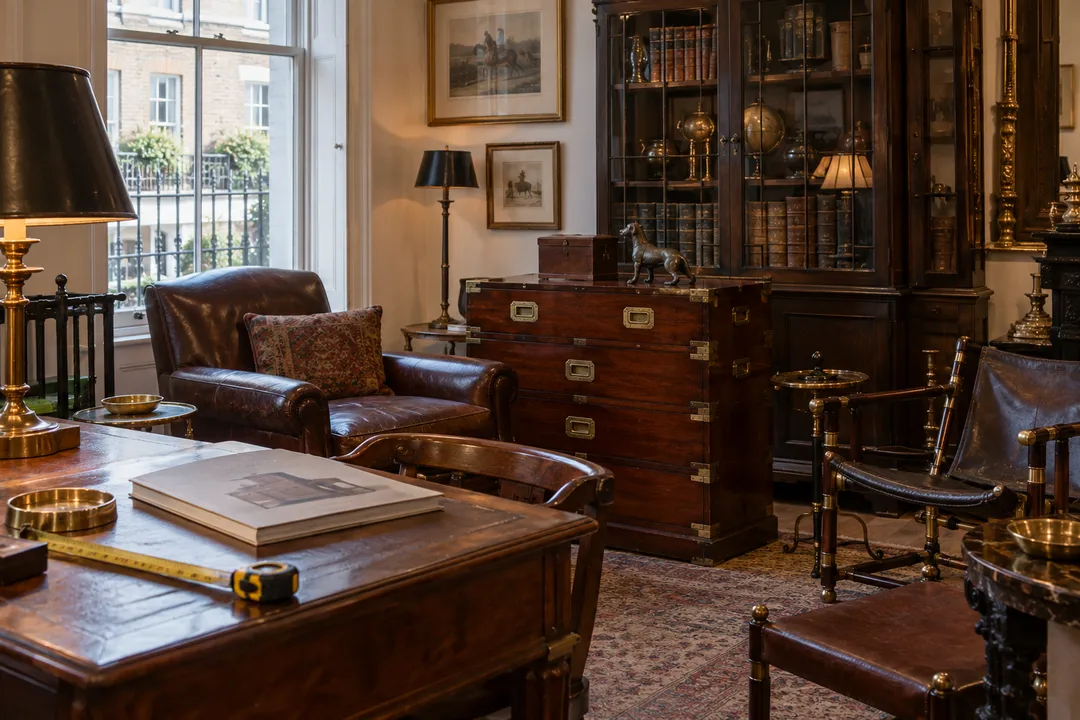
Searching for an antique shop near me in North London often leads to Camden Passage, but David Griffith Antiques is worth separating from the general market noise. The shop lists 17 Camden Passage, London N1 8EA, and its published market hours include Wednesday and Saturday from 9:30am to 4:30pm, with other times by appointment. Its story begins in Bermondsey Market in 1975, and the stock leans toward campaign furniture, gentleman’s club and library furniture, leather seating and related pieces. This is a useful stop when you want an antique object that can work in a room, not only a small curiosity to carry away.
A Specialist Shop in a Market Street
The shop’s focus changes the way you browse. Campaign furniture asks you to notice construction, portability and hardware; library furniture asks you to think about scale, storage and the way a piece will sit against a wall; leather seating asks practical questions about wear, comfort and restoration. You do not need to know the vocabulary before entering. Look closely at hinges, handles, drawers, joins and surfaces, then ask what you are seeing. A dealer’s explanation can turn a handsome cabinet into a piece with a clear use, or reveal why the wrong room would make it feel oversized.
The best first question is not “Is this old?” It is “What has happened to it?” Ask whether the surface is original, whether hardware has been replaced, whether a repair is structural or cosmetic, and whether the piece is ready for daily use. For leather, ask about reconditioning and the difference between a softened original surface and a later treatment. For a desk or cabinet, bring the measurements of doors, stairs and lift. A good specialist shop will help you think through the practical problem. The buyer’s job is to listen, take notes and avoid falling in love with a piece that cannot live at home.
What to Look For Inside
The published 9:30am start is useful if you want the calmest look at the shop and the surrounding passage. Earlier is not automatically better for every purchase, but it gives you more time to compare before the street becomes busy. A Saturday visit has a different energy from Wednesday: more browsers, more market movement and more reasons to keep your route flexible. If the shop is busy, ask when it is easiest to return rather than hovering over a conversation. The object will still be there long enough for a proper decision if it is right for you. Leave room for a second circuit through Camden Passage, because another dealer may change how you read the first piece.
Camden Passage is the natural extension of the visit. Make the antique shop your anchor, then walk the passage slowly, looking at how neighbouring dealers frame jewellery, prints, furniture and small objects differently. The area works well for a half-day because the route is compact and the visual contrast is immediate. Stop for a coffee, then return to the piece that raised a question. That second look is especially valuable with furniture: the first impression is about style, while the second is about whether the proportions, storage and condition make sense.
Questions That Save a Bad Purchase
David Griffith’s specialist focus makes it a better fit for someone furnishing a reading room, study, hallway or club-like corner than for a shopper who wants a random souvenir. The honest skip is buying a large piece without a delivery plan. Ask about moving and transport before committing, and take a photo of the doorway if you need to explain access. If you want a wider market after the appointment, Alfies offers more dealer variety. If you want a more private, appointment-led collection, Guinevere offers a different Chelsea Harbour conversation.
The history from Bermondsey Market in 1975 gives the shop a useful sense of continuity without requiring every object to look formal. Leather seating can soften a room; campaign furniture can bring a practical, portable logic; library pieces can make a small home feel intentional. Think in combinations rather than categories. A single campaign chest beside modern shelving may be more convincing than a room filled with matching antiques. Ask what the dealer would pair with the item, then decide whether that suggestion fits your own space or simply makes the object look good in the shop. The same principle applies to small accessories: a brass desk object, old box or framed piece can introduce the period without making the whole room feel themed. If you are buying for a rental or compact flat, prioritise movable pieces and objects that can change rooms when your layout changes.
The Camden Passage Route
For an antique shop near me in Islington, David Griffith Antiques gives you the rare combination of a market address and a defined specialist eye. Go on Wednesday or Saturday from 9:30am to 4:30pm, or arrange an appointment for a more focused visit. Bring measurements, ask about restoration and keep the rest of the day open enough for a second look. The best purchase is not necessarily the rarest piece. It is the one whose construction, scale and history still make sense after the excitement of Camden Passage has worn off. If you are comparing furniture, sit with the proportions for a minute rather than judging only from the doorway. Notice where the handles fall, how the doors open and whether the piece gives you useful storage. A specialist visit becomes valuable when style and daily life are considered together.
A focused shop is also a useful place to learn what you do not want. You may discover that a deep leather chair overwhelms your room, that a cabinet needs more wall space than expected, or that a campaign chest is attractive precisely because it can move with you. Write down those conclusions. Antique shopping improves when each visit narrows the question. Even if you leave without a purchase, you have gained a better vocabulary for condition, proportion and use, which makes the next dealer conversation more productive.
Practical Notes
Practical Notes: David Griffith Antiques, 17 Camden Passage, London N1 8EA. The site publishes Wednesday and Saturday market hours of 9:30am–4:30pm and says other times are by appointment. The shop describes campaign furniture, gentleman’s club and library furniture and leather seating; its history page traces the business to Bermondsey Market in 1975.
Ask Karpo for more information.
Keep reading
- Brixton Vintage Thrift Shop Finder: South London Retro Gems
 Notting Hill Vintage Thrift Shop Finder: Preloved Rails
 Soho Vintage Thrift Shop Finder: West End Designer Archives