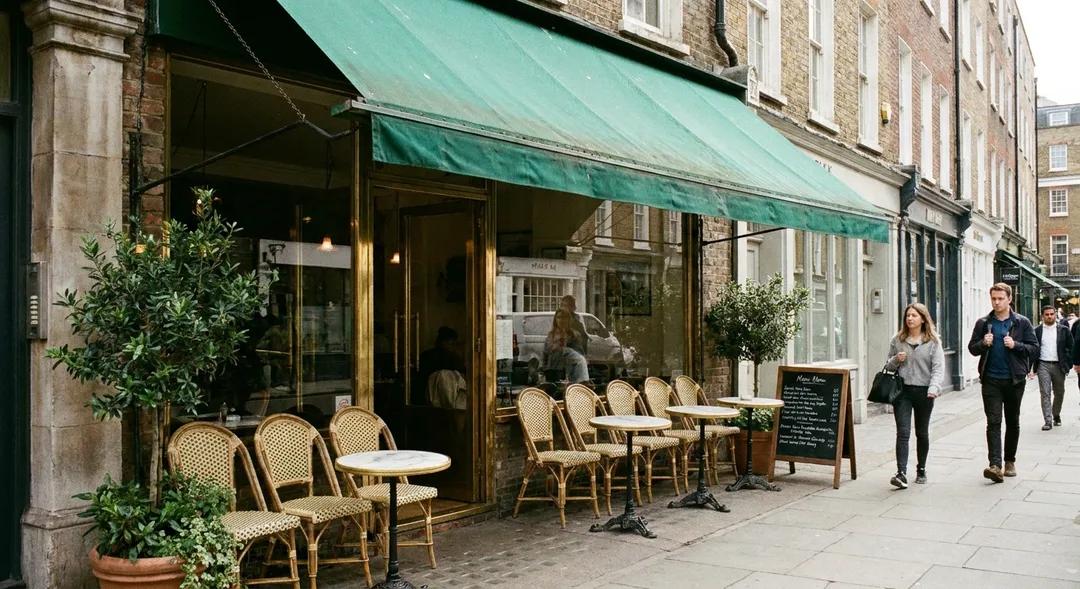
 Marylebone Coffee Shop Finder: Village Cafes and Espresso
Coffee & Dessert

London Afternoon Tea Shortlist Builder: 3 Solo Choices
Choose a solo London afternoon tea by matching the meal size, setting and route to your day, then compare full-service tea with a simple café pause.
A solo tea can be an occasion, a meal or simply an hour you keep for yourself. Give your London afternoon tea shortlist builder request that purpose before asking for places. In Karpo APP, describe the mood, area and budget that suit your day, then compare three possibilities: a full service, a tea-led stop or a small café pause. Choose the amount of ceremony you want instead of treating a solo visit as a reduced version of somebody else's outing.
Begin with what the time is for
Perhaps you want a break between exhibitions, a quiet reward after finishing a project or a pleasant place to sit while travelling alone. Each suggests a different search. Say what you hope to do at the table: enjoy the food, read for a while or watch the room. A precise preference is easier to act on than “somewhere suitable for one,” which says little about the experience you actually want.
Try this prompt: “Suggest London tea ideas for one adult near the area I am visiting. Compare a full afternoon tea with a smaller tea-and-scone stop. I want to enjoy the food without making the rest of the day feel crowded.” Add the neighbourhood and spending target. These are ordinary conversational inputs, consistent with Karpo's published invitation to share mood, budget, neighbourhood and companions when asking for picks.
Choice one makes the service the event
A complete afternoon tea can be the central activity of a solo afternoon. You may enjoy having a sequence of food to work through and enough time to notice the tea, the room and the service. Ask for suggestions that fit that intention, then look at the named menu. Focus on what is ordered per person and the way the booking is offered, rather than assuming that a photograph of a shared stand describes a single serving.
Use the venue's reservation process to see how a party of one is handled. A booking page's options provide information about that page, not a general verdict on whether you should dine alone. If the service interests you but the online process leaves the party size unclear, send a direct enquiry naming the date and menu. A clear answer is more useful than building an afternoon around an assumption about how the table will be sold.
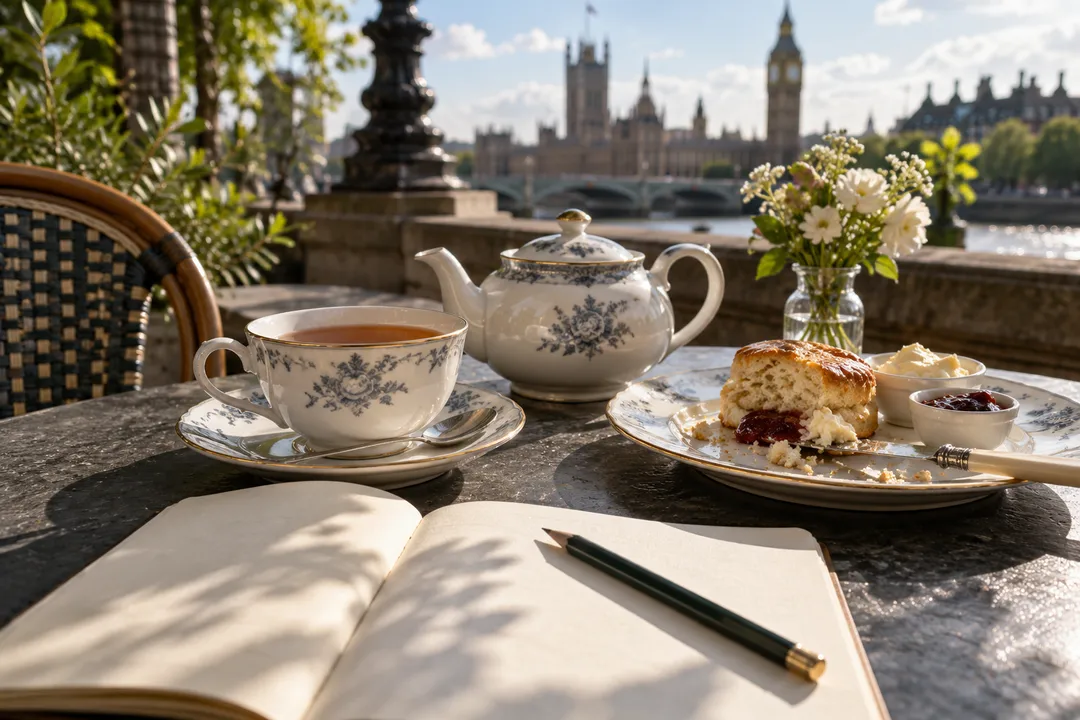
Choice two follows the cup
If you are curious about tea, make the drink the reason for the stop. Ask Karpo for ideas that suit your preferred style, then read the candidate's own tea descriptions. You might want a familiar strong cup, something floral or a chance to try a different preparation. Write that preference in plain language. You do not need specialist vocabulary to explain what you enjoy or what you would prefer to avoid.
Choose food that leaves room for that interest. A scone or small pastry can be enough when you have already eaten, while a fuller set may suit a day built around the visit. Read how drinks are charged and whether the menu describes a pot, a serving or another unit. Do not infer refills or the ability to change blends from the length of the tea list. Those details belong to the service you are considering.
Choice three protects a small pause
A café stop can fit into a day when you do not want a reservation to become the main event. Request suggestions for a smaller tea and snack near your route. Keep the meal description honest: tea with a slice of cake is not automatically the same experience as a complete afternoon tea. You may prefer it precisely because it asks less of the afternoon and leaves you free to continue when you are ready.
Consider what you intend to do with the table time. If you want to read, decide whether that is a short pause over your order or a longer stay. A restaurant's table is part of its service, and there is no universal rule that a quiet-looking café welcomes an extended occupation of a seat. Where the length of the visit matters, look at the venue's published guidance or ask directly before making it the foundation of your plan.
Use location to simplify the day
Choose the starting area from something you already plan to do. A tea stop near the end of a museum visit creates a different afternoon from a destination tea that you travel across London to reach. Tell Karpo which kind you want. Its role in the conversation is to help generate relevant ideas; you still choose how the stop relates to your route and the time you wish to spend travelling.
Leave one optional walk after the meal rather than filling the day with fixed appointments. You may want to continue exploring, or you may feel that the tea has been enough. A solo itinerary has the advantage of following your own energy. My recommendation is to skip the distant famous room when the journey would dominate a short break. Choose it on another day when travelling there is part of the pleasure.
Compare comfort without guessing how you will be seated
Room photographs can reveal table styles, daylight and the general layout. They cannot establish which table you will receive. Think about whether you prefer a dining chair, a lounge seat or a counter, and ask the venue about an essential requirement before booking. Avoid making a window seat or a particular view the only reason for choosing a service unless that arrangement is actually part of what you reserve.
You may also care about pace. Some people like a formal service when alone because it gives the afternoon structure; others prefer to order once and then be left to their own thoughts. Put that preference into the discovery request. When you narrow the suggestions, read the venue's explanation of the experience. The right choice is the one whose format you will enjoy, rather than the one that looks most like a special occasion in photographs.
Keep your comparison small and personal
Save the picks that answer the brief. Karpo's FAQ describes saving options, sharing them with friends and using them to keep a plan moving. For a solo visit, saving can simply keep the candidate you prefer within reach while you finish deciding. Make your own short note about the reason it appealed to you, such as the food sequence, the tea selection or its convenient position in the day.
Compare two serious candidates rather than continuing to collect alternatives. One can be the full occasion and the other the simpler pause. Decide which experience you want this time, then close the search. You do not need to justify the choice to a group, so there is little benefit in preserving options that fail your appetite, budget or route merely because they appear in many recommendations.
Practical Notes for a table of one
Before reserving a full service, read the price unit, the party-size options and the payment conditions attached to that booking. Include any required menu arrangement through the venue's process and retain the confirmation it sends. A recommendation saved in an app remains a candidate until the venue accepts the reservation. For a casual stop, keep the menu and location available so you can decide whether it still fits when you reach the area.
Open Karpo APP with a clear picture of what this solo afternoon is for. Compare the full tea, the cup-led visit and the small pause, then use the venue's own information to choose the service that fits. The result should give you something pleasant to look forward to while preserving the freedom that made an afternoon on your own appealing in the first place.
Ask Karpo for more information.
Keep reading
- Marylebone Coffee Shop Finder: Village Cafes and Espresso
 Fitzrovia Coffee Shop Finder: Quiet Central London Espresso
 Covent Garden Coffee Shop Finder: Hidden Courtyard Cafes