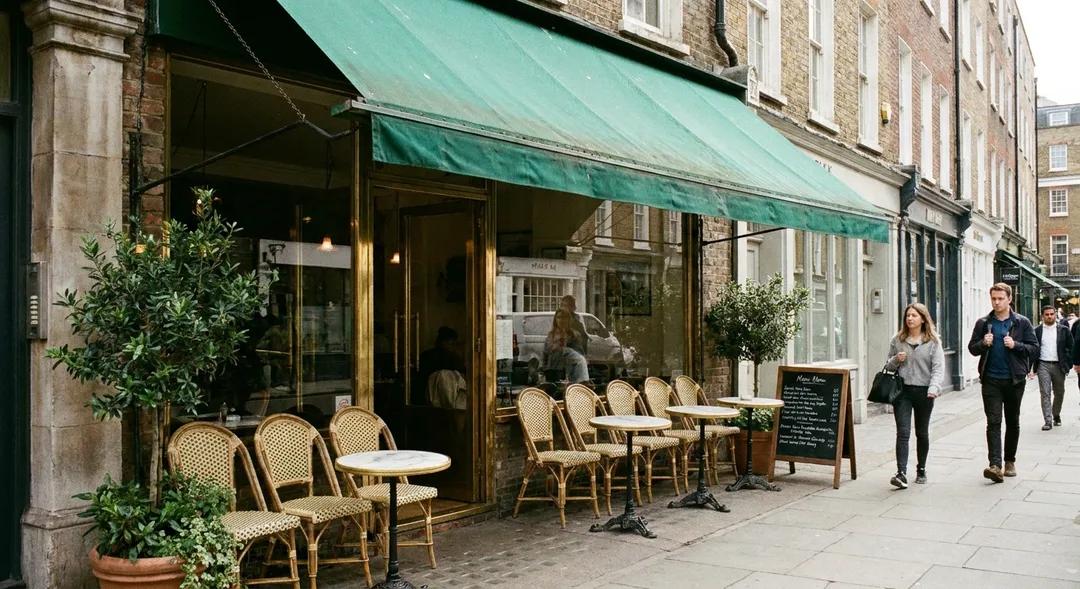
 Marylebone Coffee Shop Finder: Village Cafes and Espresso
Coffee & Dessert
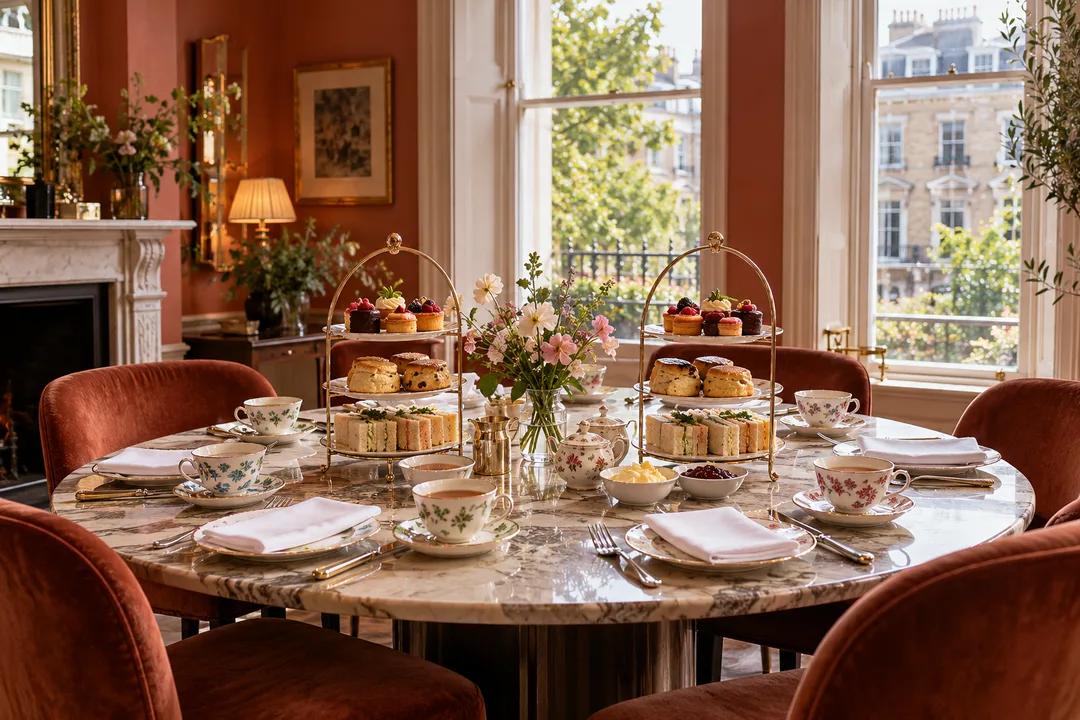
London Afternoon Tea Shortlist Builder: 6 Guest Decisions
Organise a London celebration tea by agreeing the headcount, shared spending limit and guest needs, then compare venues before making a group reservation.
A celebration tea becomes easier to organise when the invitation answers the questions guests will otherwise ask separately. For a London afternoon tea shortlist builder request, begin with the headcount, the reason for meeting and the spending agreement. Karpo APP lets you describe the kind of outing you want in ordinary language. Use its suggestions as the starting point for six group decisions, then take one coherent brief into the venue's reservation process.
One: establish who is actually coming
Distinguish the people who have accepted from those who might join. A table for four and a table for eight are different requests, even when the organiser would be happy with either. Ask the uncertain guests for a decision before choosing a reservation that requires payment. You are not trying to pressure friends into attending; you are establishing the number the venue will use when arranging the service and explaining its conditions.
Choose one person to coordinate the booking. Other guests can help compare options, but the venue needs a clear contact for changes. Keep the provisional headcount in your own note and update the planning request when it becomes firm. If someone joins later, treat that as a new question for the venue rather than assuming another chair can be added. A saved idea does not hold extra places beside the original table.
Two: define what the occasion includes
“Birthday tea” might mean a pleasant afternoon together, a specific themed menu or a private space with a cake. Ask the person being celebrated which part matters most, unless the surprise itself is important to them. Then decide what you are actually organising. A standard afternoon tea booking should not carry an unspoken expectation of speeches, decorations, a separate room and a special dessert that nobody has discussed with the venue.
Try a request such as: “Suggest London afternoon tea ideas for six friends celebrating a birthday. We want to sit together over a full tea, with a relaxed atmosphere and a straightforward journey for guests arriving from different areas.” Add your date, preferred neighbourhood and spending limit. The numbers describe your party and plan, not a claim about any room's capacity or a package already available to book.
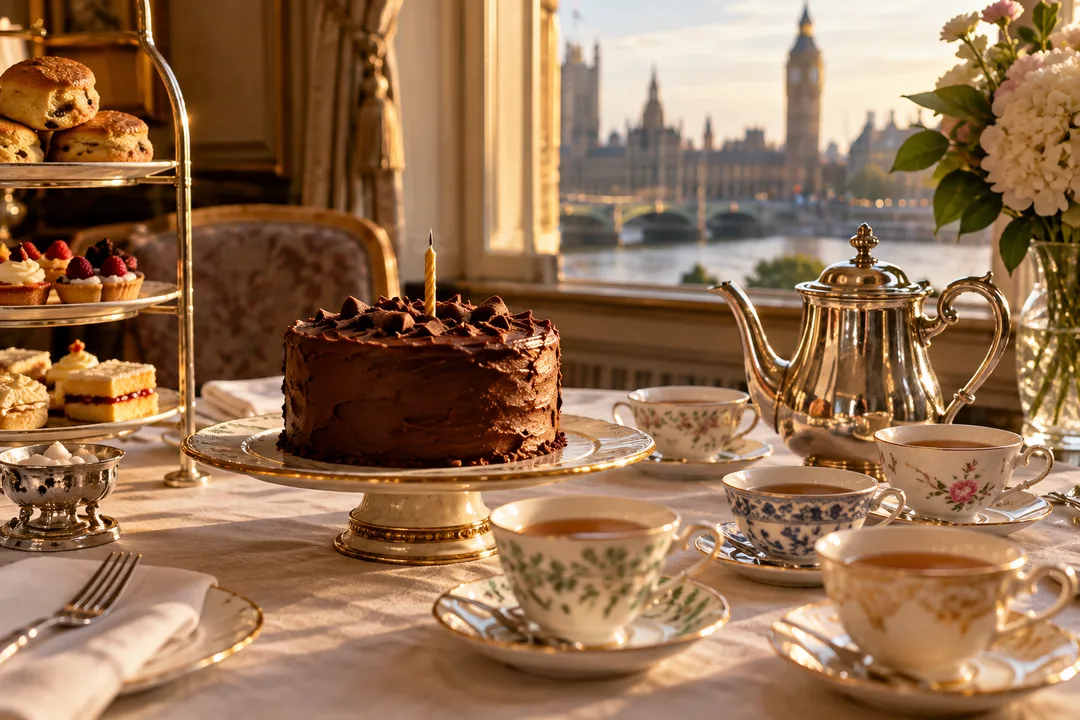
Three: agree what everyone is paying for
Discuss the spending limit before sending glamorous suggestions to the group. Clarify whether guests pay for their own tea, whether someone is treating the guest of honour and whether optional drinks are separate. There is no single correct arrangement, but ambiguity can make a generous invitation uncomfortable. A clear agreement also gives the organiser a useful basis for comparing the candidates rather than choosing the room first and explaining the bill later.
Read the venue's price for the named service and the charging unit. Separate the base tea from supplements and any group arrangements described in the booking terms. If a minimum spend or a deposit applies to the reservation you are considering, bring that into the group decision before paying. Do not use an ordinary individual menu price as evidence of the cost of a private event, since those may be different products.
Four: make the menu work across the table
Collect dietary requirements privately and early. For discovery, it may be enough to say the group needs both standard and vegetarian menus. For allergies or more specific needs, the guest and venue should discuss whether the service can accommodate them. Keep the agreed arrangement with the booking record. The goal is for every person to know what they can order without turning the arrival into a public discussion of somebody's health.
Ask whether everyone wants a complete afternoon tea. One friend may assume this replaces lunch, while another pictures cake after a meal. Set that expectation in the invitation. If the venue's format requires each guest to order a particular service, make sure the group understands it before booking. If you want mixed orders instead, use that as a question when comparing venues rather than assuming any café will offer the same flexibility.
Five: decide how the group will arrive
Pick a meeting plan that works for the least flexible traveller. A convenient area for the organiser may be difficult for somebody who needs a direct route, step-free access or a short final walk. Share those practical priorities with Karpo when requesting ideas. Its published process invites neighbourhood and companion details, giving you a way to explain why a particular part of London matters to this group.
Choose one arrival target and explain whether people should meet outside or at the table. Keep any venue access directions with the invitation. Build a little space around the booking so the celebration does not begin with several guests chasing a late train. That margin is your planning choice, not a promise that a venue will delay the service or extend the sitting if some members of the party arrive after the booked time.
Six: give the organiser permission to choose
A group can compare forever unless someone knows when the decision is due. Use Karpo's supported save-and-share capability to send the two or three candidates that fit the brief. Give one reason for each: perhaps the food, the setting or the journey. Ask guests to flag any genuine problem by an agreed time, then let the organiser make the selection among the viable options.
Do not count silence as agreement to a financial commitment. Obtain the acceptance you need before paying on behalf of other people. My recommendation is to skip a complicated private package when the group mainly wants a comfortable shared table. Extra arrangements can be lovely when they matter to the celebration, but they also add decisions. Keep the booking proportional to the occasion the guests actually agreed to attend.
Make one precise enquiry about special touches
If you want to bring a cake, flowers or decorations, describe the actual item and ask the venue about its policy. Do not rely on a photograph of somebody else's celebration as permission. Ask about any charge, storage arrangement or service restriction connected to the request. A clear response lets you choose between using the venue's own option, bringing something permitted or keeping the table simple.
Avoid ordering a surprise that creates work for the guest of honour. An elaborate presentation can be enjoyable for one person and embarrassing for another. Think about their preferences when deciding whether to request a candle, song or announcement. This is a judgement for the organiser and guests, not a feature that a discovery app can establish from the fact that a venue serves afternoon tea.
Practical Notes for the final invitation
After the venue accepts the reservation, send the confirmed date, arrival target, location, service name and payment arrangement. Include the booking contact and any essential access information. Keep the detailed cancellation terms available to the people whose payment is involved. If the headcount changes, use the venue's stated process and share the resulting update, rather than assuming that a group-chat message has changed the reservation.
Start in Karpo APP with a celebration brief that names the people, purpose and limits. Compare a small number of suggestions, settle the six decisions and book through the selected venue. The resulting invitation should let guests arrive knowing what they are joining, while leaving the organiser enough attention to enjoy the afternoon alongside everyone else.
Ask Karpo for more information.
Keep reading
- Marylebone Coffee Shop Finder: Village Cafes and Espresso
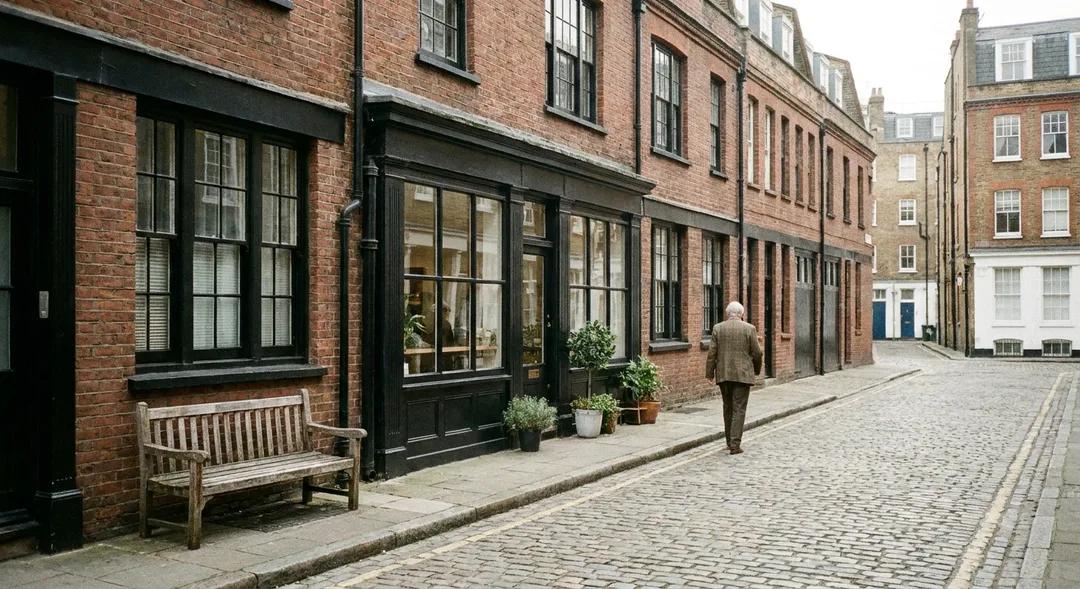 Fitzrovia Coffee Shop Finder: Quiet Central London Espresso
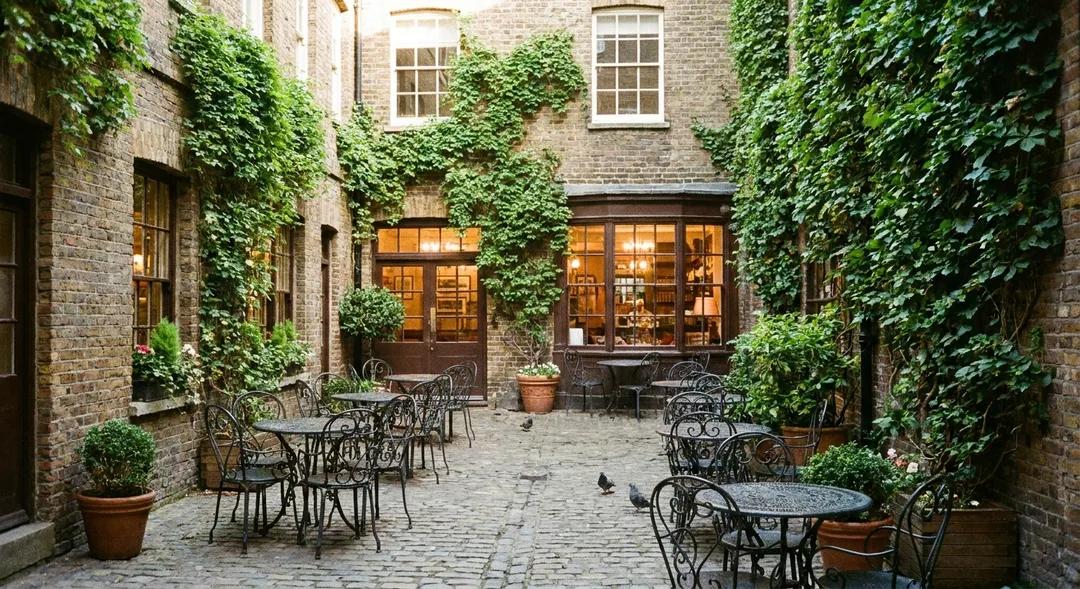 Covent Garden Coffee Shop Finder: Hidden Courtyard Cafes