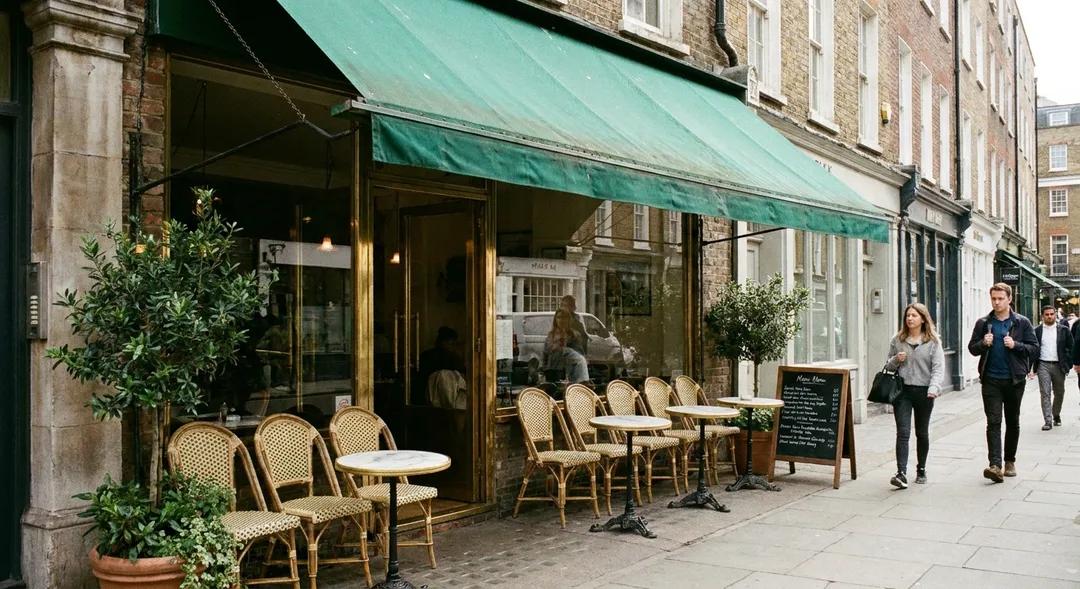
 Marylebone Coffee Shop Finder: Village Cafes and Espresso
Coffee & Dessert
London Afternoon Tea Shortlist Builder: 3 Menu Priorities
Narrow a London afternoon tea shortlist around each guest’s menu needs, separate preferences from allergies and prepare precise questions before booking.
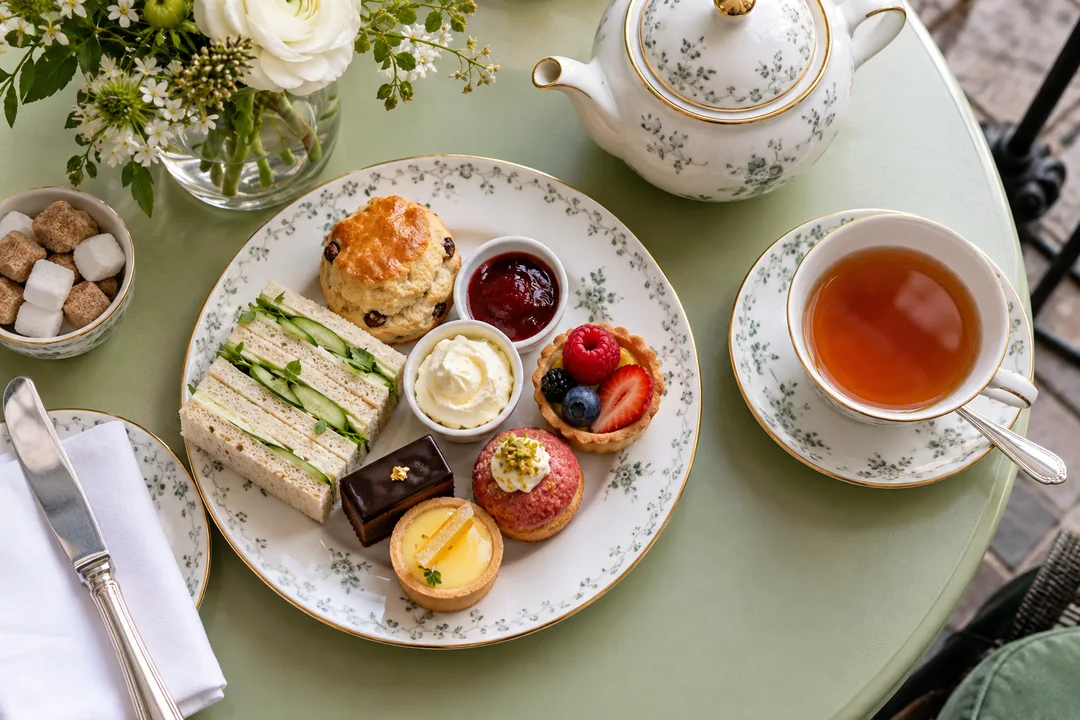
When guests need different menus, the tea shortlist should begin with the people rather than the room. Use Karpo APP to describe a London afternoon tea request with three priorities: the requirements nobody can compromise on, the food everyone hopes to enjoy and the occasion you want to share. This afternoon tea shortlist builder approach helps you identify candidates for a closer look and prepare a precise enquiry before committing to a reservation.
Write a brief that distinguishes needs from preferences
Start by asking each person what the venue needs to know. A vegetarian preference, a vegan menu request and a diagnosed food allergy involve different questions. Do not combine them under a vague instruction such as “healthy tea.” Give the planning conversation only the detail needed to find relevant ideas. The full allergy discussion should happen with the venue and the guest, including its ability to handle the specific requirement.
A useful discovery prompt might say: “Suggest London afternoon tea ideas for three adults, including one vegetarian guest. We want a full savoury and sweet service in the same room, and a setting suited to a relaxed celebration.” Add the desired date, area and budget. This describes the outing without pretending that the suggestion itself proves the menu is available or appropriate. Each candidate still has to satisfy the party's requirements through its own menu and booking process.
Priority one is a meal every guest can order
For each suggestion, identify the published menu that applies to each person. Do not assume that removing a sandwich filling creates a complete alternative tea. Look at the savoury course, the scones or equivalent and the sweets together. A guest should be able to see what kind of meal they would receive, rather than discover at the table that most of the stand has been omitted without replacement.
Menu names matter. “Vegetarian afternoon tea” describes a different proposition from a general statement that vegetarian dishes exist somewhere in the restaurant. Put the exact service name in your own comparison note. If the venue describes an advance request process, record how it works and use it at the appropriate stage. Do not turn that instruction into a citywide rule, since the requirements attached to one candidate may differ from those at another.
Keep allergy questions out of the ranking game
An allergy is not a feature to balance against an attractive room. Send a direct enquiry to the venue before making the decision, with the affected guest's agreement about the information shared. Ask about the particular ingredient and the preparation concern that matters to them. A general label on a menu cannot settle every individual question, and a conversational recommendation cannot replace a venue's response about its own kitchen.
Keep the answer in the guest's words where possible. If the venue cannot accommodate the requirement, remove that candidate rather than asking the guest to accept an uncertain meal for the sake of the group. There is no need to describe their health situation to everyone else. You can simply explain that this option does not meet the party's needs and continue with the remaining suggestions.
Priority two is a balanced experience
Once the essential menus are established, compare how the meal feels across the party. Does everyone receive a full service, or will one person have a noticeably smaller selection? Are the alternatives described with enough care to make choosing enjoyable? This is a judgement about the experience you want to share. You can ask Karpo for more ideas with a clearer emphasis if the original suggestions seem to treat alternative menus as an afterthought.
Separate tea preferences from food requirements. Some guests may want a familiar black tea, others an herbal infusion or another drink listed by the venue. Ask what each person actually enjoys and read the drinks options attached to the service. Avoid assuming that every choice is included in the set. A generous food menu does not tell you whether a particular pot, substitution or second drink has an additional charge.
Priority three is the occasion around the food
A birthday, reunion or quiet meeting can still have a clear character when menu requirements guide the search. Describe the atmosphere you want in ordinary terms: a place for conversation, a formal occasion or a relaxed stop after a walk. Karpo's how-it-works page explicitly invites mood, budget, neighbourhood and companion details. Use those inputs to look for a good setting among candidates that already deserve consideration for the meal.
Do not let a themed presentation distract from the service each guest can eat. If the theme is the entire reason for visiting, establish whether the alternative menu participates in it. Otherwise, decide whether the room and shared time are enough. My recommendation is to skip the elaborate novelty when it leaves one guest with a plainly different outing. A simpler tea that includes everyone can be the more memorable celebration.
Ask the venue one organised set of questions
An enquiry is easier to answer when it names the intended date, number of guests and tea service. State which menu is needed for which guest without adding unrelated travel plans or a long account of how you found the venue. Ask about the unresolved points that will determine the booking. This produces a usable answer and keeps the conversation focused on what the venue can actually offer your group.
Avoid creating a reservation before an essential question has been answered just to hold a place. Read the payment and cancellation conditions associated with the booking you intend to make. If the enquiry leads to an agreed arrangement, keep that response with the reservation record and include the requested notes through the venue's process. A message saved elsewhere does not automatically become part of the booking the team will see.
Share the decision without reopening every option
Karpo's FAQ describes saving and sharing picks with friends and comparing options. Use that to show the party the candidates that have survived the menu work. Give each one a clear reason to choose it, such as the strongest alternative set, the preferred setting or the simplest journey. Keep the detailed allergy correspondence private to the people who need it, rather than copying sensitive information into a general group discussion.
Ask for a decision on those meaningful differences. If everyone agrees that one menu is the priority, the choice may already be clear. If two candidates remain close, settle the date and journey before debating decorative details. You are trying to arrive at one plan that includes the whole party, not seeking perfect agreement about every cake, chair and photograph associated with the venue.
Practical Notes for an inclusive tea plan
Keep a compact record of the named service, party size, menus requested, accepted arrangements and the venue's booking reference. Make sure the person who will arrive first can explain the reservation without speaking for somebody else's health needs. Leave enough time to settle at the table and allow the guest concerned to discuss any final question directly with the staff who will serve them.
Begin in Karpo APP with the requirements that shape the outing, then narrow the suggestions using the venue's own menus and replies. Share the viable choices, book the selected service through the venue and retain the agreed details. The resulting shortlist has done a practical job: it has made the meal possible for everyone before asking which room would make the afternoon feel special.
Ask Karpo for more information.
Keep reading
- Marylebone Coffee Shop Finder: Village Cafes and Espresso
 Fitzrovia Coffee Shop Finder: Quiet Central London Espresso
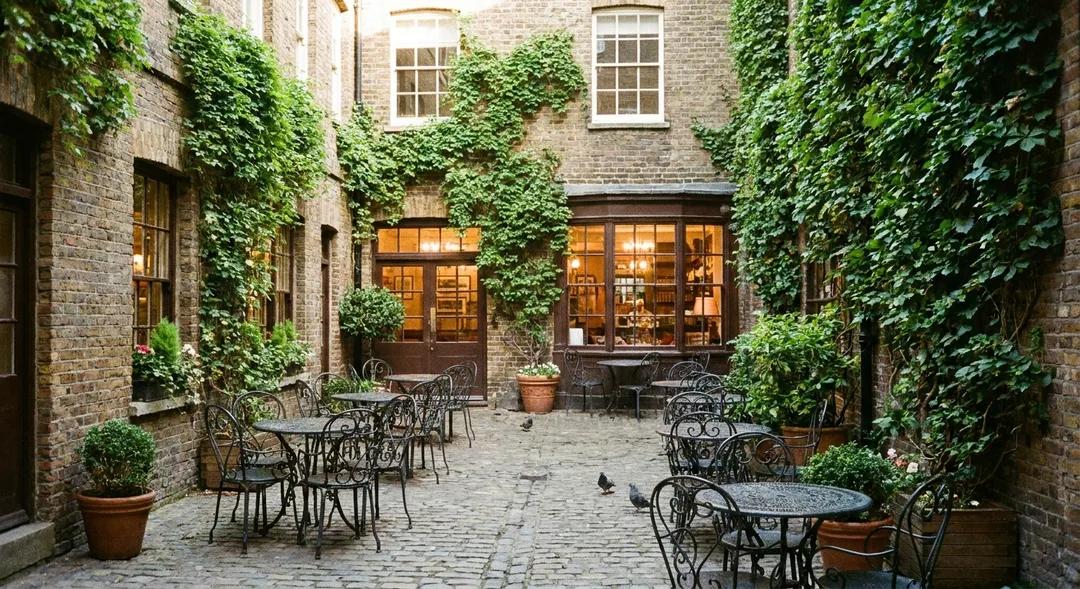 Covent Garden Coffee Shop Finder: Hidden Courtyard Cafes