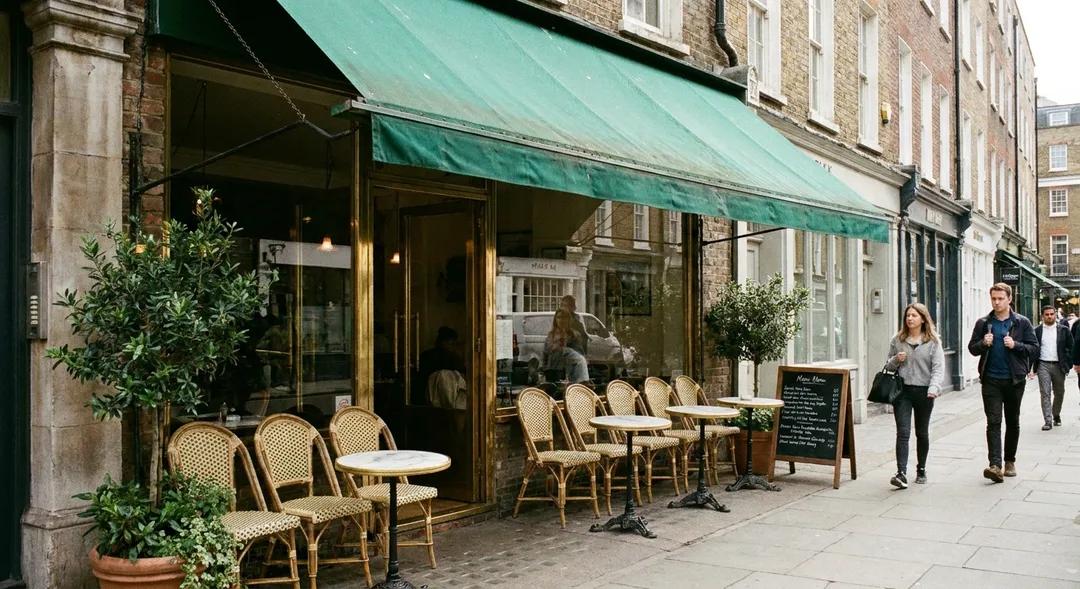
 Marylebone Coffee Shop Finder: Village Cafes and Espresso
Coffee & Dessert
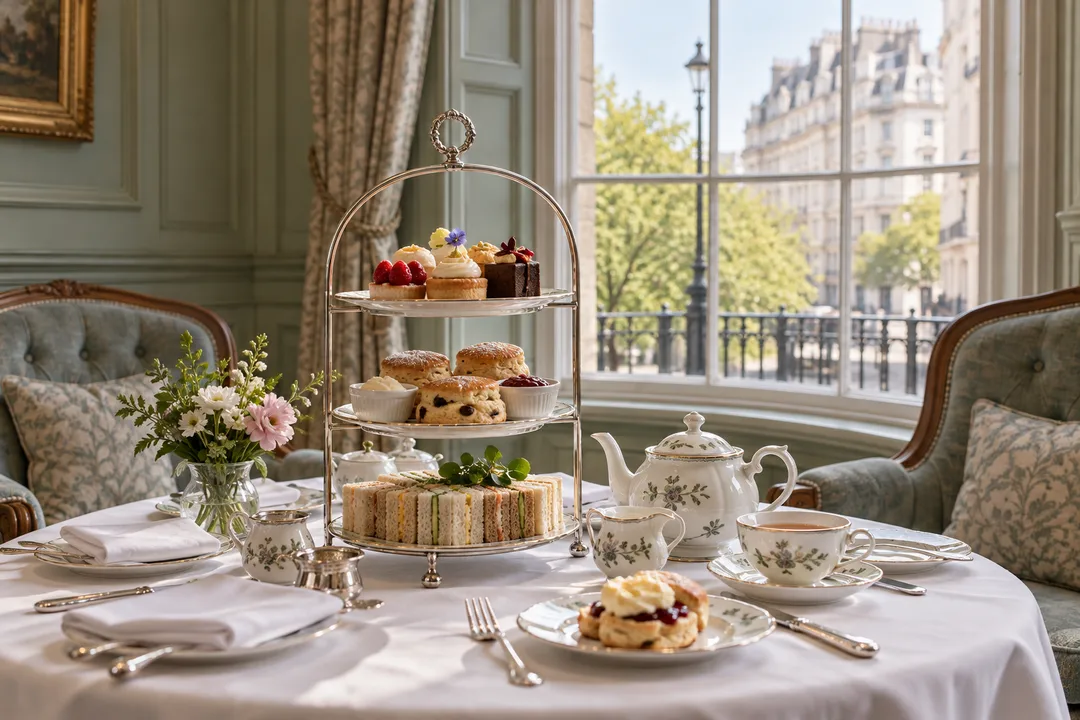
London Afternoon Tea Shortlist Builder: 3 Classic Styles
Compare three London afternoon tea styles by food, formality and tea choice, then use your preferences to narrow the shortlist before booking a table.
“Classic afternoon tea” can describe the room, the food, or the way tea is served. Before choosing a London table, decide which of those you want to remember. Use Karpo APP as an afternoon tea shortlist builder by describing that preference in a message. Request three contrasting suggestions, then compare the details that matter to your group. This approach makes a traditional outing easier to choose without assuming that a famous address is the right fit.
Start with the part you would miss
Imagine leaving the table and describing the afternoon to a friend. Would you talk about a grand room and careful service, the sandwiches and warm scones, or a tea you had never tried before? Your answer gives the search a direction. A person who wants an elaborate occasion may be disappointed by an excellent cup in a casual café. Someone fascinated by tea may find a glamorous room less rewarding if the drinks feel secondary.
Try this prompt: “Suggest three London afternoon tea ideas for two people. We want a traditional food sequence, but compare a formal setting, a tea-focused experience and a relaxed room. Explain which preference each suggestion serves.” Add your preferred area and spending limit. Karpo's published how-it-works page invites users to share mood, budget, neighbourhood and companions. A clear description gives those inputs a purpose rather than treating them as a list of unrelated filters.
The formal-room choice needs more than a photograph
For the first candidate, ask for an occasion that feels deliberately different from an ordinary café visit. You might value comfortable seating, a room with character and a measured progression through the food. These are preferences to investigate, not promises about any particular hotel. Once you have a suggestion, read the description of the actual tea service alongside the room photographs. A beautiful lobby does not establish where the afternoon tea will be served.
Picture the whole party in that setting. One guest may enjoy dressing for the occasion, while another wants to arrive straight from sightseeing. Look at the venue's own dress guidance and decide whether it fits the afternoon you are arranging. Avoid turning a personal preference into a rule for everyone else. If the room requires more preparation than the group wants, choose a different candidate before anyone has paid a deposit.
Let the tea itself lead the second option
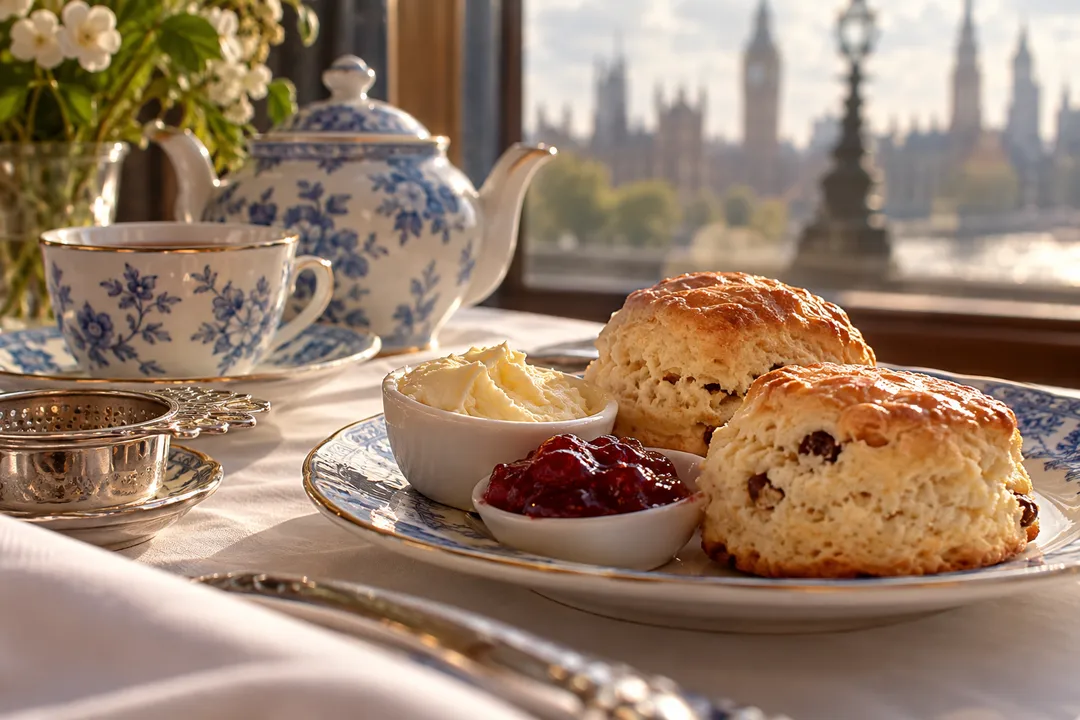
The second role is for people who enjoy choosing what goes into the pot. Ask for suggestions where the tea offering is an important part of the experience, then read the published list yourself. You are looking for enough information to choose confidently: recognisable styles, a description of flavour and some indication of how the service works. A long catalogue is less useful if it leaves you unable to identify a cup you would actually enjoy.
Tell your companion what you usually drink. Someone accustomed to a strong breakfast blend may want a familiar starting point, while another guest might prefer a lighter or more aromatic cup. You can ask Karpo to help articulate those preferences in your next request. Treat any explanation as preparation for the conversation at the table. The venue's staff and menu determine what can be served, whether a different pot is included and which additions carry a charge.
Keep a relaxed third candidate in the conversation
The third suggestion should answer the same desire for an afternoon together with fewer expectations about ceremony. Perhaps your group wants a comfortable place to talk after walking, or one person finds an extended formal meal tiring. Ask for a relaxed alternative while keeping the food requirements explicit. Otherwise the search can drift from afternoon tea into a completely different proposition, such as a single pastry bought at a counter.
A simpler service deserves to be judged on its own purpose. If you want just a pot and a scone, say so, and allow the result to look different from the formal candidate. If the sandwich course is essential, retain that requirement for all three. The useful comparison is between options you would willingly book. Keeping a casual candidate that nobody wants only makes the shortlist longer without helping the decision.
Read the food sequence as a meal
Look past the tiered stand and describe the balance you need. Are savouries the reason to come, or do you mainly want cakes? Does this tea replace lunch? A sweet-heavy menu after a large lunch is a different outing from a substantial afternoon meal. Copy the menu name into your own comparison note so that you do not accidentally compare a full set at one venue with a smaller service at another.
Dietary requirements can change the comparison substantially. A vegetarian set, a vegan set and a request to omit one ingredient are separate things. Use the menu wording that applies to the guest, and direct questions about allergies to the venue. If a candidate cannot explain the service your companion needs, remove it from the decision. Do that before debating china patterns or room style, since those details cannot solve a meal that the guest cannot eat.
Use atmosphere as a question you can answer
“Quiet,” “special” and “romantic” mean different things to different people. Replace them with an observable preference. You might want enough space for a long conversation, a table where an older relative can sit comfortably, or a setting that feels celebratory without a themed performance. Describe that to Karpo when refining the suggestions. You are asking for a better fit, not seeking a universal ranking of London tea rooms.
Photographs can help you form a question, but they cannot guarantee a seat. If a particular room or table position is central to your choice, raise that in the venue's booking process. Keep the wording of the reply with your booking record. A request is still a request until the venue accepts it, and a general recommendation does not establish a private room, a window table or a special arrangement for the group.
Make a decision with your companion
Give each remaining candidate a short label based on its strongest reason to visit: the occasion, the tea, or the easy conversation. Karpo's FAQ describes saving and sharing picks with friends and comparing options. Share the candidates with one precise decision for the other person to make. Asking whether they prefer the formal room or a relaxed meal is easier to answer than sending a dozen links and asking what they think.
My choice would follow the least replaceable part of the day. For a relative's rare visit, that might be the shared occasion. For friends who regularly meet over food, an interesting tea list may contribute more. Skip a theatrical themed set if everyone actually wants an uncomplicated traditional meal. A clear reason to exclude an option is useful evidence that the shortlist reflects your plans rather than a collection of fashionable names.
Practical Notes before reserving
Finish with the venue's named service, the menu that suits each guest, the party size and the desired date. Read the terms attached to the booking, including any payment and cancellation conditions. Settle transport and your next commitment before picking a sitting. The room that fits the group's preferences must also fit the day, or the final course will become something you rush through while watching the clock.
Open Karpo APP with the experience you want to describe afterward, then ask for suggestions that represent those three distinct styles. Narrow them using the actual menus and your companion's response. Move to the venue's reservation process when one candidate has a clear reason to win. You will arrive with a shared expectation about the food, the setting and the role tea should play in the afternoon.
Ask Karpo for more information.
Keep reading
- Marylebone Coffee Shop Finder: Village Cafes and Espresso
 Fitzrovia Coffee Shop Finder: Quiet Central London Espresso
 Covent Garden Coffee Shop Finder: Hidden Courtyard Cafes