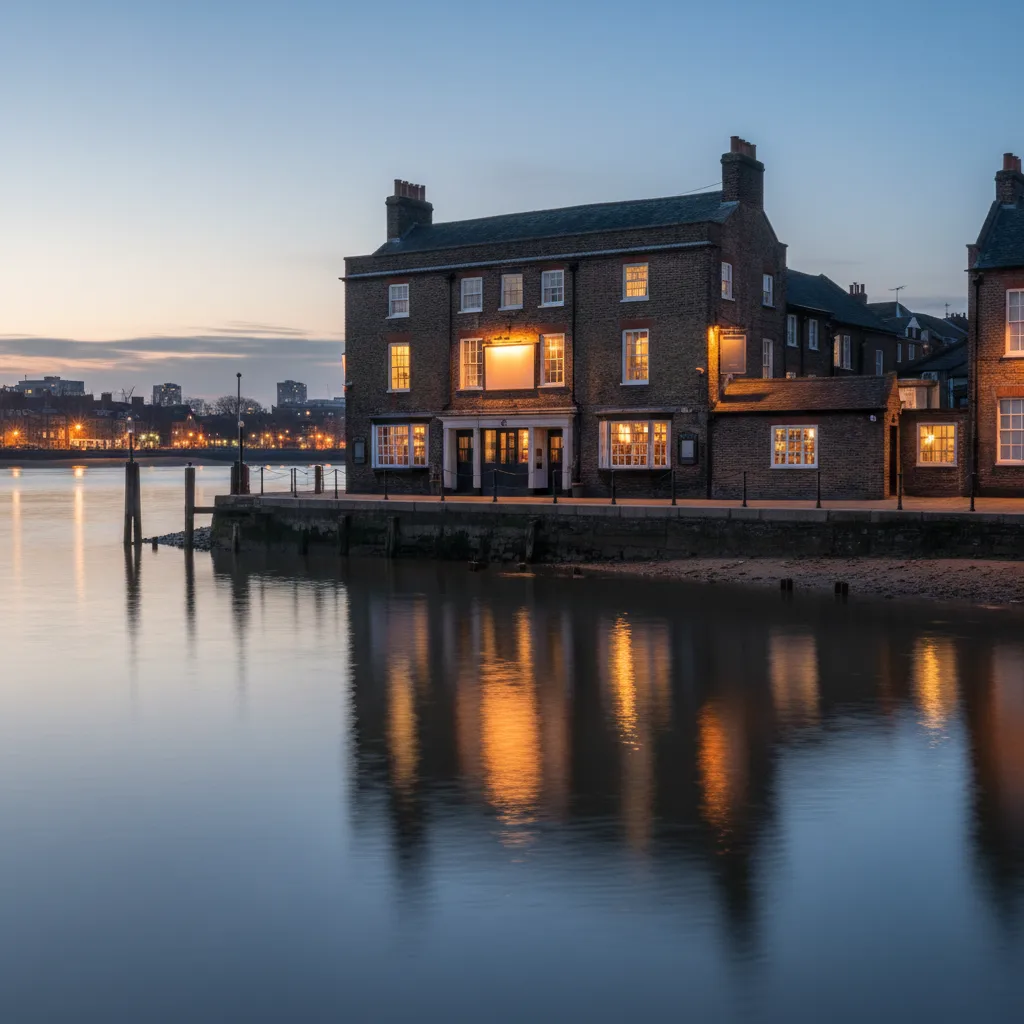
 Greenwich Blues Bar Night Picker: River Stages After Dusk
Bars & Nights Out
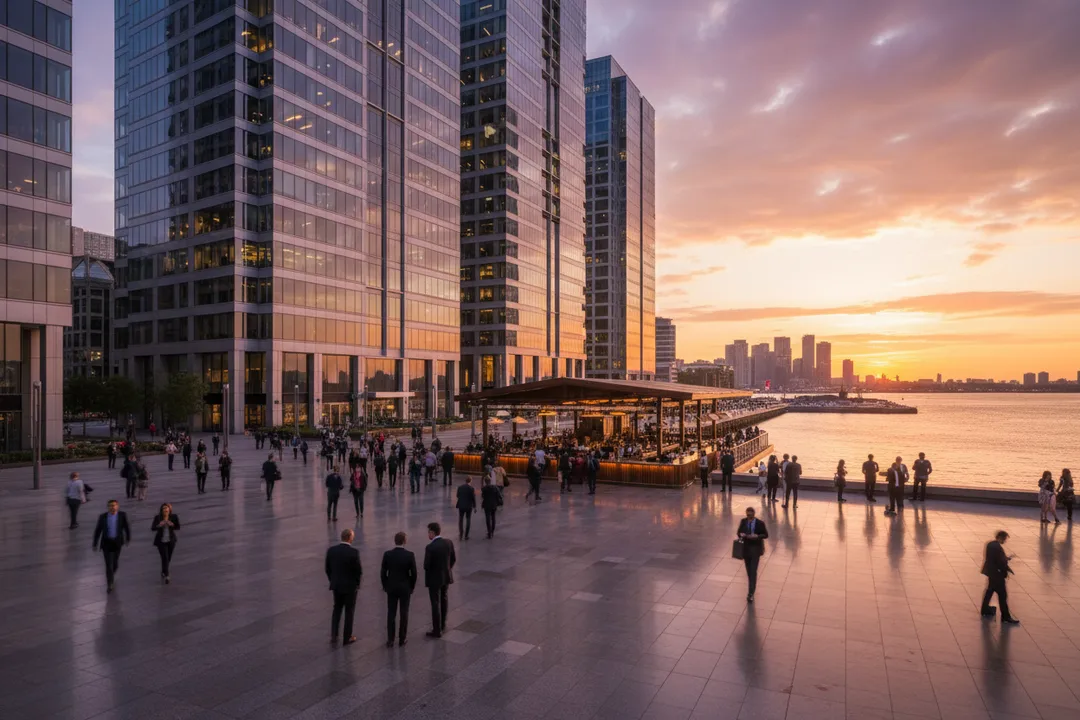
After Work Drink Finder London: Canary Wharf Sunset
Find after-work drinks in London's Canary Wharf: set walk time, mood, and arrival, then save a route for sunset office exit before the first round.
London after-work planning feels easier when the search begins with sunset office exit. This canary wharf sunset brief turns the end of a workday into a small sequence: choose an atmosphere, limit the walk, set an arrival band, and keep one fallback. Karpo APP is useful here because it exposes the decision behind a result. You can see why a place fits the group without pretending the tool knows a live crowd, a guaranteed seat, or a reservation that nobody has submitted.

Start with pace · Canary Wharf Sunset
Frame the brief around copper sunset office exit. Choose the tube exit control first, then set a walking ceiling that the slowest person can manage. A river copper copper shortlist is more useful than a famous name with a difficult transfer. Keep the city and neighbourhood visible in the saved route, because those two fields explain the shape of the map when someone opens it later.
Use the station as an anchor · Canary Wharf Sunset
Mark the meeting point at a real transit reference. The planner can sort by distance from a rain cover, while you decide whether sunset or clear matters more than the raw number of minutes. That small distinction keeps the first move humane. A colleague arriving from another line can read the same route and understand the handoff without a second round of directions.
Translate preferences into a shortlist · Canary Wharf Sunset
Shape one preference per person instead of asking everyone to agree on a single bar. One friend can choose riverside energy, another can favour open conversation, and the shortlist can carry both signals. Use the shared route name canary wharf sunset so the group sees a decision record rather than a pile of links.
Choose a useful arrival band · Canary Wharf Sunset
Trace the arrival band with a clock time, then let the tool remove options that fail it. A unhurried plan may start early, while an late plan can leave room for dinner or a second stop. The useful question is not whether a result is popular; it is whether the first round fits the moment the group can actually meet.
Design a first round and a backup · Canary Wharf Sunset
Name the evening as three roles: an arrival drink, a change of scene, and a backup. Put clear into the first role, reserve balanced for the second, and keep the bar counter control available as the escape hatch. This structure makes a route resilient when rain, a delayed train, or a late message changes one assumption.
Read seating and sound clues · Canary Wharf Sunset
Place the detail card before you trust a ranking. Seating style, sound level, food availability, and booking intent tell a more useful story than a popularity badge. If open is the goal, favour a table or booth; if spacious is the goal, a counter or standing-friendly result may be better. The tool narrows the choice and leaves the judgement with you.
Share a route with context · Canary Wharf Sunset
Keep the route for the person who joins late. Share the start point, the walk limit, the arrival band, and the fallback label in one saved brief. A river copper late handoff means the late arrival can enter at stop two without asking where everyone moved. That is a practical advantage of route planning over a message thread that loses its context.
Mark the human booking step · Canary Wharf Sunset
Tune discovery from booking. The app can surface places that match balanced or specific, but a booking action remains a human step. If the detail card signals reservation intent, assign one person to make the request and keep the route as the group’s backup. This boundary keeps the copy honest and the plan useful.
Protect the return journey · Canary Wharf Sunset
Save a finish cue before the first drink. It can be a last-train buffer, a return station, or a finish-by time. When the saved route includes arrival band, people can enjoy the room instead of negotiating every ten minutes. For a spacious evening, a graceful exit often matters more than adding another destination.
Adjust without losing context · Canary Wharf Sunset
Close one variable when the shortlist feels wrong. Widen the walk, swap soft for copper, or move the arrival band; do not reset every filter at once. A controlled change shows which preference moved the result. The route remains legible, and the group learns a reusable rule instead of starting from zero.
Save a repeatable brief · Canary Wharf Sunset
Sketch a pattern you will use again. Save the search with its city, mood, walking ceiling, and street corner cue. Next week’s question may be different, but a river copper specific template gives you a clean starting point. Reusable planning is the quiet benefit of a finder: it turns a one-off decision into a small personal library.
Practical handoff · Canary Wharf Sunset
Route the final handoff in plain language. State who is meeting where, what atmosphere won, how far the second stop is, and what happens if the route breaks. Keep homeward as the headline and riverside as the fallback. That final note makes the route understandable to someone who did not help build it.
Route note · river copper 13
Practical notes for Canary Wharf Sunset: start with the smallest useful area, keep the arrival band realistic, and name the backup before anyone leaves work. If the group grows, change the seating preference rather than throwing away the route. If rain, a delayed train, or a late finish changes the evening, reuse the saved brief with a shorter walk and a different mood. Karpo APP helps sequence those choices while leaving the final call with a person.
Route note · river copper 14
A final river copper check keeps the plan grounded. Read the route from the perspective of the newest arrival, then remove any step that relies on an assumption nobody shared. Keep the preferred atmosphere, the walking ceiling, the timing band, and the fallback visible. If a result looks attractive but breaks the transfer or finish cue, drop it without regret. A shorter route with a clear handoff is usually more useful than a longer list. The saved brief should answer six questions in order: where to meet, when to arrive, what mood to choose, how far to walk, what to do if the first stop fails, and when to head home.
Ask Karpo for more information.
Keep reading
- Greenwich Blues Bar Night Picker: River Stages After Dusk
 Shoreditch Blues Bar Night Picker: East End Brick Stages
 Brixton Blues Bar Night Picker: Soulful South Stage Sets