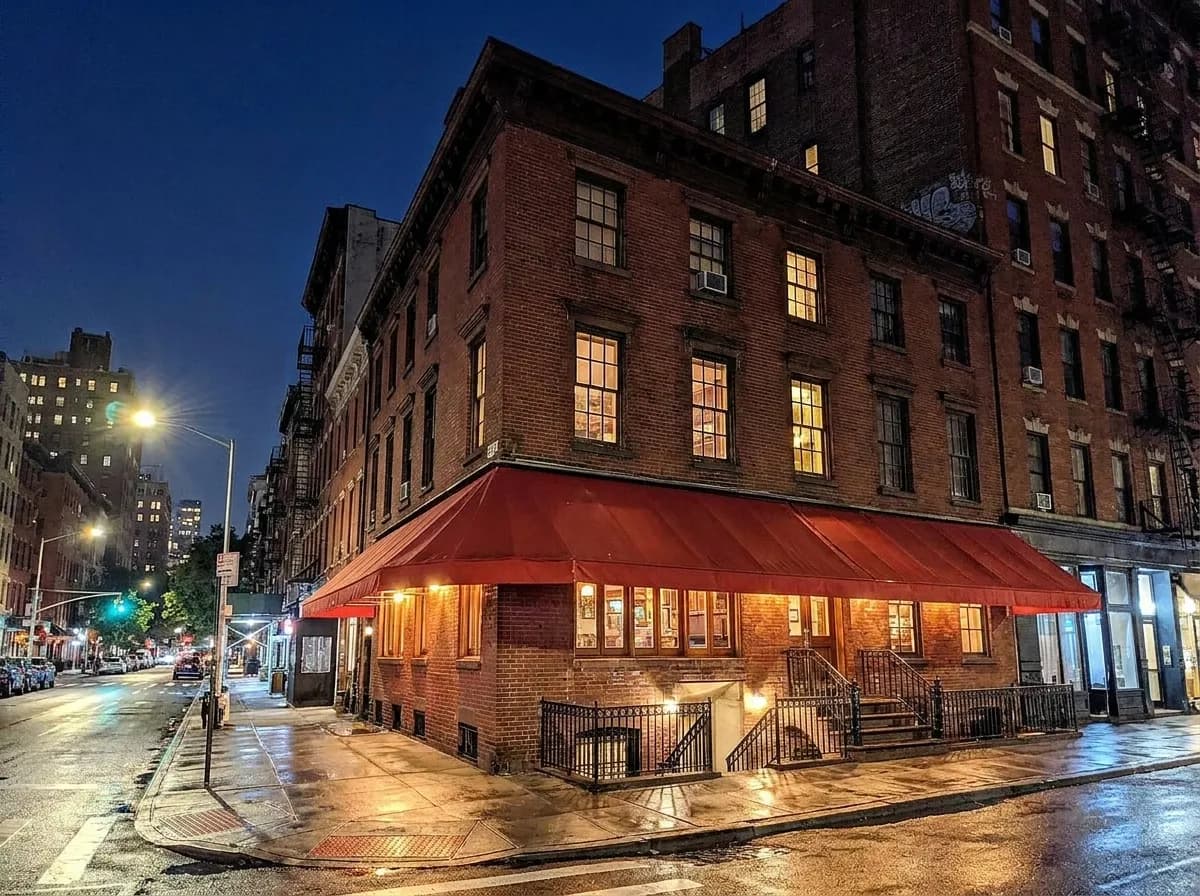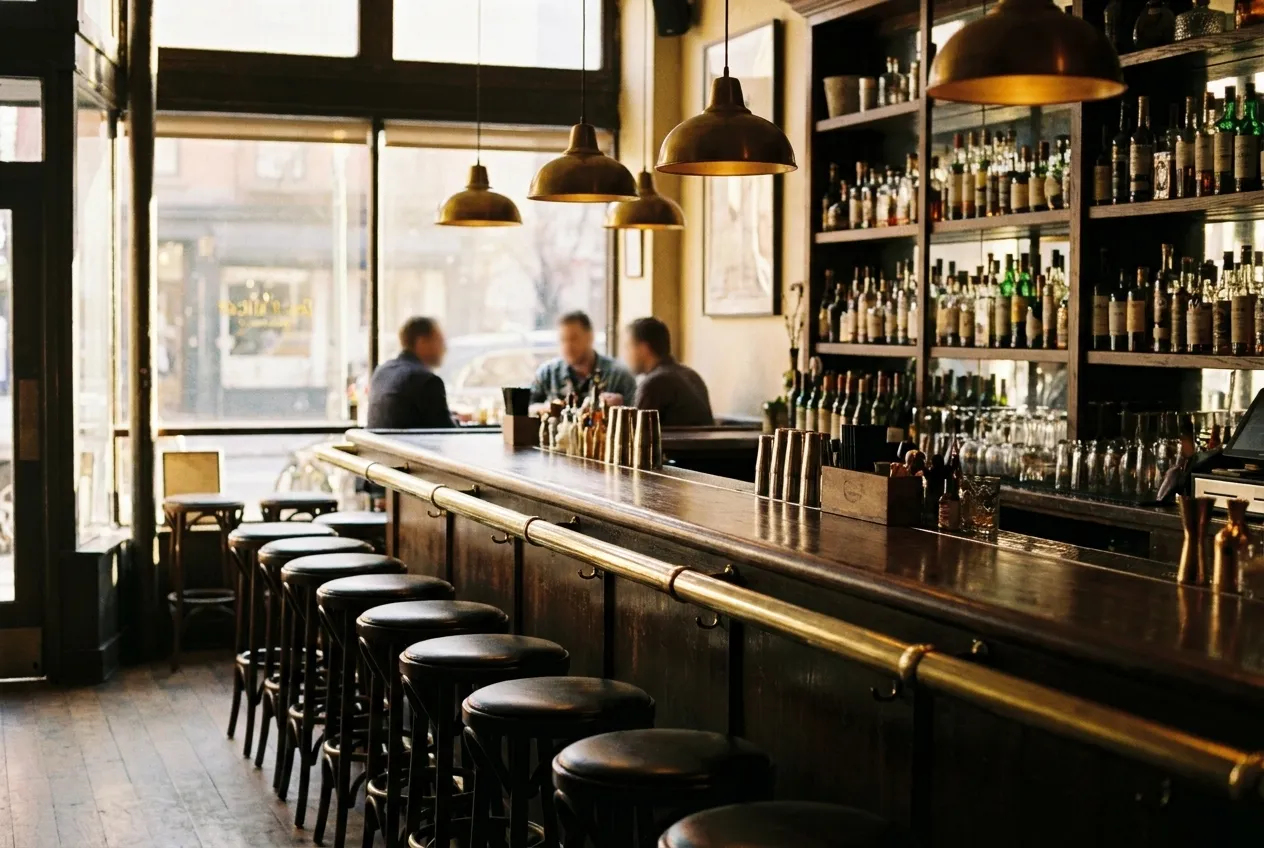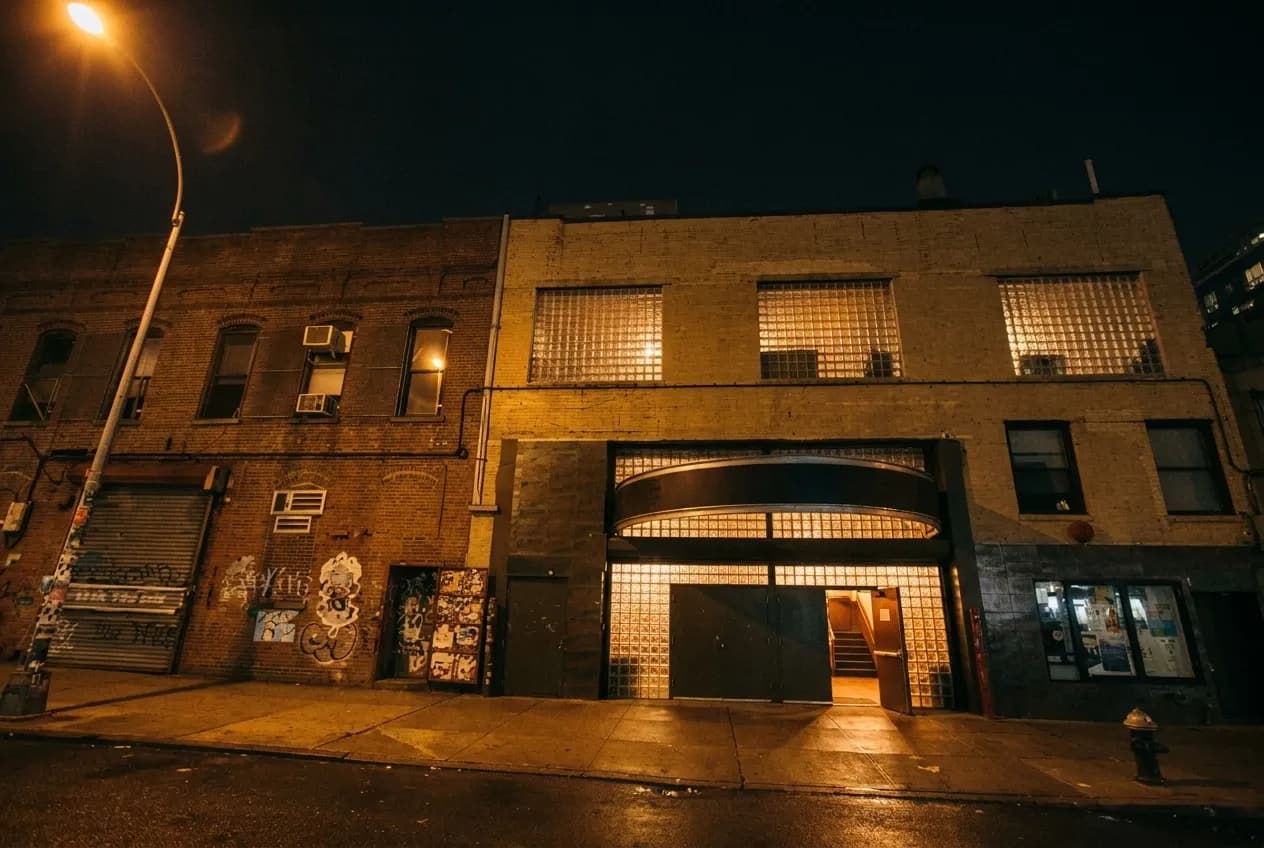
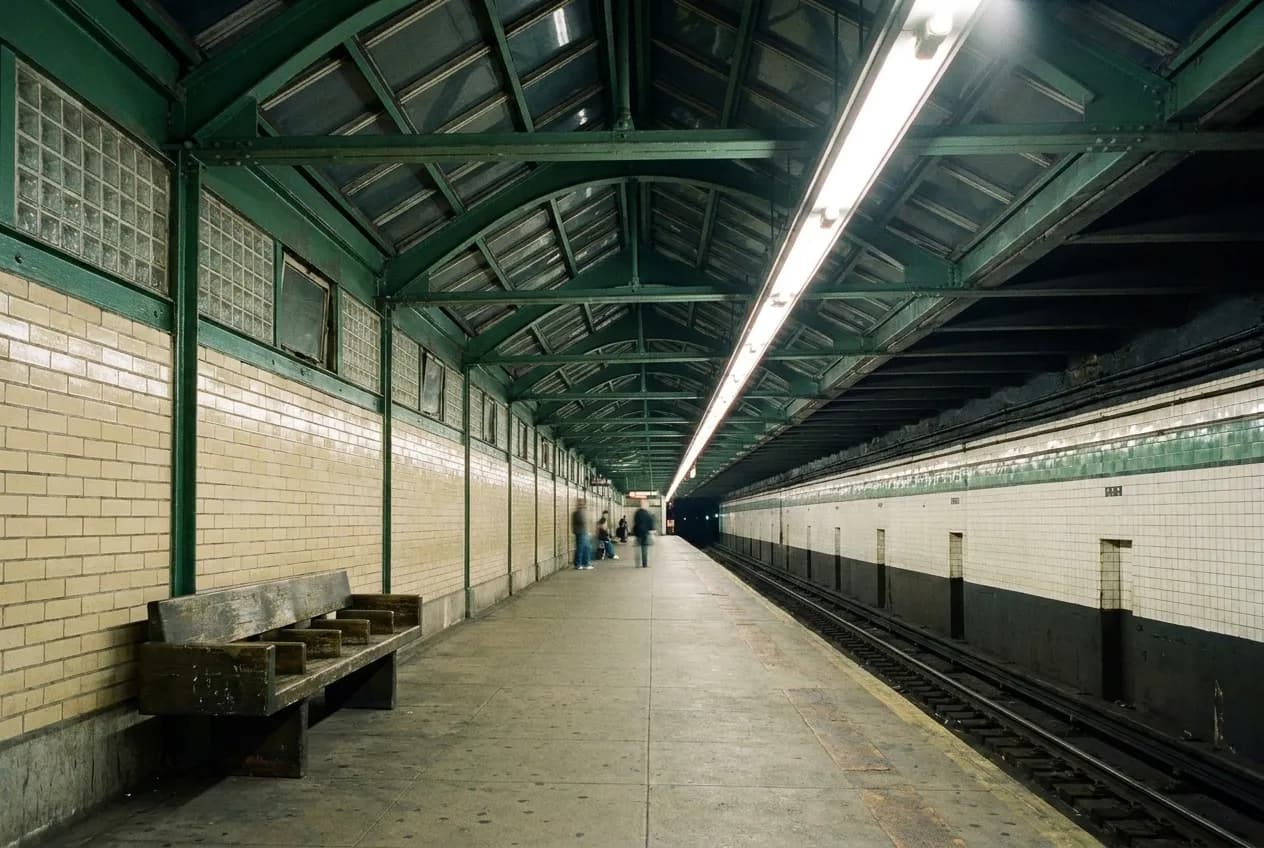
The last useful train out of Lower Manhattan on a Tuesday leaves around 12:45 a.m. if you're heading to Brooklyn or Queens, earlier if you're going uptown or to the outer boroughs. Miss it and you're looking at twenty-minute gaps, then thirty, then an hour. That window—not the venue's closing time—is your real curfew on a weeknight, and it's why door time versus set time matters more in New York than almost anywhere else. A band listed for nine can easily go on at ten-thirty, which is fine on a Saturday but a problem when you have to be functional Wednesday morning.
Open the Karpo app before you commit to a venue tonight. You'll see which rooms are running on time, when the headliner actually goes on, and which train gets you home without the long wait on the platform.
How Door Time Actually Works
Door time is when the venue opens and when you can start buying drinks. It is not when music starts. On a weekend that gap might be thirty minutes; on a Tuesday or Wednesday it stretches because the room needs time to fill and because sound checks run late when there's no line outside pressuring the staff to move faster. If a show lists doors at eight, expect the opening act around nine and the band you came for between ten and eleven.
Three-band bills are the hardest to time. The middle act is usually the one you've never heard of, and they'll play thirty to forty minutes. If you want to skip them and catch the headliner, you need to show up around the time their set ends—but that's a guess unless you know the venue's pattern. Rooms in the Lower East Side and Williamsburg tend to run tighter because they book more shows per week and have practiced the turnover. Places in Bushwick or Ridgewood are looser, especially on slower nights.
Two-band bills are easier to predict. The opener goes on within thirty minutes of doors, plays thirty-five to forty-five minutes, then you get a twenty-minute changeover. That puts the main act around ninety minutes after doors, sometimes two hours if the room is still filling. Single-headliner nights are the simplest: the band goes on when the room looks full enough to justify starting, which on a weeknight is often earlier than the listed time because there's no second wave of arrivals coming at ten-thirty.
Which Neighbourhoods Let You Stay Late
Williamsburg and Greenpoint have the best late transit options after a show. The L train runs every ten minutes until just past one a.m. on weeknights, and the G is nearly as frequent until midnight. If you're seeing something at a venue near Bedford or Metropolitan, you can stay until eleven-thirty and still make a clean connection. The Lower East Side works if you're on the F or the M, both of which hold reasonable service until around one, but the J and Z lines drop off sharply after midnight.
Bushwick is trickier. The L at Jefferson or DeKalb is fine, but if the venue is closer to the M train you're dealing with longer waits after eleven forty-five. The neighborhood has become a major hub for Tuesday and Wednesday shows because rents are lower and the rooms can afford to take a chance on smaller draws, but that geographic advantage disappears if you're stuck on the platform for twenty-five minutes. Check your route home before you choose a venue, not after the encore.
Manhattan venues south of Union Square have good subway coverage but the timing is less intuitive. The 6 train stays frequent late, the 1 is reliable, but the A and C trains start spacing out after midnight and the wait feels longer underground than it does in Brooklyn. The West Village and East Village clusters are walkable to multiple lines, which gives you flexibility if one train is running slow. The trade-off is that Manhattan rooms tend to list earlier door times—seven or seven-thirty—because the neighborhood skews older and the venues know their crowds won't stay past eleven on a Tuesday.
Reading the Lineup to Time Your Arrival
If the opening band is local and the headliner is touring, the opener will go on closer to door time because they're used to playing to an empty room. If both acts are touring or both are local, expect a longer gap because neither band wants to start early. Genre matters too: punk and hardcore shows run tighter because the sets are shorter and the crowds expect fast turnover. Jazz and experimental shows stretch because the format assumes people will sit through everything. Singer-songwriter bills are the longest—three acts can easily run past midnight even with a seven-thirty door.
Venue size gives you another clue. Rooms that hold fewer than two hundred people usually start closer to the listed time because they fill faster and because the staff wants to get everyone in and out before the neighbors complain. Larger venues—anything over three hundred capacity—have more room to let the night breathe, which on a weeknight means a later start even if the door time looks early. A band listed for eight-thirty at a four-hundred-capacity room in Bushwick is realistically going on at ten.
If you see a show listed as a residency—same band, same venue, multiple Tuesdays in a row—they'll start on time because the artist has negotiated the schedule and the venue has learned the crowd's rhythm. One-off bookings are less predictable. A band passing through on a Wednesday is at the mercy of whoever else is on the bill and how long it takes the room to hit the magic number where the sound person decides it's worth starting.
What to Do When Your First Choice Is Packed
Tuesday and Wednesday shows don't usually sell out, but rooms are smaller on weeknights and capacity is real. If you show up at door time and there's already a line, the venue is either oversold or running a guest list that's eating up half the room. Don't wait outside for thirty minutes hoping it clears—it won't, because the people inside aren't leaving until the headliner finishes. Walk two blocks in any direction and you'll find another venue with a different show at a different point in the night.
Clusters matter more than individual venues. The stretch of Williamsburg along Metropolitan Avenue between Lorimer and Graham has at least four rooms within a five-minute walk, and they rarely book the same genre on the same night. The Lower East Side between Delancey and Houston has a similar density. If one room is full, another is half-empty and the band going on in twenty minutes is probably worth hearing. Bushwick around the Jefferson L stop has the highest concentration of small venues in the city, which makes it the best place to improvise when your original plan falls through.
The other move is to skip the venue entirely and look for bar shows. Plenty of places in Greenpoint, Bed-Stuy, and Crown Heights book live music in their back rooms or basements on weeknights, no cover, first come first serve. The sound isn't as clean and the band is usually earlier in their arc, but you're in and out by ten-thirty and the train situation is easier because you're not trying to leave at the same time as two hundred other people. These shows are harder to find in advance because they're not always listed on the big calendars, but they're the release valve when the obvious option is closed.
Tags: #LiveMusicNearMe #NYCNightlife #WeeknightShows #LiveMusicNYC #BrooklynVenues #WilliamsburgMusic #LowerEastSide #BushwickShows #NYCSubway #LastTrain #TuesdayNights #LocalMusic #NYCBars #LiveBands #MusicVenues
Please drink responsibly. Must be of legal drinking age.
All trademarks are the property of their respective owners.
Ask Karpo first
Open the Karpo app to see which rooms in your neighborhood have live music tonight, what time the band you want actually goes on, and which train gets you home without the platform wait. It's faster than checking six venue websites and guessing at the schedule.