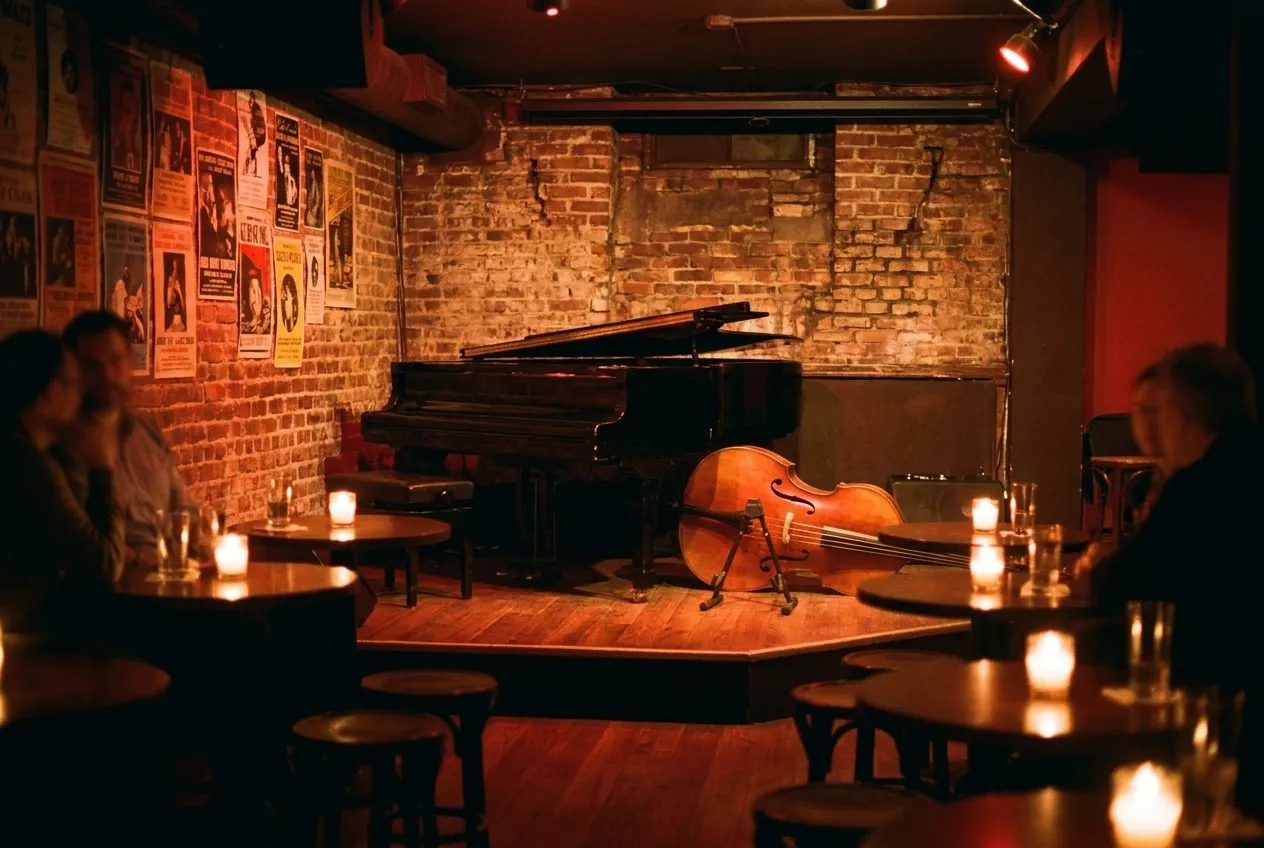
New York's jazz rooms operate on a structure that almost nothing else in the city's nightlife uses: two discrete sets a night, sold separately, in the same room, with the audience turned over in between. This confuses people constantly. They book a table without noticing which set, arrive halfway through the first, discover there is a minimum they did not know about, and leave feeling they have been caught out by a system nobody explained. The system is not obscure and it is not designed to catch anyone out — it is how a small room with expensive musicians pays for itself. Once it makes sense, these become some of the best-value evenings in New York.
Karpo can check which New York rooms have sets tonight, what the cover and minimum are at each, and whether the early or late set still has seats.
Early set and late set are two different evenings
A typical New York jazz room runs a first set in the earlier evening and a second an hour or two later, with the room cleared and reseated between them. Both usually feature the same musicians playing a different programme.
The early set is the polite one: a mixed audience, some of whom have booked dinner around it, a room that is full but calm, and a finish early enough to do something afterwards. The late set is the one musicians prefer — a smaller, more committed audience, looser playing, and a greater likelihood of the band stretching out or a guest sitting in. Neither is better. But booking the early set and expecting the late set's atmosphere is a common disappointment, and the reverse is worse.
Cover, minimum, and what you are actually paying
Two separate charges typically apply, and conflating them is the main source of confusion. The cover or admission is the price of the set — it pays the musicians. The table minimum is a required spend on food and drink, which pays the room. You meet the minimum by ordering; it is not an additional fee on top of your bill.
So a room quoting a thirty-dollar cover and a twenty-dollar minimum is asking for thirty dollars plus at least twenty dollars of drinks. If you were going to have two drinks anyway, the minimum costs you nothing. Ask for both numbers when you book, because listings routinely quote only one.
The bar is usually the cheaper way in
Most rooms with a seated table policy also sell standing or bar admission at a lower price and often with no minimum. You see less, you may be behind a column, and you are standing for an hour — but you hear exactly the same music for considerably less money.
For a first visit to a room, or for a weeknight where you are not committed to a whole evening, this is the correct choice. It is also how a lot of the regulars attend. If you decide you love the room, book a table next time.
Sightlines are worth asking about when you book. Many of these rooms are basements with columns, low ceilings and awkward corners, and a table sold at the same price can face the stage or face a pillar. Requesting a clear view when you reserve is entirely normal and costs nothing, and staff would generally rather place you well than deal with it afterwards.
Booking, and what happens if you are late
Sets start on time. In a room that has to clear and reseat for a second set, there is no flexibility in the schedule, and arriving twenty minutes into a set means being seated during a break or not until the next number ends. Some rooms will not seat latecomers mid-piece at all.
Book ahead for anything with a named artist, and arrive fifteen minutes early rather than on the hour. That fifteen minutes is when you get the seat you want, order a drink so the minimum is not a scramble at the end, and settle before the music starts. It is the difference between an evening that begins well and one that begins with an apology.
Etiquette that the room genuinely enforces
Jazz rooms in New York are quieter than most bars and the expectation is real: conversation during a set is noticed, by the musicians as well as by the audience. Talk between numbers, not during them. Applaud after solos, which is the tradition rather than an interruption. Keep the phone down; several rooms ask explicitly.
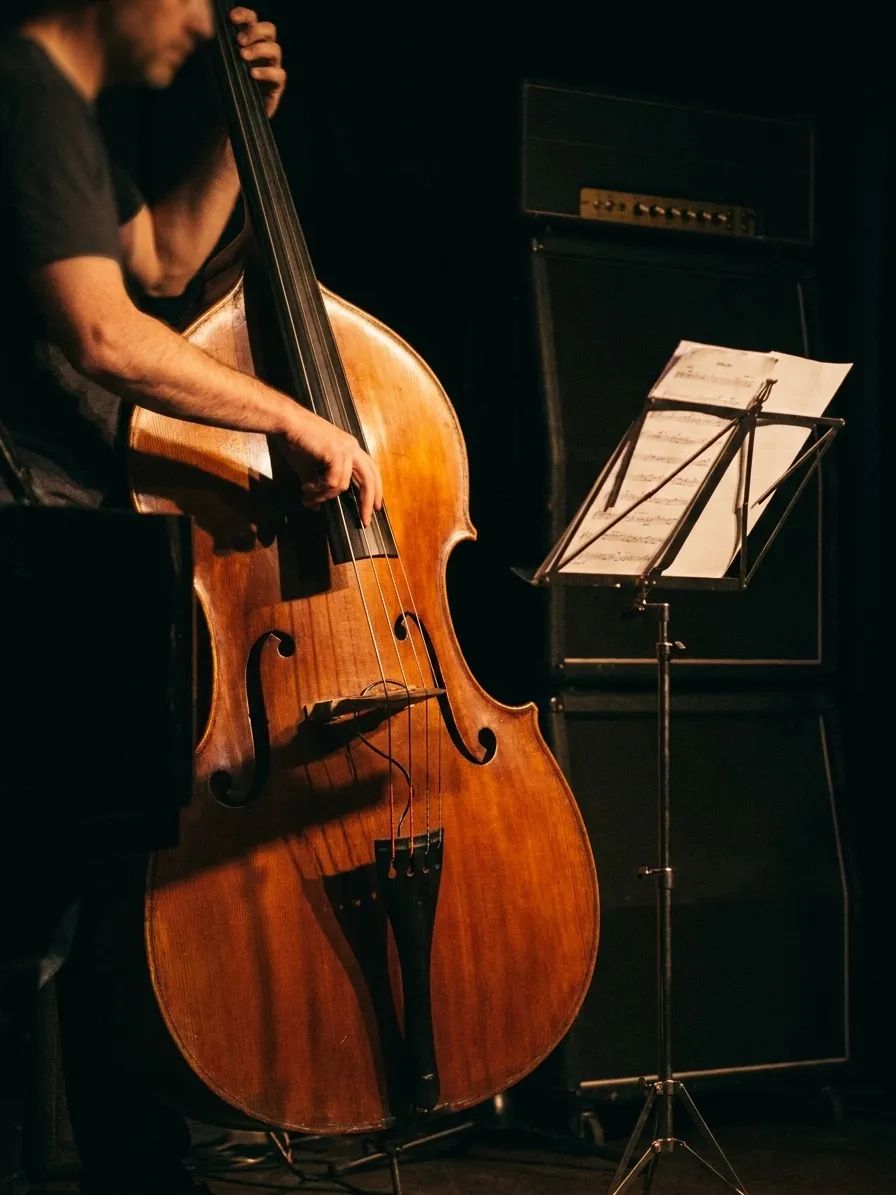
None of this is precious. A forty-seat room with an acoustic bass means the audience is part of the acoustic environment, and a table talking through a ballad genuinely damages the thing everyone else paid for. The rooms that enforce it are the ones worth going back to.
Where the value is on a weeknight
The best value in New York live music is a weeknight late set by a working band with no famous name attached. The cover is low, the room is half full, the playing is often better than the weekend because the audience is there for the music, and you can walk in.
The wider point is that this city sustains an extraordinary density of professional musicians playing several nights a week in small rooms, and almost none of it requires planning. Picking a room, going on a Tuesday, and letting the booking be a surprise is a habit that pays off repeatedly and costs very little.
It is worth adding that the two-set structure exists beyond jazz. Comedy rooms, cabaret and some small folk and songwriter venues in New York run the same model, with the same conventions around covers, minimums and punctuality. If the format suits you — a defined start, a defined end, and a room that is quiet enough to listen in — it is worth looking for it across genres rather than assuming it is a jazz-only arrangement.
Tags: #NYCJazz #LiveMusic #LiveMusicNearMe #NewYorkNightlife #JazzClub #GreenwichVillage #Harlem #NYCGuide #TableMinimum #NightOut #MusicScene #Manhattan #Brooklyn #ThingsToDo
Please drink responsibly. Must be of legal drinking age.
All trademarks are the property of their respective owners.
Ask Karpo first
Want to know which New York rooms have sets tonight, what the cover and minimum are, and whether the late set still has room? Ask Karpo before you book.