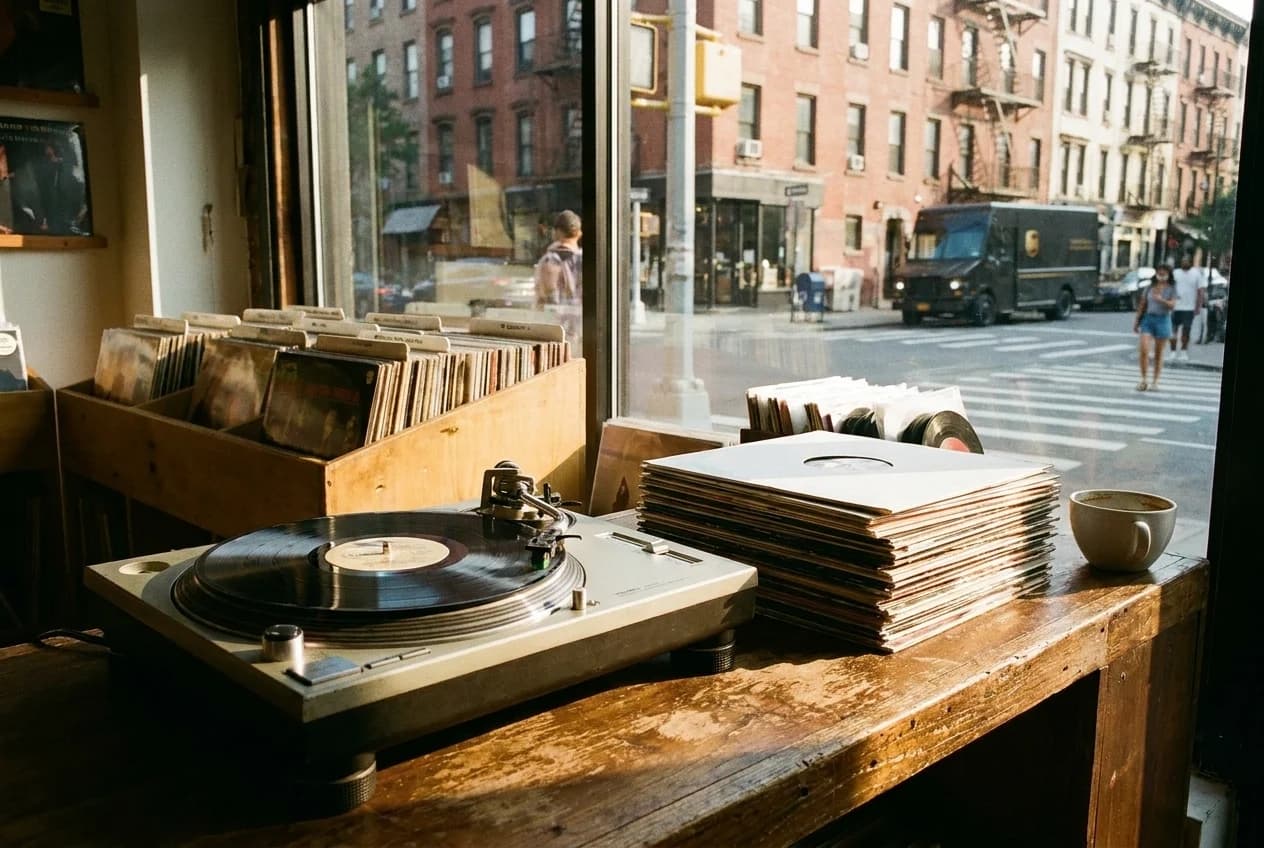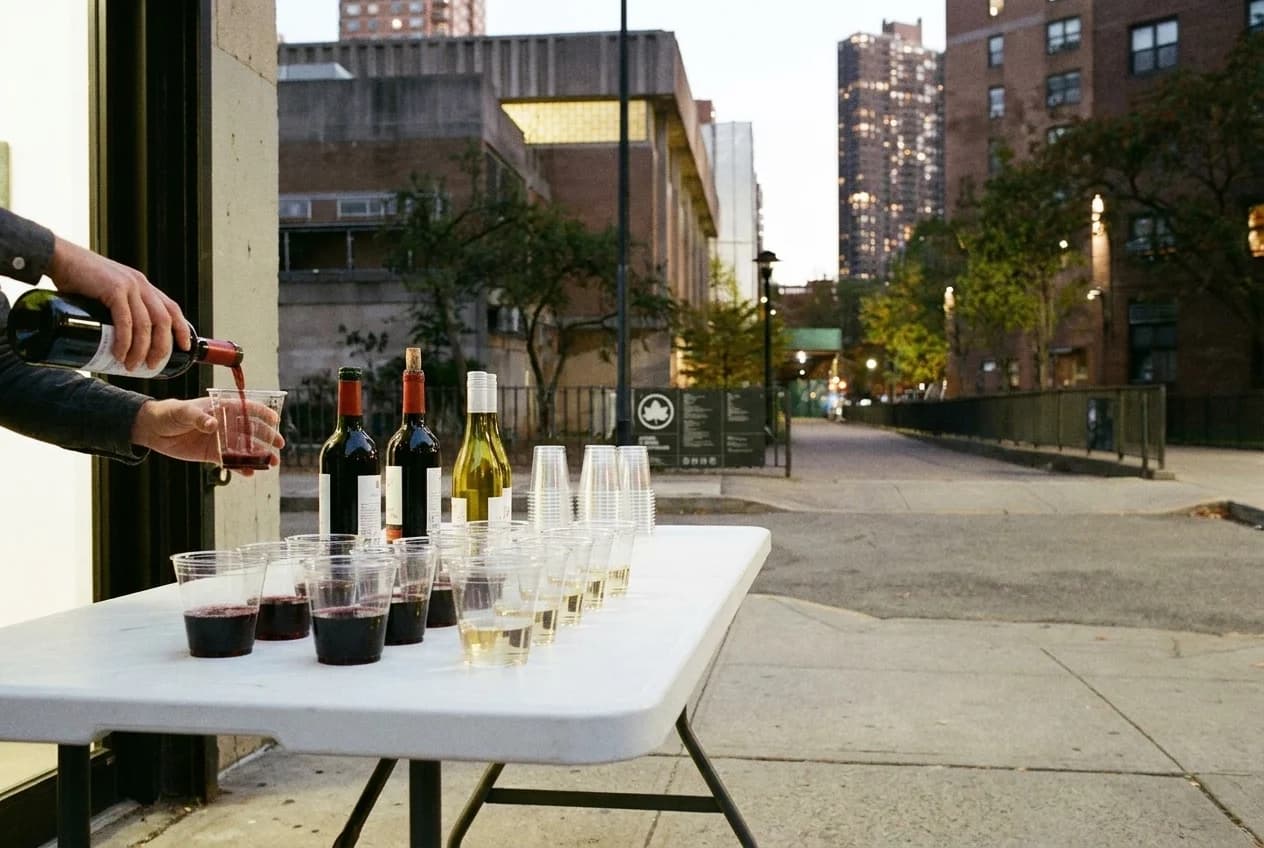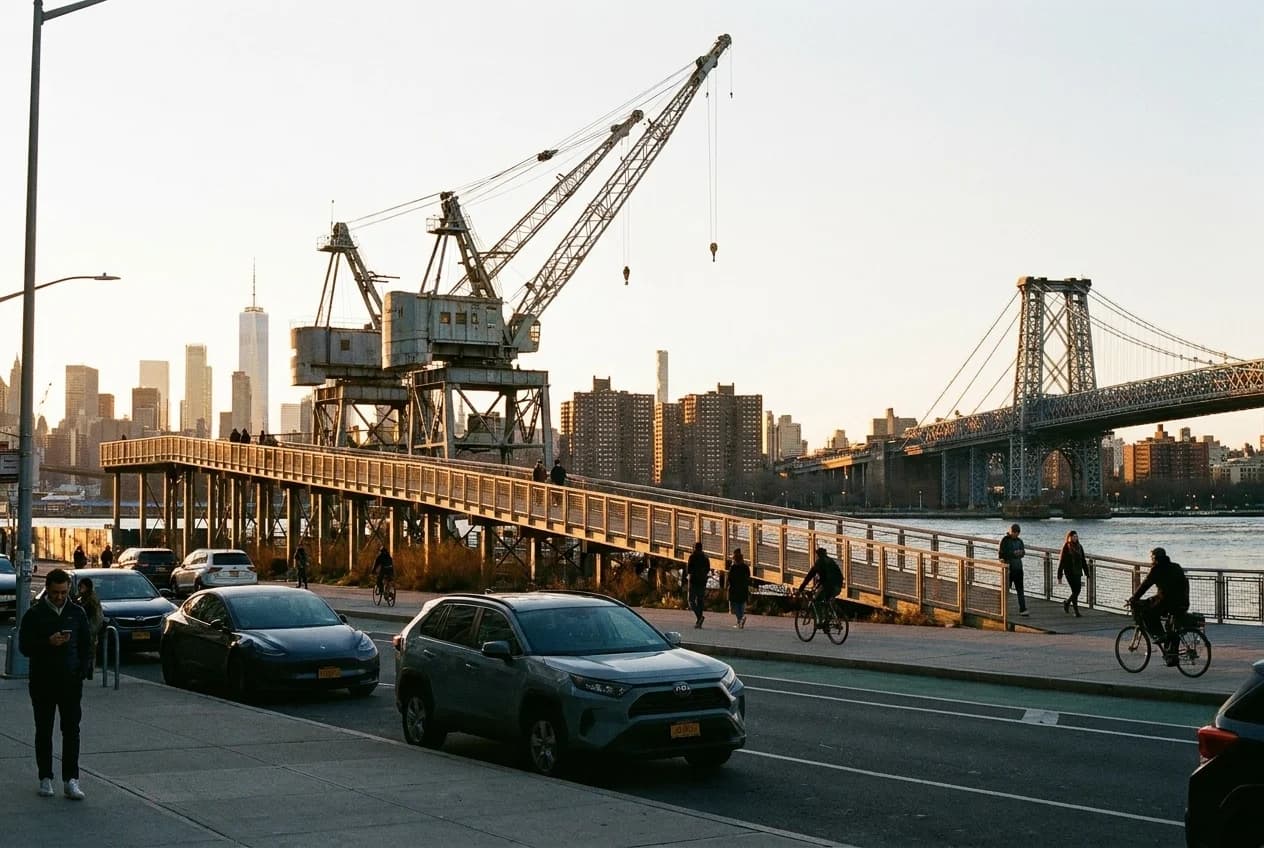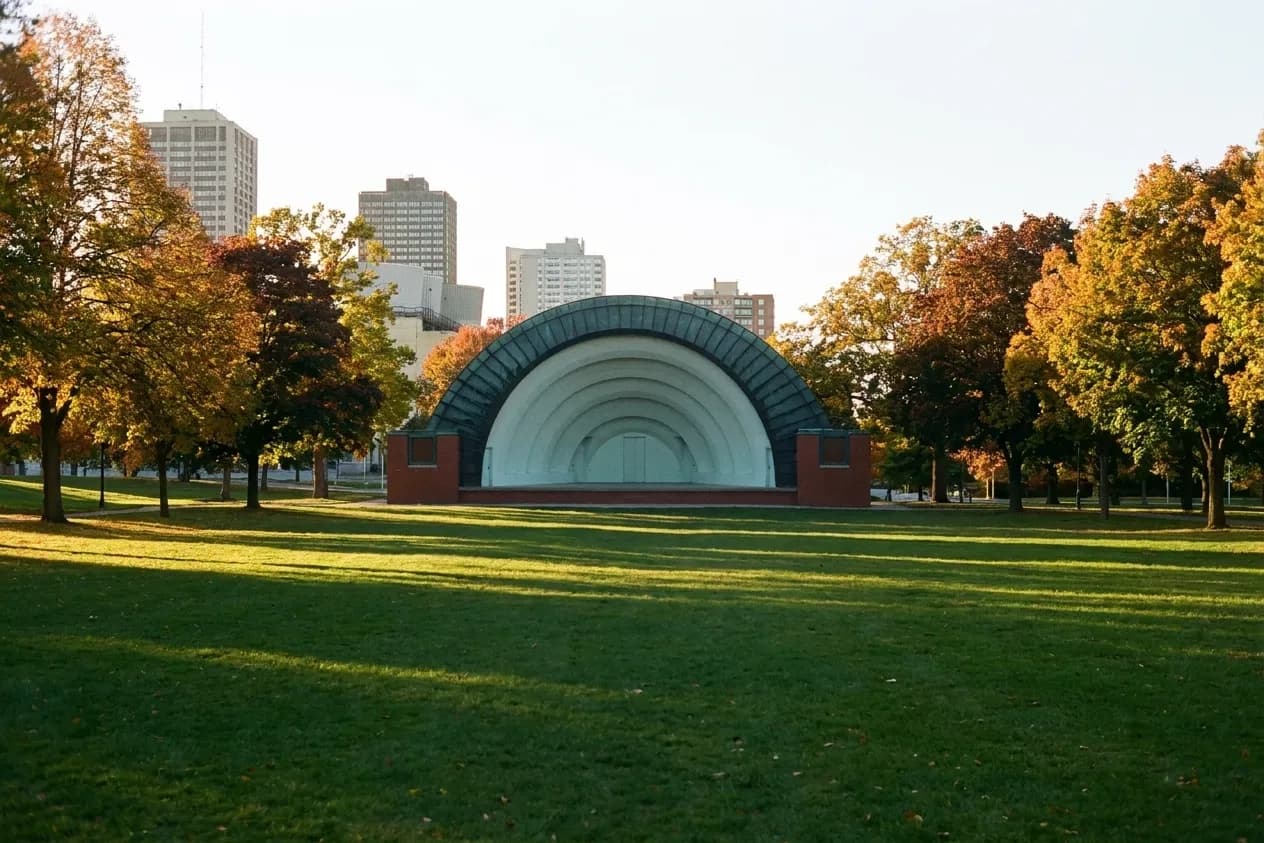
There is a widely held belief in New York that the free outdoor music season is a summer thing that finishes with Labor Day. It is not quite true, and the gap between the belief and the reality is the most useful thing about September. Several of the city's free park series programme into late September and a few run into October, and by then the crowds that made June unpleasant have gone back to assuming it is over. The same stage, the same price - none - and a lawn you can actually sit on. What changes is that the schedule becomes irregular, so you have to look rather than assume.
Free outdoor shows are announced across a dozen unconnected calendars, and half of them are borough-specific. Rather than checking six sites, tell Karpo which weekend you have and how far you are willing to travel, and let it find what is actually on within that radius.
How the season actually tapers
The big citywide series do not share a calendar. Some wrap by the middle of August, some carry a lighter programme through September, and a handful of one-off festivals and neighbourhood events land in the first half of October. The effect is that availability drops sharply but does not go to zero, and what remains is spread thinner across the boroughs.
This is why a generic search for free concerts stops working in September. In July almost anything you find is happening; in September you are looking for a specific date on a specific lawn, and the answer changes week to week.
The neighbourhood parks outperform the famous ones
The flagship park shows are the ones people know about and they are also the ones that fill. The same organisations programme a much larger number of shows in smaller parks across the Bronx, Queens, Brooklyn and upper Manhattan, and those have the better ratio of music to logistics - you walk in, there is space, and you are twenty feet from the stage.
The trade is that the lineups are less famous, which in practice means you hear a great deal of salsa, gospel, Afrobeat, hip-hop and jazz from people who are extremely good and not currently on a festival poster. For a free Saturday afternoon this is not a downgrade.
Weather is now a real variable
In September the risk profile inverts. The heat that made a two o'clock show unbearable in July is mostly gone, and the new problem is rain and an early sunset. Outdoor series usually cancel rather than postpone, and the decision is often made a couple of hours before the doors.
The practical habit is to check the series' own social feed on the afternoon of the show rather than the morning. It is also worth carrying a layer - a lawn at eight in the evening in late September is fifteen degrees colder than the same lawn at five.
What free actually means at each site
Most park shows are genuinely free and unticketed: you walk up. A subset use free advance registration to manage capacity, which is not the same thing - those release in batches and disappear quickly, and turning up without one can mean a standby line. A third category is free with a paid front section, where the lawn costs nothing and a seat near the stage does.
Reading which of the three you are dealing with takes ten seconds on the listing and saves an hour of travel. The word to look for is 'RSVP', which almost always signals the second category.
Bringing food, and what the rules are
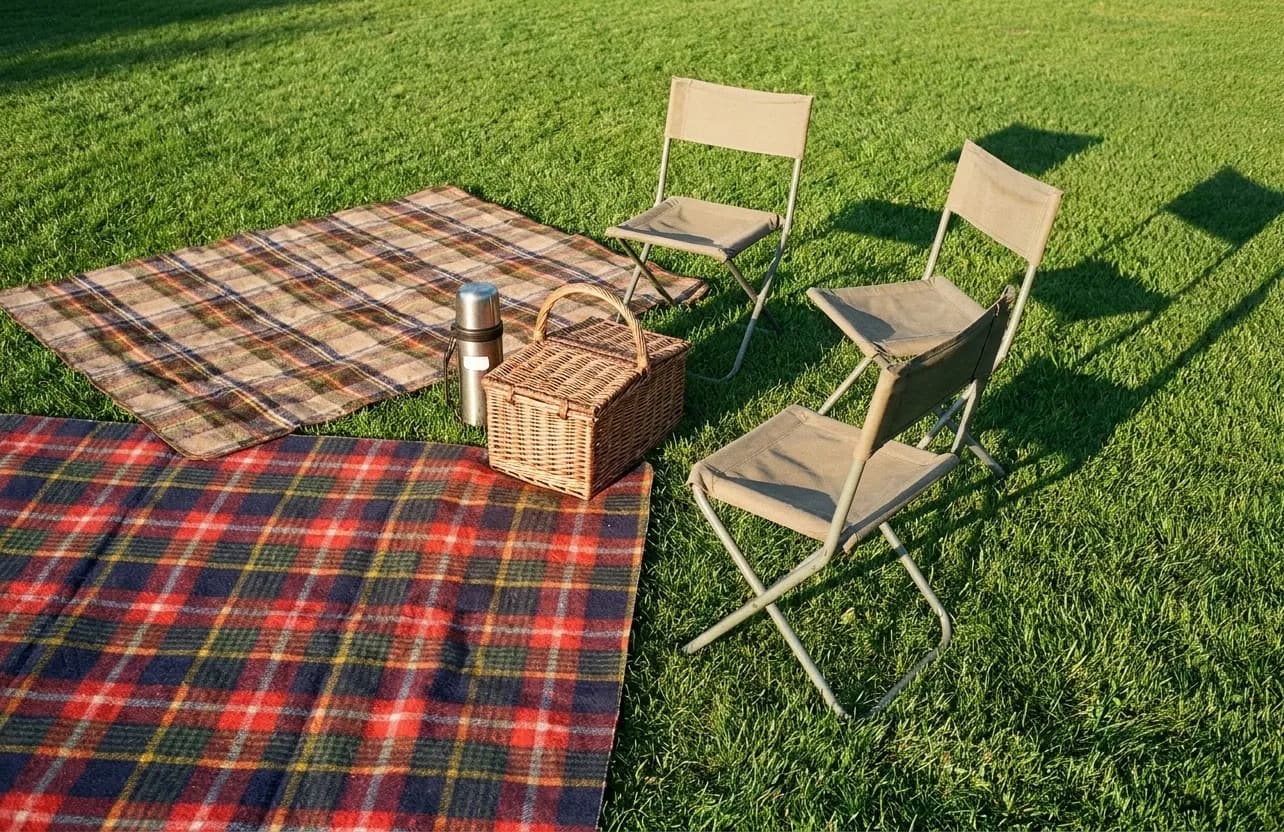
Picnics are the point, and the ordinary parks rules apply: food is fine, glass is not, and alcohol is technically not permitted in city parks regardless of how many people around you appear to be testing that. Larger events add bag checks and their own restrictions, sometimes including outside drinks.
The most reliable setup is something that survives an hour in a bag - a sandwich, a container of fruit, a thermos - rather than anything that needs to stay hot. Several of these parks sit near strong food corridors, which makes assembling dinner on the walk in more sensible than carrying it from home.
Where the season goes next
As the lawns close, the same programming logic moves indoors and gets cheaper rather than free. Libraries, museums with late nights, and a number of cultural centres run no-cost or nearly-free music into the autumn and winter, and several of the outdoor series have indoor siblings that pick up in October.
If you have built a habit around free outdoor music over the summer, the way to keep it through the winter is to switch what you search for rather than to stop. The music does not disappear in November; it moves to a room with a roof and a smaller capacity.
Getting to a lawn without losing the afternoon
The park shows worth travelling for are frequently the ones furthest from a convenient train, and an hour each way turns a free concert into an expensive afternoon. The fix is to treat the park as the destination and the music as the reason, rather than the other way round - pick somewhere you would happily spend three hours regardless of who is playing.
Arrival time works differently outdoors, too. For an unticketed lawn show the good slot is about forty minutes before the billed start, which is late enough that the setup is done and early enough to choose where you sit. Turning up at the advertised hour on a small park lawn is usually still fine; doing it at a flagship park in fine weather is not.
Tags: #LiveMusicNearMe #NYC #FreeConcerts #SummerStage #ParksNYC #FreeThingsToDo #NewYorkCity #OutdoorMusic #September #LiveMusicNYC
All trademarks are the property of their respective owners.
Ask Karpo first
September is the quiet end of a season most people think already finished. Ask Karpo which free outdoor shows are still running near you this weekend, and which ones move indoors when the lawns close.