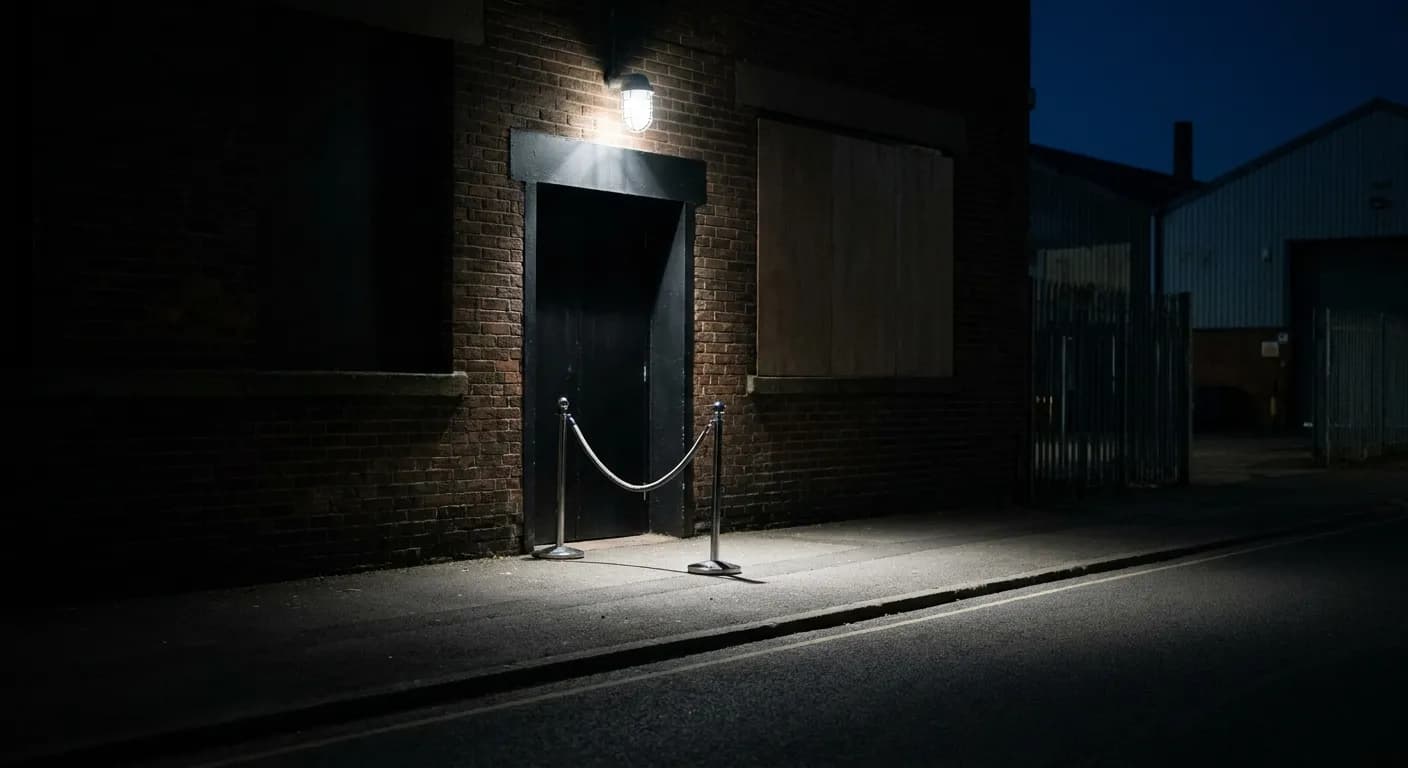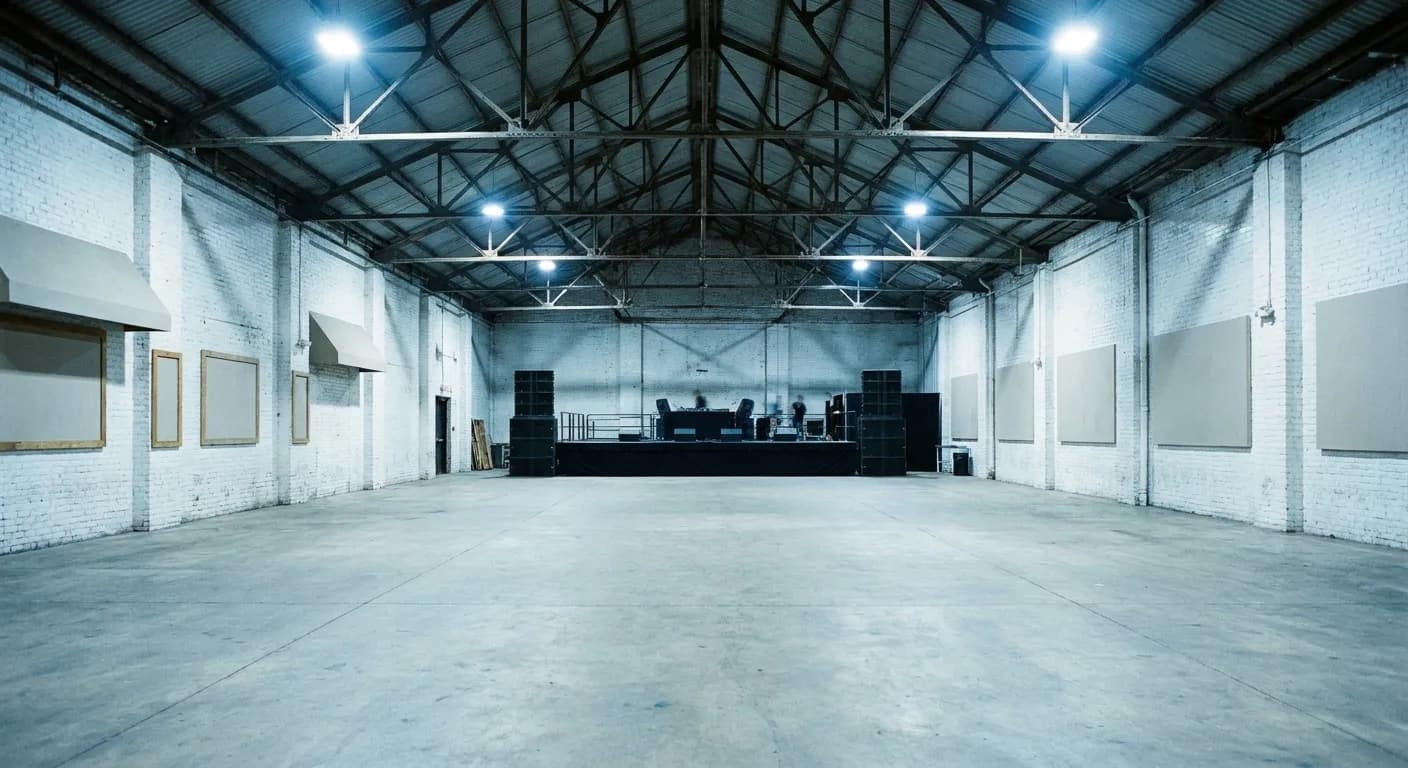
Search for live music near me in New York City at eleven at night and you will get a list of shows that have already started. What the listings almost never surface is the second shift. In a handful of rooms, mostly small and mostly downtown, the ticketed set ends around midnight and something else begins - an open jam, a late session, a residency that exists mainly for the musicians who just finished playing somewhere else. It is cheaper, it is unbilled, and on a good night it is the better set. The catch is that none of it is advertised in a way a search engine can read, because the lineup does not exist until people walk in.
The hard part of a late set is not finding one, it is knowing which room is running tonight and whether you will still get a train home. Tell Karpo where you are and how late you can stay out, and it will work backwards from the last train rather than forwards from the listings.
What a jam session actually is
A jam is not an open mic. An open mic is a queue of people doing their own material for eight minutes each. A jam has a house band that plays the first set, then opens the stand to whoever has brought an instrument, working through a shared repertoire that everybody in the room is assumed to know. The house rhythm section stays up most of the night, which is why the standard does not collapse when the fifth trumpet player of the evening steps up.
The practical consequence for a listener is that the quality curve is unusual. It is not a slow decline from a peak. It moves in steps, because it depends entirely on who walked in at half past one, and the person who walked in at half past one has often just come off a paid gig somewhere considerably more expensive.
The rooms that run one, and when
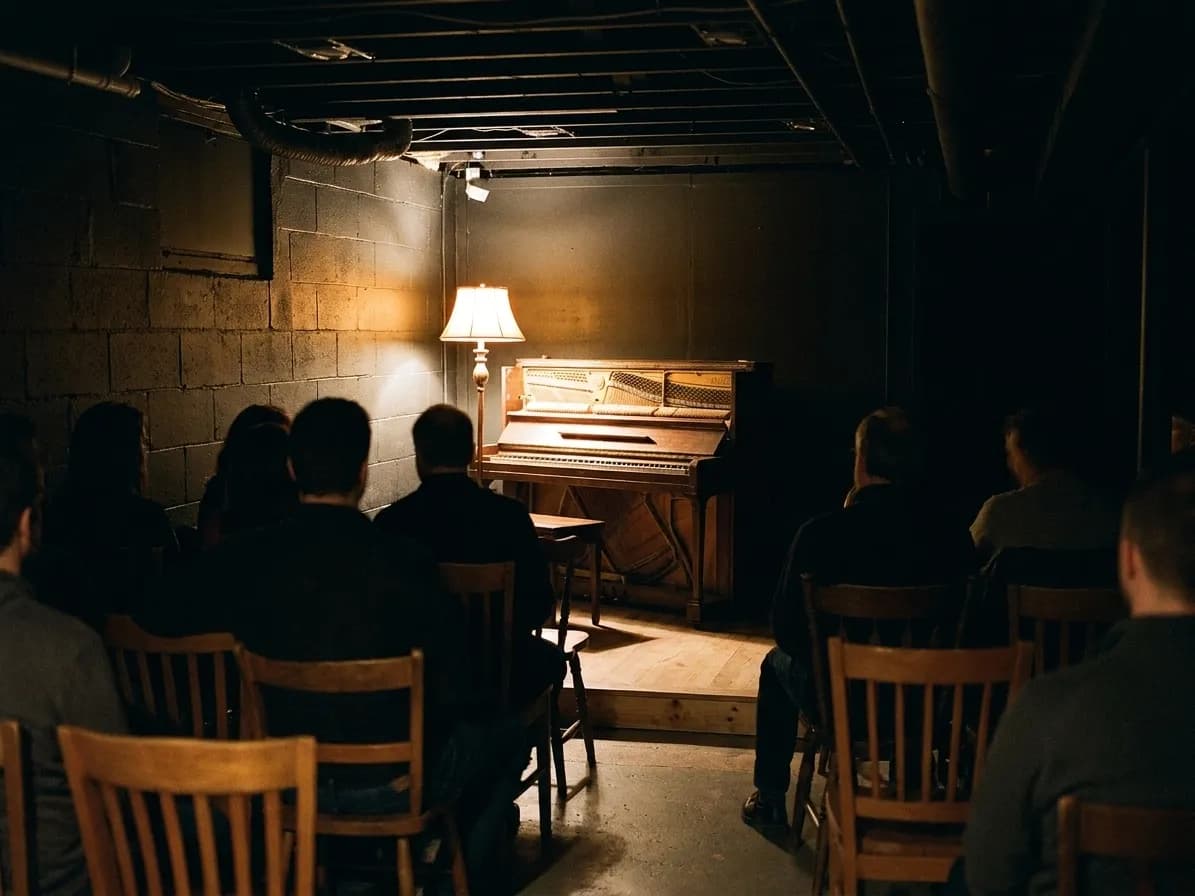
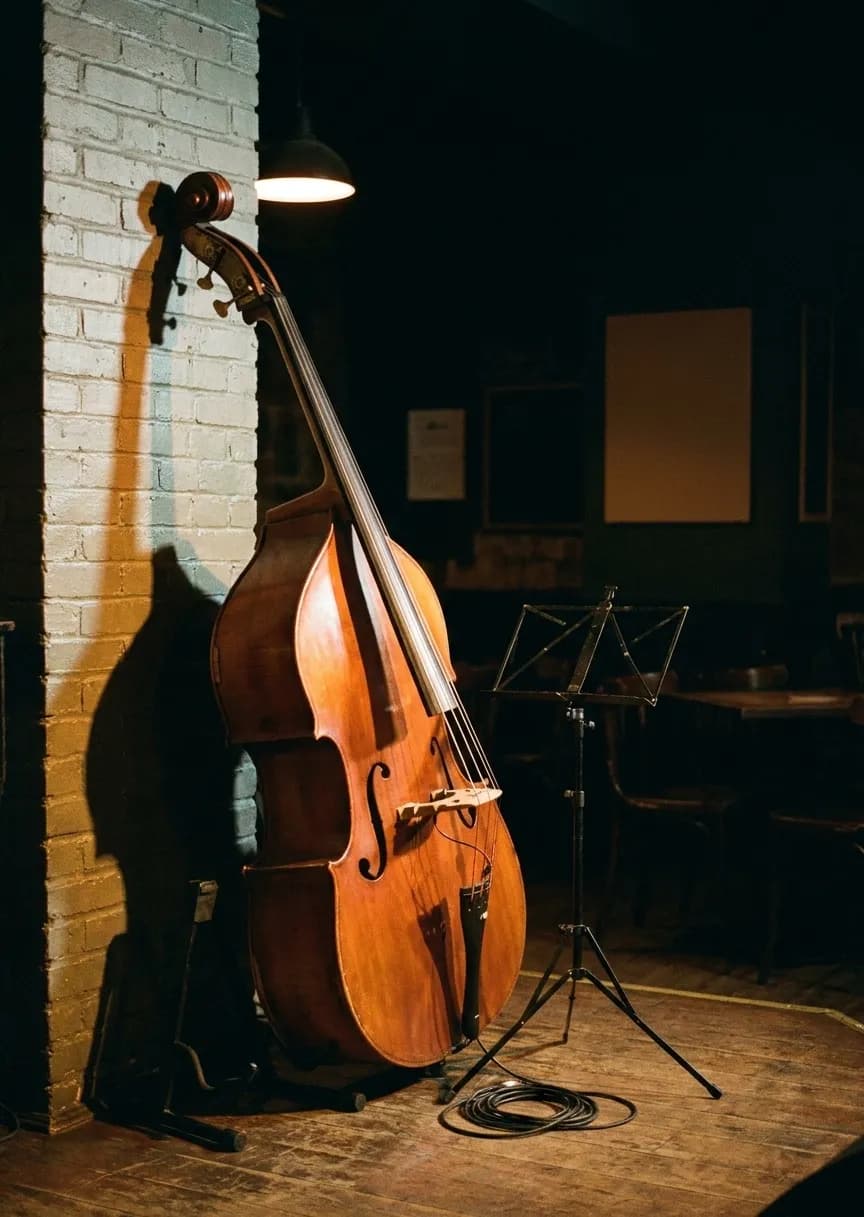
The jazz basements are the reliable core of this. Smalls in the West Village has run a late session for decades and it is the reference point most musicians in the city will name first; the room is small, the ceiling is low, and after the last billed set the stand opens and stays open into the small hours. Mezzrow across the street is quieter and more piano-and-bass, and works better if you want to hear rather than stand.
Beyond jazz, the same structure appears in different clothes. Certain Harlem rooms run late sessions built around soul and organ trios, and a scattering of bars in Brooklyn hold weekly open stands that are effectively jams with a different songbook. The pattern to look for in a listing is a set time after 11pm with no named act attached to it.
Cover, and why it is lower than you expect
The economics of a late session are different from a headline show. There is no guarantee to a touring act, so the door is lower - frequently a modest cover, sometimes nothing at a bar-based jam, occasionally free entry with a drink minimum instead. Several jazz rooms fold the late session into the same cover as the earlier set, which means arriving at midnight and paying once buys you three hours.
Where a minimum exists, honour it properly. These rooms are small and the bar is the entire business model; the musicians on the stand at two in the morning are frequently being paid out of it. Two drinks over three hours is the deal and nobody will chase you for a third.
Reading the room before you sit down
Two signals tell you what kind of night you have walked into. The first is where the instrument cases are. A stack of them by the wall means players are waiting their turn and the session has depth; an empty corner at one in the morning means the house band is going to play until closing, which is fine but different.
The second is whether people are talking during solos. A serious jam room enforces quiet without anyone saying so, and if you arrive mid-set the convention is to stand at the back until the tune finishes rather than cross the floor. Nobody will make a scene about it, but you will feel the difference in temperature immediately.
Getting there is the actual constraint
Late-night subway service in New York runs all night, which is genuinely rare among large cities, but it does not run at the same frequency. Between one and five in the morning, waits of fifteen to twenty minutes are ordinary and some lines run on a different pattern or skip stops entirely. A set that ends at 2:40 can turn into a fifty-minute journey home on a route that took twenty minutes on the way out.
The workable approach is to pick the room by the line you live on rather than by the lineup. A West Village basement is a straightforward ride for most of Manhattan and much of Brooklyn on the A, C, E and 1; a session deep in Brooklyn is a much longer proposition at three in the morning if you live uptown.
How to behave if you brought an instrument
The etiquette is consistent across rooms and mostly unwritten. You speak to whoever is running the stand rather than to the house band mid-set, you say what you play, and you wait. You do not call a tune that half the stand does not know, and you do not take six choruses when the person before you took two.
The single most reliable way to be invited back is to play once, play short, and get off. Everybody in that room has seen a visitor treat a jam as their own showcase, and the response is not confrontation - it is simply that the nod does not come the following week.
What to expect if you just want to listen
A late session rewards a particular kind of attention. There is no setlist, so there is no arc; there are stretches that do not work and then twelve minutes that are better than anything you paid for that month. Arriving with an expectation of a show is the wrong frame, and arriving with three hours and no plan is the right one.
It also happens to be the cheapest good music in the city, which matters when a ticketed show with fees now runs to a meaningful part of an evening's budget. A cover of a few dollars and a slow drink buys a room full of people playing for reasons other than the door split.
Tags: #LiveMusicNearMe #NYC #JamSession #JazzNYC #LateNightNYC #SmallsJazzClub #NewYorkNightlife #AfterHours #WestVillage #LiveMusicNYC
All trademarks are the property of their respective owners.
Ask Karpo first
The best live music in New York after midnight is rarely the thing that was advertised. Ask Karpo which sessions are running tonight near you, and how late you can stay before the ride home stops being worth it.