Everything about a Los Angeles gig is downstream of one fact: bars stop serving alcohol at two in the morning. That single constraint sets when doors open, when the headliner goes on, how long the encore runs, when the room clears, and — the part that costs people money — exactly when several thousand people all try to get a car at once. None of this is published and all of it is predictable. Knowing the sequence turns a gig from something that consumes an entire evening and half the next morning into something you can plan around, including the increasingly important question of how you are getting home.
Karpo can tell you when tonight's Los Angeles headliner realistically goes on, when the room will clear, and what the ride home will cost.
The standard sequence, and when the headliner actually plays
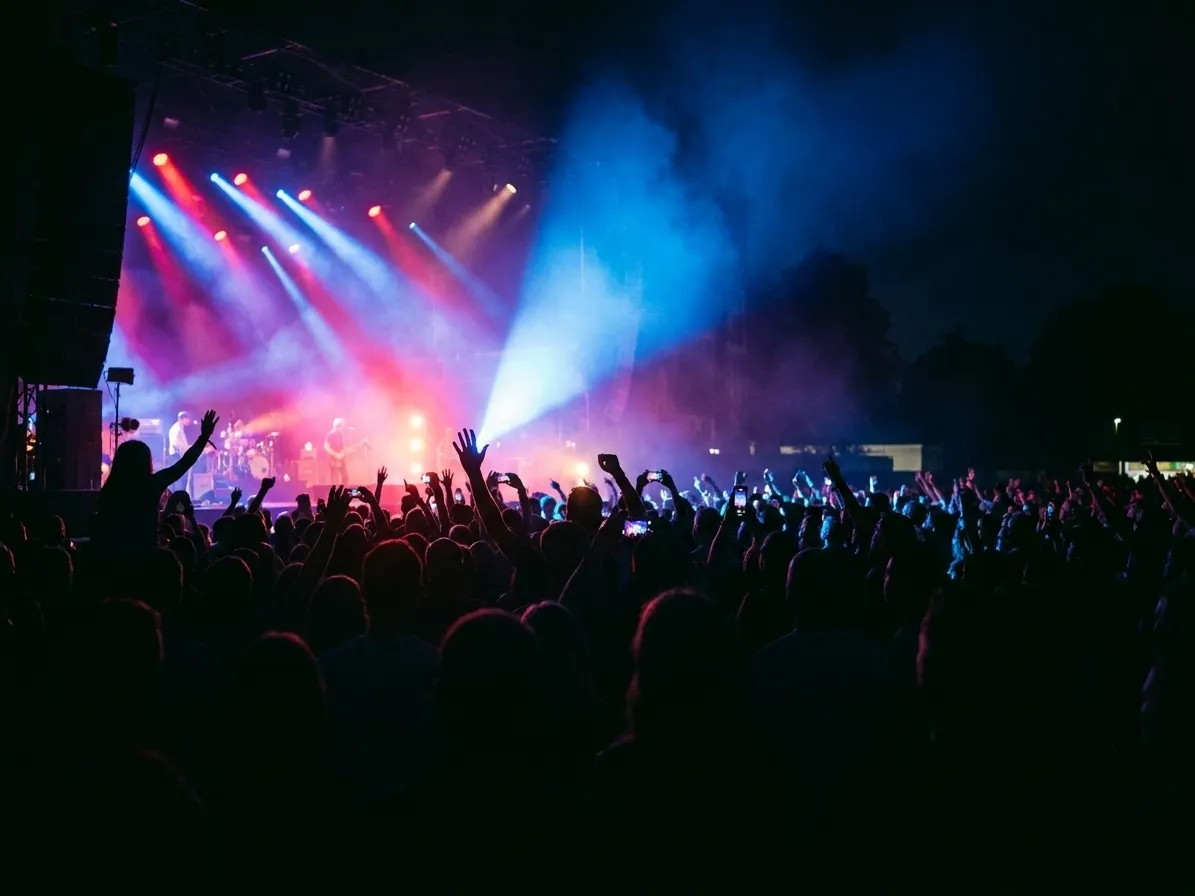
For a club show with doors at eight, the working assumption is: first support around nine, second support around ten, headliner between eleven and eleven-thirty, finishing with an encore somewhere around half past midnight. For a theatre show the whole thing shifts earlier and tightens, with headliners commonly on by nine-thirty.
The variable that matters most is how many acts are on the bill. A three-act club bill and a one-support theatre show with the same door time end more than an hour apart. If the venue posts a running order — many do on the day, on their own social accounts — that removes the guesswork entirely, and it is worth checking before you decide when to leave the house.
Last call is earlier than two
The legal cutoff is 2am, but the practical one at a venue is earlier. Bars inside venues typically stop serving during or just after the headline set, both to clear the room and because staff need to close out. At a show finishing at half past midnight, the bar may well have closed before the encore.
This matters if the plan involves a drink after the show. In most cases it does not exist inside the venue, and the nearby bars will be running their own last call within the hour. If a post-gig drink is part of the evening, choose a district where the bars run late — Koreatown and parts of Hollywood — and know that you have perhaps an hour.
Age policy is worth checking alongside the timing, because it changes who can come. Most Los Angeles club shows are twenty-one-plus, a smaller number run all-ages with a wristband system separating bar service, and the theatres are generally the most permissive. If anyone in the group is under twenty-one, confirm the specific show rather than the venue's general policy.
The surge, and how to avoid paying it
When a two-thousand-capacity room empties at half past midnight, everyone requests a car within about eight minutes of each other. Prices spike hard and the wait extends, and in the warehouse and Arts District venues the pickup point can be several minutes' walk from the door.
Two workarounds, both simple. Leave during the encore rather than after it, which costs you two songs and saves a substantial amount of money and time. Or stay put — go to a bar or a late kitchen for forty minutes and request a car once the wave has passed. The second is the better version, because it turns dead waiting time into the good part of the evening.
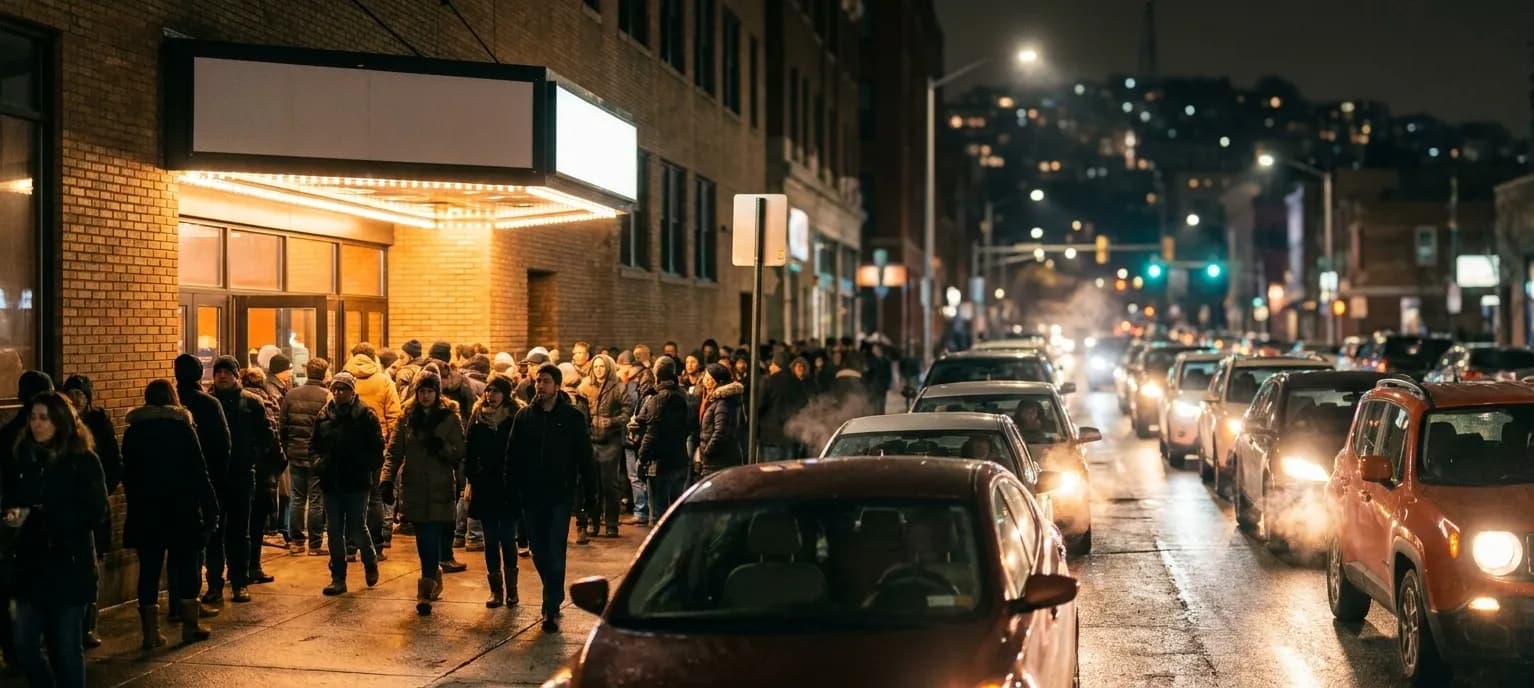
Driving versus not, honestly assessed
If you are not drinking, driving to a Los Angeles gig is straightforwardly fine and often the best option, particularly at venues with structures. Arrive early enough to park without stress and the return journey after midnight is the easiest driving of the entire day, with clear freeways and no traffic.
If you are drinking, do not drive, and build that into the budget rather than deciding at midnight. The realistic cost of two surge-priced rides is significant, which is an argument for choosing a venue near transit or near where you live, or for having one person in the group who is not drinking. This is the single most consequential piece of gig planning in this city and it is worth settling before the tickets are bought.
Where the rail actually helps
The Metro rail serves several of the main venue clusters usefully — downtown, Hollywood, Koreatown, Highland Park and the Long Beach corridor among them — and for a show that finishes by around midnight it is comfortably the cheapest and least stressful option.
The catch is the last train, which is earlier than a gig-goer's instinct suggests. Check the final departure on your line before committing, and be aware that a long encore can be the difference between catching it and not. For a show that will clearly run late, plan the ride home instead.
Getting the most out of the evening
Eat before, not after. Los Angeles kitchens outside Koreatown and Thai Town have largely stopped by the time a headliner finishes, and a plan that involves dinner after a gig usually turns into a drive-through. Eating at seven near the venue also solves the parking problem, since you park once for the whole evening.
And treat the support acts as part of what you paid for. Los Angeles bills are frequently stacked with local bands who are worth arriving for, and the difference between showing up at eleven and showing up at nine is often the difference between seeing one band and discovering two more. On a bill you have paid thirty dollars for, that is where the value is.
The last piece of advice is to build in the possibility that the night is better than expected. Los Angeles bills frequently produce an unexpectedly good support act or a guest appearance, and the people who have the best time are the ones who did not schedule anything for the following morning. If the show matters, protect the next day rather than the evening.
Tags: #LAMusic #LiveMusicNearMe #GigGuide #LastCall #LosAngeles #Hollywood #Koreatown #Metro #SetTimes #NightOut #ConcertTips #ThingsToDo #MusicScene #LateNight
Please drink responsibly. Must be of legal drinking age.
All trademarks are the property of their respective owners.
Ask Karpo first
Want to know when tonight's Los Angeles headliner goes on, when the room clears, and the cheapest way home afterwards? Ask Karpo before you leave.