San Francisco's live music infrastructure has taken a beating over the last two decades — rents, closures, a pandemic, and a city that gets accused of caring more about software than about bands. What survived did so because people kept turning up, and the rooms that locals actually trust are trusted for concrete reasons rather than sentimental ones. If you are searching live music near me here, it is worth knowing what those reasons are, because they are checkable before you buy a ticket.
A trusted venue is one where the sound is good, the sightlines work and the booking has a point of view — and those are properties you can check before buying. Tell Karpo what you want to hear and it will name the room that does it properly.
Reason one: the room was built for sound
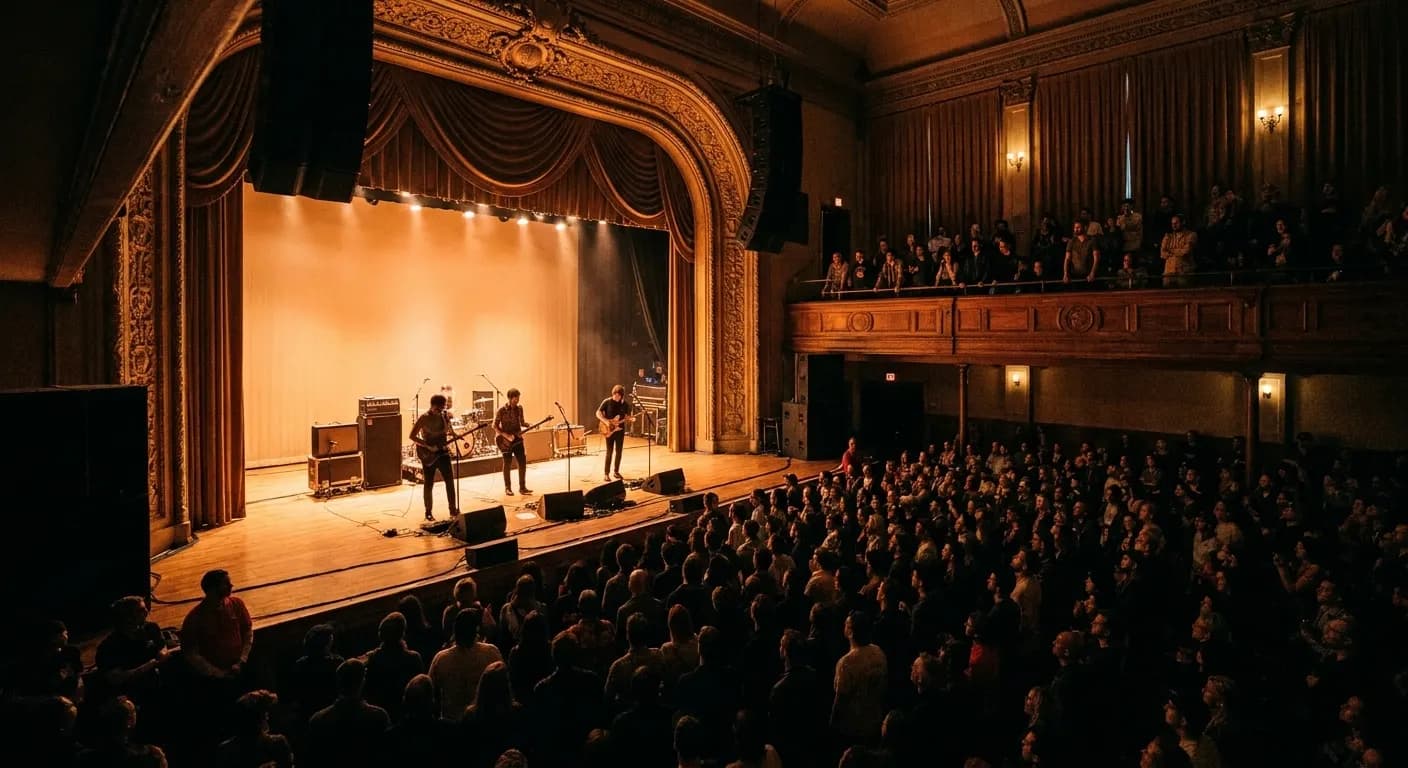
Several of this city's best venues are old halls and ballrooms with wooden floors, balconies and volumes designed before amplification, and they sound markedly better than a converted box. A trusted room is usually one where you can stand at the back and still hear the vocal clearly. Converted warehouses and multi-purpose spaces can be excellent too, but the sound depends entirely on the engineer rather than on the architecture.
Reason two: you can see
Flat-floor rooms punish anyone under six feet, and this is the most common complaint about otherwise good venues. Raked floors, balconies, and stages set high enough to see over a crowd are what make a room work for everyone. If you are short, or bringing someone who is, choosing a venue with a balcony matters more than choosing a better band.
Reason three: the booking has a point of view
The rooms people come back to are the ones where the booker has taste — where you can go on a night with no name you recognise and reliably see something good. That is a cultivated quality and it takes years. The practical test is whether the venue's own calendar reads as a coherent programme or as whatever agent called. The first kind is worth following; the second is worth checking only when a specific act plays.
Reason four: the door and the bar are run properly
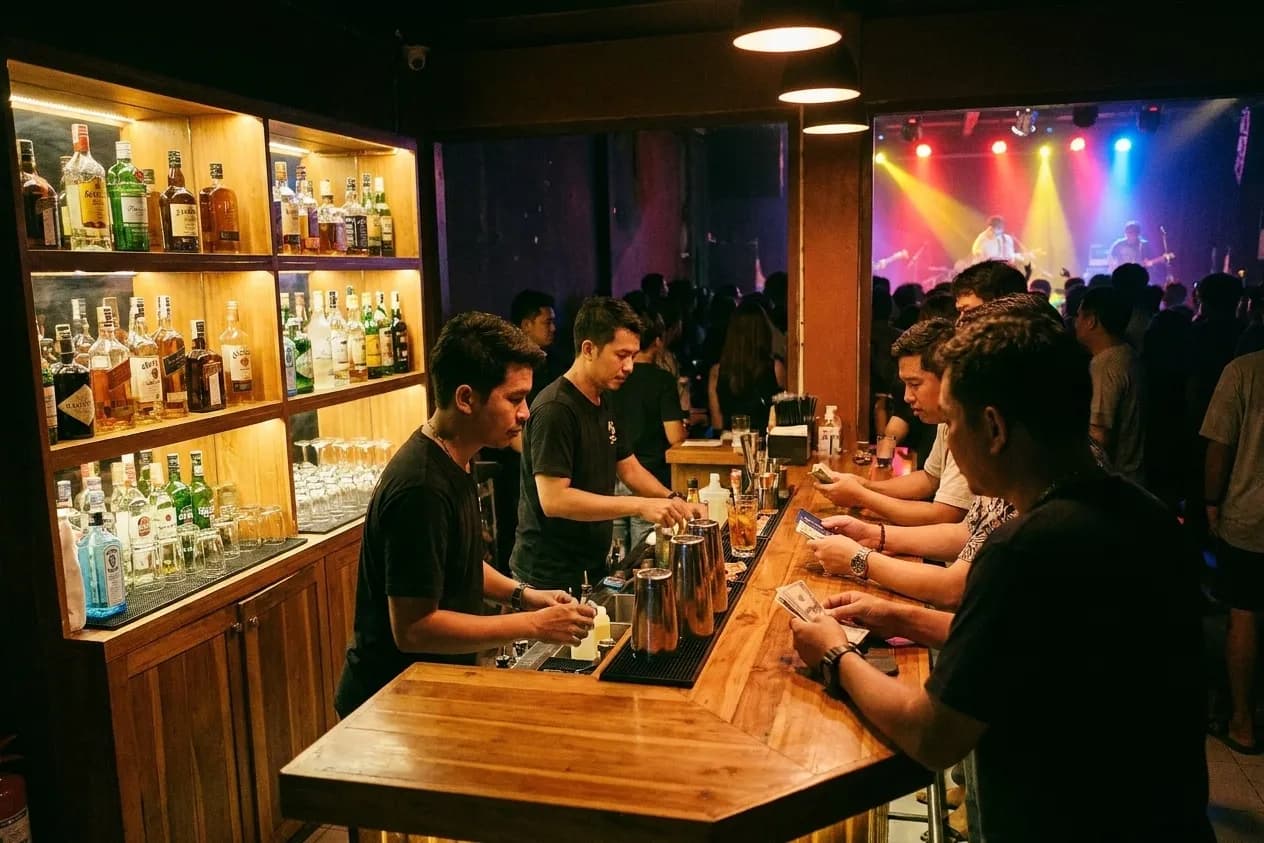
Unglamorous and decisive. Whether doors open on time, whether the queue is managed, whether security is reasonable, whether the bar can serve a room in a set break, whether the staff are the same people month after month. These determine whether an evening is smooth or exhausting, and they are the things regulars are actually referring to when they say a venue is good.
The tiers, and what each is for
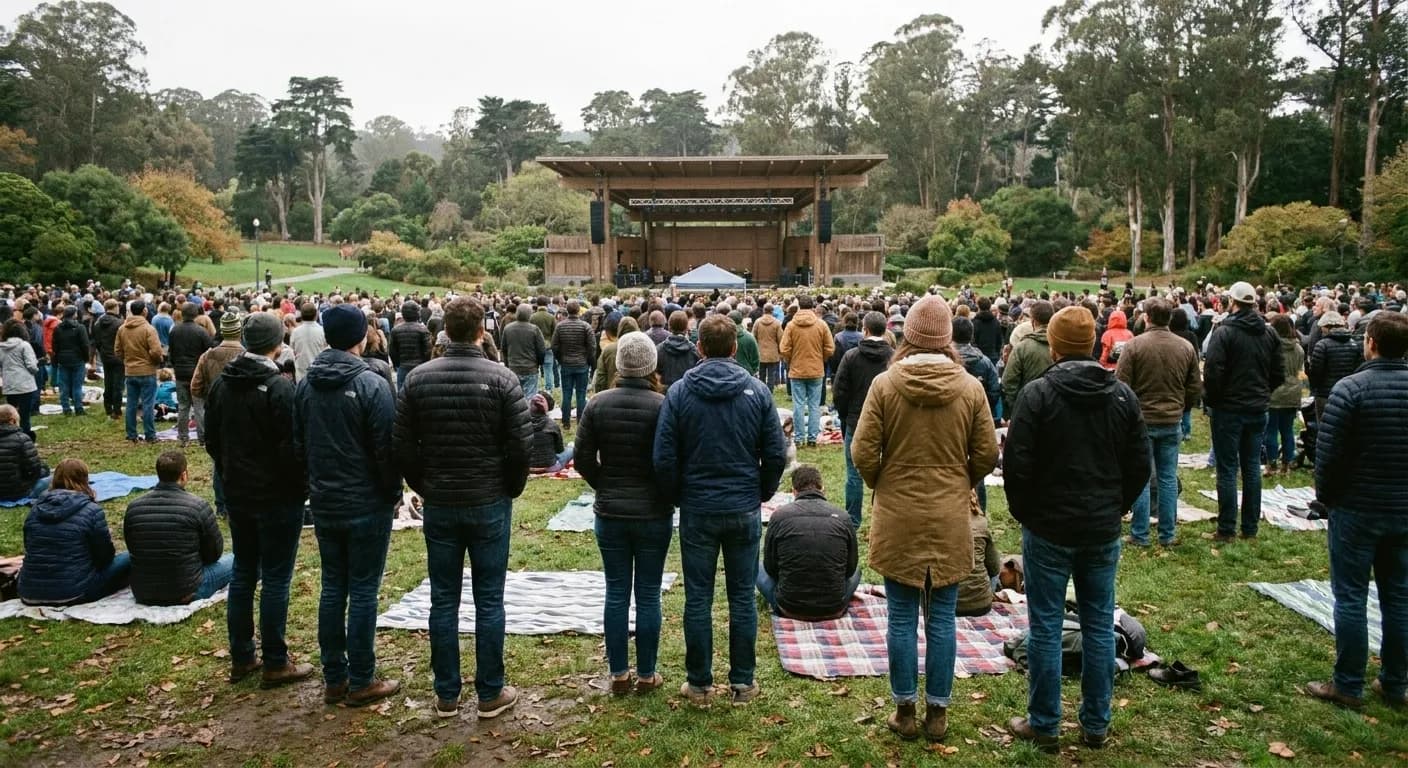
The small clubs — a couple of hundred people — are for taking a chance on something you have not heard, and the ticket price makes that easy. The mid-sized halls are the city's strength and where most touring acts worth seeing play. The large outdoor and arena shows are events rather than concerts and should be judged on that basis. And there is a genuine layer of free and cheap music in bars and cafés that never appears on a ticketing platform at all.
Practical things worth checking first
Whether the show is all-ages or twenty-one and over. What time the headline actually goes on, which is frequently two hours after doors. Whether the venue is cashless. And how you are getting home, since late transit here thins out earlier than the last song. Venue policies and schedules change, so confirm before the night.
Supporting the rooms that survived
Independent venues in this city operate on very thin margins, and the things that keep them open are unglamorous: buying a drink, buying merchandise, showing up for the local bill rather than only for the touring headline, and buying directly from the venue rather than through a resale platform that takes a cut it does not share. None of that is a lecture — it is simply the mechanism by which a room is still there next year.
The corollary for you is that turning up early to a small show is genuinely worthwhile. You see the local act, the bar is not six deep, and you get a spot with a sightline. The people who complain that nothing good plays here anymore are disproportionately the ones who only buy tickets for names they already know.
Where the free and cheap layer sits
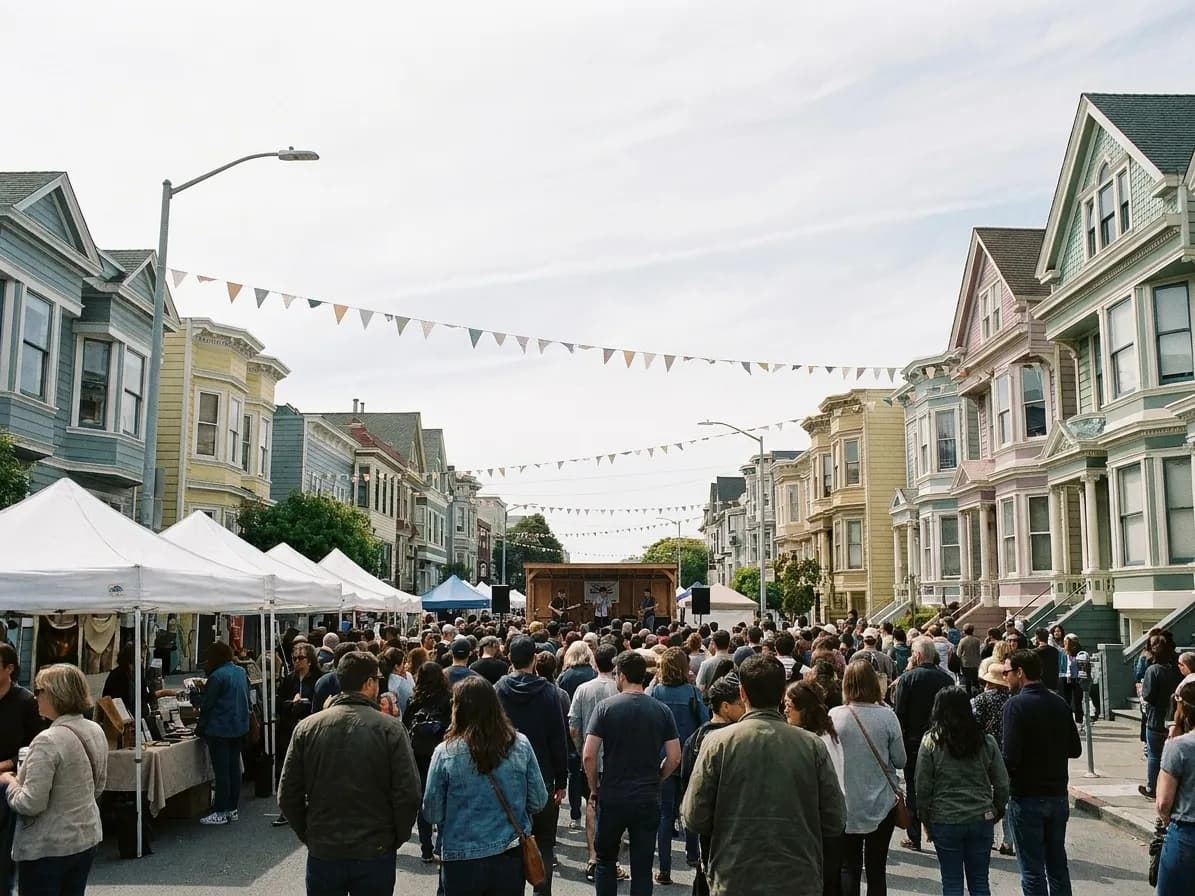
Underneath the ticketed rooms there is a real and under-used layer of music in this city that costs nothing: bar residencies, jazz in restaurants and hotel lobbies, church and conservatory recitals, park concerts in the summer, and the free stages at the neighbourhood street fairs. The standard is frequently higher than the price suggests, because this is a city with more good musicians than paying rooms.
None of it is well listed, and the way in is the same as with the ticketed venues: follow a handful of places directly and let their calendars come to you. A standing Tuesday at a bar with a good residency is one of the cheapest reliable pleasures available in San Francisco.
Tags: #SanFrancisco #SF #BayArea #Events #WhatsOn #LiveShows #LiveMusic #MusicVenues #SFEats #SFGuide #ExploreSF #SFLocal #SFWeekend #SFNights
Sources consulted: dothebay.com · sfchronicle.com · kqed.org
Please drink responsibly. Must be of legal drinking age.
All trademarks are the property of their respective owners.
Ask Karpo first
Karpo is a proactive AI assistant that lives in iMessage. Tell it what you want to hear and it will name the room.