Los Angeles has more live music venues than almost any city in the world, and the recommendations people give each other are almost always about which band to see rather than which room to see them in. That is backwards. Room size determines the sound, the sightlines, the ticket price, the crowd, how early you need to arrive and whether you can hear your friend. Choosing by tier first is how people who go to a lot of shows here actually decide.
The size of the room shapes the night more than the band does, and most people never choose on that basis. Tell Karpo what kind of evening you want and it will pick the tier.
Under two hundred: the rooms that matter most
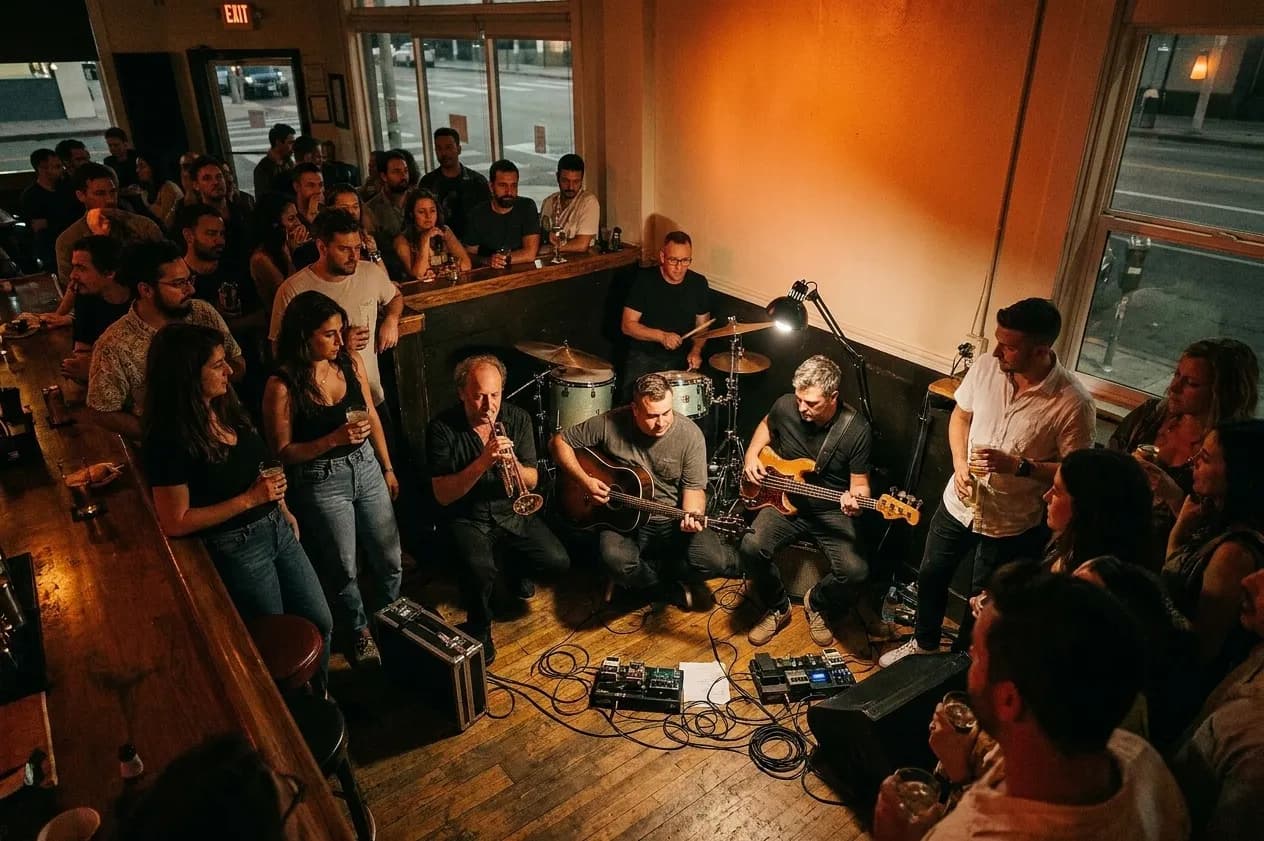
The smallest tier is where this city's live music is at its best and its cheapest. In a room of a hundred people you are close enough to see hands on instruments, the sound is usually unamplified or barely amplified, and the band is playing to a crowd rather than at one. Tickets are inexpensive and frequently available at the door.
The trade is unpredictability. You may see something extraordinary or you may see a band having a bad night, and the room will be uncomfortable if it sells out. Go to these rooms often and treat individual nights as low-stakes; over a year this tier will produce your best shows by a wide margin.
Two hundred to a thousand: the sweet spot
This is the tier where sound systems are professional, sightlines are still good, and the artists are established enough to be reliably excellent. Most of the shows worth planning an evening around in Los Angeles happen in this range. Tickets cost more than the small rooms and considerably less than the large ones, and the rooms are numerous enough that there is something in this tier every night of the week.
The thing to know about this tier is that arrival time matters. These rooms are usually general admission, which means the difference between a good spot and a bad one is whether you got there at doors or at nine. If you care about seeing rather than just hearing, budget for the wait.
A thousand to five thousand: the theatres
The mid-large tier in Los Angeles is dominated by older theatres, and they are the city's most pleasant places to see a show. Seated or partly seated, good acoustics, a sense of occasion, and a crowd that is there for the music rather than the night out. Ticket prices step up and the shows are usually announced months ahead.
These are the rooms to book for an act you genuinely care about, and the ones where buying a specific seat is worth the extra. They are also the most forgiving for anyone who does not want to stand for four hours, which matters more than people admit.
Outdoor and large: the occasion tier
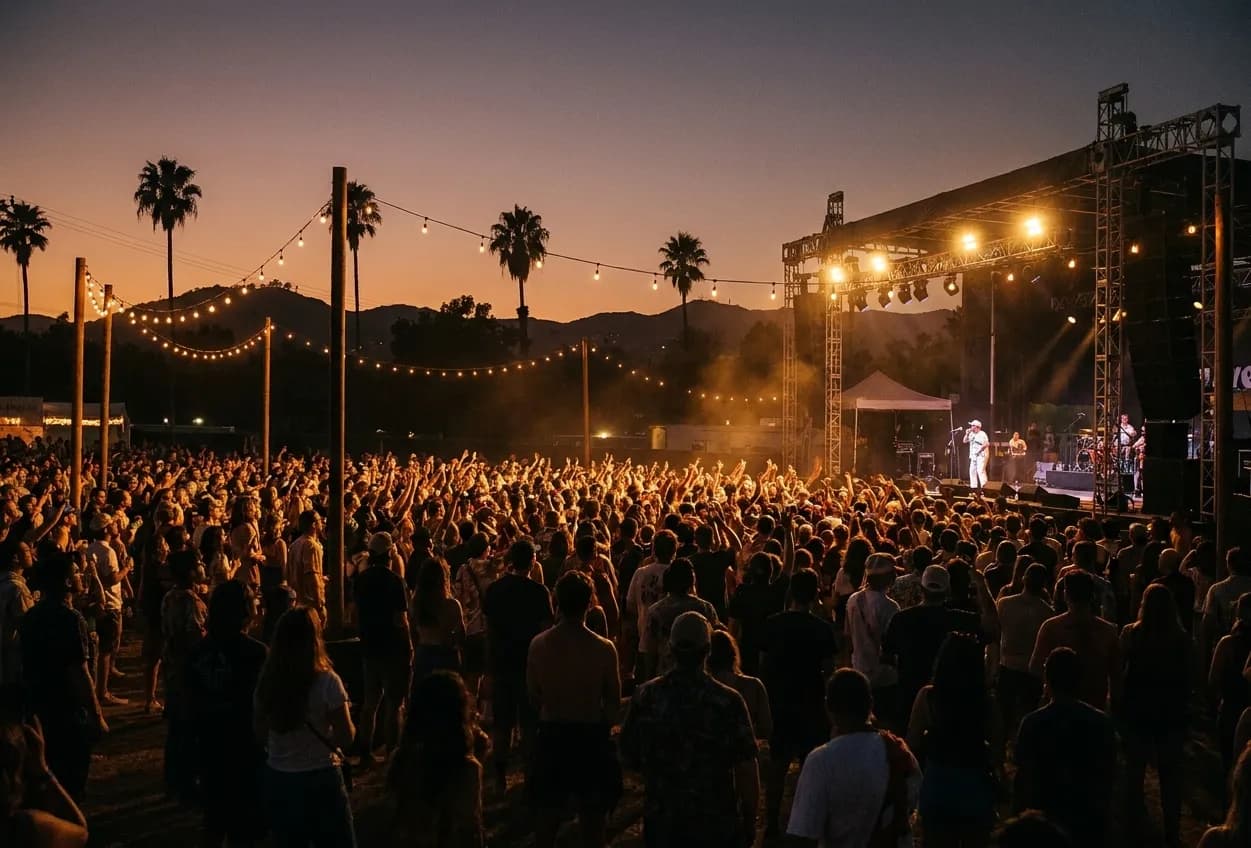
The amphitheatres and large outdoor venues are a different product. You are buying a summer evening, a view, a crowd and an event, and the music is part of it rather than all of it. Sound is variable, sightlines depend heavily on where you sit, and the logistics — parking, arriving, leaving — take up a real part of the evening.
Go into this tier knowing that and it is excellent. Arrive early, plan the exit before you go in, and treat the whole evening as the event. Expecting the intimacy of a club at an amphitheatre is the only way to be disappointed by one.
Matching the tier to the night
Want to discover something and spend little: under two hundred. Want a reliably great show on a weeknight: two hundred to a thousand. Want an evening built around an artist you love: a theatre. Want a summer night out with a group: outdoor. The band matters, but the tier decides what kind of night it is.
Venue policies, door times, age restrictions and parking arrangements vary widely across these tiers and change often. Check the venue's own page on the day, particularly for age limits and what time the headliner is actually on.
The etiquette that differs by tier
Behaviour that is normal in one tier reads badly in another. Talking through a set is tolerated at a large outdoor show and genuinely rude in a hundred-capacity room where the band can hear you. Filming is unremarkable at an amphitheatre and conspicuous at a small club. Arriving late is fine in a big room and disruptive in a small one.
The general rule is that the smaller the room, the more you are part of the show. That is the whole appeal of the small tier, and it comes with the obligation to actually watch. If you want a night out where the music is background, choose a larger room rather than making a small one worse.
Tags: #LosAngeles #LA #SoCal #LiveMusic #ThingsToDoTonight #GoingOut #MusicVenues #LAEats #LAGuide #ExploreLA #LALocal #LAWeekend #LANights #LAFood
Sources consulted: laist.com · kcrw.com · latimes.com
Please drink responsibly. Must be of legal drinking age.
All trademarks are the property of their respective owners.
Ask Karpo first
Karpo is a proactive AI assistant that lives in iMessage. Tell it the night you want and it will pick the size of room.