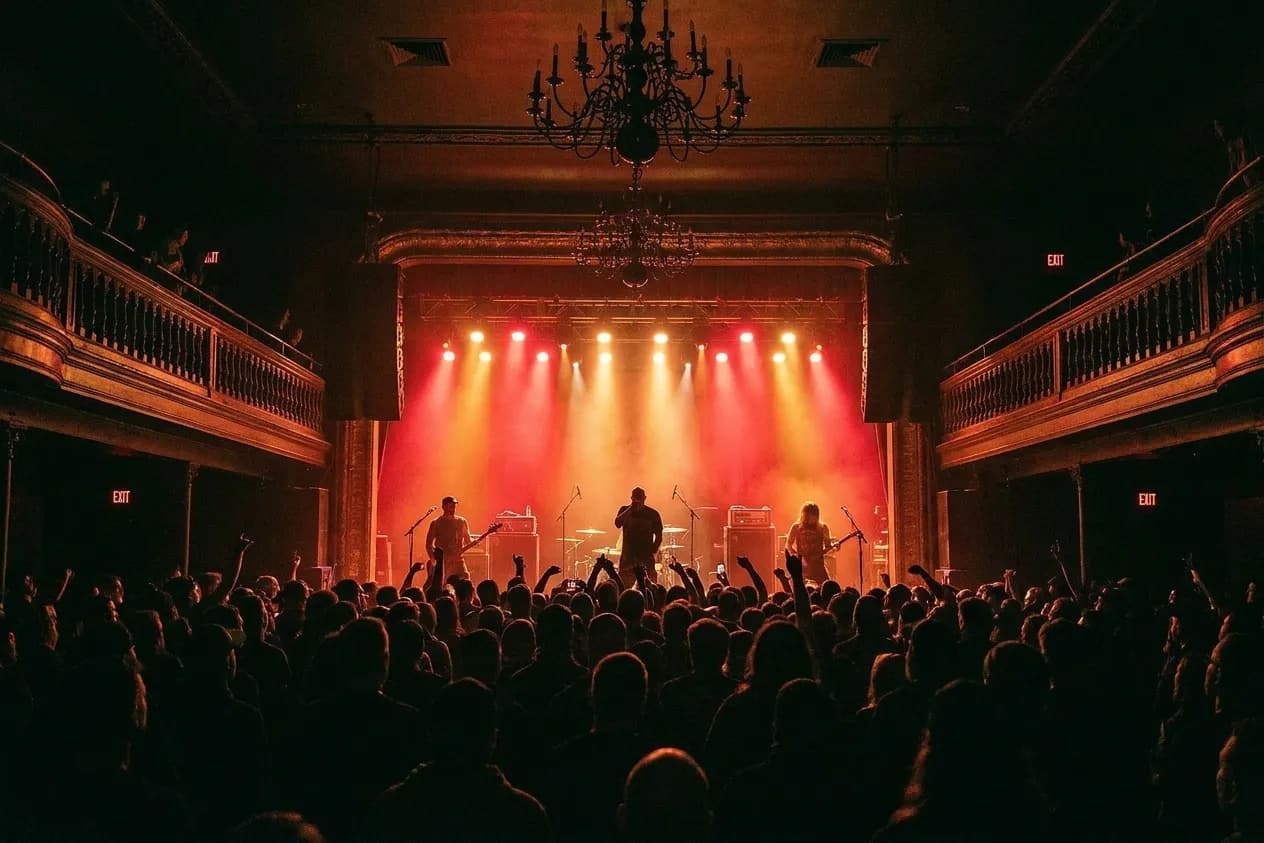
San Francisco's reputation for live music rests on a handful of mid-sized venues and a long history that mostly happened somewhere else in the city. The day-to-day reality, in Chinatown and the blocks immediately around it, is smaller and much better: bars with a piano in the corner, basements with a fifty-person capacity, back rooms in North Beach that have had music in them for seventy years. Most nights, most of them are free or nearly free.
A hundred-capacity room with a good booker beats a big venue on almost every measure except comfort. Tell Karpo where you are and what you are in the mood to hear, and it will find the small rooms nearby with something on.
The jazz rooms on the edge
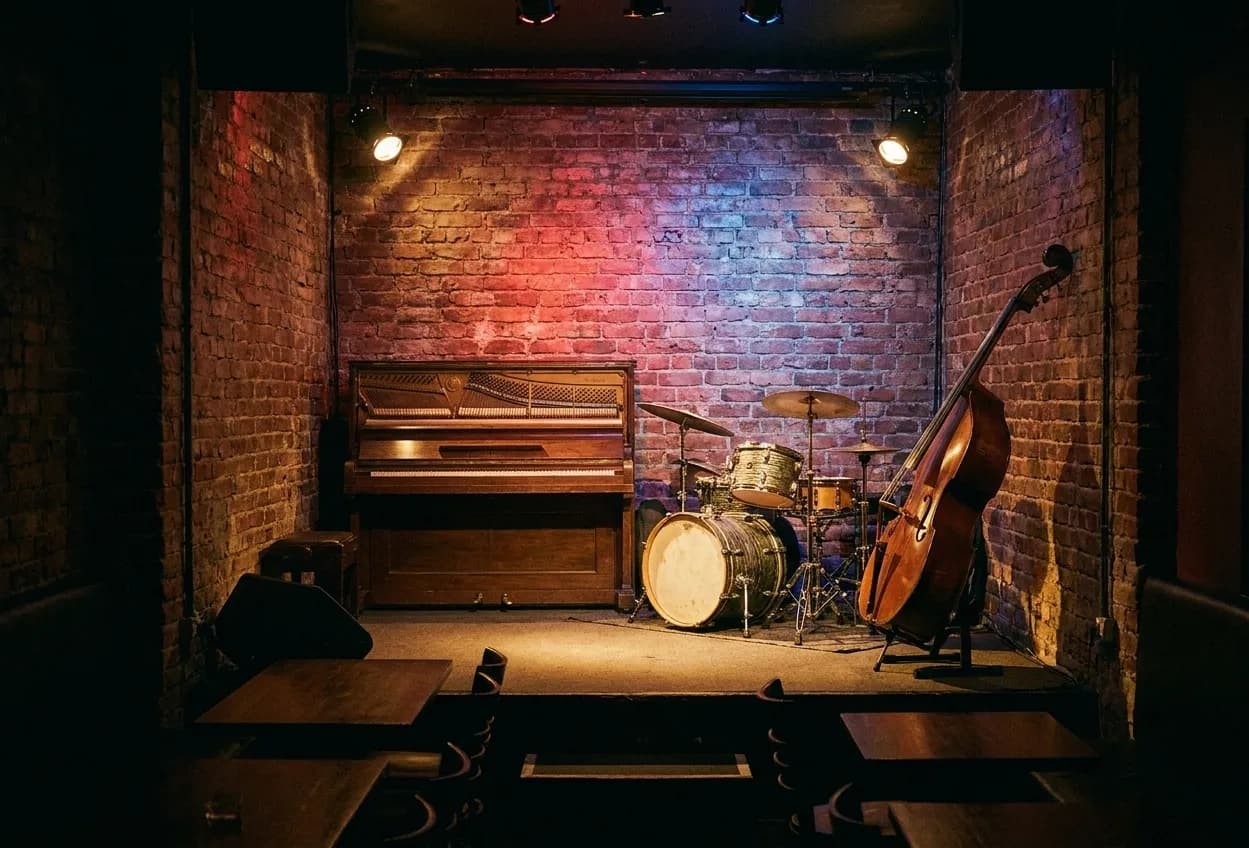
The strongest tradition in this pocket of the city is jazz, concentrated in North Beach and the streets where it meets Chinatown. Several bars here run a trio or a quartet several nights a week with no cover, funded by drink sales, and the standard of the playing is far higher than free music has any right to be. These are working musicians in a city with a deep bench.
The etiquette in a no-cover room is simple: buy drinks, tip the band, and do not talk through the set at the tables closest to the players. That is the entire economics of the room, and it is why the music is still there after several decades of rising rents.
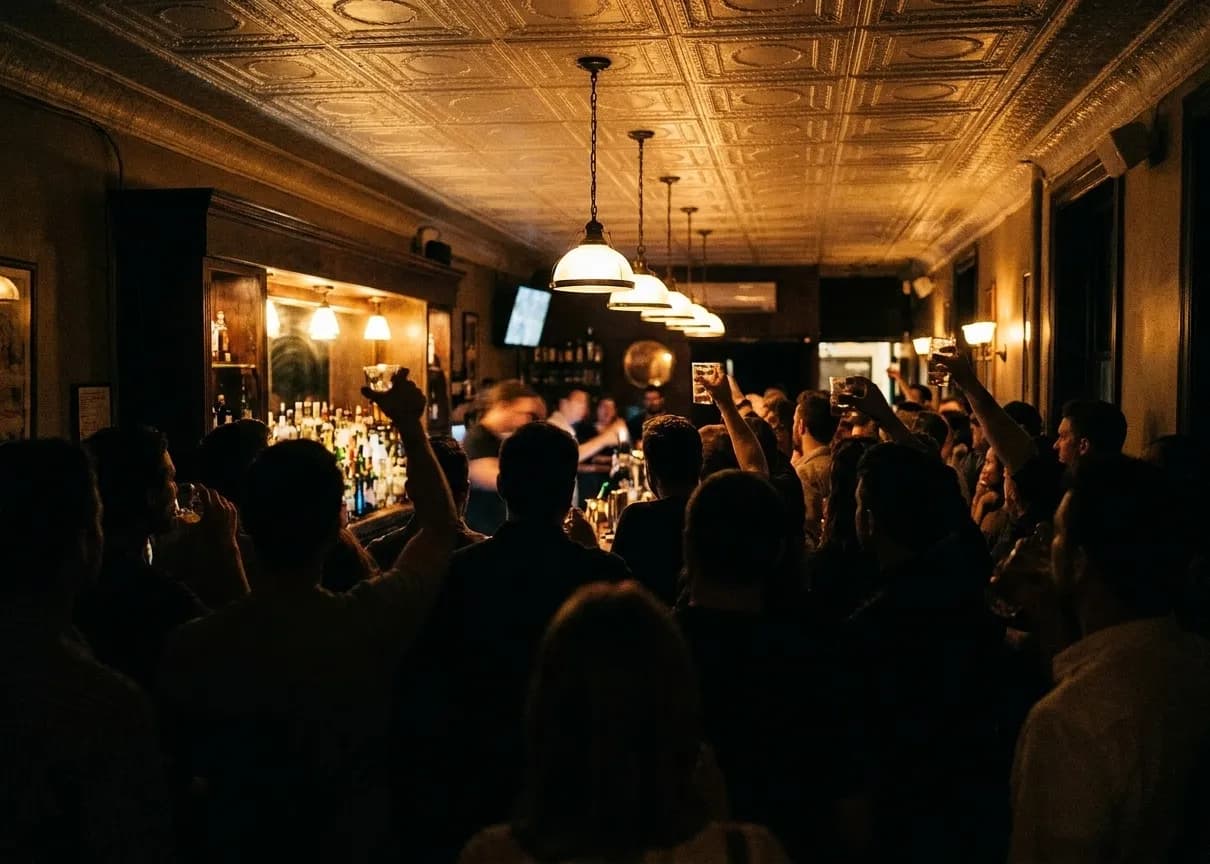
Basements, back rooms and the DIY end
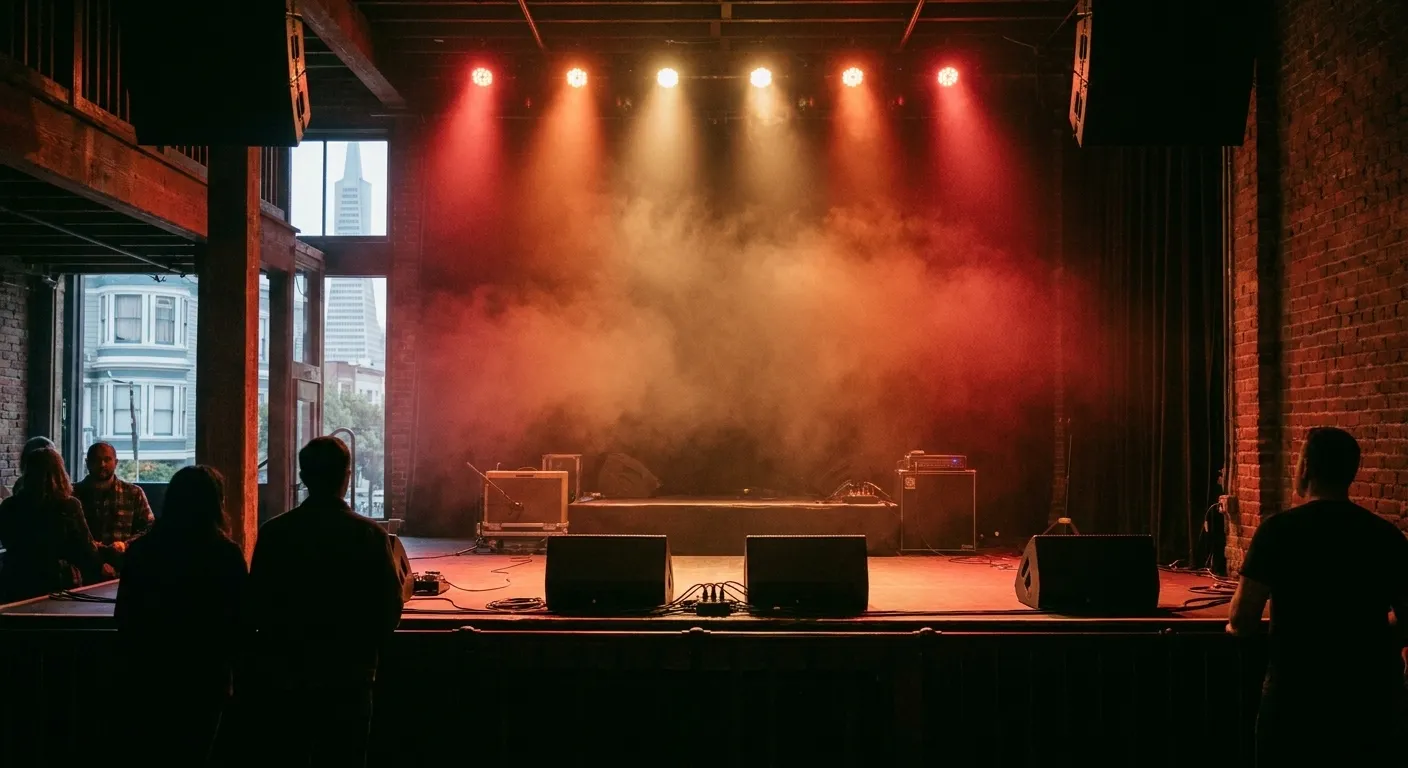
Below the bar level there is a genuine small-venue scene: basements, back rooms and spaces that are technically something else during the day, hosting experimental, punk, noise and improvised music. Capacity runs from thirty to a hundred and fifty, the cover is a handful of dollars, and the acts range from touring musicians to people who live four blocks away.
These rooms are the most rewarding and the most volatile part of the scene. Spaces open and close, move between addresses, and often do not advertise beyond a flyer and a mailing list. Following two or three of them directly is far more effective than any search, and showing up to something you know nothing about is the entire point.
The traditional and community programme
Chinatown's own venues run a different calendar. Association halls host Cantonese opera and traditional instrumental performances, community organisations put on free concerts in the parks and plazas, and the neighbourhood's festival calendar brings street performance several times a year. Much of this is free and open, and almost none of it appears on a ticketing site.
Portsmouth Square and the alleys are the places to watch. Between the daily informal music — erhu players, singing groups — and the organised programme, there is more live sound in this neighbourhood on an ordinary afternoon than in most of the city.
How to plan a night around small rooms
The advantage of this scale is that you can do three rooms in an evening. Nothing here needs a ticket bought in advance, the walk between them is five minutes, and if a set is not working you leave without having lost anything. That flexibility is the opposite of a big-venue night and is why locals do it this way.
Eat first. Chinatown's kitchens close early relative to the music, and North Beach's run later but fill up. The workable sequence is dinner at six or seven, first room at nine, and let the evening decide the rest.
Getting home
This is one of the better-connected parts of the city for a late night — several bus lines, the Central Subway, and walking distance to downtown. Owl service exists but is sparse, so check the last useful departure before the last set rather than after it.
If you are driving, do not. Parking in Chinatown and North Beach is among the worst in San Francisco at any hour and considerably worse on a weekend evening, and this is an evening built around bars. The garages on the edges are the fallback if you must, and they close earlier than the music does.
Which night of the week to go
Weeknights are better than weekends for small rooms in this part of the city, and not marginally. Monday through Wednesday the residencies and house bands play to a neighbourhood crowd, there is space at the bar, and the musicians tend to stretch out rather than working through a tight set for a packed room.
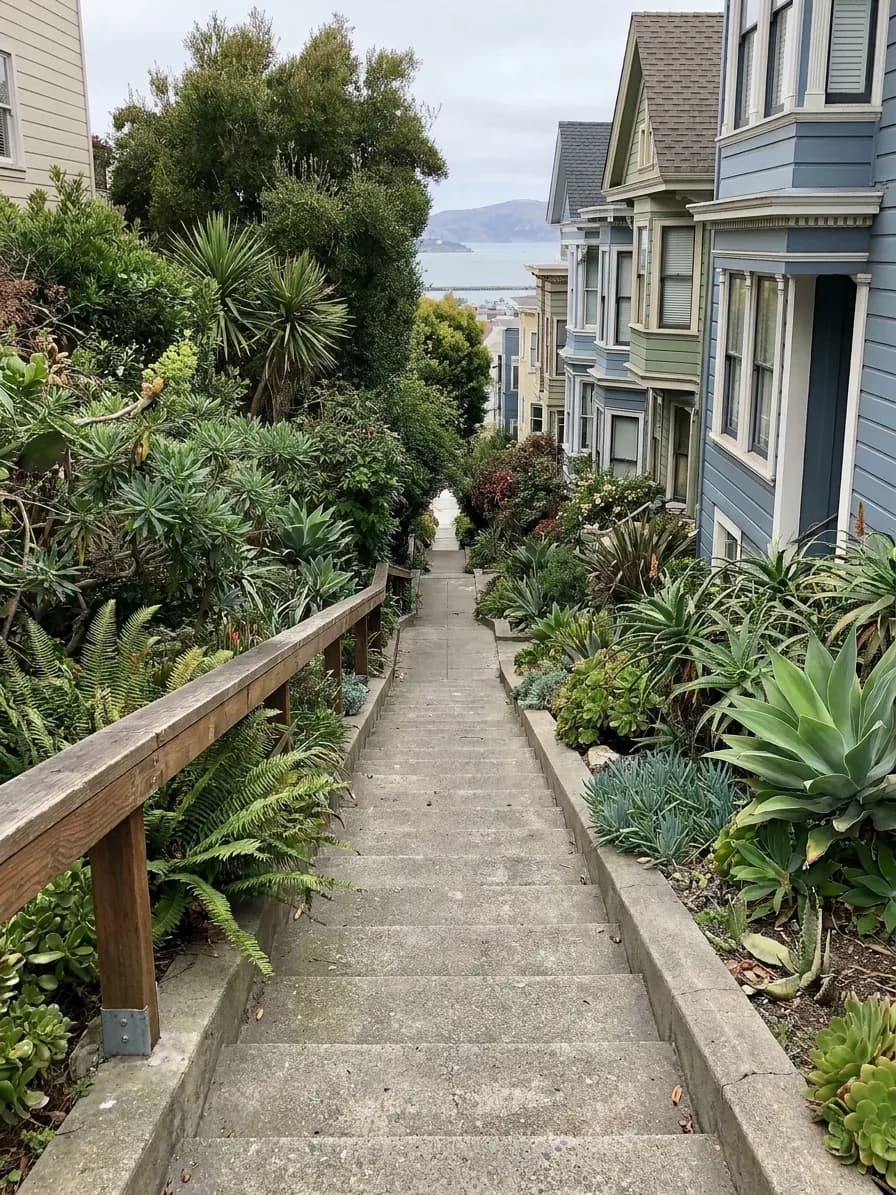
Sunday afternoon and early evening are the other overlooked window. Several bars here run early sessions that finish before nine, which makes live music possible on a night when most people have work in the morning — and the walk home through a quiet North Beach is the best part of it.
Tags: #SanFrancisco #Chinatown #LiveMusicSF #NorthBeach #JazzSF #SmallVenues #SFNightlife #FreeMusic #SFThingsToDo #GigGuide #BayArea #DIYVenues #SFCulture #NightOutSF
Sources consulted: sfstation.com · sftravel.com · sfpl.org
Please drink responsibly. Must be of legal drinking age.
All trademarks are the property of their respective owners.
Ask Karpo first
No-cover rooms rarely publish a schedule and the DIY spaces move, which makes tonight the hardest night to plan. Ask Karpo which rooms near you have music on, what time the first set starts, and whether there is a cover — it answers in iMessage while you are walking between them.