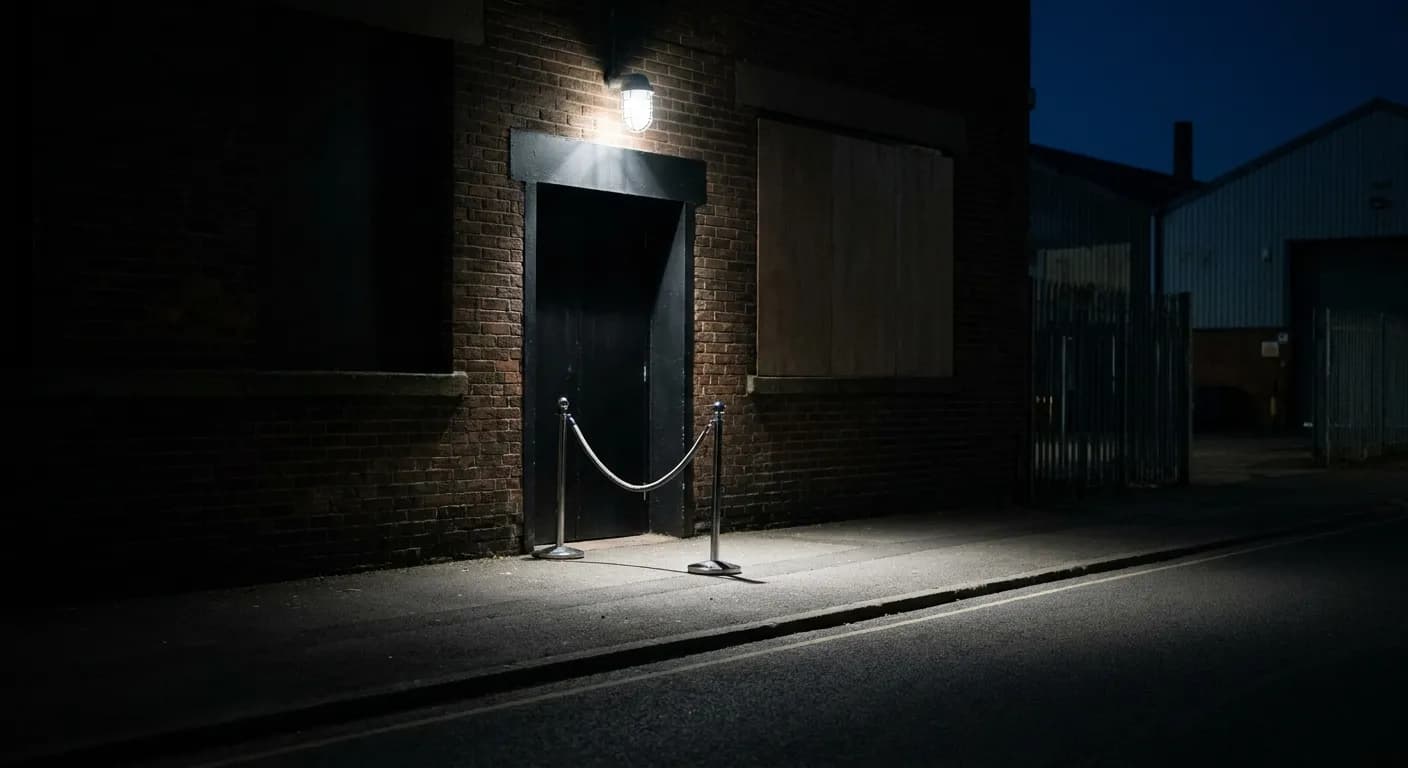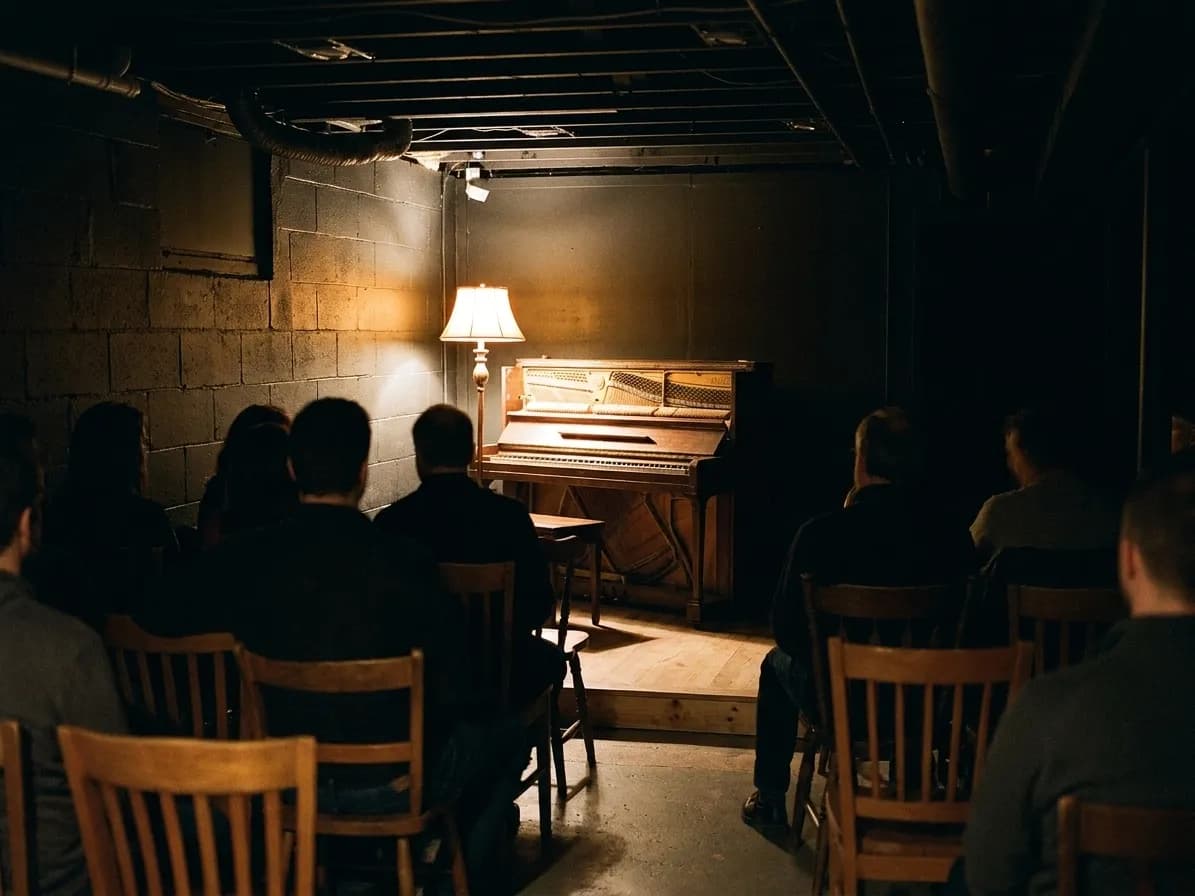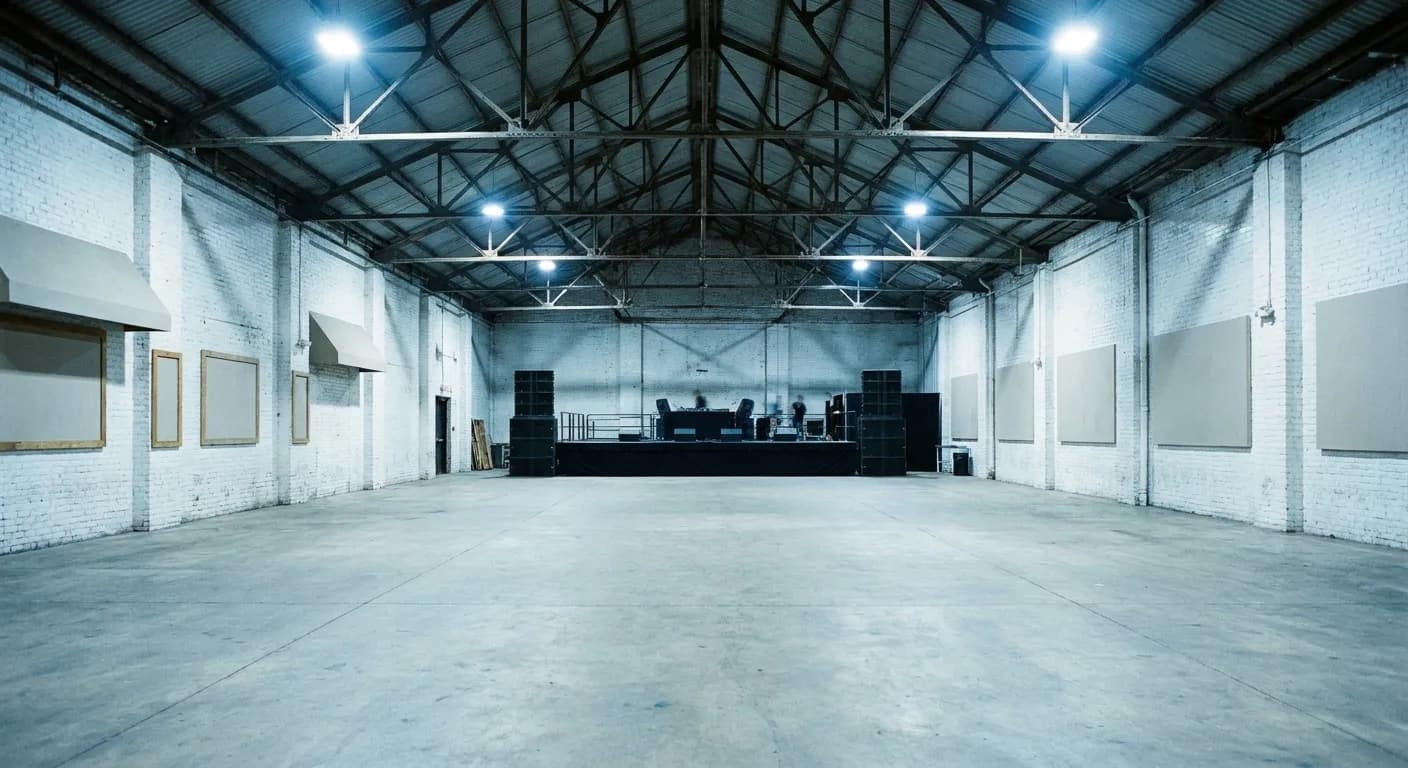
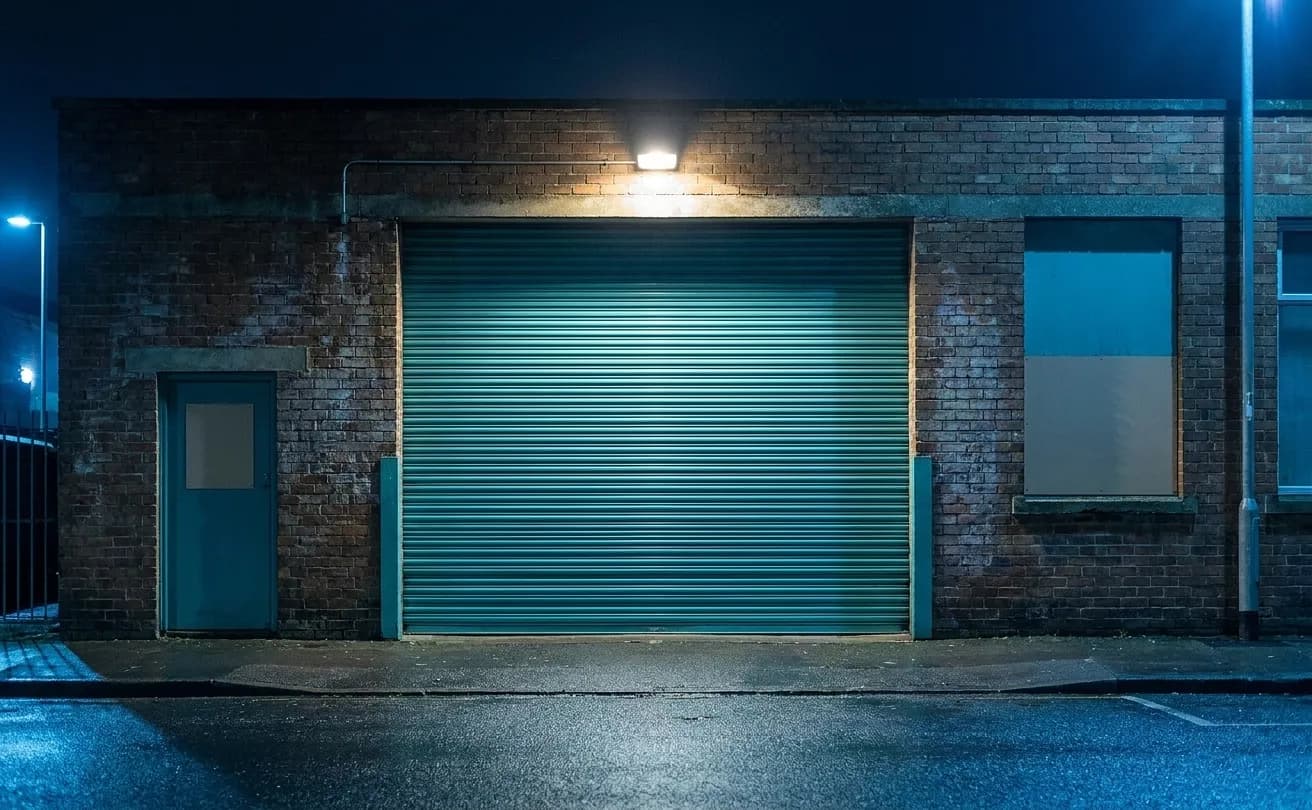
Bushwick has more places to see a band than almost anywhere else in New York, and almost none of them were built for it. The stock is industrial - former textile lofts, garages, printing plants, a lot of concrete and a lot of ceiling - and each room carries the acoustics and the floor plan of whatever it used to be. That is the useful thing to know before you go. In a purpose-built venue the lineup is the variable. Here the building is, and two shows of identical quality can be completely different nights depending on whether the room has a mezzanine, a courtyard, or a single fire exit and a sound system pointed at a brick wall.
Bushwick venues cluster within about fifteen walkable minutes of each other, which means a night that disappoints is fixable if you know what else has doors open. Tell Karpo what you are in the mood for and where you are standing, and it will give you the backup within walking distance rather than the highest-rated room across the borough.
Big rooms, small rooms and the ones in between
The top of the scale is a multi-room complex - Elsewhere is the clearest example, a converted warehouse running a main hall, a smaller upstairs space and a rooftop, often with three different things happening at once on a single ticket or wristband. The value of that format is optionality: if the main room is wrong you have somewhere to go without leaving.
Below that sit the single-room bars with a proper stage, like the Sultan Room, and then a genuinely informal tier of loft spaces and practice-room complexes that put on shows irregularly. The gap in quality between tiers is much smaller than the gap in price, which is the main reason people keep going out here.
Ridgewood is part of this, whatever the map says
The scene does not stop at the Brooklyn-Queens line. A short walk east puts you in Ridgewood, where TV Eye and a cluster of smaller rooms run the same kind of programming with slightly cheaper doors and slightly older buildings. On the L and M lines the two neighbourhoods function as one district.
This matters practically because searching for live music in Bushwick will return half the available options. Widening the same search by a mile in the direction of Myrtle-Wyckoff roughly doubles what you can reach on foot.
What the room's former life does to the sound
Hard surfaces and high ceilings flatter loud, dense music and punish anything with a quiet passage in it. A warehouse room with a concrete floor will make a guitar band sound enormous and a singer-songwriter sound distant, and no amount of competent engineering fully fixes that.
The corollary is where to stand. In a long industrial room, the good position is usually two-thirds back and slightly off-centre, out of the direct throw of the stacks and away from the rear wall where reflections pile up. In a small bar room with a low ceiling, the opposite is true and the front is fine.
Doors, set times and the Bushwick hour
Advertised door time and actual start time are further apart here than in Manhattan. A show listed for eight will commonly have the first support on at nine, and a three-band bill will put the headliner on somewhere near eleven. If you arrive at the printed time you will be watching a sound check.
The exception is anything on a Sunday or a weeknight with a hard curfew, where the schedule is real because the venue has a residential neighbour and a permit to protect. If the listing specifies a strict end time, believe it, and arrive on time.
Cover, wristbands and what the door actually costs
Most shows here sit in a narrow band that is a fraction of a Manhattan ticket, and a good number of the smaller rooms are cash-at-the-door with no advance sale at all. That is a feature rather than a limitation: it means turning up on spec is a normal way to use the neighbourhood.
Watch for the two-tier pricing that multi-room venues use - a lower price before a cutoff hour, higher after, occasionally with in-and-out privileges attached to a wristband. If you intend to eat between sets, ask about re-entry before you leave the building rather than after.
Eating and the between-sets problem
The industrial blocks that make good venues make poor dinner streets, and the food is concentrated a few streets away rather than next door. Knowing that in advance is the difference between eating properly at seven and eating a slice at midnight because everything near the venue was a distillery tasting room.
The two useful corridors are the stretch along Myrtle Avenue and the blocks around the Jefferson Street stop, both of which hold taquerias, pizza counters and late kitchens that outlast the sets. Anything deeper into the warehouse blocks is unreliable after ten.
Getting home from a warehouse block at 1am
The L is the spine of this and it is frequent, but the walk to it is the part people underestimate - some of these rooms sit a genuine ten to twelve minutes from the nearest stop through blocks with no foot traffic. The M and the J are the alternates and they run further apart late at night.
The sensible habit is to check which line the venue is actually closest to before the encore rather than after, and to walk out with the crowd rather than twenty minutes behind it. It is an ordinary industrial neighbourhood, not a dangerous one, but it is empty, and empty is its own consideration at two in the morning.
Tags: #LiveMusicNearMe #Bushwick #Brooklyn #NYC #DIYVenues #Elsewhere #Ridgewood #WarehouseShows #NYCNightlife #LiveMusicNYC
All trademarks are the property of their respective owners.
Ask Karpo first
In Bushwick the building is half the show. Ask Karpo which rooms have doors open near you tonight, and which one suits the kind of music you actually want to stand in front of.