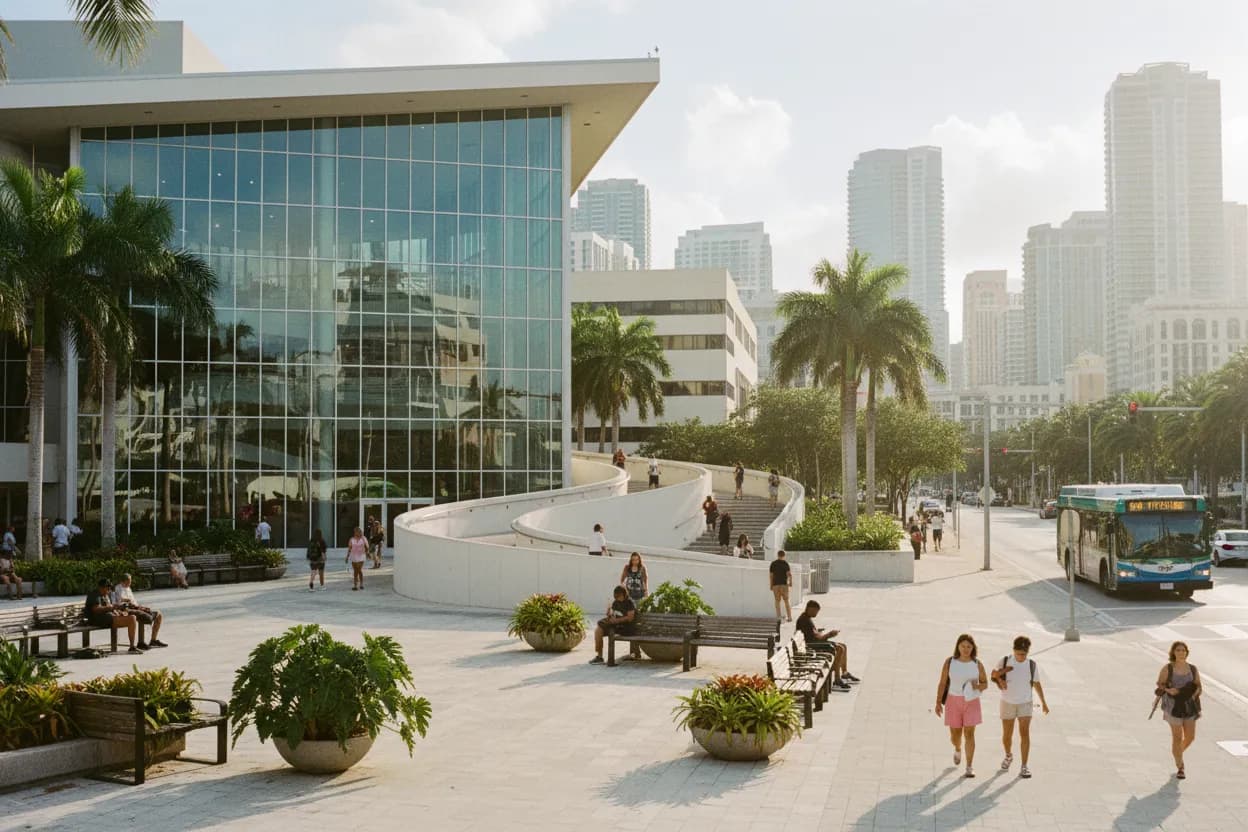
The phrase “lindsay clancy trial” is drawing attention, but a Miami student, parent, or educator does not need a rumor thread to make use of that curiosity. Treat it as a back-to-school exercise in verification: define what you are trying to learn, separate primary reporting from commentary, and pick a public place where the work can actually get done. This guide does not claim a Miami appearance, affiliation, private access, event, or endorsement connected to the case. Instead, it gives you a city-scale route using official Miami-Dade public resources: the library system for research, county transit tools for movement, and access checks before you leave. The goal is not hype. The goal is a repeatable habit for any fast-moving story.
Want a cleaner research route before you leave home? Text Karpo with your starting point, school deadline, and preferred transit mode, then ask for a verification-first Miami plan.

Turn curiosity into a research question
Start by writing one narrow question before opening a search page. For example: What has been officially reported about the court process? What facts are confirmed, and what remains allegation, interpretation, or opinion? A phrase like “lindsay clancy trial” can pull students toward commentary quickly, so the first school-skill move is to slow the search down and decide what kind of source would actually answer the question.
For a classroom or family media-literacy assignment, divide the page into three columns: confirmed facts, source type, and open questions. Do not fill the confirmed column from social posts, reposted clips, or anonymous summaries. Put those in a separate “claims to verify” area. That keeps the topic useful as a research exercise without turning a serious legal matter into entertainment.
Set a time box, too. A practical Miami plan could be 20 minutes at home to define the question, 60 to 90 minutes at a library or study location to compare sources, and 10 minutes before leaving to check transit and access. The point is to arrive with a task, not just a trending phrase.
Start with a reliable public resource
The Miami-Dade Public Library System is the cleanest public starting point in the official extracts. Its site highlights library card access, branch locations, an “Open Now” tool, account login, eContent, online newspapers and magazines, learning and training resources, the library app, and customer care. That is enough to build a back-to-school research stop without assuming a special event or staff availability.
Before choosing a branch, check the official library page for current status. The extract specifically says the Miami Lakes Branch and South Dade Regional Libraries are closed for construction, renovations and improvements. Do not route a student group, tutoring session, or after-school assignment to either location unless the official site later shows a changed status.
If the nearest useful branch is not practical, make the library card the backup. The library describes digital books, audiobooks, movies, music and more as available anytime, anywhere, free with a library card, and it also points readers to online newspapers and magazines. For a legal-news research assignment, that remote access can be the difference between a verified source check and a late-night scramble.
Compare primary reporting before opinions
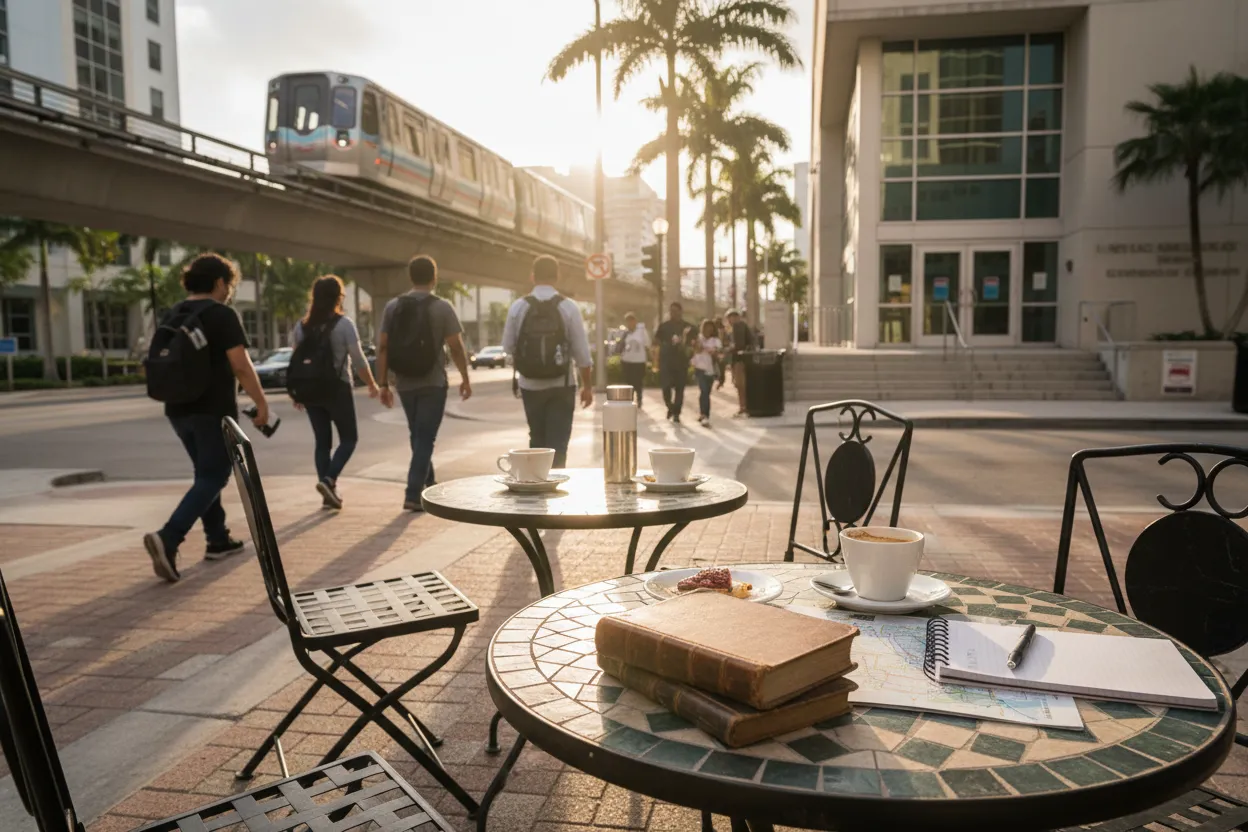
Once you have library access, resist the urge to start with the loudest explainer. Use online newspapers and magazines first, because the library system presents them as a way to stay up to date and read insightful articles. For a story such as the lindsay clancy trial, the useful question is not “Who is reacting?” but “What has been reported, by whom, and what evidence or proceeding is being described?”
A simple comparison method works well for students: open two or three credible news accounts through library resources, then mark what each one independently reports. If a detail appears in only one article, label it as single-source. If an article uses phrases like “according to,” “alleged,” or “court records,” note the underlying source rather than treating the sentence as a final conclusion.
Save opinion pieces for the end, if you use them at all. Commentary can help students understand public debate, but it should not be the foundation of a fact sheet. In a back-to-school setting, the stronger product is a short annotated source list: title, outlet, date, what it confirms, and what still needs verification.
Choose a study stop that fits the task
For a Miami city plan, choose the study stop by function. If the assignment needs databases, online newspapers, or a quiet place to organize notes, use the Miami-Dade Public Library System locations tool and “Open Now” status before leaving. If the assignment can be completed digitally, use eContent and online publications from home, school, or another supervised study setting with your library card.
Build in crowd risk. Back-to-school weeks can make public study spaces busier, and weather, construction, or school dismissal timing can change how easy a trip feels. The official library extract does not guarantee seats, study rooms, computers, or same-day assistance, so do not plan as if any of those are certain. Bring a charged device if you have one, headphones if allowed, and a short offline outline in case Wi-Fi or space is not ideal.
Your backup choice should be decided before you move. If the first branch is closed, crowded, or inconvenient, switch to the library’s digital resources rather than losing the research block. If your chosen route depends on a specific transit connection, check the county tools again and be ready to shorten the session instead of rushing.
Add one low-cost reset nearby
A serious legal-news topic can be heavy, especially for students. Add a reset that does not require an unverified reservation, ticket, or special access. The safest official-source version is simple: after the research block, step away from the screen, review notes, and decide what is confirmed versus unresolved before returning to schoolwork or heading home.
Be careful with “nearby” recommendations that sound certain but are not checked. The provided official parks extract returned a page-not-found message, so this guide will not claim a specific park, facility, amenity, or open status from it. If you want an outdoor stop, verify it on an official current page before building it into a student plan.
The reset has an academic purpose. Ten quiet minutes can keep a search from becoming a scroll. Ask: Did we answer the original question? Did we separate reporting from opinion? Did we avoid repeating unverified claims? That reflection is what turns a high-interest topic into a back-to-school research skill.
Verify hours and access before leaving
Run the access check in this order: library status, transit status, route timing, and backup. On the library side, use the official Miami-Dade Public Library System site for locations, “Open Now,” account login, library card information, the app, and any patron notices. Remember the listed closures for Miami Lakes Branch and South Dade Regional Libraries unless the official page says otherwise.
On the travel side, use Miami-Dade County Department of Transportation and Public Works tools instead of guessing. The official transit page points riders to service updates, rider alerts, a trip planner, transit tracker, Metrobus, Metrorail, Metromover, MetroConnect, and the GO Miami-Dade Transit mobile app. It also notes that full-time students ride Metrobus and Metrorail for half the price, a detail families should verify on the official transit page before relying on it for a specific trip.
Watch for system details that can affect timing. The official extract says Metromover service will begin operating at 2 p.m. on Saturday, Aug. 15, while upgrades continue, and it points riders to elevator and escalator status. It also describes Metrorail single-tracking work on weekends and after 8 p.m. on weekdays. Those are not reasons to avoid transit; they are reasons to check alerts before leaving and keep the library eContent backup ready.
Tags: #back_to_school #AskKarpo #BeforeYouGo #Miami #MiamiDade #StudentResearch #MediaLiteracy #LibraryCard #PublicTransit #TransitAlerts #BackToSchool #ResearchSkills #VerifyFirst #StudyPlan
Sources consulted: mdpls.org · miamidade.gov · miamidade.gov
All trademarks are the property of their respective owners.
Ask Karpo first
Ask Karpo first before you turn a viral legal search into a Miami outing. Share your starting neighborhood, deadline, mobility needs, and whether you have a library card. Karpo can help shape a public-resource plan with official checks, a realistic transit path, and a backup if access changes.