Linda Perhacs remains one of the most enigmatic figures in American psychedelic folk, her 1970 debut *Parallelograms* a cult artifact that has drawn generations of listeners into its layered, reverb-drenched soundscapes. For San Francisco residents and visitors interested in exploring this corner of music history—whether through Perhacs' work specifically or the broader landscape of obscure 1970s folk recordings—the city offers both structured community listening opportunities and self-guided discovery through its public library system and independent record retailers. The San Francisco Public Library maintains a substantial music collection across its branches, while stores like Amoeba Records in the Haight provide deep catalogs for hands-on browsing. Understanding how to access these resources, what to expect from different formats of engagement, and how to plan around availability constraints makes the difference between a frustrating search and a rewarding afternoon of musical exploration.
Karpo helps you navigate San Francisco's music discovery landscape with personalized recommendations based on your schedule, transit access, and listening preferences. Text us your preferred library branch—Main, Richmond, or Sunset—your Wednesday evening availability, your familiarity with Linda Perhacs or psychedelic folk, whether you prefer guided discussion or solo listening, any MUNI access needs, and whether you'd like backup record store recommendations. We'll send you a tailored plan that matches your interests to the right resources, with realistic timing and fallback options if your first choice is unavailable.
Understanding the Linda Perhacs Legacy and Listening Context
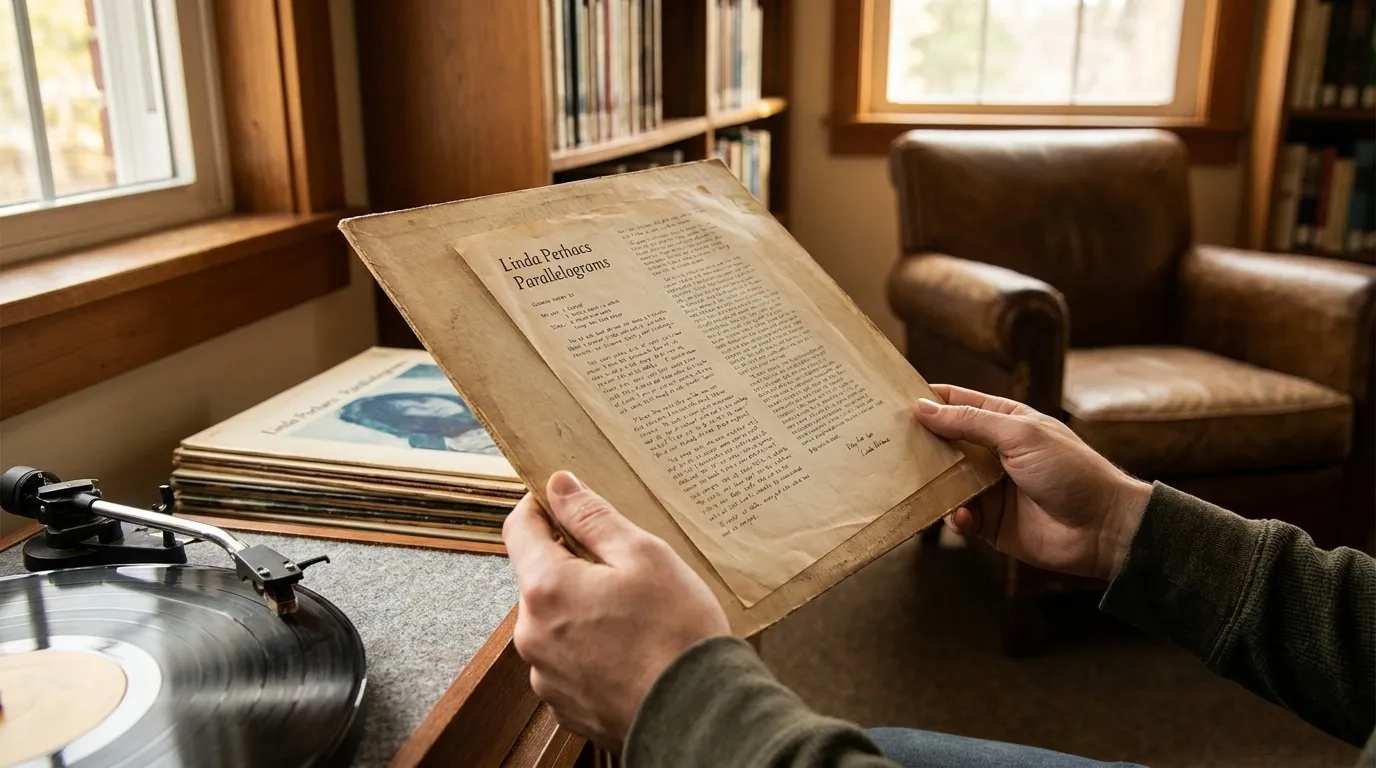
Linda Perhacs recorded *Parallelograms* in 1970 as a dental hygienist with no prior industry experience, working with producer and film composer Leonard Rosenman to create an album that layered her voice into dense, psychedelic textures. According to AllMusic, the album sold poorly upon release and Perhacs returned to her dental career, but the record became a sought-after collector's item in subsequent decades, eventually leading to reissues and a late-career return to recording. Her work sits at the intersection of folk, experimental, and psychedelic traditions, often compared to Vashti Bunyan, Linda Perhacs, and other artists whose work gained recognition long after initial release. For listeners new to this material, context matters: understanding the production techniques, the cultural moment of early-1970s Los Angeles, and the album's rediscovery narrative enriches the listening experience beyond simply hearing the songs.
San Francisco Public Library Music Collections and Access
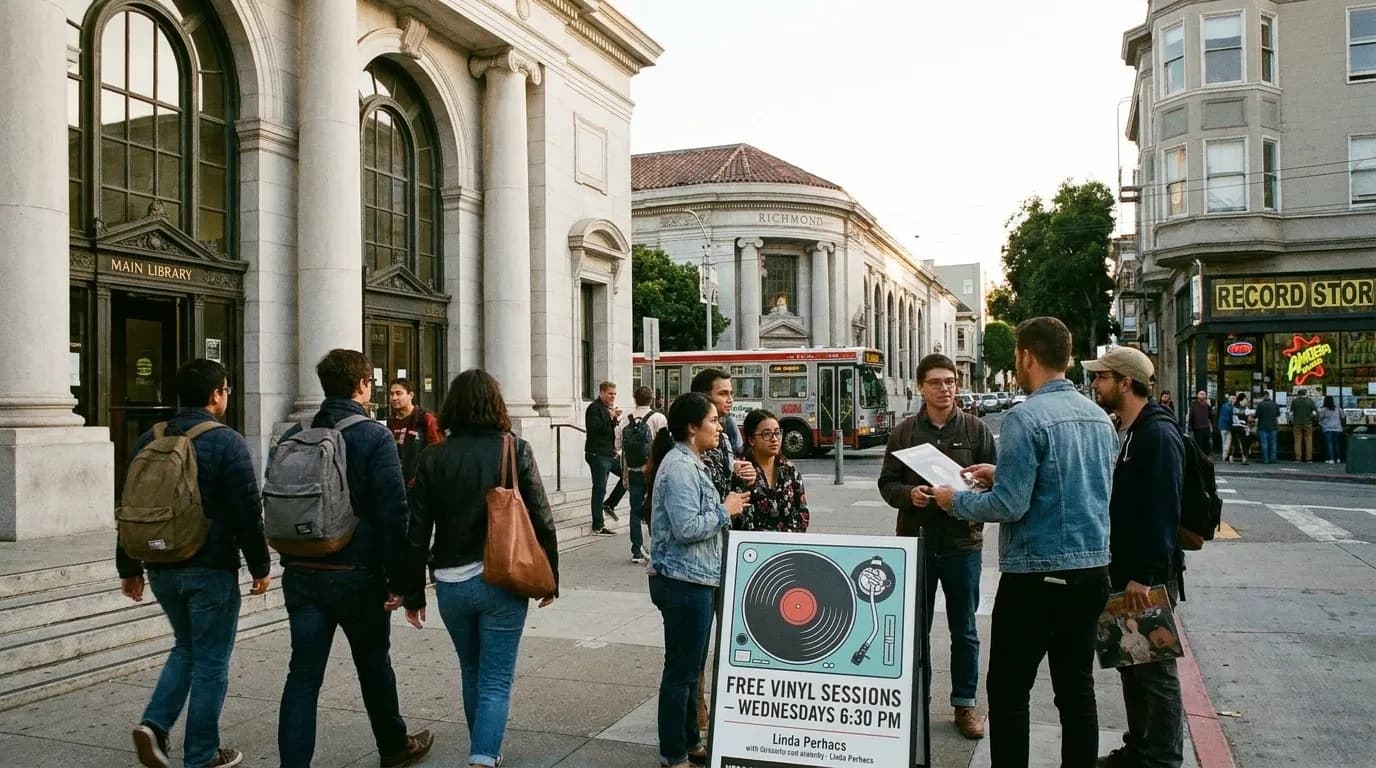
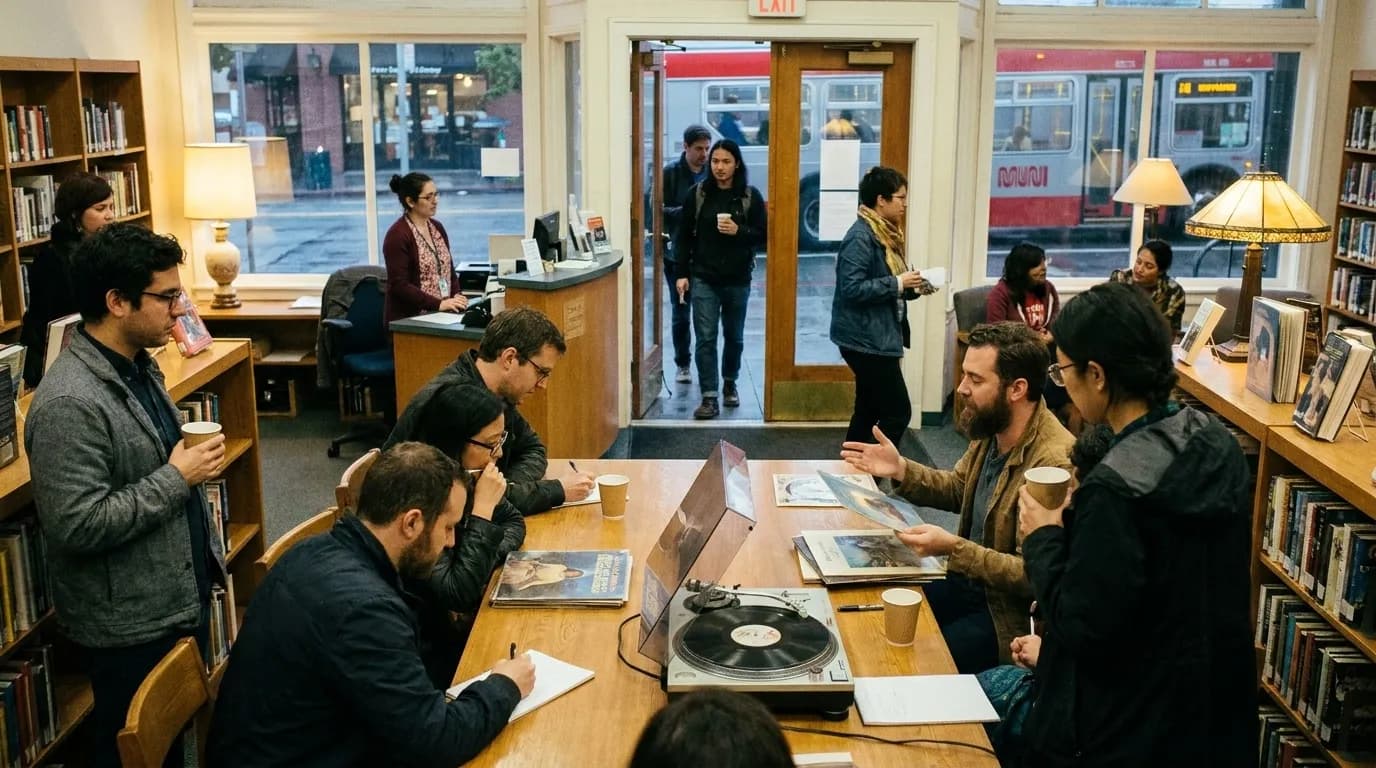
The San Francisco Public Library system offers music collections in multiple formats across its branches, with the Main Library at Civic Center holding the most extensive catalog. According to the library's website, patrons can access CDs, vinyl records, and digital streaming resources with a library card, which is free to San Francisco residents and available to others for a fee. The Main Library, Richmond Branch, and other locations maintain listening stations and study spaces, though specific equipment availability varies by branch and demand. To access materials, check the online catalog in advance, place holds if needed, and confirm branch hours before visiting, as schedules can shift seasonally. For obscure recordings like *Parallelograms*, availability may be limited; the catalog search function will show whether the item is in circulation, on hold, or available for immediate checkout.
Timing Your Visit and Managing Availability
Library branch hours vary, with the Main Library typically offering extended weekday hours and Sunday service, while neighborhood branches like Richmond and Sunset may have more limited schedules. Wednesday evenings are popular for after-work library visits, so arriving earlier in the afternoon or later in the evening can mean better access to listening stations and quieter browsing. If you're seeking specific recordings, call ahead or use the online catalog to confirm availability—holds can take several days to arrive at your preferred branch. For self-guided listening, budget at least 60 to 90 minutes to locate materials, set up at a listening station, and engage with liner notes or supplementary resources. If your preferred branch is crowded or materials are checked out, having a backup plan—whether another branch or an independent record store—prevents wasted trips.
Amoeba Records as a Backup and Browsing Alternative
Amoeba Music on Haight Street is one of the largest independent record stores in the United States, with an extensive vinyl and CD selection spanning decades and genres. According to the store's website, Amoeba carries both new and used recordings, including reissues and rare pressings that may not circulate through library systems. The store's folk and psychedelic sections are well-stocked, and staff can assist with locating specific artists or recommending adjacent listening. Unlike library visits, Amoeba allows for immediate purchase and take-home listening, though costs vary widely depending on format and pressing. The store also features listening stations where you can preview selections before buying. Amoeba is accessible via MUNI, with multiple bus lines and the N Judah light rail serving the Haight-Ashbury area. Plan for at least an hour of browsing if you're exploring unfamiliar territory, and consider visiting on weekdays to avoid weekend crowds.
Transit Access and Neighborhood Logistics
The Main Library at Civic Center is served by BART (Civic Center/UN Plaza station), MUNI Metro (all lines through Civic Center), and numerous bus lines, making it one of the most transit-accessible locations in the city. The Richmond Branch is reachable via the 1, 2, and 38 bus lines, while the Sunset Branch connects via the L Taraval and multiple bus routes. Amoeba Records on Haight Street is accessible via the N Judah, 6, 7, 33, and 43 lines. All locations are within San Francisco's flat-fare MUNI zone, and Clipper Card users benefit from transfer windows. If you have mobility needs, confirm elevator and ramp access at your chosen branch by calling ahead—the Main Library is fully accessible, but some neighborhood branches have older infrastructure. Street parking near Amoeba is limited and metered; transit or rideshare is generally more reliable.
Who This Experience Suits and What to Expect
This approach to music discovery works best for listeners who enjoy self-directed exploration, have patience for catalog searches and occasional unavailability, and appreciate the tactile experience of physical media. Library listening is ideal for those on a tight budget or testing interest in an artist before committing to a purchase, while Amoeba suits collectors, gift-seekers, and anyone who values immediate ownership and expert staff guidance. Solo visitors can move at their own pace, while pairs or small groups can share headphones or discuss finds between listening sessions. Families with older children interested in music history may find the library environment conducive to quiet exploration, though younger kids may find extended listening sessions challenging. If you're unfamiliar with Linda Perhacs or psychedelic folk, starting with a library visit allows low-stakes sampling before investing in records or concert tickets for related artists.
Handling Uncertainty and Building Backup Plans
Music discovery in public and retail spaces comes with inherent unpredictability: items may be checked out, listening stations occupied, or stores crowded during peak hours. Build flexibility into your plan by identifying at least two options—for example, Main Library first, then Amoeba if materials are unavailable. Check library catalogs online before leaving home, and consider placing holds in advance if you have a specific title in mind. If you arrive at a library and find no available listening stations, you can still browse the collection, check out materials for home listening, or explore the library's digital streaming options via your library card. At Amoeba, weekday afternoons typically offer the best balance of selection and elbow room. If you're visiting San Francisco specifically for music exploration, avoid planning around rigid schedules—allow time for serendipity, detours, and unexpected finds that often define the best record-hunting experiences.
Tags: Linda Perhacs, San Francisco, free things to do, psychedelic folk, 1970s music, vinyl listening, San Francisco Public Library, Amoeba Records, MUNI access, music discovery, obscure recordings, folk music, library events, Haight-Ashbury, independent record stores
Sources consulted: allmusic.com · sfpl.org · amoeba.com
All trademarks are the property of their respective owners.
Ask Karpo first
Tell Karpo your preferred San Francisco library branch (Main, Richmond, Sunset), Wednesday evening availability, familiarity with Linda Perhacs or psychedelic folk, whether you prefer guided discussion or solo listening, MUNI access needs, and if you'd like recommendations for record stores as backup options.