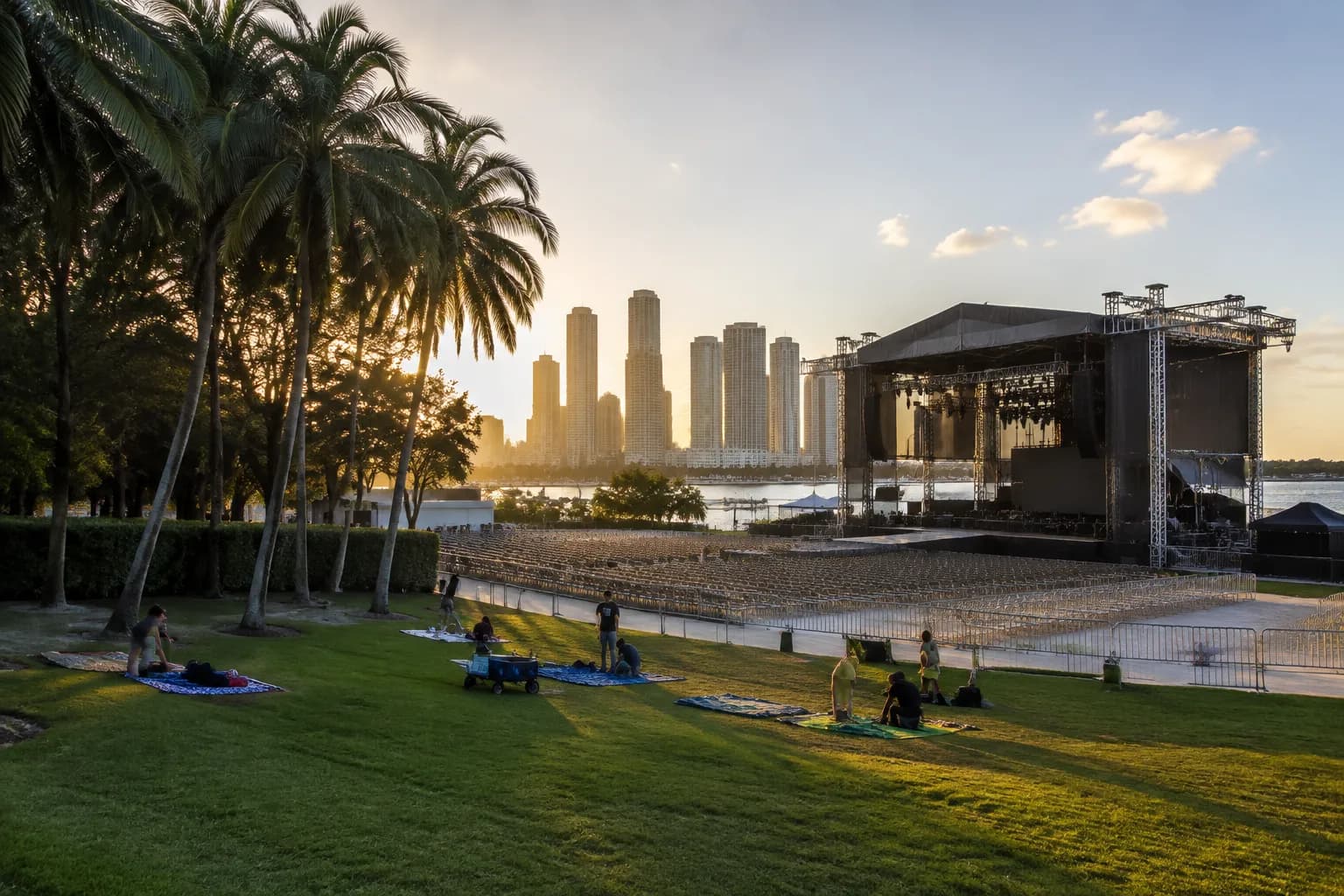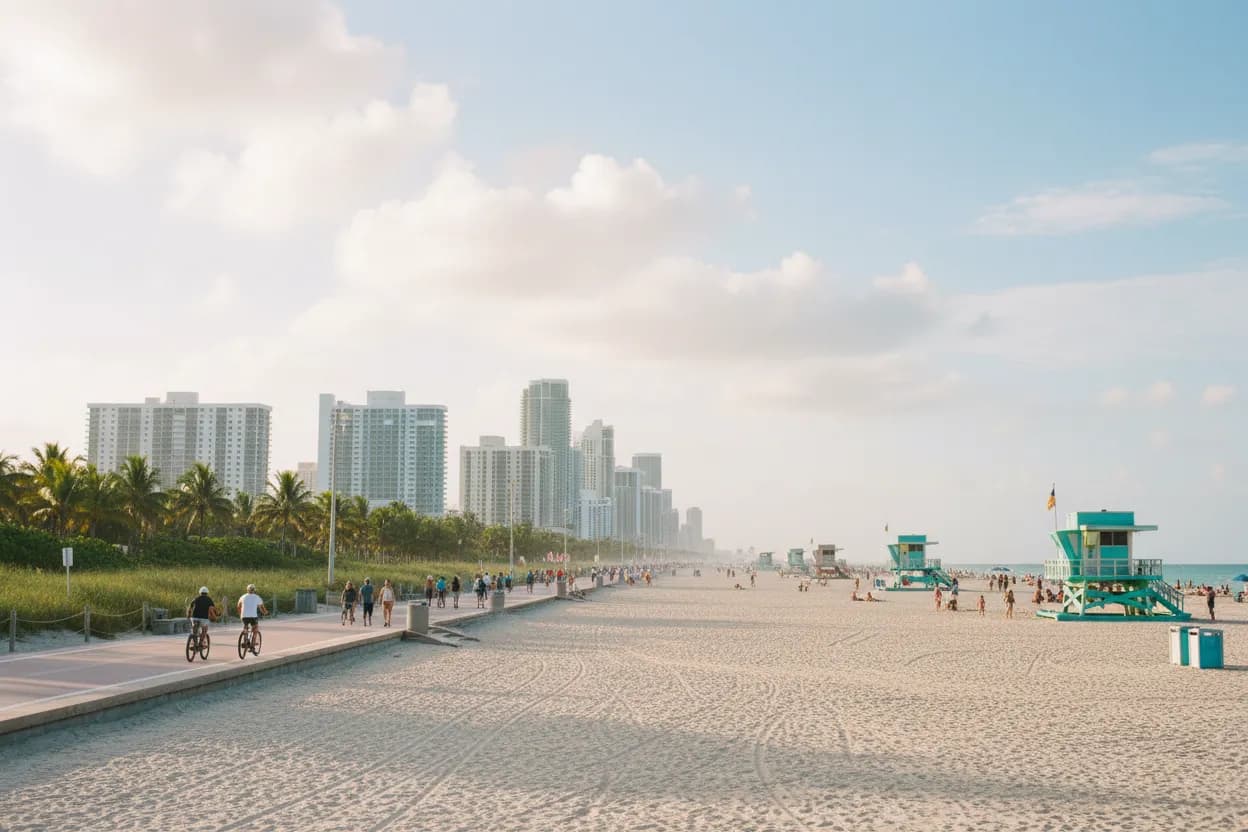
Miami can turn a simple free day into a long, hot logistics problem if you start with hype instead of verification. The useful move is to treat the word “lifeguard” as a reminder to plan around public access, weather, transit status, and crowd pressure—not as proof of a special appearance, beach guarantee, or supervised activity. For Wednesday, August 12, 2026, a smart no-ticket outing can use Greater Miami & Miami Beach’s official visitor information, public beach and neighborhood pages, live webcams, and Miami-Dade Transit tools before you leave. The goal is modest and better for it: choose one public anchor, keep the route short, avoid paid attractions unless you choose them, and have a backup that still feels like Miami.
Want a same-day sanity check before you head out? Text Karpo with your starting point, time window, and beach-or-downtown preference, and ask for a free Miami route with a backup.

Turn current interest into a genuinely free outing
Start by separating the search hook from the plan. “Lifeguard” is useful because it points to safety-minded beach thinking, but it should not become a rumor engine. Do not assume a particular tower is staffed, a beach area is open, or any public safety service is available in a specific way unless the relevant official page says so that day. For a free outing, the dependable idea is not a staged event; it is a self-guided public route that you can confirm before leaving.
The cleanest version is a public-view day: South Beach for the white-sand beach setting identified by the official Greater Miami & Miami Beach visitor site, then a short walk to nearby public-facing streets, architecture, or oceanfront views. Keep spending optional. If you bring water, sun protection, and a transit plan, the core activity is simply being outside in a famous Miami setting without building the day around a ticket.
Start with public access rather than a promoted event
Miami’s official visitor site is full of things to do, including arts and culture, outdoor activities, sports, tours, beaches, neighborhoods, and featured events. That is helpful, but it also creates a trap: an event listing is not the same as a free public plan. On August 12, the site lists items such as New Moon Beach Yoga & Meditation at South Pointe Beach, Pilathon Pilates at The Miami Beach EDITION, and New Moon Flow & Breathwork in North Beach Oceanside Park. Unless the official event page clearly confirms cost, access rules, and availability, treat those as things to verify, not assumptions.
For a free-things-to-do approach, anchor the day in places that can be experienced from public space. The visitor site highlights South Beach’s white-sand beach and offers live webcams for locations including 1st Street Beach, 21st Street Beach, 45th Street Beach, Bayfront Park, Biscayne Bay & PortMiami, Ocean Drive, Lincoln Road, Little Havana’s Calle Ocho, Coconut Grove’s Sailboat Bay, Virginia Key Beach Park, Wynwood Walls, and more. Use those cameras as a reality check for visible conditions and crowd feel, not as a promise that every facility or route is open.
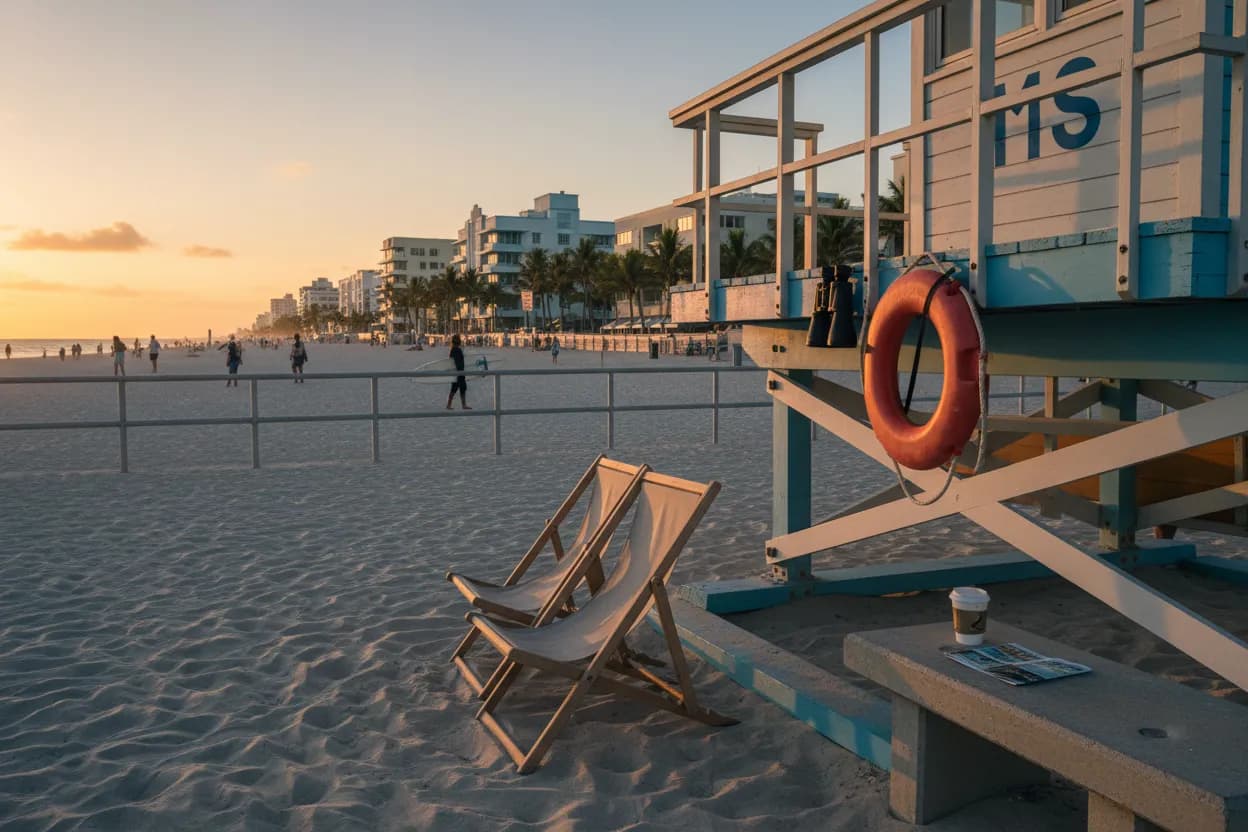
Build a short route around one strong anchor
Pick one anchor and resist the urge to cross the county for a second photo. If the beach is the anchor, use South Beach or another webcam-visible beach area as the center of the day. Check the official webcam closest to your intended stop, then decide whether the sand, promenade, or nearby streets look manageable. A short route lowers the chance that heat, storms, transit delays, or full parking lots turn a free day into an expensive rescue mission.
If you prefer an urban backup from the start, choose a downtown-facing route instead: Bayfront Park, Biscayne Bay views, and Metromover-adjacent sightseeing can be planned with Miami-Dade Transit’s official tools. The transit page directs riders to service updates, rider alerts, a trip planner, Transit Tracker, and mode-specific route or station information. It also notes that the Department of Transportation and Public Works operates Metrobus, Metrorail, Metromover, MetroConnect microtransit, and Special Transportation Service, so check the mode you plan to use rather than assuming all systems are running normally.
Use weather and crowd pressure as decision points
August in Miami rewards early decisions and punishes stubborn ones. The official visitor site describes summer in Miami as a season with many opportunities for fun, relaxation, and savings, and it also points to August events, Miami Spa Months, and Miami Spice. That means visitors and locals may be moving around for beaches, restaurants, wellness programming, and sightseeing at the same time. A free plan should therefore include a crowd threshold: if the webcam shows packed sand, heavy pedestrian pressure, or a scene that does not match your comfort level, switch anchors.
Weather should be treated the same way. The official extracts do not give a forecast, so do not rely on yesterday’s sky or a social post. Before leaving, check current conditions from an official weather source, then combine that with the visitor-site webcams and transit alerts. If thunder, flooding, extreme heat, or poor visibility becomes a concern, the backup should be closer, shorter, and easier to exit. A free day is only a win if you can leave without drama.
Know when free still requires registration
A no-cost listing can still have limits, and a public location can host an activity that is not simply walk-up. The safe rule is simple: if you are attending an organized class, wellness gathering, tour, performance, or featured event, verify the official page for registration, capacity, age rules, equipment requirements, location changes, and cancellation notices. Do not treat a social caption, repost, or search snippet as permission to show up.
This matters in Miami because the official visitor site mixes broad destination guidance with dated listings. A beach yoga listing at South Pointe Beach may sound like an easy add-on to a free beach day, but the article plan should not depend on it unless the event’s own official details confirm access. If registration is closed or the event changes, your outing still works because the core plan is public space, walking, views, and a verified backup—not one fragile appointment.
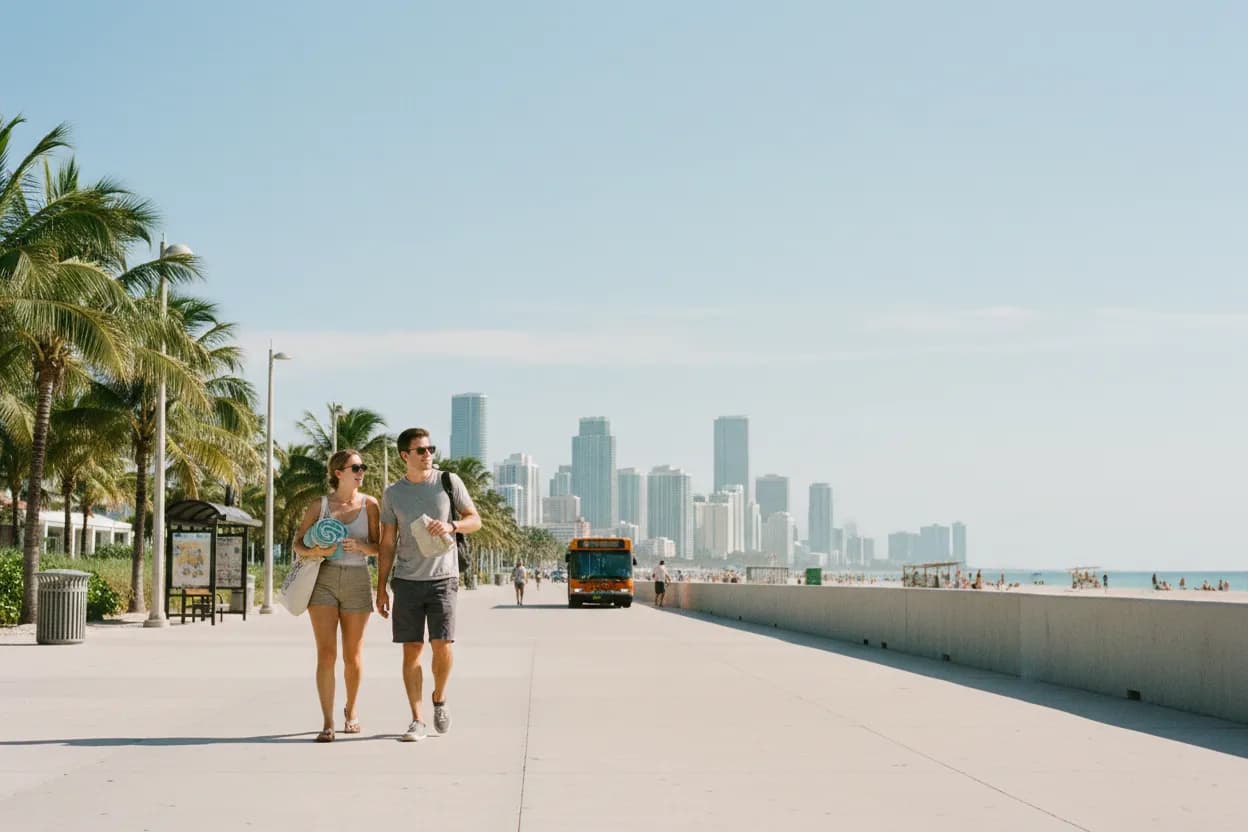
Recheck access on the day
Do a final five-minute audit before stepping out: open the official Greater Miami & Miami Beach site for the neighborhood or webcam view, open Miami-Dade Transit’s rider alerts and trip planner, and look for any mode-specific service issue on the route you expect to use. The transit page specifically points riders to service updates, rider alerts, real-time bus and train tracking, and elevator and escalator status. Those checks matter for anyone, and especially for families, visitors with mobility needs, or people trying to avoid a long walk in heat.
Also note date-specific transit information when it appears. The Miami-Dade Transportation page says that on Saturday, August 15, Metromover service will begin operating at 2 p.m. while upgrade work continues. That is not today’s outing, but it is exactly the kind of official notice that can break a weekend plan if you do not recheck it. For Wednesday, August 12, verify your own route in real time rather than carrying assumptions forward.
Your backup choice should be close and public-facing. If South Beach feels too crowded, use another official webcam-visible area to reassess before moving. If a downtown plan looks easier, shift toward Bayfront Park or Biscayne Bay views and confirm transit first. The best free Miami day is not the one with the most stops; it is the one you can actually complete, adjust, and leave safely.
Tags: #Miami #FreeThingsToDo #SouthBeach #MiamiBeach #PublicTransit #MiamiDadeTransit #BeachDay #LiveWebcams #LocalLife #FamilyTravel #OutdoorMiami #AskKarpo #BeforeYouGo #BudgetMiami
Sources consulted: miamiandbeaches.com · miamidade.gov · miamidade.gov
All trademarks are the property of their respective owners.
Ask Karpo first
Ask Karpo first if your plan depends on a beach, a listed event, or a transit connection. Send your time, neighborhood, mobility needs, and backup preference, and Karpo can help you pressure-test the route before you commit to the day.