LeBron James has built a second career around longevity—ice baths, compression therapy, hyperbaric chambers, and meticulous recovery routines that keep elite athletes performing into their late thirties and beyond. While most of us won't replicate a professional training regimen, the underlying principle translates beautifully to planning a multi-day US Open visit in Queens: intentional recovery makes the experience better. If you're attending several sessions at the Billie Jean King National Tennis Center in Flushing Meadows during the 2026 tournament, consider building rest and recovery into your itinerary the same way athletes do between matches. Queens and the surrounding boroughs offer a growing network of recovery-focused studios—cryotherapy, float tanks, massage, infrared sauna, and stretching centers—that can help you reset between long days of sun, crowds, and stadium seating.
Text Karpo with your US Open session time and Queens starting point, and we’ll turn this recovery studios idea into a practical local plan.

Why Recovery Planning Matters for Multi-Day Tournament Visits
The US Open runs for two weeks, typically late August into early September, with day and night sessions that can stretch several hours when you include arrival, security, and post-match crowds. If you're attending multiple sessions—especially if you're combining tennis with other New York activities—your feet, back, and energy reserves will feel it. Athletes treat recovery as part of training; visitors can treat it as part of trip planning. Scheduling a float session the morning after a long night match, or booking a massage between a day session and an evening dinner in Flushing, can make the difference between enjoying your third day and merely surviving it. The US Open's official event schedule on usopen.org will help you identify gaps in your itinerary where a recovery appointment makes sense.
Recovery Studio Options Near the 7 Train Corridor
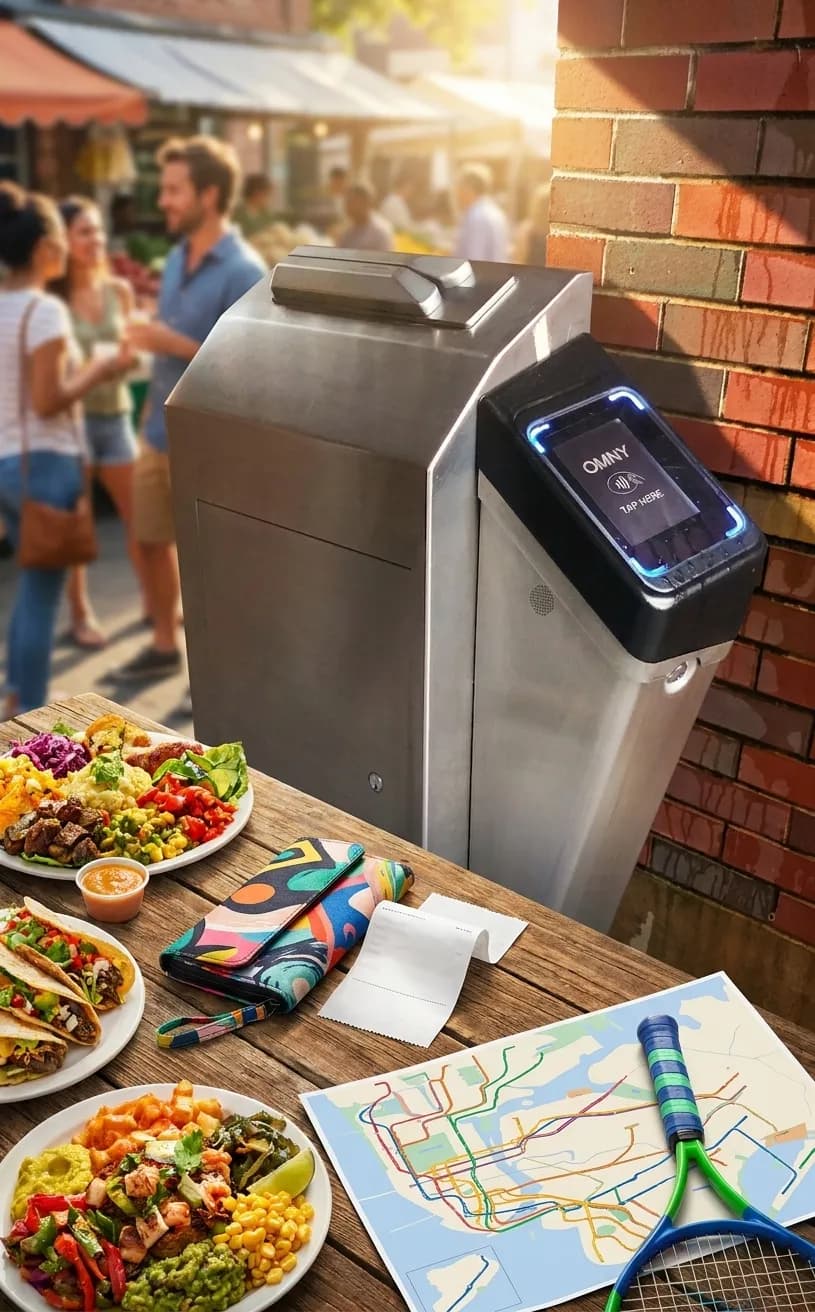
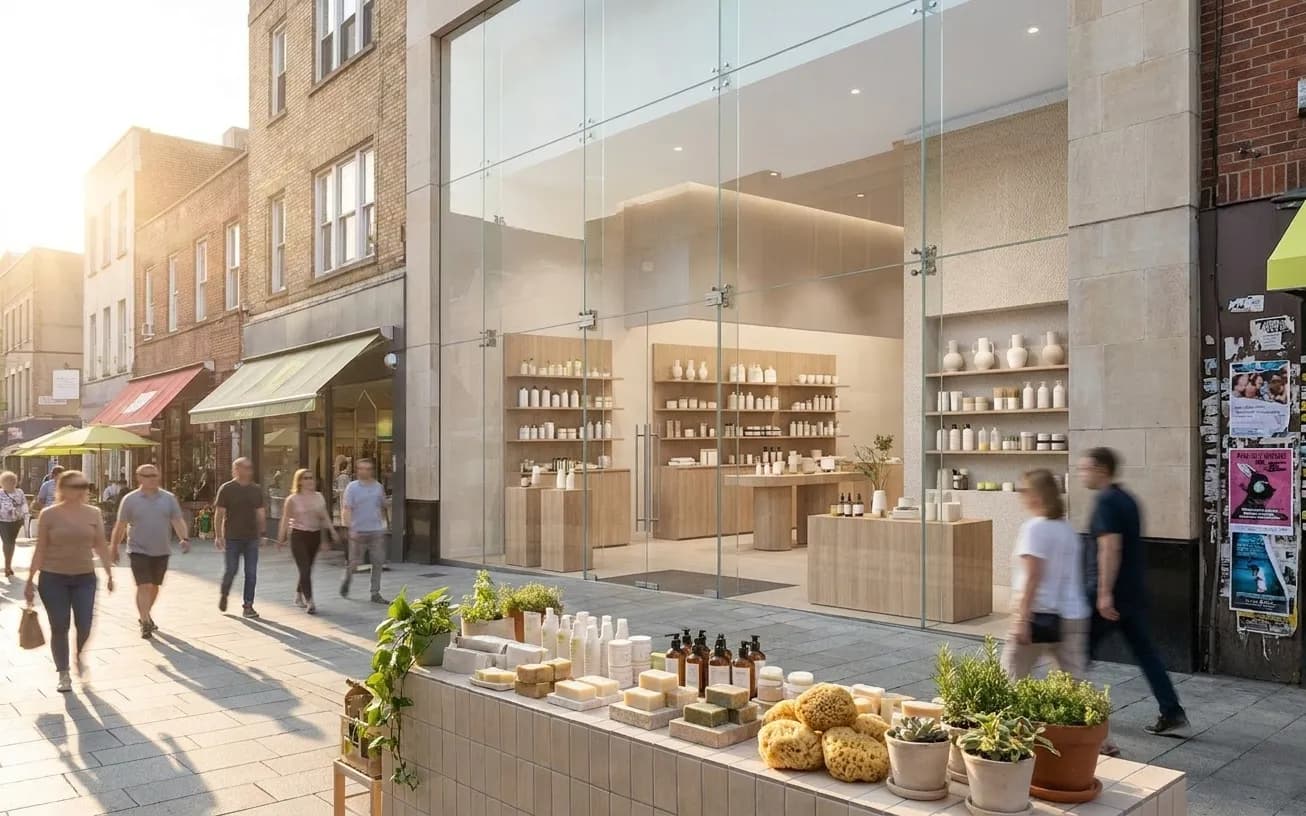
The 7 train is the primary subway route to the US Open, running from Manhattan through Long Island City, Woodside, Jackson Heights, and on to Flushing. Several recovery-focused studios have opened along this corridor in recent years, making it practical to schedule a session before or after your tennis visit. Look for cryotherapy centers offering cold chambers, float spas with sensory deprivation tanks, and massage studios specializing in sports recovery or deep tissue work. Some studios also offer infrared sauna sessions, compression therapy, or assisted stretching. Because business hours and availability vary widely, confirm appointments and current services directly with each studio a few days before your visit. Many studios allow online booking, but calling ahead ensures you understand what's included and what to bring.
Timing Your Recovery Session Around Match Schedules
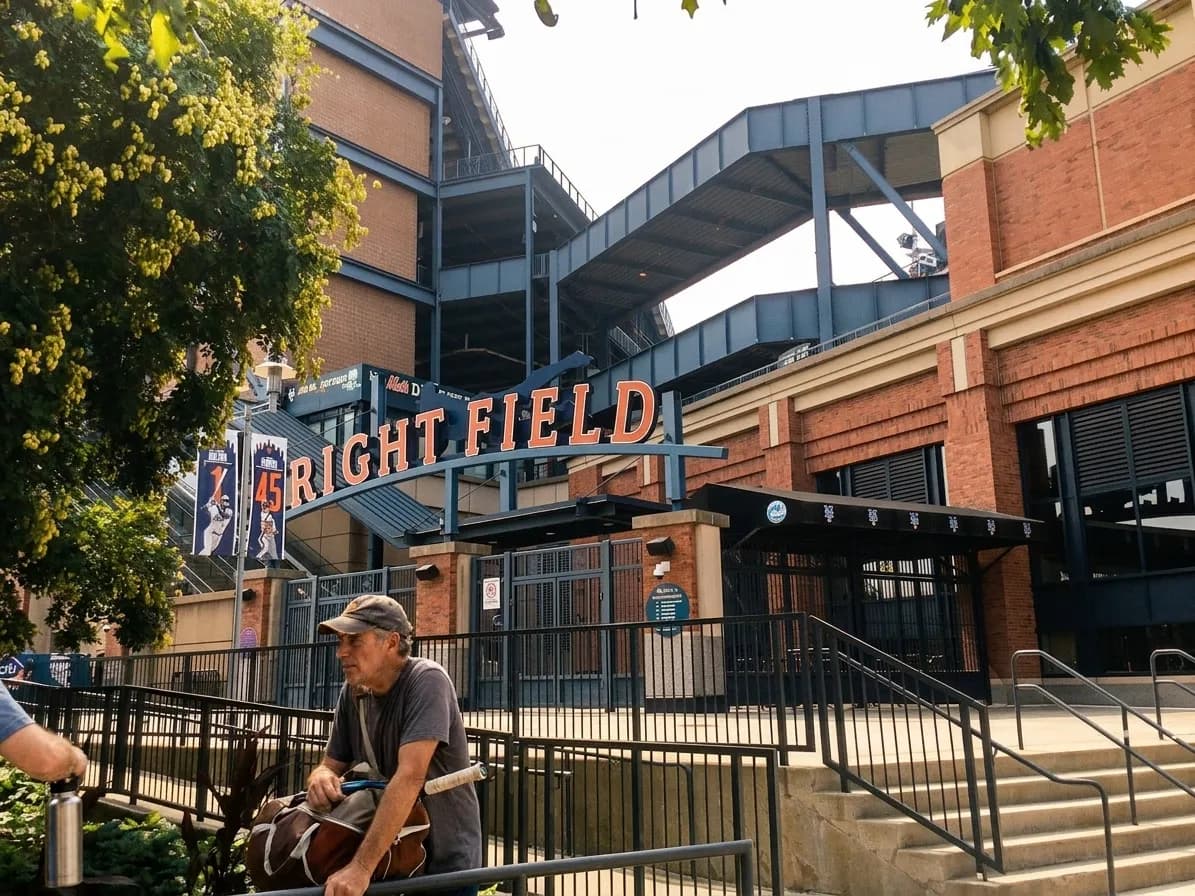
Day sessions at the US Open typically start in late morning, while night sessions begin in early evening. Check the official event schedule for exact times, which vary by round and court. If you're attending a night session, consider booking a morning float or sauna appointment in Long Island City or Astoria, then taking the 7 train east to Flushing in the afternoon. If you're attending a day session, an evening massage or cryotherapy appointment in Flushing or nearby neighborhoods can help you unwind before heading back to your hotel. The official transportation directions on usopen.org outline subway, LIRR, and car options, which will help you estimate travel time and build in buffer windows. Recovery sessions usually vary in length, so plan for at least two hours total when you include travel and transition time.
What to Expect at a Float or Cryotherapy Studio
If you've never tried float therapy or cryotherapy, the experience can feel unfamiliar at first. Float tanks are enclosed or semi-enclosed tubs filled with body-temperature water saturated with Epsom salt, allowing you to float effortlessly in near silence and darkness. Sessions are designed to reduce sensory input, ease muscle tension, and promote mental calm. Cryotherapy involves standing in a chamber cooled to subzero temperatures for a brief period, which some athletes use to reduce inflammation and speed recovery. Studios will provide instructions, towels, and any necessary gear. Arrive a few minutes early for intake paperwork, and let staff know if you have any health conditions or concerns. Neither treatment is a medical procedure, but both require you to follow safety guidelines.
Combining Recovery with Queens Dining and Exploration
One advantage of scheduling recovery sessions in Queens is the opportunity to explore neighborhoods you might otherwise skip. Flushing is known for its exceptional Chinese, Korean, and Malaysian restaurants, many within walking distance of the tennis center. If you book a morning float in Long Island City, you're a short walk from waterfront parks, cafes, and views of the Manhattan skyline. Jackson Heights offers South Asian and Latin American dining, while Astoria is home to Greek tavernas, Middle Eastern bakeries, and a thriving coffee scene. Plan your recovery session as an anchor point, then build a meal or a walk around it. The NYC Parks page for Flushing Meadows Corona Park includes maps and amenities that can help you orient yourself before or after your studio visit.
Packing and Logistics for a Recovery Day
If you're combining a recovery session with a US Open visit, pack light and smart. Most studios provide towels, robes, and basic toiletries, but confirm ahead of time. Bring a small bag with a change of clothes, flip-flops or slides, and any personal care items you prefer. If you're heading to the tennis center afterward, remember the official prohibited-items guide on usopen.org, which restricts large bags, outside food and drink, and certain personal items. Consider using a locker at your hotel or a storage service if you're carrying extra gear. Hydration is especially important if you're doing cryotherapy or sauna work, so bring a refillable water bottle and plan to drink before and after your session.
Practical Notes for Recovery-Focused US Open Planning
- Book recovery appointments at least a few days in advance, especially during the US Open when demand for local services increases.
- Confirm current studio hours, pricing, and cancellation policies directly with each business before your visit.
- Allow extra travel time on match days, as subway and street traffic near Flushing Meadows can be heavier than usual.
- Check the official US Open visitor A-Z guide for updates on bag policies, entry procedures, and accessibility services.
- Consider scheduling recovery sessions on rest days between matches rather than immediately before or after long sessions.
- Recheck weather forecasts and transit alerts on the morning of your visit to adjust timing if needed.
Tags: #USOpen2026 #Queens #FlushingMeadows #KarpoFinds #Karpo #lebronjames #NewYorkLocal #TennisTravel
Sources consulted: usopen.org — Official event schedule · usopen.org — Official visitor A-Z guide · usopen.org — Official transportation directions · usopen.org — Official prohibited-items guide · NYC Parks — Flushing Meadows Corona Park · New York Mets — Citi Field
All trademarks are the property of their respective owners.