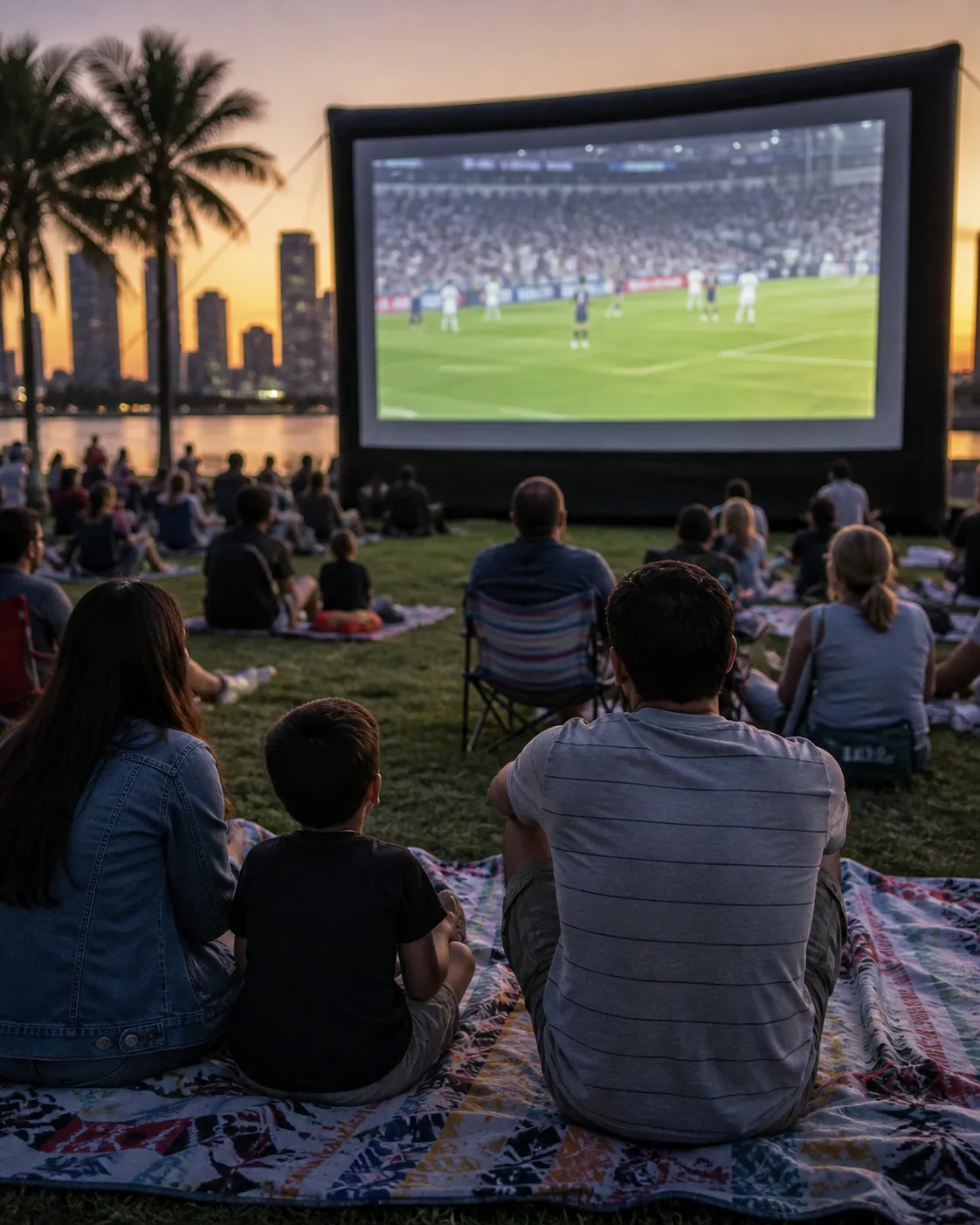
Miami can turn a soccer night into a full-neighborhood decision, which is exactly why the leagues cup schedule should be treated as a planning hook, not a promise that any local venue, team, player, or official event is involved. Start with the match you want to watch, then build the night around what can be confirmed directly: whether the game will be shown, whether sound will be on, how entry works, and how you will leave if the room gets too loud or too packed. The official Greater Miami & Miami Beach site frames the destination broadly, with beaches, dining, arts and culture, sports, hotels, live webcams, and distinct cities and neighborhoods. The smart move is not chasing hype. It is choosing a watch setting with a clean backup.
Want a Miami watch plan before you commit? Text Karpo to check the match timing, likely screen setup questions, transit alerts, access notes, and nearby quieter backup options.

Confirm what fans can actually watch
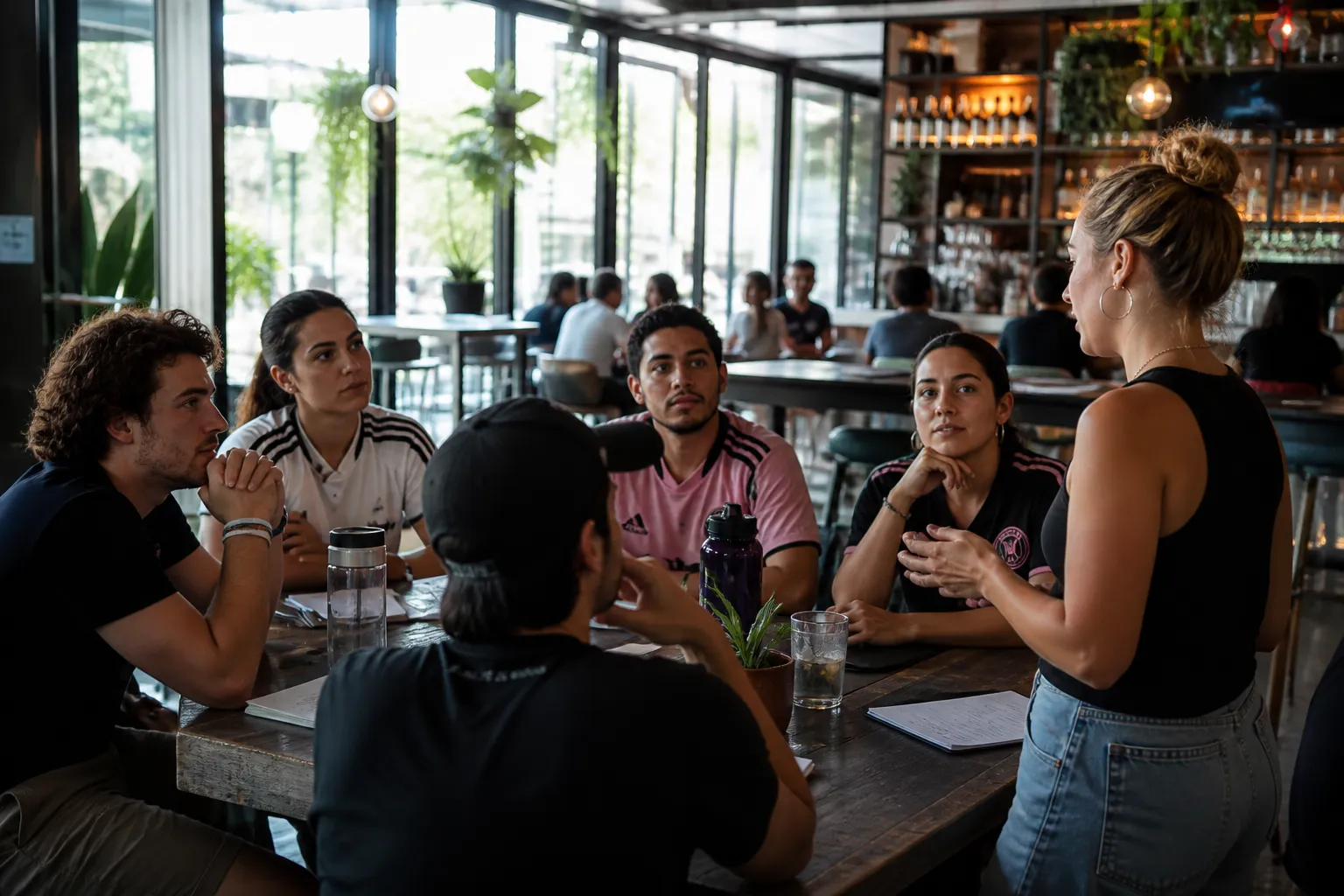
The first check is simple: separate the leagues cup schedule from the Miami plan. A schedule can tell you when a match is expected to happen, but it does not prove a Miami venue is showing it, that sound will be available, or that a local appearance is attached. Before inviting friends, confirm the match time from the official competition or broadcaster source you normally trust, then contact the venue directly. Ask for the exact match, not just “soccer,” because public rooms may have multiple sports or event requests on the same night.
Keep your questions narrow. Will the match be on a main screen or a side screen? Will the venue use match audio, house music, or captions only? Is entry first come, ticketed, reservation-based, or affected by another booking? Those are venue-level details, and the extracts here do not confirm them for any bar, restaurant, hotel, or public space. Treat them as same-day checks. If the answer sounds vague, choose a different room or make that venue your backup rather than your anchor.
Use Miami’s official tourism framing as a reminder that the city is broad, not one-size-fits-all. Greater Miami & Miami Beach describes beaches, a culinary scene, arts and culture, sports, hotels, live webcams, and many cities and neighborhoods. That variety is useful, but it also means a “Miami watch party” can mean very different things depending on whether you land in a beach-area bar, a downtown restaurant, a neighborhood venue, or a hotel lounge.
Choose the room by crowd energy
Pick the neighborhood before picking the first venue name that appears in a search result. The official visitor site highlights South Beach, Downtown Miami, Wynwood, Little Havana, Coral Gables, Coconut Grove, and Little Haiti among its city, neighborhood, webcam, and event references. Use those names as orientation points, not venue endorsements. The extracts do not verify that any of those areas has a specific soccer watch party, a guaranteed broadcast, or a standing relationship with the tournament.
For a lively route, shortlist one place in a visitor-heavy or nightlife-friendly area and one nearby second option, then verify both. For a quieter route, start with restaurants, hotel bars, or lower-key public rooms that can confirm a screen without promising a supporters’ atmosphere. The official site says Greater Miami & Miami Beach offers distinct cities and neighborhoods with different kinds of energy, including cultural richness, lively energy, greenery, and coastal settings. That supports neighborhood planning, not assumptions about individual venues.
Crowd energy also changes the access plan. A room that works for a packed final can be frustrating for a group that needs seats, food, and conversation. The official visitor site lists Miami Spice from August through September, described as specially priced three-course meals at top eateries for lunch, brunch, and dinner. It also lists Miami Spa Months in July and August and August events. Those details suggest the broader visitor calendar may be active, but they do not prove any watch-night demand. Ask whether the match conflicts with dinner service or other programming.

Call ahead about the exact screen and sound
The most useful phone call is short and specific. Say the match name and kickoff time, then ask which screen will carry it, whether sound will be on, and whether that answer depends on another game, private booking, or manager approval. If you are choosing between two places, the venue that can answer clearly is usually the better first stop.
Do not assume a venue’s social media, sports-bar reputation, or previous soccer night answers the question for this match. A timely phrase like leagues cup schedule can bring people into search, but it does not settle broadcast access or in-room priorities. Ask if arriving before kickoff changes your seating odds. Ask whether the patio, bar, dining room, or private area has the relevant screen. Ask whether minors are allowed if your group includes families, because the official extracts do not provide venue entry rules and those can vary by place and time.
For a group, assign one person to verify and one person to handle movement. The verifier confirms screens, sound, entry, reservations, and whether there is any cover, minimum, or private event. The movement person checks Miami-Dade Transit alerts, route options, ride pickup practicality, walking distance, and the backup stop. Keep those roles separate so nobody is trying to solve the whole night from a noisy sidewalk.
Use transit and seating as tiebreakers
Miami-Dade Transit gives you several planning tools worth checking before you choose the final room. The Department of Transportation and Public Works lists Metrobus, BRT Metro Express, Metrorail, Metromover, MetroConnect microtransit service, and Special Transportation Service as part of the county mass transit system. Its site also points riders to service updates, rider alerts, a trip planner, and real-time bus and train tracking. For a watch night, that matters as much as the menu.
If your shortlist depends on Metromover, pay close attention to the posted information. Miami-Dade states that Metromover is operating a modified Inner Loop, with trains running on the same track as the Brickell and Omni Loop. It also says Inner Loop trains will not appear on the platform display and asks riders to look inside the train to confirm loop designation. That is a precise, actionable check to make before boarding.
Use seating as the other tiebreaker. A place near transit is only useful if your group can actually settle in. For a bigger party, confirm whether tables can be held and what happens if some people arrive late. For a smaller party, ask whether bar seating has a view of the screen. If the venue cannot confirm seating but the transit path is easy, arrive earlier and keep the backup close. The extracts do not confirm travel times, fares for a watch-night route, venue capacity, or parking availability, so avoid building the plan around those assumptions.
Keep a quieter second option nearby
A good Miami plan has a second room within the same neighborhood or one manageable move away. The backup should not repeat the same risk. If your first choice is a crowded sports bar, make the second option a calmer restaurant bar, hotel lounge, or another public room where you can still follow the match if the first room is full or sound is not available. Confirm the backup too; do not treat it as automatic.
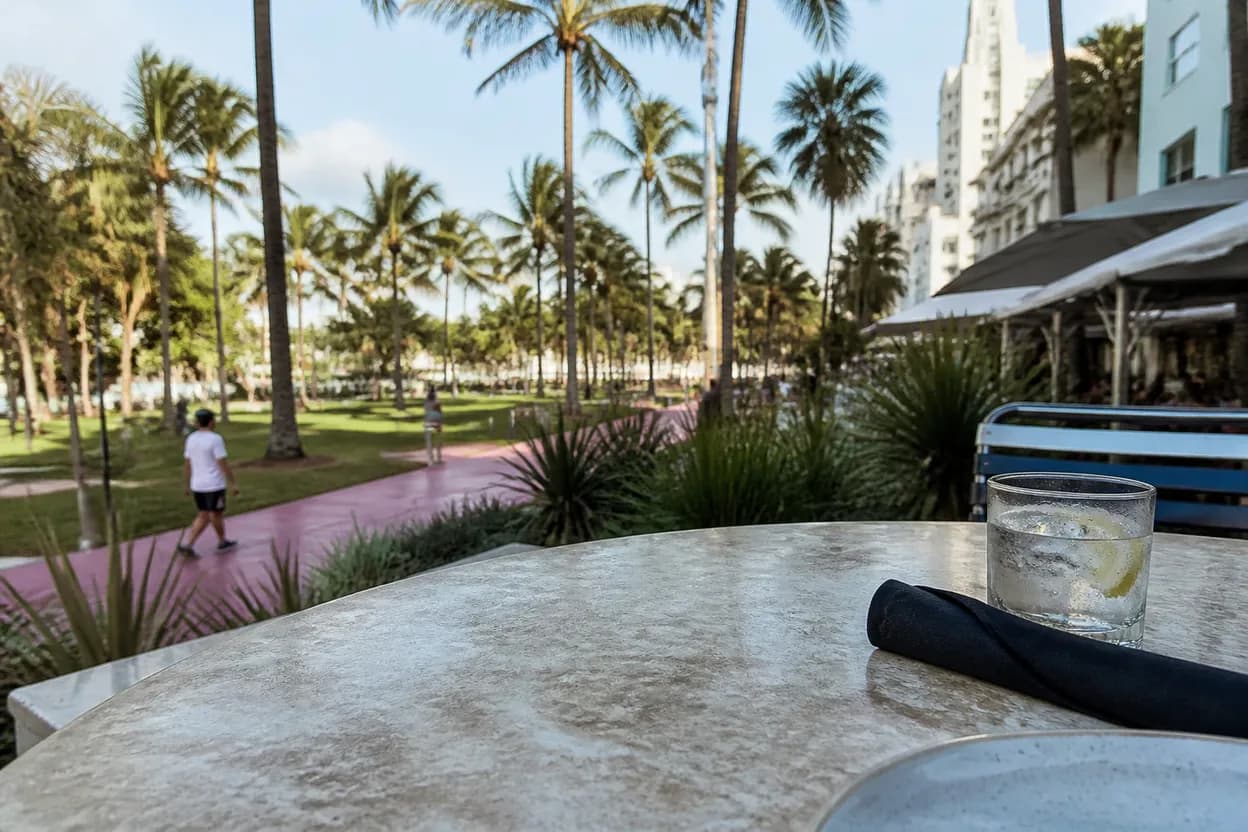
Public-space planning is useful in Miami because the official visitor site’s webcam list points to recognizable anchors such as Ocean Drive in South Beach, Bayfront Park in Downtown Miami, Biscayne Bay and PortMiami, Calle Ocho in Little Havana, Lincoln Road in Miami Beach, Sailboat Bay in Coconut Grove, and Wynwood Walls. Those are orientation points, not watch-party promises. Use them to choose an area where walking, waiting, or regrouping feels manageable.
The calmer backup also protects mixed groups. Some people want noise and standing-room energy; others want seats, food, and a clean exit. Decide in advance what triggers the move: no confirmed screen, no sound when sound matters, an unexpectedly long wait, inaccessible seating, or a transit disruption. Make the backup decision before the match starts, while everyone can still hear each other.
Recheck the plan on game day
Game day is when the plan becomes real. Reconfirm the match time from the source you are using for the competition or broadcast, then call the first venue again during its operating hours. Ask whether anything changed with the screen assignment, sound, entry, reservations, or private events. If the staff cannot confirm the exact match, do not argue; move that place down the list and use the clearer option.
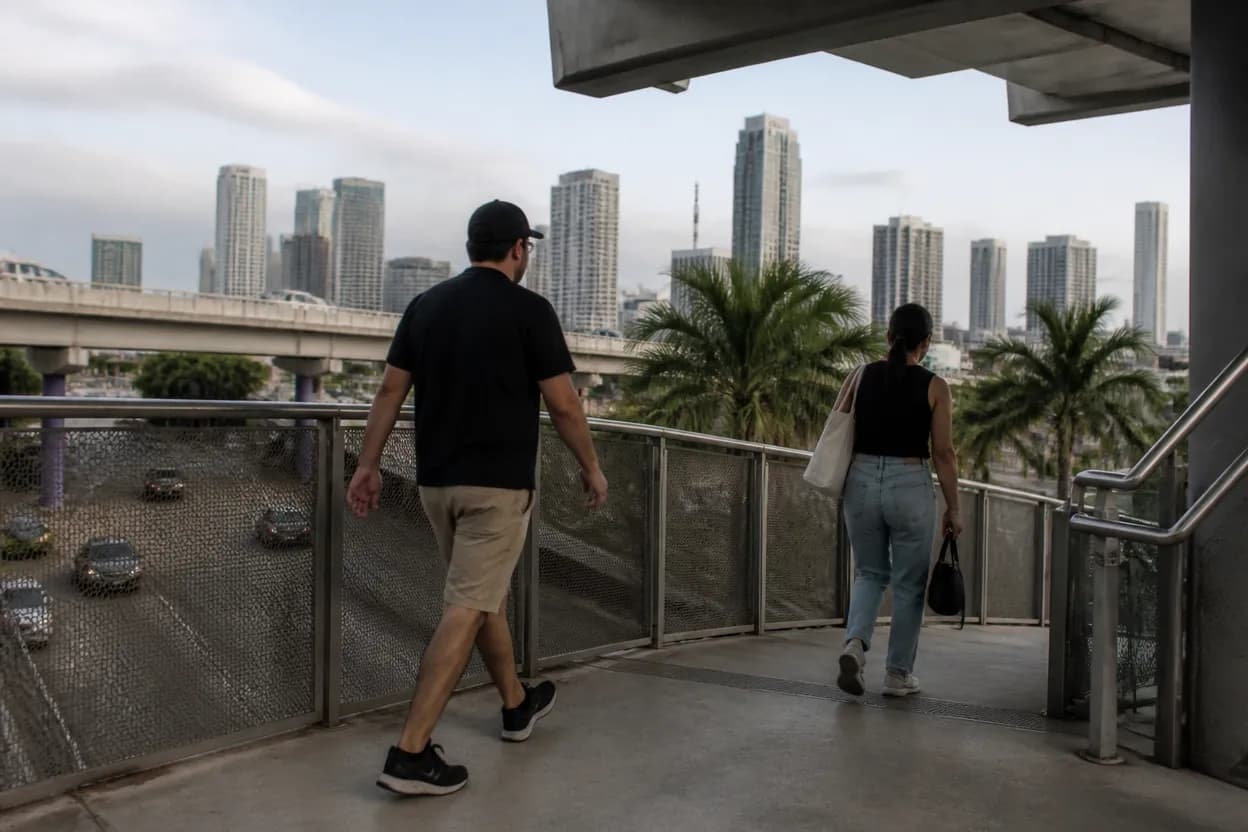
Check Miami-Dade Transit alerts before leaving, not just when you first make the plan. The official transit site points riders to service updates, rider alerts, a trip planner, and real-time tracking. It also provides elevator and escalator status information, which matters for accessibility planning. If your route depends on Metrorail, Metromover, Metrobus, Metro Express, MetroConnect, or a transfer, verify the current station or route details before you go.
Finally, match the evening to Miami’s real calendar. The official visitor site lists August activity across events, Miami Spice, Miami Spa Months, summer programming, arts and culture, music, and visitor experiences around Greater Miami & Miami Beach. That does not mean a soccer watch party is guaranteed anywhere. It means the city may already have reasons for people to be out. The best watch plan is specific enough to work, modest enough to change, and honest about what still needs confirmation.
Tags: #Miami #LeaguesCup #WatchParties #Soccer #MiamiBeach #Brickell #DowntownMiami #Wynwood #LittleHavana #MiamiDadeTransit #GameDayPlan #SportsBars #AskKarpo #BeforeYouGo
Sources consulted: miamiandbeaches.com · miamidade.gov · miamidade.gov
All trademarks are the property of their respective owners.
Ask Karpo first
Ask Karpo first before you lock the group chat. Karpo can help verify the match window, venue screen and sound questions, transit alerts, access needs, and a quieter nearby fallback, so your Miami watch plan is based on confirmed details instead of hopeful search results.